
Selecting the right weight band can transform your home workouts, but navigating the variety of materials and resistance levels often leads to confusion. Weight bands, commonly known as resistance bands, are not one-size-fits-all fitness tools. The material you choose directly impacts how the band behaves during an exercise, while the stated resistance levels—ranging from light to extra heavy—require a clear understanding of tension dynamics to use safely and effectively.
To make an informed purchase, you must look beyond the color of the band. Understanding how fabric and latex differ in grip, durability, and comfort, and learning how to interpret resistance ratings, allows you to build a highly functional workout setup tailored to your specific fitness level and training environment.
Fabric vs. Latex: Choosing the Right Weight Band Material
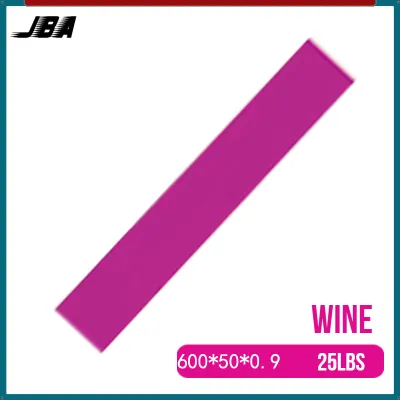
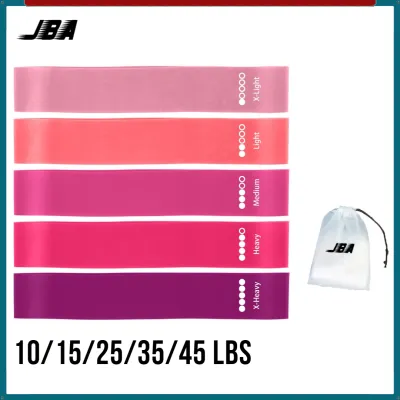
The choice between fabric and latex weight bands comes down to the types of exercises you perform and your personal comfort preferences. Latex bands are highly elastic, allowing for a long range of motion that is ideal for upper-body movements like shoulder presses, chest flies, and bicep curls. However, thin latex loops have a tendency to roll up, pinch the skin, or slide out of place during dynamic lower-body movements. Fabric bands, which are typically woven with a blend of cotton and elastic fibers, are much wider and stiffer. This design prevents them from rolling or slipping, making them exceptionally stable for lower-body exercises like squats, glute bridges, and lateral walks.
Products mentioned in this guide
Prices are valid at publication and may change. Please refer to the product page for the latest price.
Environmental factors also play a significant role in material performance, especially in warm and humid climates like the Philippines. High humidity and sweat can make latex bands slippery, compromising your grip during intense sessions. While latex is easy to wipe clean after a workout, it can become sticky or degrade quickly if stored in a damp gym bag. Fabric bands absorb sweat, which helps maintain a secure grip against your skin or clothing during a workout. However, because they absorb moisture, fabric bands require regular washing and thorough air-drying to prevent odors and bacterial buildup.
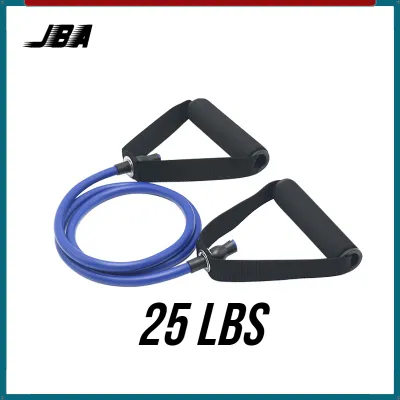
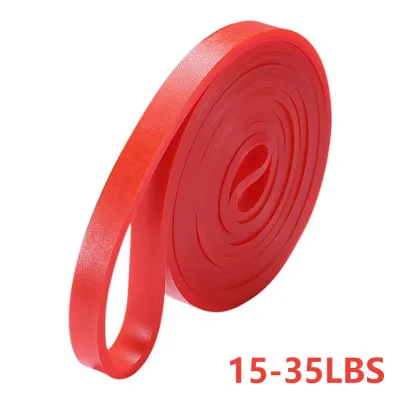
Ultimately, your material choice should align with your primary training focus rather than assuming one option is universally superior. If your routine consists mostly of lower-body activation and hip-strengthening exercises, a set of fabric loop bands will offer the best stability and comfort. If you focus on full-body mobility, stretching, and progressive upper-body strength, a set of latex flat bands or tube bands with handles will provide the necessary range of motion and versatility.
Decoding Resistance Levels: What Light to Extra Heavy Actually Means
Unlike traditional free weights that provide a constant gravitational load, a weight band relies on progressive tension. This means the resistance increases the further you stretch the band. Because there is no universal industry standard for color-coding or resistance labeling, a “medium” band from one brand might feel significantly heavier than a “medium” band from another. To understand the actual load you are working with, it is essential to check the manufacturer’s specifications for the estimated tension range, usually measured in kilograms or pounds at specific stretch lengths.

To select the right resistance level, match the band to your specific training goals and physical capabilities:
- Light Resistance: Excellent for joint mobility, dynamic warm-ups, and targeting smaller muscle groups like the rotator cuff. Light bands allow you to focus entirely on movement control and rehabilitation.
- Medium Resistance: Ideal for muscle endurance, high-repetition conditioning, and general full-body workouts. This level provides enough tension to challenge the muscles without compromising your form.
- Heavy to Extra Heavy Resistance: Best suited for strength building, compound movements, and providing assistance during bodyweight exercises like pull-ups. These bands require significant force to stretch and are ideal for larger muscle groups like the glutes and back.
When starting a new exercise program or introducing a new movement, always begin with a lighter resistance level than you think you need. Prioritizing proper form over maximum tension is crucial for preventing joint strain and connective tissue injuries. If you cannot complete a movement through its full range of motion, or if your joints feel uncomfortable pressure, reduce the resistance immediately. Equipment cannot replace proper training, physical judgment, and controlled execution.
Building a Practical Weight Band Setup
You do not need an expensive or extensive collection of equipment to build an effective home gym. Beginners can start with a simple, cost-effective setup consisting of a three-pack of light, medium, and heavy bands. For those who want a balanced routine, a hybrid approach works best: purchase a set of fabric loop bands for lower-body warm-ups and a set of latex tube bands with interchangeable handles for upper-body exercises.
As your strength and fitness levels progress, you can expand your setup with targeted accessories rather than buying entirely new sets of bands. Adding a heavy-duty door anchor allows you to perform pulling and pushing movements at various heights, mimicking cable machine exercises. Padded ankle straps are also excellent for isolating the legs and hips during cable-style kickbacks and leg raises.
Furthermore, you can achieve progressive overload—the gradual increase of stress placed on the body during training—without constantly purchasing heavier bands. You can increase the resistance of your existing bands by shortening your grip to reduce the starting length, slowing down the eccentric (lowering) phase of your movements, or stacking multiple bands together. This adaptability makes weight bands one of the most versatile and space-saving fitness investments available.
Frequently Asked Questions (FAQ)
Can I combine multiple weight bands to increase resistance?
Yes, combining or stacking multiple bands is a standard and highly effective way to increase resistance and achieve progressive overload. When stacking bands, ensure that all anchor points, handles, and carabiners are rated to handle the combined tension. Inspect the bands to make sure they are aligned flat against each other; uneven friction between rubbing bands can cause premature wear or sudden snapping during an exercise.
How do I know when it is time to replace my weight bands?
Regularly inspect your weight bands before every workout to ensure your safety. For latex bands, look for small nicks, tears, discoloration, dry rot, or areas that feel sticky or brittle. For fabric bands, check for fraying threads, loose stitching, or a noticeable loss of elasticity where the band fails to snap back to its original shape. If you observe any of these signs of structural compromise, replace the band immediately to prevent injury from a sudden snap.
Community discussion
Share your experience or ask a question. Comments are reviewed before publication.