
Selecting the right weighted vest for strength training requires looking beyond the total weight. Evaluating the specific design, distribution, and material specifications ensures the equipment supports your biomechanics, scales with your progression, and remains comfortable during intense workouts. By understanding how these technical details impact your movement, you can make an informed purchase that enhances your training without causing discomfort or injury.
Whether you are planning to invest ₱2,000 or upwards of ₱8,000 on a high-quality vest, analyzing the specifications beforehand prevents common purchasing mistakes. A vest that fits poorly or lacks adjustability will quickly end up gathering dust. This guide breaks down the essential specifications you need to verify before making your decision.
Weight Capacity and Adjustability
When evaluating a weighted vest, the maximum weight capacity and how that weight is adjusted should be your first considerations. Vests generally fall into two categories: fixed-weight and adjustable. Fixed-weight models are filled with a set amount of sand or steel shot that cannot be removed. While these are often more affordable, they offer no room for progression and can quickly become too light for lower-body exercises or too heavy for upper-body movements.
Products mentioned in this guide
![[Jocestyle Mall]Weighted Vest 5KG Body Weight Vest Exercise Set with Reflective Stripe Double Adjustable Buckle Straps for Women and Men](https://img.lazcdn.com/g/p/41b8a94c1aba1cc6aa1996badea8b857.png_400x400q80.png_.webp)
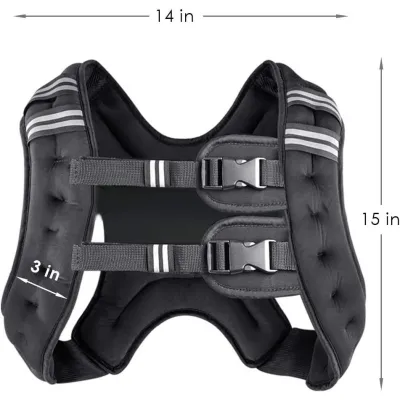
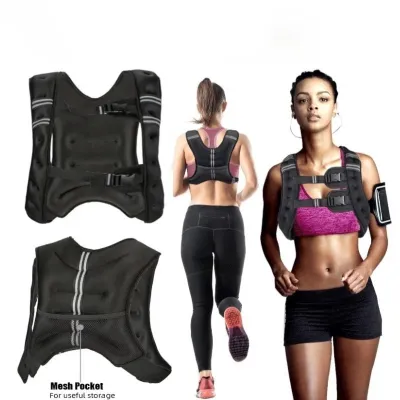
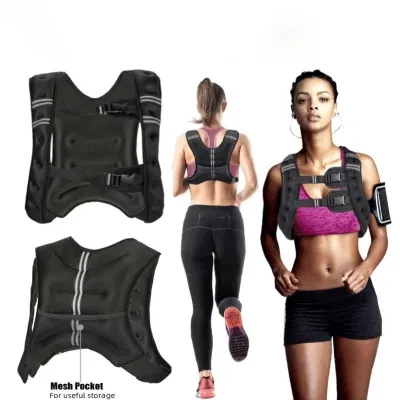
Prices are valid at publication and may change. Please refer to the product page for the latest price.
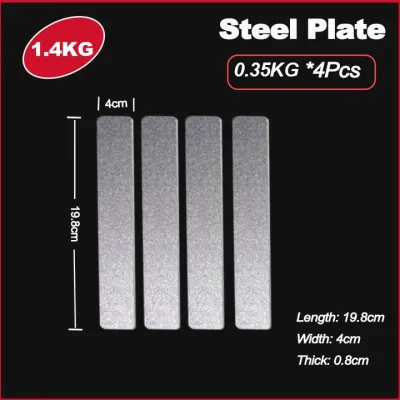
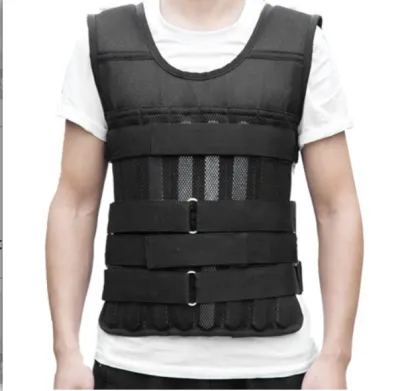
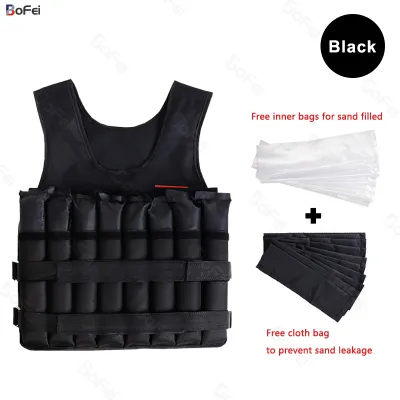
Adjustable vests feature individual pockets designed to hold removable weight blocks, plates, or sandbags. This design allows you to customize the load for different exercises, such as using a heavier setting for squats and a lighter setting for pull-ups. When checking adjustable specs, look at the increment sizes. Vests that use small weight increments, such as 0.5-kilogram or 1-kilogram blocks, allow for precise progressive overload, which is safer for your joints than jumping up by large increments.
Additionally, verify the physical mechanism used to secure the weights inside the vest. High-quality adjustable vests use heavy-duty hook-and-loop flaps or zippered pockets to keep the weights from shifting during movement. If the pockets are loose, the weights will slide around, which destabilizes your balance and disrupts your exercise form. Solid steel blocks are generally preferred over sand packets because they are more compact, allowing the vest to remain thin and low-profile.
Weight Distribution and Vest Design
The physical shape of the vest and how it distributes weight across your torso directly impact your exercise biomechanics and spinal alignment. A well-designed vest distributes the load evenly between your chest and your back. If a vest carries too much weight on the front, it pulls your shoulders forward, increasing the shear stress on your lower back during movements like squats or lunges.

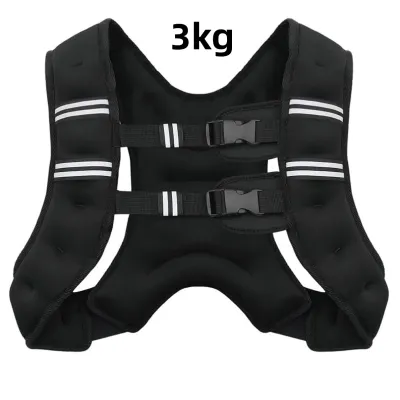
Shoulder strap design is another critical specification to inspect. Wide, heavily padded shoulder straps are essential for comfort and safety. Narrow straps concentrate the entire load onto a small area of your trapezius muscles, which can compress nerves, restrict blood circulation, and cause numbness in your arms during overhead presses or hanging exercises. Look for straps that are at least 5 to 8 centimeters wide with dense foam padding.
The overall length and cut of the vest determine your range of motion. For strength training, a short-cut or cropped vest that ends above your belly button is highly recommended. Longer vests can press against your thighs when you drop into a deep squat or restrict your hips during a deadlift or hip hinge. A shorter cut keeps your abdominal area free, allowing you to breathe deeply and engage your core muscles properly.
Material, Fit, and Secure Fastening
The materials used in a weighted vest dictate its durability and how well it manages heat and sweat. In tropical climates like the Philippines, high humidity and heat make breathability a primary concern. Heavy-duty materials like 1000D nylon offer exceptional resistance to tears and abrasions, but they can trap body heat. To prevent overheating, look for vests that incorporate moisture-wicking mesh linings or built-in ventilation channels that allow air to circulate against your skin.
The fastening system is what keeps the vest secured to your body during dynamic movements. Look for dual-strap systems, wide elastic bands, or heavy-duty quick-release buckles. A secure fastening system prevents the vest from bouncing or sliding up and down when you perform push-ups, burpees, or jumps. If the vest shifts constantly, the friction can cause severe skin chafing and alter your center of gravity.
To ensure a proper fit, do not rely on generic clothing sizes. Measure your chest and waist circumference and compare them directly to the manufacturer’s sizing guide. Many high-quality vests offer adjustable side straps or tension cords, allowing you to tighten the vest to fit snugly against your torso regardless of your body shape or the thickness of your workout shirt. Double or triple stitching along the seams is also vital, as the constant movement of heavy weights puts immense stress on the fabric.
Matching Specs to Your Training Style
Your specific strength training routine should dictate which specifications you prioritize. If your focus is primarily on calisthenics and bodyweight movements like pull-ups, dips, and push-ups, mobility and fit are paramount. For these exercises, prioritize an ultra-snug, short-cut vest with secure fastening straps that prevent any shifting when you are upside down or hanging from a bar.
If you plan to use the vest for rucking, weighted walking, or lunges, your priorities will shift toward load capacity and long-term comfort. For these activities, look for a vest that can hold heavier weight plates, features extra-thick shoulder padding, and has a highly durable outer shell to withstand outdoor elements.
Be careful not to overpay for features that do not contribute to your strength training outcomes. For example, tactical aesthetics like laser-cut MOLLE webbing, velcro patch areas, or quick-release pull cords designed for emergency situations are rarely necessary for home or gym workouts. Focus your budget instead on robust stitching, durable fabrics, and high-quality weight blocks that directly improve your training experience.
Frequently Asked Questions (FAQ)
Can I use a weighted vest for all strength exercises?
Weighted vests are highly versatile and excel in bodyweight movements like squats, lunges, push-ups, and pull-ups. However, they are not suitable for every exercise. For movements that require deep torso bending, such as barbell cleans or complex Olympic lifts, a vest can restrict your range of motion or interfere with the bar path. Always check the physical clearance of the vest and consult a qualified fitness professional if you are unsure about incorporating a vest into complex lifting routines.
How heavy should my first weighted vest be?
When starting out, it is crucial to prioritize joint safety over heavy loads. A common recommendation is to begin with a conservative weight, such as 5% to 10% of your total body weight, to allow your tendons and ligaments to adapt to the new stress. Ensure the vest you purchase has a low minimum starting weight, allowing you to remove most of the weight blocks and gradually add them back as your strength and conditioning improve.
Community discussion
Share your experience or ask a question. Comments are reviewed before publication.