
Direct Answer: Which Jump Rope Should You Choose?
Choosing between a weighted jump rope and a speed jump rope depends on your primary fitness objectives, current coordination level, and how you want to challenge your body. Neither option is universally better than the other; instead, each serves a distinct role in a well-rounded training regimen.
If your goal is to master double-unders, boost footwork speed, or execute rapid cardiovascular intervals, a speed rope is the appropriate tool. The lightweight design minimizes arm fatigue, allowing you to focus entirely on quickness and agility.
If you want to build upper-body endurance, engage your shoulders and core, or learn the basic rhythm of jumping rope with better physical feedback, a weighted rope is the more suitable choice. The added resistance slows down the rotation, making it easier to time your jumps while increasing the muscular demand on your upper body.
Products mentioned in this guide
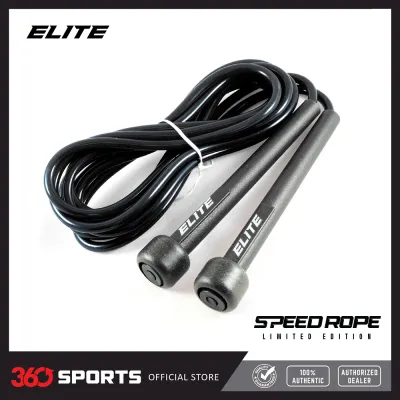

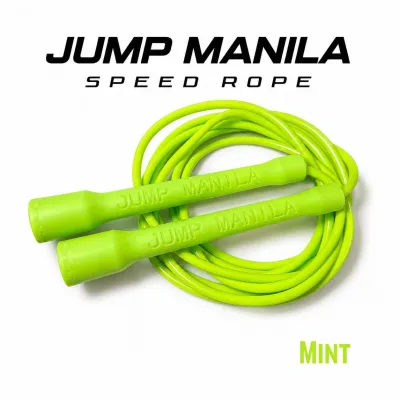
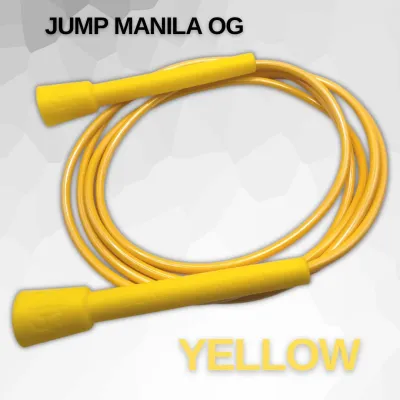
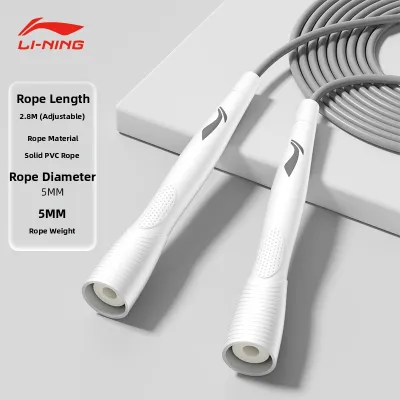
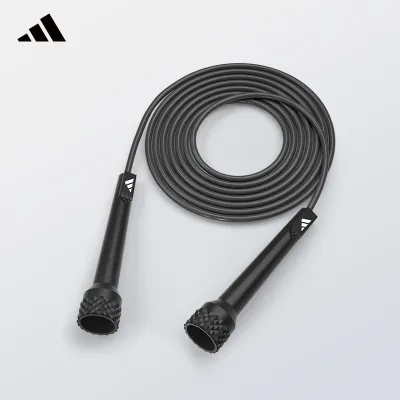

Prices are valid at publication and may change. Please refer to the product page for the latest price.
Understanding the Mechanics: Weighted vs. Speed Ropes
To make an informed choice, it helps to understand how the physical design of each rope alters your movement patterns and muscle recruitment. The differences in cable thickness, handle construction, and weight distribution fundamentally change the physics of your workout.

Speed ropes are engineered for maximum velocity and minimal air resistance. They typically feature very thin, lightweight wire cables—often made of steel coated with a protective vinyl layer—connected to handles containing ball-bearing systems. These bearings allow the cable to spin smoothly with minimal wrist effort, facilitating rapid rotations and quick direction changes.
Weighted ropes prioritize resistance over raw speed. The added weight can reside either within the handles themselves or, more commonly, throughout the entire length of the cable. Cables for weighted ropes are significantly thicker, often constructed from heavy PVC, braided steel, or thick woven synthetic fibers.
The distribution of this weight alters the swing momentum and arc stability. A heavy cable creates substantial centrifugal force as it spins, which helps the rope maintain a wide, predictable arc. This momentum makes it easier to track the rope’s position relative to your feet, but it requires much more physical effort from your forearms, shoulders, and upper back to keep the rope moving.
Conversely, handle-weighted ropes keep the cable relatively light while placing removable weights inside the grips. This design increases the load on your wrists and arms without significantly slowing down the rotation of the cable, offering a middle ground between speed and resistance.
Aligning Your Choice with Specific Fitness Goals
Your fitness goals dictate which rope will deliver the best results for your training sessions. Matching the equipment to your desired physical outcomes ensures you maximize your time and effort.
- Cardiovascular Endurance and High-Intensity Intervals: If your routine focuses on high-intensity interval training (HIIT) or rapid cardiovascular sessions, speed ropes excel. They allow you to spike your heart rate quickly by transitioning into high-velocity sprints, double-unders, or complex footwork patterns. The low resistance means you can sustain a high cadence for longer periods, focusing purely on lung capacity and aerobic endurance.
- Muscle Toning, Strength, and Upper-Body Conditioning: When you switch to a weighted rope, the workout transitions from a purely cardiovascular challenge to a muscular endurance session. Every rotation forces your shoulders, biceps, forearms, and upper back to contract continuously to overcome the rope's inertia. Your core must also remain highly engaged to stabilize your torso against the pulling force of the heavy cable, making it an excellent tool for full-body conditioning.
- Coordination, Agility, and Footwork: Developing quick feet and sharp reflexes requires a speed rope. The lightweight design demands precise, micro-adjustments from your wrists and ankles. This rapid feedback loop helps athletes, boxers, and agility trainers develop better spatial awareness, lateral quickness, and timing.
- Caloric Expenditure: While both styles of jumping rope are highly efficient for burning calories, they do so differently. A speed rope relies on high-frequency jumps and rapid heart rate elevation over a longer duration. A weighted rope increases the metabolic demand by recruiting larger muscle groups simultaneously, meaning you can achieve a high-intensity workout even at a slower jumping pace.
Matching the Rope to Your Current Skill Level
Your experience level with jumping rope is a critical factor in determining which type will help you progress without unnecessary frustration or injury. Using a rope that does not match your current proficiency can lead to poor form and frequent trips.
- Beginners: It is a common misconception that beginners should start with the lightest speed rope available. In reality, ultra-light speed ropes are highly unforgiving; they move too fast for a novice to track, leading to frequent trips, tangled feet, and discouragement. A slightly weighted rope (around 1/4 pound to 1/2 pound) or a standard 5mm PVC rope is highly recommended for beginners. The weight provides clear tactile feedback, allowing you to feel exactly where the rope is in its arc, which helps you master timing, rhythm, and basic bounce mechanics.
- Intermediate to Advanced: Once you can comfortably maintain a continuous jump for several minutes, transitioning to a dedicated speed rope opens up new training possibilities. This is the stage where you can efficiently practice advanced maneuvers like double-unders, crossovers, and rapid footwork variations. The reduced weight allows your wrists to dictate the pace without your shoulders fatiguing prematurely.
- Safety and Form Checks: Regardless of the rope you select, maintaining proper form is essential to prevent joint strain and injury. Keep your elbows tucked close to your ribs and use your wrists, rather than your entire arms, to generate the rotation. Always land softly on the balls of your feet with a slight bend in your knees to absorb the impact, especially when jumping on hard surfaces. If you experience persistent joint pain or shin splints, stop immediately and assess your landing mechanics or surface cushioning.
Essential Features to Verify Before Purchasing
Before investing in a new jump rope, evaluating specific structural features ensures the equipment fits your body, your budget, and your training environment. Ropes can range from under ₱300 for basic models to over ₱1,500 for professional adjustable systems.
- Adjustability: A rope that is too long will drag excessively on the ground, slowing you down and causing trips, while a rope that is too short will force you to hunch over or trip on your head. Look for ropes with adjustable mechanism collars, thumb screws, or easily trimmable cables. This allows you to customize the length precisely to your height and arm span, ensuring optimal clearance above your head and below your feet.
- Handle Ergonomics and Grip: In warm, humid tropical climates like the Philippines, sweaty hands can quickly turn a workout into a struggle to hold onto your equipment. Verify that the handles feature non-slip grips, such as textured rubber, foam sleeves, or contoured ridges. Ball-bearing systems inside the handles should be sealed to protect them from moisture and dust, ensuring a smooth, consistent spin over time.
- Durability and Surface Compatibility: Consider where you plan to perform your workouts. If you jump primarily on rough outdoor concrete, such as a garage floor, driveway, or local outdoor basketball court, a bare steel cable or a thin vinyl coating will wear down and snap quickly. For outdoor use, verify that the rope has a thick, durable PVC sleeve or is specifically rated for abrasive surfaces. If you train indoors on gym mats or wooden floors, a lighter, uncoated speed cable is perfectly suitable and will glide effortlessly.
Frequently Asked Questions (FAQ)
Can I use a weighted jump rope for double-unders?
While it is physically possible to perform double-unders with a weighted jump rope, doing so requires an exceptional amount of wrist speed and upper-body strength. For most fitness enthusiasts, attempting double-unders with a heavy rope leads to rapid shoulder fatigue and a higher risk of losing form. If your primary goal is to master or perform high-rep double-unders, a lightweight speed rope with a ball-bearing handle is the more efficient and practical tool.
How do I know if my jump rope is the correct length?
To check the length of your jump rope, stand directly on the center of the cable with one foot and pull the handles straight up along the sides of your body. For beginners, the tips of the handles should reach approximately to your armpits or the top of your shoulders. As your form improves and your jumps become more compact, you can shorten the rope so the handles reach your chest level, which reduces excess slack and allows for faster, more efficient rotations.
Community discussion
Share your experience or ask a question. Comments are reviewed before publication.