
Selecting the right underwater breathing tube can completely transform your time in the water. Whether you are exploring shallow coral gardens in the Philippines or preparing for a deeper dive, the way your snorkel handles water entry dictates your comfort and safety. Choosing between a wet, semi-dry, or dry snorkel depends on your swimming style, experience level, and how comfortable you are with clearing water from the tube.
The Three Main Types of Snorkels Explained
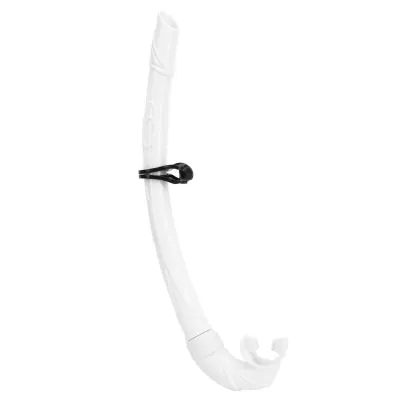
Wet snorkels represent the traditional design. They consist of a simple, open-ended tube with a mouthpiece at the bottom. Because there are no valves or covers, water enters the tube freely whenever you submerge or encounter a wave. This design is highly favored by freedivers and spearfishers because it offers minimal drag in the water, has no mechanical parts that can fail, and is exceptionally lightweight. However, it requires you to perform a manual blast clear every time you surface.
Semi-dry snorkels introduce features to minimize water entry without sealing completely. They are equipped with a splash guard at the top, which uses angled vents or deflectors to redirect surface splashes away from the tube opening. While a semi-dry snorkel will still fill with water if you submerge completely, it significantly reduces the amount of spray that enters during choppy surface conditions. Most semi-dry models also feature a one-way purge valve at the bottom to make clearing any collected water much easier.
Products mentioned in this guide
Prices are valid at publication and may change. Please refer to the product page for the latest price.
Dry snorkels are designed to block water entirely, both on the surface and underwater. They utilize a specialized float valve mechanism at the top of the tube. When you submerge, a small buoy or hinged mechanism rises to physically seal the opening. Once you return to the surface, the valve drops open, allowing you to breathe immediately without clearing the tube. This design is highly popular among beginners and casual surface swimmers who want to avoid swallowing saltwater, though the valve mechanism adds some bulk and buoyancy.
Key Specs and Features That Actually Matter
The physical dimensions of the tube play a critical role in how easily you can breathe. A wider tube diameter reduces breathing resistance, making it easier to inhale, but it also increases the volume of dead air space where exhaled carbon dioxide can accumulate. Conversely, a narrower tube is easier to clear of water but can restrict airflow during heavy exertion. You should check manufacturer guidelines to ensure the tube volume matches your lung capacity and physical build.

The purge valve is a critical component for water management. Located in a reservoir below the mouthpiece, this one-way valve allows water to drain out when you exhale. When inspecting a snorkel, look closely at the thin silicone diaphragm inside the valve. It must sit completely flat against its plastic seat; any warping, sand, or debris will cause water to slowly leak into your mouth. Look for designs with a protective cover over the purge valve to prevent debris from wedging it open.
Mouthpiece material directly impacts your physical comfort during extended snorkeling sessions. High-quality snorkels use flexible, hypoallergenic liquid silicone rather than stiff plastic or PVC. Silicone remains flexible in warm, humid climates and resists degradation from saltwater and intense tropical sunlight. The angle of the mouthpiece should allow it to sit naturally between your teeth without requiring constant biting pressure, which helps prevent jaw fatigue.
While cosmetic features like bright neon accents are highly useful for surface visibility to passing boats, complex mechanical joints or elaborate quick-release clips often add unnecessary weight. Focus your selection on the quality of the silicone skirt and the simplicity of the valve designs rather than secondary aesthetic add-ons. A streamlined design is always easier to manage in moving water.
Matching the Snorkel to Your Skill Level and Activity
For beginners and casual surface swimmers, a dry snorkel is often the most practical choice. It provides peace of mind by preventing water from entering the tube when a sudden wave rolls over you. This allows you to focus entirely on enjoying the marine life without the constant need to clear your airway, making the experience much more relaxing.
Intermediate snorkelers who enjoy occasional shallow dives often find that a semi-dry snorkel offers a practical balance. It keeps surface splashes out while remaining lighter and less buoyant than a dry snorkel. This makes it easier to transition between surface swimming and quick breath-hold dives without the snorkel pulling on your mask.
Advanced divers, freedivers, and spearfishers almost exclusively prefer wet snorkels or streamlined semi-dry models. When you dive deep, the air trapped inside a dry snorkel’s sealed tube creates positive buoyancy, which can pull on your mask and cause leaks. A simple wet snorkel has no trapped air, offers the lowest possible drag, and can be easily cleared with a single sharp exhalation upon surfacing.
Regardless of the snorkel type you choose, safety must always come first. No mechanical valve is completely foolproof, and sand or salt can easily jam a float mechanism. You must master the manual blast clearing technique in shallow water before venturing into deeper areas. Gear is an aid, but it can never replace proper water safety skills and situational awareness.
Fit, Comfort, and Mask Compatibility Checks
A secure connection between your snorkel and mask is essential for a leak-free experience. The snorkel keeper, which clips or loops onto your mask strap, should be highly adjustable. It must allow you to slide the snorkel up or down so the mouthpiece aligns comfortably with your mouth without pulling the mask strap unevenly, which can break the mask’s seal and cause leaks.
Many modern snorkels feature a flexible corrugated section between the main tube and the mouthpiece. This design allows the mouthpiece to drop away from your face when you are not using it, which is particularly useful for scuba divers switching to a regulator. Ensure this flexible section is made of soft silicone so it does not exert pressure on your mask skirt, which could break the seal.
Finally, verify the size of the mouthpiece and the design of the bite tabs. A mouthpiece that is too large will stretch your lips and cause water to seep in, while one that is too small will require constant jaw tension to keep in place. Testing the fit dry can save you from painful jaw fatigue during your actual swim.
Frequently Asked Questions (FAQ)
How do I clear water from a dry snorkel if the valve gets stuck?
If sand or debris jams the float valve of your dry snorkel, do not panic. Swim to the surface, remove the mouthpiece from your mouth, and shake the snorkel vigorously in the water to clear the obstruction. If you are still in the water and need to clear it immediately, perform a sharp manual blast clear by exhaling forcefully into the tube. If the airway remains blocked, roll onto your back to float safely, remove the snorkel, and visually inspect the top valve for trapped particles.
Can I use a scuba diving snorkel for surface snorkeling?
Yes, you can use a scuba diving snorkel for surface snorkeling, but you should be aware of the design trade-offs. Scuba snorkels are typically simple wet or semi-dry designs with flexible lower tubes that drop away from the mouth when using a regulator. Because they lack a dry-top float valve, they will not block water when submerged or hit by waves, meaning you must be comfortable performing manual blast clears to keep the airway open.
Community discussion
Share your experience or ask a question. Comments are reviewed before publication.