
Diving in the Philippines offers access to some of the world’s most biodiverse marine environments, characterized by warm tropical waters that typically range from 26°C to 30°C. However, selecting the ideal thickness for a diving suit for men is not as simple as picking the thinnest option available. Your choice depends heavily on your specific dive profiles, seasonal thermoclines, and individual cold tolerance. Finding the right balance ensures you stay comfortable throughout your underwater adventures without overheating during shallow safety stops or shivering during deep wall dives.
While a 3mm full wetsuit is often considered the versatile standard for tropical diving, variations in local conditions and personal physiology can shift your requirements. Understanding how neoprene thickness interacts with tropical climates and diving styles will help you make an informed decision, whether you are preparing for a single weekend trip or packing for an extended liveaboard excursion.
Understanding Wetsuit Thickness and Tropical Water Conditions
Neoprene serves as the primary material in modern diving suits, functioning by trapping a thin layer of water between your skin and the suit. Your body heat warms this trapped water, creating a thermal barrier against the surrounding ocean. However, neoprene also contains tiny nitrogen bubbles that provide inherent buoyancy. As a result, a thicker diving suit for men increases your buoyancy, requiring you to carry more lead weight on your weight belt or integrated BCD system to achieve neutral buoyancy.
Products mentioned in this guide
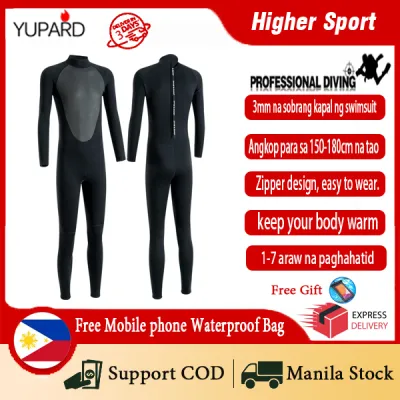
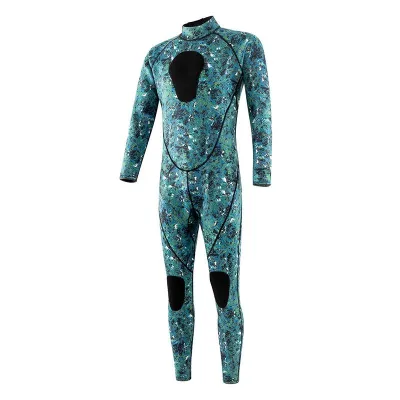
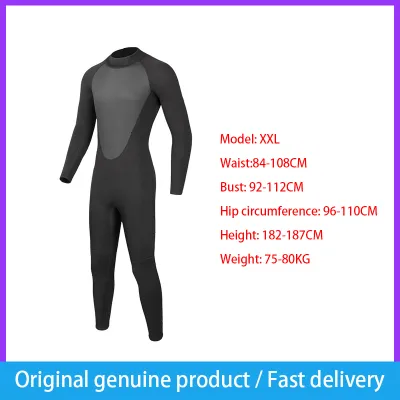
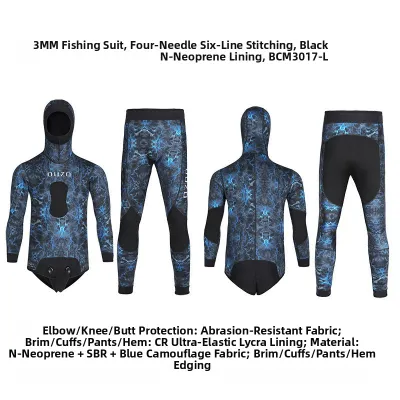
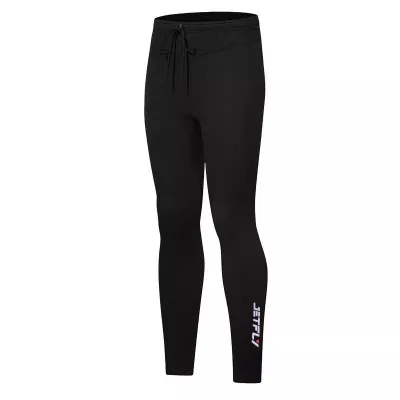
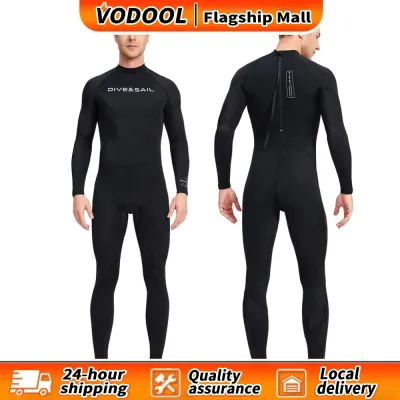
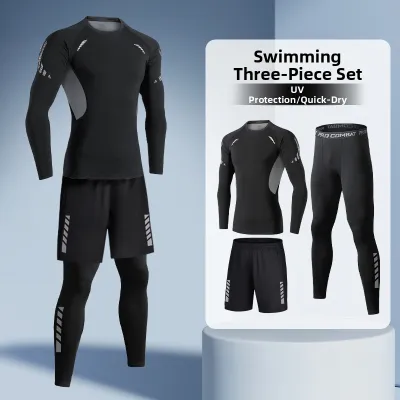
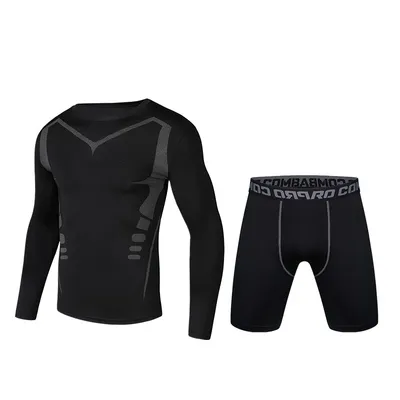
Prices are valid at publication and may change. Please refer to the product page for the latest price.
In the Philippines, surface water temperatures generally remain warm year-round, but these temperatures can drop significantly as you descend. Shallow coral reefs bathed in sunlight often hover around 29°C or 30°C, where a very thin suit or even a rash guard might feel sufficient. However, as you explore deeper drop-offs, pinnacles, or channels, you are likely to encounter sudden temperature drops. These thermoclines can lower the water temperature by several degrees in an instant, making a thin suit feel inadequate.
It is a common misconception that a thicker suit is always a safer bet. In tropical climates, wearing an excessively thick wetsuit—such as a 5mm or 7mm suit designed for temperate waters—can quickly lead to overheating. Overheating can occur on the boat deck before you even enter the water, especially under the intense tropical sun and high humidity. Furthermore, thicker neoprene restricts your range of motion, making it harder to swim, adjust your gear, or perform essential safety maneuvers.
Variables That Shift Your Thickness Requirements
Your specific dive profile is one of the most critical factors when determining the necessary thickness of your diving suit for men. If your itinerary consists primarily of shallow reef dives under 15 meters, a 1.5mm to 2mm suit or even a shorty may keep you comfortable. Conversely, if you plan to conduct deep wall dives, drift dives in strong currents, or explore deep wrecks where thermoclines are common, a 3mm full suit provides the necessary thermal buffer against colder, deep-sea currents.

Repetitive diving also plays a major role in how your body retains heat. During a typical diving day or a multi-day liveaboard trip, you might conduct three to four dives a day. Even in warm tropical waters, water conducts heat away from the human body about 25 times faster than air. Over multiple consecutive dives, your core body temperature gradually declines, a phenomenon known as silent hypothermia. A suit that felt perfectly warm on the first dive of the day can feel surprisingly cold by the third or fourth dive, making a slightly thicker full suit highly beneficial for repetitive schedules.
Finally, personal physiology and exertion levels must be factored into your decision. Individual cold tolerance varies widely based on body composition, metabolic rate, and age. Divers with lower body fat percentages or those who remain relatively still underwater to take photographs generally cool down much faster than active divers. If you tend to feel cold easily in daily life, opting for a 3mm full suit rather than a 2mm shorty will ensure your comfort remains uncompromised throughout your dive trip.
Evaluating Men's Diving Suit Specs Beyond Thickness
When shopping for a diving suit for men, looking solely at the millimeter thickness does not tell the whole story. The construction of the seams plays a vital role in how much water flows through the suit. Flatlock stitching, which involves sewing overlapping panels together, is highly durable and flexible but leaves tiny needle holes that allow water to pass through. This breathability is excellent for very warm, shallow waters as it helps prevent overheating, but it offers less thermal protection in cooler currents.
For superior thermal efficiency, look for suits featuring glued and blindstitched (GBS) seams. This construction method glues the neoprene panels together before stitching them halfway through the material, ensuring no needle holes penetrate the entire thickness of the suit. GBS seams, often reinforced with internal liquid tape, minimize water flushing—the process where cold water enters the suit and pushes out the warm, body-heated water. Minimizing flushing is often more effective at keeping you warm than simply choosing a thicker grade of neoprene.
Additionally, pay close attention to the zipper design and the quality of the neck, wrist, and ankle seals. A heavy-duty back zipper with an internal zipper flap helps block water entry along the spine. Smooth-skin or glideskin seals at the neck and wrists cling gently to your skin, creating a semi-dry barrier that further reduces water exchange. A well-fitted suit with high-quality seals ensures that even a thin 2mm or 3mm suit can perform exceptionally well in variable tropical conditions.
Actionable Steps to Finalize Your Gear Choice
Before purchasing a new diving suit for men or packing your gear bag, contact local dive operators at your specific destination in the Philippines. Water temperatures can fluctuate depending on the season, with cooler waters typically occurring from December to February and warmer conditions from April to June. Local dive guides can provide real-time updates on current water temperatures, thermocline depths, and typical current strengths, allowing you to tailor your gear selection precisely.
Next, perform a thorough physical fit check if you are trying on a suit. A wetsuit must fit snugly against your body without restricting your breathing or movement. Check for any loose pockets of material, particularly under the arms, at the lower back, and around the crotch, as these areas will trap excess water and cause flushing. Ensure you can comfortably reach behind your head to simulate reaching your tank valve and that the neck seal does not pinch or restrict blood flow.
If you are concerned about encountering variable temperatures but want to avoid the bulk of a thicker suit, consider a modular layering system. You can easily pair a lightweight 2mm full suit with a thin neoprene vest or a rash guard worn underneath. This approach allows you to add or subtract thermal layers depending on the specific dive profile, giving you the flexibility to adapt to warm shallow reefs and cooler deep walls without needing to buy multiple primary suits.
Frequently Asked Questions (FAQ)
Is a shorty wetsuit sufficient for diving in the Philippines?
A shorty wetsuit can be sufficient for shallow, warm-water dives where water temperatures remain consistently high. However, a shorty leaves your arms and legs exposed to the marine environment. In addition to thermal protection, a full-length diving suit for men protects your skin from accidental coral scrapes, stinging hydroids, jellyfish, and sunburn during long safety stops near the surface. For comprehensive protection and comfort during deeper or repetitive dives, a full-length suit is generally recommended.
Should I buy or rent a wetsuit for a Philippine dive trip?
Deciding whether to buy or rent depends on your diving frequency and personal preferences. Purchasing your own diving suit for men ensures a hygienic, tailored fit that matches your body shape perfectly, which is critical for minimizing water flushing and maximizing warmth. It also saves you from rental fees over a long trip. However, if you dive infrequently or wish to travel light, renting from a local dive shop is a convenient option, as most reputable shops in the Philippines stock standard 3mm tropical wetsuits.
Community discussion
Share your experience or ask a question. Comments are reviewed before publication.