
Quick Answer: Wetsuit or Drysuit?
Choosing the right exposure suit can make or break your diving experience. If you are diving in the warm, tropical waters of the Philippines, a wetsuit is almost always the practical choice. However, if you plan to explore cold lakes, deep wrecks, or temperate oceans, a drysuit becomes an essential piece of safety gear.
A wetsuit allows a small amount of water to enter, trapping it next to your skin where your body warms it. A drysuit, on the other hand, acts as a complete barrier, keeping you entirely dry by sealing out the water at your neck and wrists.
Before making a purchase, it is vital to verify the specific water temperatures of your planned dive sites. You should also assess your personal cold tolerance and consult manufacturer guidelines to ensure you select the correct level of thermal protection.
Products mentioned in this guide
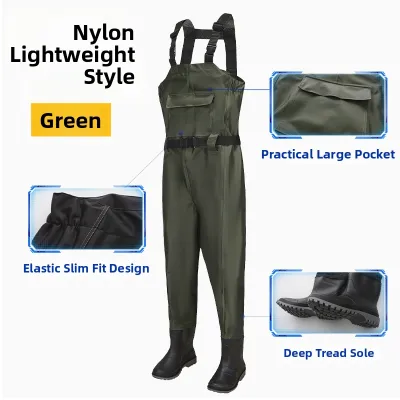
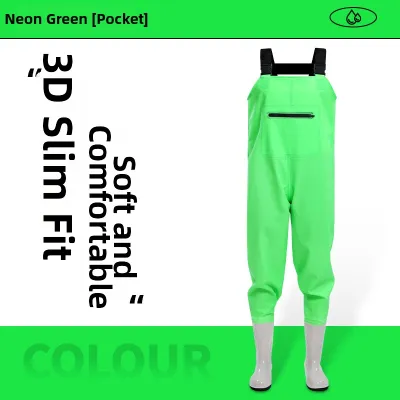
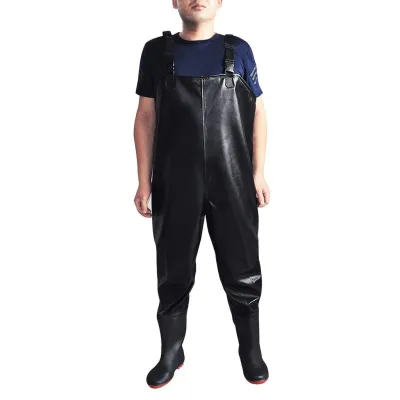

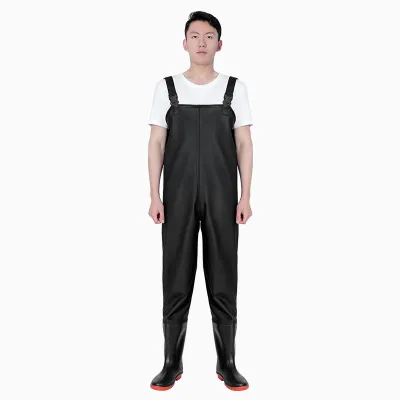
Prices are valid at publication and may change. Please refer to the product page for the latest price.
How Wetsuits and Drysuits Keep You Warm
Understanding the physics of underwater insulation helps you make an informed decision. Wetsuits rely on neoprene, a synthetic rubber filled with tiny nitrogen bubbles that provide insulation. When you submerge, a thin layer of water enters the suit and is quickly warmed by your body heat.

For this system to work, the wetsuit must fit snugly against your skin. If the suit is too loose, cold water will constantly flush through, stripping away your body heat and leaving you shivering. This water movement, known as flushing, is the primary reason a proper fit is critical for wetsuit performance.
Drysuits operate on an entirely different principle by keeping you completely dry. They feature watertight zippers and seals made of latex, silicone, or neoprene at the neck and wrists. Because air is a poor conductor of heat, the drysuit traps a layer of air around your body to provide insulation.
To stay warm in a drysuit, you must wear insulating undergarments beneath the outer shell. These undergarments trap air and can be adjusted in thickness depending on the water temperature. Additionally, drysuits feature an inflation valve connected to your regulator, allowing you to add air to the suit as you descend to prevent the pressure from squeezing your body.
Always check the manufacturer’s specific temperature ratings and material thickness before buying. Neoprene thickness is measured in millimeters, and choosing the right thickness is critical for your comfort and safety.
Comparing Comfort, Mobility, and Maintenance
The physical experience of wearing these two types of suits varies significantly. Wetsuits offer a streamlined profile and excellent flexibility, allowing you to move freely through the water. The snug fit of neoprene feels like a second skin, which minimizes drag and makes swimming highly efficient.
In contrast, drysuits are inherently bulkier because they must accommodate insulating undergarments and a layer of air. This extra volume can increase drag and require more effort to swim, especially in currents. The loose fit also means you will feel less streamlined underwater.
Getting into and out of your gear is another practical consideration. Donning a tight wetsuit can be a physical workout, especially in hot and humid tropical climates. However, once it is on, there are no complex seals or valves to manage.
Drysuits require a more methodical approach to donning and doffing. You must carefully stretch the neck and wrist seals to avoid tearing them, and you often need a buddy to help zip up the heavy-duty watertight zipper.
Post-dive care is essential to protect your investment and ensure your gear remains functional. Wetsuits require a simple but thorough rinse in fresh water, followed by hanging them to dry in a shaded, well-ventilated area. In humid environments, drying can take longer, so proper ventilation is key to preventing mold.
Drysuits demand much more meticulous maintenance. You must rinse the exterior, clean and lubricate the watertight zippers with specialized wax, and apply talcum powder to the latex or silicone seals to prevent them from degrading. Any puncture or seal failure can flood the suit, making regular inspections mandatory.
Budget, Training, and Value Considerations
Your budget and diving frequency will heavily influence your choice. Wetsuits are generally much more affordable, with entry-level models costing a few thousand pesos ₱. They are highly durable and require minimal ongoing maintenance costs, making them excellent value for recreational divers.
Drysuits represent a substantial financial investment, often costing tens of thousands of pesos ₱. Beyond the initial purchase price, you must factor in the cost of insulating undergarments, inflation hoses, and regular maintenance, such as replacing worn-out seals or repairing zippers.
Safety and training are critical when transitioning to a drysuit. Because a drysuit contains air, it acts as a buoyancy device that responds to depth changes. If you do not manage the air volume correctly, you risk rapid, uncontrolled ascents or painful suit squeeze.
Most training agencies require a specialized drysuit certification course to teach you how to control buoyancy and handle emergencies safely. Wetsuits, by comparison, require no extra training beyond your standard open water certification.
If you only occasionally dive in cold water, renting gear is often the most cost-effective option. Many dive centers in colder regions offer drysuit rentals, though they will usually require proof of drysuit certification before handing over the equipment.
How to Choose the Right Waterproof Diving Suit
To finalize your decision, evaluate your typical diving environments, budget, and comfort preferences. Many divers who search for a full-body water proof jump suit are looking for reliable exposure protection that matches their specific activities.
Choose a Wetsuit if…
- Tropical Diving: You primarily dive in warm, tropical waters, such as those found across the Philippines.
- High Mobility: You prefer maximum mobility, flexibility, and a streamlined profile underwater.
- Simple Maintenance: You want a straightforward, low-maintenance suit that is easy to wash and store.
- Budget-Friendly: You are working with a limited budget and want to avoid the costs of specialized training and accessories.
Choose a Drysuit if…
- Cold Water: You plan to dive regularly in water temperatures below 15°C (59°F).
- Technical Diving: You engage in technical, deep, or multi-day dives where hypothermia is a significant risk.
- Adjustable Warmth: You want the flexibility to adjust your warmth by changing your undergarments for different climates.
- Long-Term Investment: You are willing to invest the time and money into specialized training and regular gear maintenance.
Verify first if…
- Rental Options: You can rent the suit type at your destination to test its comfort before buying.
- Sizing Charts: The manufacturer's sizing chart matches your body measurements, as a proper fit is crucial for both safety and warmth.
- Instructor Advice: Your local dive instructors recommend specific materials or configurations for the local dive sites you plan to frequent.
Frequently Asked Questions (FAQ)
Can I use a wetsuit for cold-water diving if I layer up?
While you can layer wetsuits or wear a thicker neoprene hood and vest, there are strict physical limits to this approach. As you descend, the water pressure compresses the neoprene, making it thinner and significantly reducing its insulating properties. Always consult the manufacturer’s temperature ratings; if the water is consistently cold, switching to a drysuit is the safest way to prevent hypothermia.
Do I need special training to dive in a drysuit?
Yes, formal training is highly recommended and often required by dive operators. Operating a drysuit involves managing the air inside the suit using inflation and exhaust valves. Without proper instruction, you may struggle with buoyancy control, experience inverted ascents, or suffer from painful suit squeeze as pressure increases at depth.
How do I know if my waterproof diving suit fits correctly?
A wetsuit should fit like a second skin—snug all over with no loose pockets under the arms or at the lower back, yet loose enough to allow deep breathing. For a drysuit, the neck and wrist seals must be tight enough to block water without restricting blood flow. You should also have enough room inside the drysuit to perform a full squat while wearing your thickest undergarments.
Community discussion
Share your experience or ask a question. Comments are reviewed before publication.