
A baby can begin their cycling journey as early as 12 to 18 months of age, but the ideal starting point depends heavily on individual physical development rather than a strict calendar date. The process of introducing a bike for baby is not a one-size-fits-all milestone; children progress through motor skill stages at their own pace. By understanding the distinct developmental phases of early childhood, parents can select the appropriate vehicle—whether a stable tricycle, a dynamic balance bike, or a traditional pedal bike with training wheels—to ensure a safe, confidence-building experience.
Choosing the right ride-on toy or bicycle requires assessing your child’s current strength, coordination, and spatial awareness. The goal is to match their natural physical abilities with a bike design that supports their learning curve without causing frustration. This guide breaks down the physical readiness signs to look for and analyzes each bike type to help you make an informed decision for your young rider.
Is Your Child Ready? Observable Signs of Physical and Cognitive Readiness
Before purchasing a bike for baby, parents must look beyond chronological age and observe specific developmental milestones. Every child develops at a unique pace, and forcing a toddler onto a bike before they are physically or cognitively prepared can lead to accidents or a long-lasting fear of riding. Evaluating readiness involves checking both gross motor control and basic cognitive understanding.
Products mentioned in this guide
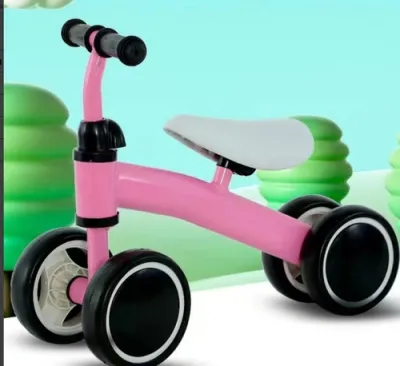
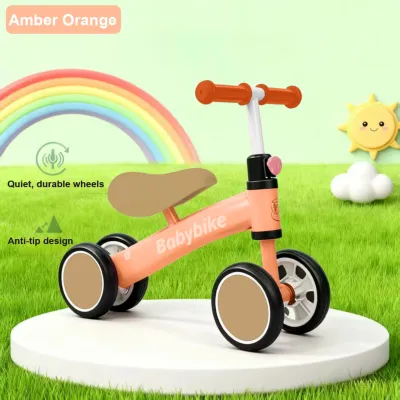
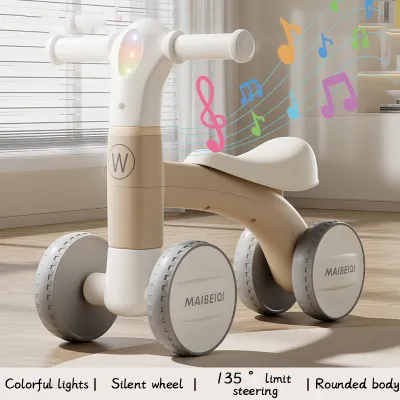
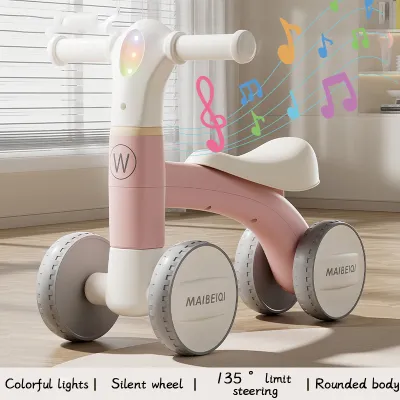
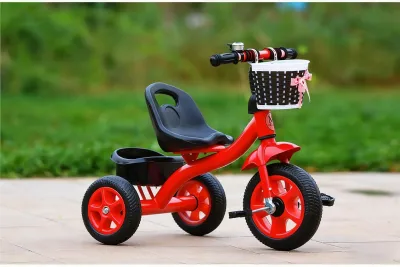
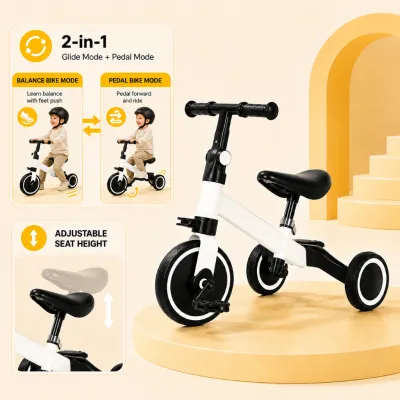
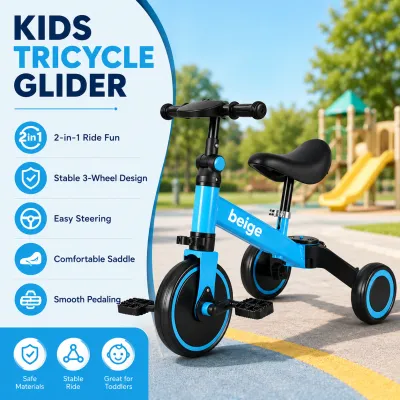
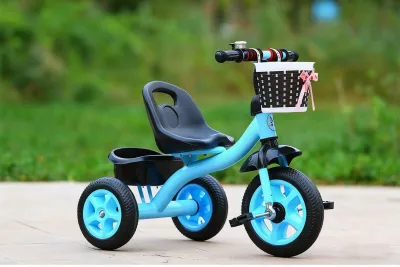
Prices are valid at publication and may change. Please refer to the product page for the latest price.
Gross Motor Skills to Observe
- Confident Walking and Running: Your child should be walking independently and running without frequent, unexplained falls. This indicates they have developed the basic leg strength and ankle stability required to support themselves on a ride-on toy.
- Squatting and Standing: A reliable sign of core and lower-body strength is the ability to squat down to pick up a toy from the floor and stand back up without holding onto furniture for support.
- Stepping Over Obstacles: If your toddler can easily step over low barriers or toys on the floor, they likely possess the hip mobility needed to straddle a bike frame.
Cognitive and Coordination Milestones
- Understanding Cause and Effect: The child should understand that pushing their feet against the ground or a pedal results in forward motion.
- Looking Ahead While Moving: Toddlers often look down at their feet when learning to walk. For safe riding, they must demonstrate the ability to look ahead to scan for obstacles while keeping their body in motion.
- Following Simple Instructions: Your child must be able to comprehend and immediately react to basic verbal cues such as "stop" and "go" to prevent them from rolling into hazardous areas.
Physical Sizing and Fit Even if a child meets all developmental milestones, the bike must physically fit their current proportions. When sitting on the seat of a balance bike, the child’s feet must rest completely flat on the ground with a slight bend in the knees. For tricycles or pedal bikes, they must be able to reach the pedals or footrests comfortably at the furthest point of the rotation without stretching or tilting their pelvis. If your child expresses fear, cries, or shows intense physical frustration when placed on a bike, it is best to pack the toy away and try again in a few weeks.
Tricycles: Introducing the Pedaling Motion to Early Toddlers
Tricycles serve as a classic entry point for children between the ages of 1 and 3 years. This stage is characterized by rapid muscle growth, but toddlers at this age generally lack the core stability and vestibular development required to balance on two wheels. A tricycle solves this by offering a stable, three-wheeled platform that allows them to focus entirely on steering and learning the circular pedaling motion.

The Benefits of Tricycles The primary advantage of a tricycle is its high stationary stability. Because it does not tip over when stopped, it provides a secure environment for young toddlers who are still building confidence in their physical capabilities. Many modern tricycles also feature adjustable parent-push handles. This design allows parents to control the steering and speed while the child practices placing their feet on the pedals, making it a highly collaborative outdoor activity.
Limitations and Safety Considerations While tricycles are excellent for teaching pedaling mechanics, they do not teach dynamic balance. Because the rider does not need to lean to stay upright, transitioning from a tricycle directly to a standard two-wheeled bike can sometimes be more difficult. Additionally, tricycles have a higher center of gravity and a wide wheelbase, making them prone to tipping sideways when ridden over uneven ground, cracked pavement, or when taking sharp turns at speed. They are also typically heavier and bulkier than balance bikes, requiring more physical effort from a small child to propel and steer.
Buying Checklist for Tricycles
- Low Step-Through Frame: Ensure the frame is low enough to the ground that your toddler can easily mount and dismount without assistance.
- Adjustable Seat and Handlebars: Look for models that allow you to adjust the seat height and distance from the handlebars to accommodate rapid growth spurts.
- Wide, Stable Wheelbase: A wider rear wheel track reduces the risk of side-tipping during turns.
- Weight Limits: Always verify the manufacturer's maximum weight and height limits printed on the product packaging to ensure the frame can safely support your child.
Balance Bikes: Building Core Stability and Steering Skills
Balance bikes have become the preferred training tool recommended by cycling experts and pediatricians for children aged 18 months to 5 years. These two-wheeled bikes have no pedals, drivetrain, or training wheels. Instead, children propel themselves by pushing off the ground with their feet and glide as they gain momentum.
Why Isolating Balance Works Traditional training wheel methods teach children how to pedal first and balance last. Balance bikes reverse this process by isolating the most difficult aspect of riding a bicycle: maintaining equilibrium and steering. Because there are no pedals to worry about, toddlers naturally learn how to lean into turns and use their core muscles to keep the bike upright. Once they master balancing, transitioning to a standard pedal bike is often seamless, frequently taking only a single afternoon.
Verifying the Correct Fit To find a balance bike that fits your child, do not rely solely on age recommendations. Measure your child’s inseam while they are wearing their typical riding shoes. Compare this measurement to the bike’s minimum seat height specification. The seat height should be set approximately 1 to 2 centimeters lower than the child’s inseam. This ensures their feet are flat on the ground with a slight bend in the knees, allowing them to push off efficiently and stop safely.
Choosing the Right Tire Type
- Foam or Airless Tires: These tires are incredibly lightweight and require zero maintenance, as they cannot puncture or lose air. However, they offer less grip and shock absorption, making them best suited for smooth indoor floors or flat concrete driveways.
- Pneumatic (Air-Filled) Tires: These tires provide superior traction, grip, and shock absorption on varied outdoor terrains, such as grass, gravel, or uneven neighborhood streets. They do require regular pressure checks and maintenance, but they offer a much smoother ride for active toddlers.
Weight Considerations A critical factor in safety and maneuverability is the overall weight of the balance bike. As a general safety rule, the bike should weigh no more than 30% of your child’s total body weight. A bike that is too heavy will be difficult for a toddler to lift, turn, or control, increasing the risk of falls and physical exhaustion during outdoor play.
Pedal Bikes with Training Wheels: Bridging the Gap to Independent Riding
Pedal bikes equipped with training wheels are generally introduced to children between the ages of 3 and 5 years. This option is often chosen for children who have spent time on a tricycle and have mastered the pedaling motion, but still require physical support to keep a two-wheeled bike upright.
The Pros and Cons of Training Wheels Training wheels allow young riders to experience the feel of a larger, heavier pedal bike while practicing hand or coaster braking systems. They provide a sense of security that encourages children to pedal faster and explore longer distances. However, they can also create a false sense of stability. Because training wheels prevent the bike from leaning, they teach children to steer by turning the handlebars in the opposite direction of how they would naturally lean, which can delay the development of genuine balance. They are also highly prone to tipping when riding over curbs, transitions in pavement, or during sudden turns.
How to Adjust Training Wheels Correctly If you choose to use training wheels, they should not be set perfectly level with the rear tire. If both training wheels touch the ground simultaneously, the rear drive wheel can lose traction on uneven spots, causing it to spin in place. Instead, adjust the training wheels so there is a slight wobble—about 1 to 2 centimeters of clearance on either side. This forces the child to actively balance the bike on the center tire while the training wheels act strictly as a safety catch. As your child’s confidence and stability improve, gradually raise the training wheels higher to encourage more independent leaning.
Signs Your Child is Ready to Transition
- Riding Without Contact: You notice the training wheels rarely touch the ground while the child is riding in a straight line.
- Leaning Comfortably: The child naturally leans their body into turns rather than relying on the training wheels to hold them upright.
- Desire for Speed: The child expresses a desire to ride faster or navigate tighter spaces where training wheels actively get in the way.
Essential Safety Gear and Supervision Rules for Young Riders
Regardless of whether your child is riding a tricycle, balance bike, or pedal bike, safety must always be the top priority. Young children lack the situational awareness and reaction times of older riders, making proper gear and strict supervision non-negotiable.
Helmet Requirements and Fit A properly fitted helmet is the single most important piece of safety gear. Choose a helmet specifically designed for toddlers, which typically features a deeper rear profile to protect the back of the head. The helmet must sit level on the head, positioned about two finger-widths above the eyebrows, and must not tilt backward or slide sideways. Look for recognized safety certification stickers on the inside of the helmet shell. Always replace a helmet immediately after any significant impact, even if there is no visible damage to the outer plastic.
Clothing and Footwear Rules
- Closed-Toe Shoes: Children must always wear sturdy, closed-toe shoes with non-slip soles. Sandals, slippers, or bare feet expose toes to painful scrapes against the pavement or potential entanglement in wheel spokes.
- Snug-Fitting Clothing: Avoid long, loose dresses, wide-legged pants, or dangling laces that could easily catch in the chain, pedals, or wheels of the bike.
Environmental Safety in the Philippines Riding outdoors in the tropical climate of the Philippines requires careful planning to protect your child’s health. Schedule riding sessions during the cooler hours of the day, such as early morning (before 9:00 AM) or late afternoon (after 4:00 PM), to prevent heat exhaustion and sunburn. Always apply a child-safe, broad-spectrum sunscreen before heading outside, and keep a water bottle nearby to ensure your child stays well-hydrated in high humidity.
Supervision Boundaries An adult must keep the child within arm’s reach at all times during their early riding stages. Choose flat, smooth surfaces away from vehicular traffic, steep slopes, drainage canals, and swimming pools. Equipment cannot replace active parental judgment; always inspect the riding area beforehand to clear away loose gravel, wet leaves, or sharp debris that could cause a fall.
Frequently Asked Questions (FAQ)
Can a 1-year-old ride a balance bike?
While some manufacturers design micro-balance bikes or four-wheeled ride-on toys for children as young as 12 months, actual readiness depends on individual physical development. A 1-year-old can start using a balance bike if they can walk confidently without support, straddle the frame with both feet flat on the ground, and have the leg strength to push themselves forward. Always check the manufacturer’s minimum inseam and weight specifications before introducing one.
Are tricycles safer than balance bikes?
Safety depends entirely on how and where the bike is used. Tricycles offer greater stability when stationary, which prevents simple tip-overs when the child is standing still. However, because they cannot lean into turns, tricycles are more likely to tip over sideways when ridden fast or on sloped, uneven terrain. Balance bikes require the child to manage their own stability but teach active balance and fall-recovery skills early on, making them highly effective at preventing high-speed spills.
How do I measure my toddler for a bike?
To measure your toddler accurately, have them stand flat-footed against a wall while wearing their typical riding shoes. Place a hardcover book between their thighs, snug against their crotch to mimic a bike seat. Measure the distance from the top of the book to the floor; this measurement is your child’s inseam. Use this number to check the minimum seat height of any bike you plan to purchase, ensuring they can comfortably touch the ground.
Community discussion
Share your experience or ask a question. Comments are reviewed before publication.