
Finding the right running bag is a critical decision that directly impacts your performance, comfort, and physical health. A great running bag for women must prioritize anatomical fit—specifically addressing narrower shoulders, shorter torso lengths, and chest clearance—while offering bounce-free storage and breathable, quick-drying materials suitable for high-humidity environments. Whether you are training for a road marathon along active city streets or tackling technical mountain trails, a bag that matches your unique body shape prevents painful chafing and allows you to focus entirely on your stride.
Historically, runners had to rely on unisex gear, which was often designed around a default male torso. Today, specialized women’s running bags and hydration vests are engineered to accommodate distinct biomechanical and structural differences. Understanding these design elements allows you to make an informed choice, avoiding the common pitfalls of ill-fitting gear.
Why Women-Specific Fit Matters in Running Bags
When you run, your body moves dynamically across multiple planes. A running bag that does not align with your skeletal structure will shift, bounce, and rub with every step. Women generally have narrower shoulders, shorter torso lengths, and a different center of gravity compared to men. When a runner wears a standard unisex pack, the shoulder straps often sit too wide, sliding outward toward the upper arms. This forces the runner to constantly shrug or tense their shoulders to keep the pack in place, leading to upper back fatigue and neck strain over long distances.
Products mentioned in this guide
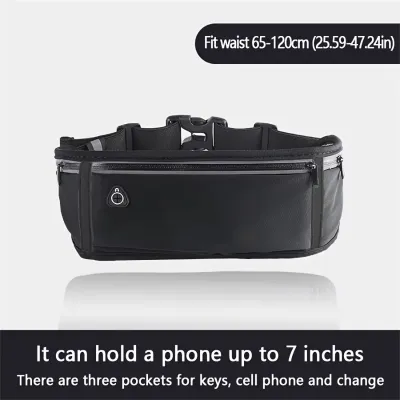
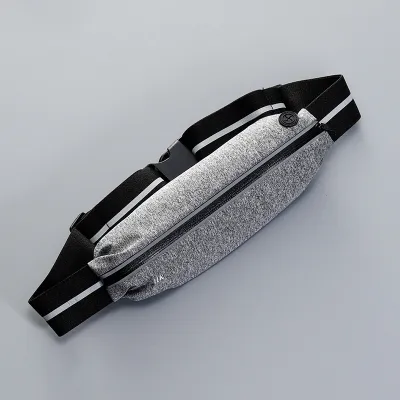
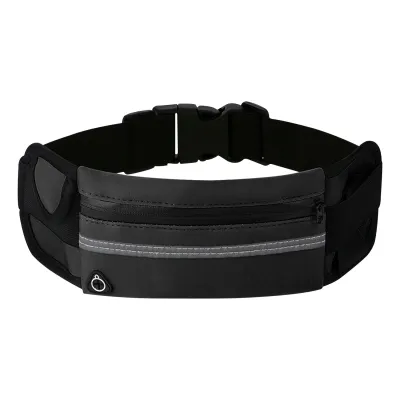
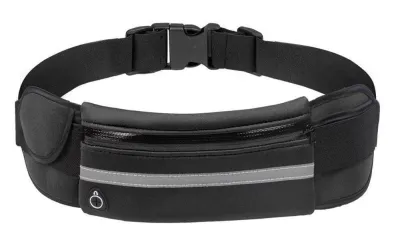
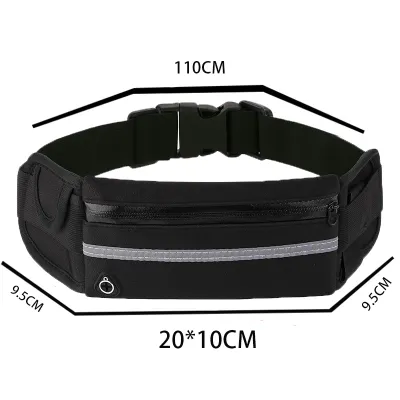


Prices are valid at publication and may change. Please refer to the product page for the latest price.
Anatomical differences in the chest area also present unique fit challenges. Unisex packs typically feature straight vertical straps that press directly across the bust. To prevent the pack from bouncing, runners are often forced to pull these straps tight, which compresses the chest and restricts deep, diaphragmatic breathing. This restriction limits oxygen intake, directly hindering athletic performance and making high-intensity efforts feel significantly harder.
Furthermore, the friction caused by an ill-fitting bag is a primary cause of skin irritation. In tropical climates with high humidity, sweat dries into abrasive salt crystals on the skin. If a pack bounces or sways—even slightly—it acts like sandpaper against your shoulders, ribs, and lower back. Transitioning to a women-specific design is not about aesthetics; it is a functional necessity that improves biomechanical efficiency, protects your skin from severe chafing, and ensures your lungs can expand fully with every breath.
Key Fit and Comfort Features to Evaluate
When researching or trying on a running bag, you must look beyond general sizing labels and inspect the specific physical components of the harness system. High-quality designs allow for micro-adjustments to customize the fit to your body shape.

Strap Configuration and Chest Clearance
Standard straight shoulder straps are highly prone to pinching and rubbing sensitive tissue. Instead, look for contoured or S-curved shoulder straps. These are pre-shaped to curve outward and around the chest area, routing the weight of the pack smoothly over the shoulders and down the sides of the ribs without applying direct pressure to the bust.
Additionally, evaluate the sternum or chest straps. A high-quality running bag should feature adjustable sternum straps mounted on a sliding rail system. This allows you to slide the chest buckles up or down to find a comfortable position—typically above or below the bust line—rather than directly across it. Look for elasticized chest straps that stretch dynamically as you breathe, ensuring the pack remains snug during exhalation without restricting your chest during deep inhalations.
Finally, inspect the edges of the straps. The binding material should be incredibly soft, seamless, or padded with premium micro-fleece or smooth mesh. Any rough stitching or stiff piping along the inner edge of the strap will quickly cause friction burns against your collarbones or underarms, especially when wearing a sleeveless running singlet.
Torso Length and Hip Belt Alignment
Because women generally have shorter torso lengths relative to their overall height, a standard unisex pack can sit too low on the back. A pack that is too long will sag, causing the bottom of the bag to bounce against your lower back or glutes. This vertical movement destabilizes your center of gravity and can lead to lower back pain. Look for brands that offer specific “short” torso sizing or harness systems with adjustable shoulder yokes that let you shorten the back panel.
If you are choosing a larger-capacity trail pack or a running belt, pay close attention to the hip belt alignment. A properly positioned hip belt should rest securely on the iliac crest (the top of your hip bones). This anatomical placement transfers the weight of your hydration and gear directly to your strong lower body, relieving pressure on your shoulders and spine.
Verify that the hip belt features wide, cushioned wings that wrap comfortably around your hips. The buckle system should be offset or heavily padded so that it does not dig into your abdomen when you bend forward or take long, steep strides on uphill climbs.
Storage Layout and Capacity for Your Running Needs
Your running bag should act as an extension of your body, keeping essential gear organized, balanced, and instantly accessible without requiring you to stop or remove the pack.
Hydration Systems: Vests vs. Belts
How you carry water is the most critical factor in determining the structure of your running bag. The choice between front-loaded soft flasks and rear hydration bladders depends on your typical running distance and personal comfort preferences.
- Front Soft Flasks: Many women's running vests place two flexible soft flasks (typically 250ml to 500ml each) in pockets high on the shoulder straps. This front-loaded system distributes weight evenly between your front and back, preventing the pack from pulling you backward. It also allows you to monitor your water consumption easily and refill quickly at aid stations. Some women-specific vests utilize shorter, wider flasks that sit lower on the ribcage to avoid resting directly on the chest.
- Rear Hydration Bladders: For long-distance trail runs where water sources are miles apart, a rear-mounted hydration bladder (typically 1.5 to 2 liters) provides the necessary capacity. When evaluating a bladder-compatible pack, check for a secure sleeve that holds the reservoir tightly against your back to prevent sloshing. The pack must also feature a reliable hose routing system with magnetic clips or shoulder loops to keep the drinking tube from bouncing and hitting your face.
- Running Belts: For short, fast workouts under an hour, a minimal running belt that holds a single small flask or sits snugly around your waist is often sufficient. It keeps your upper body completely free and cool, which is highly advantageous in hot weather.
Pocket Placement and Bounce Prevention
An efficient storage layout ensures that your most frequently used items are within arm’s reach. Look for deep-stretch mesh pockets or secure zippered compartments on the front and sides of the harness. These pockets should easily accommodate your smartphone, energy gels, salt tablets, and a small trash pouch.
As you run and consume your water and nutrition, the volume inside your pack decreases. Without adjustment, this empty space allows the remaining gear to shift and bounce. To prevent this, choose a pack equipped with rear compression straps or an external zigzag bungee system. These features allow you to cinch down the main compartment as it empties, keeping the load pressed flat against your spine.
If you plan to run on technical mountain trails, check for specialized external attachments. Dedicated trekking pole loops or elastic carry cords allow you to stow your poles quickly when they are not in use. Some packs also feature integrated safety whistle clips, which are highly recommended for remote trail running.
Material and Weather Considerations for Tropical Climates
Running in hot and highly humid tropical environments, such as the Philippines, presents distinct challenges. High ambient temperatures and heavy humidity mean your body will sweat profusely to cool down, and your gear must be designed to handle these conditions.
First, prioritize back panels constructed from highly breathable 3D air mesh. This open-weave fabric creates a physical gap between your back and the main body of the pack, facilitating continuous airflow and helping to dissipate body heat. Avoid packs with solid nylon back panels, as they trap heat and sweat against your spine, which can rapidly raise your core temperature.
Second, ensure the straps and inner linings are made from advanced moisture-wicking, quick-dry synthetic materials. If a pack absorbs moisture rather than shedding it, it will quickly become heavy, waterlogged, and prone to stretching out of shape. Quick-dry fabrics also dry faster after a sudden tropical rain shower, preventing the material from remaining damp and causing chafing over long hours on the road.
Because your running bag will inevitably absorb sweat and body oils, check the manufacturer’s care instructions. Look for materials that are machine-washable or easy to rinse by hand. Regular washing is essential to remove abrasive salt buildup and prevent the growth of odor-causing bacteria.
Safety is another critical factor. If you prefer to run during the cooler hours of the early morning or late evening, visibility is paramount. Choose a bag that features high-visibility reflective elements on both the front and back panels. This ensures you remain visible to motorists and cyclists along poorly lit urban roads or dark trailheads.
How to Diagnose Your Ideal Running Bag Setup
Finding the perfect running bag requires a systematic self-assessment. Before making a purchase, guide your decision by evaluating your specific running habits and performing a physical fit test.
1. Assess Your Distance and Gear Needs
- Short Runs (Under 1 Hour): A lightweight running belt or a minimal 2-liter hydration vest is ideal. You only need space for a phone, keys, and a small amount of water.
- Medium Runs (1 to 3 Hours): A 5-liter to 8-liter running vest provides the perfect balance. This capacity easily holds two 500ml front flasks, nutrition, a lightweight windbreaker, and emergency supplies.
- Long Runs or Trail Ultras (3+ Hours): Opt for a 10-liter to 12-liter pack. This size accommodates a rear hydration bladder, extra apparel, a first-aid kit, and mandatory trail gear.
2. Perform the “Loaded” Fit Test Never evaluate a running bag when it is empty. Fill the hydration flasks or bladder to their maximum capacity and pack the pockets with the actual gear you plan to carry, such as your phone, keys, and nutrition. The weight of the water and gear changes how the fabric stretches, how the straps sit on your shoulders, and how the pack balances on your torso.
3. Conduct a Dynamic Movement Check Put on the fully loaded pack and stand in front of a mirror. Perform the following movements to evaluate the fit:
- Arm Swings: Swing your arms in a running motion. Do your elbows or inner arms rub against the sides of the pack or the hydration flasks?
- Deep Breathing: Take several deep, exaggerated breaths. Do the chest straps restrict your ribcage, or do they stretch comfortably with your breathing?
- Torso Twists: Twist your upper body from side to side. Does the pack remain locked to your spine, or does it sway and shift across your back?
- High Knees: Jog in place or perform a few high knees. Does the pack bounce vertically, or does it ride up and hit the back of your neck?
4. Follow the Decision Path If you experience immediate pinching, restricted breathing, or strap slippage during your movement check, do not assume the pack will break in over time. Adjust the sliding sternum rails or side compression straps first. If the discomfort persists, you may need to size down, look for a model with adjustable torso length, or try a different brand’s anatomical cut. Investing in a pack that fits your body perfectly ensures a comfortable, distraction-free running experience.
Frequently Asked Questions (FAQ)
Can women use unisex or men's running vests?
Yes, women can use unisex running vests, but they may require more trial and error to achieve a proper fit. Because unisex vests are typically designed with wider shoulder spacing and longer torso cuts, smaller-framed runners may experience strap slippage or lower-back bouncing. If you choose a unisex model, ensure it features highly adjustable side compression straps and a vertical rail system for the chest straps so you can customize the fit around your chest and torso.
How tight should a running vest feel when fully loaded?
A fully loaded running vest should feel snug and secure, similar to a firm hug, but it should never feel restrictive. You should be able to take a full, deep breath without feeling tight pressure on your ribs, and the shoulder straps should not pinch your neck or collarbones. If the pack shifts side-to-side when you twist your torso, or if it bounces when you jog in place, tighten the side adjustments. If tightening the straps restricts your breathing, the pack may be too small or improperly shaped for your body.
Community discussion
Share your experience or ask a question. Comments are reviewed before publication.