
When shopping for a basketball, you will often see a prominent stamp that reads “FIBA-Approved.” This certification means the basketball has undergone rigorous laboratory testing by the International Basketball Federation (FIBA) to ensure it meets strict global standards for size, weight, bounce, roundness, and material durability. For players, coaches, and league organizers, this mark is a guarantee of consistent performance, ensuring that the ball you practice with behaves exactly like the one used in official tournaments.
Choosing a certified ball is especially important if you are preparing for competitive play. A certified ball ensures that your shooting mechanics, dribbling rhythm, and passing accuracy transfer seamlessly from your local court to official league games. Understanding these specifications helps you avoid low-quality replicas and select a ball that matches your playing environment and skill level.
Understanding the FIBA Approval Mark and Certification Levels
To identify an authentic FIBA-approved basketball, look for the official certification logo printed directly on the ball’s surface. This mark is typically located near the inflation valve or alongside the brand logo. The print should be sharp, clear, and perfectly aligned; blurry edges or misaligned text are common indicators of counterfeit products.
Products mentioned in this guide
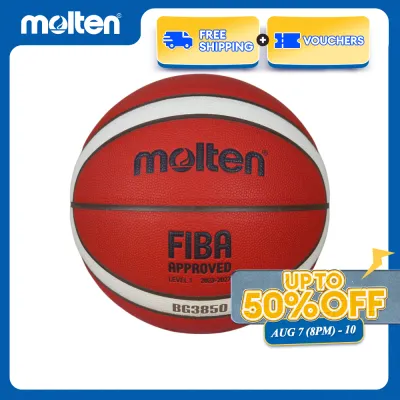
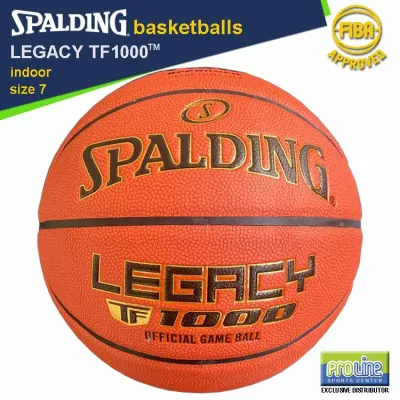
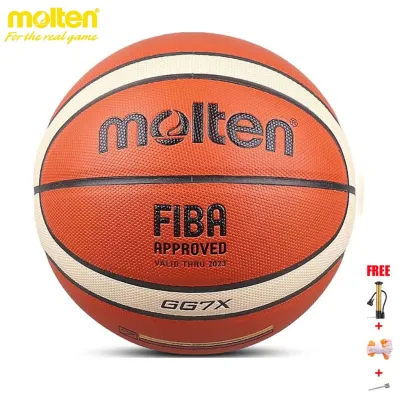
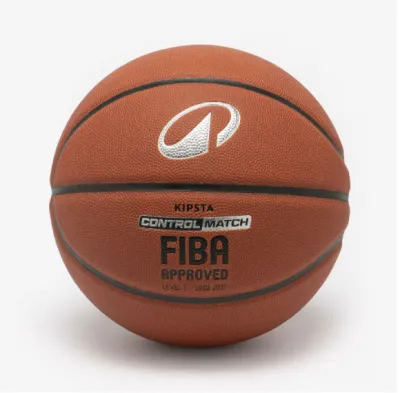
Prices are valid at publication and may change. Please refer to the product page for the latest price.
FIBA categorizes its approved equipment into different levels based on the competition tier. Level 1 approval is reserved for elite international competitions, such as the FIBA World Cup and the Olympic Games. Level 2 and Level 3 approvals are designed for national, regional, and youth league play. While all levels meet strict quality standards, Level 1 balls are subjected to the most demanding testing protocols for consistency and material premium.
Because counterfeit logos are common on online marketplaces, you should always verify the manufacturer’s official specifications before making a purchase. Genuine manufacturers list their certified models on their official websites, and you can cross-reference these model numbers with the official FIBA equipment database to ensure the certification is active and valid.
Decoding Basketball Sizes and Weight Categories
Selecting the correct basketball size is critical for developing proper shooting form and ball-handling skills. FIBA-approved balls are divided into three standard sizes, each tailored to specific age groups and genders:

- Size 7 (Men's Official): This is the standard size for male players aged 15 and older. It has a circumference of 75 to 77 centimeters and a weight range of 567 to 650 grams.
- Size 6 (Women's Official & Youth): Used in women's competitive leagues (ages 12 and up) and youth boys' divisions (ages 12 to 14). It measures 72 to 74 centimeters in circumference and weighs between 510 and 567 grams.
- Size 5 (Youth): Designed for junior players aged 9 to 11. It has a circumference of 69 to 71 centimeters and weighs between 470 and 500 grams.
Before buying, verify the weight and circumference specifications printed on the ball or its packaging. Playing with a ball that is too heavy can strain young shoulders and ruin shooting mechanics, while a ball that is too light can make it difficult to transition to standard league play later on.
Proper weight distribution is also essential. A certified ball must be perfectly balanced so that it does not wobble mid-air during a shot. This balance ensures a predictable backspin, which is crucial for soft bounces off the rim and consistent shooting accuracy.
Material and Surface Requirements for Different Courts
The playing surface dictates which basketball material you should choose. FIBA-approved balls are manufactured using three primary materials, each offering distinct advantages and trade-offs depending on the court environment:
- Full-Grain Leather: This premium material is designed exclusively for indoor wooden courts. Genuine leather balls require a break-in period, during which the surface absorbs natural hand oils and becomes softer and grippier over time. However, they are highly sensitive to moisture and dust, making them unsuitable for humid outdoor environments.
- Composite Leather: Highly versatile and popular, composite leather mimics the feel of genuine leather but offers immediate grip without a break-in period. It handles moisture and sweat exceptionally well, making it a great choice for indoor multi-purpose courts. While durable, composite balls will wear down faster if used constantly on rough outdoor concrete.
- Rubber: Engineered for outdoor concrete or asphalt courts, rubber balls offer maximum durability and weather resistance. They are highly resilient against high heat and humidity. Look for deep pebbling on the rubber surface to maintain a secure grip even when the ball collects dust from the outdoor ground.
Bounce, Grip, and Performance Checks Before You Buy
If you are purchasing a basketball from a physical sporting goods store, you can perform a few quick tactile and visual checks to verify its quality before heading to the cashier. First, run your fingers along the seams. The channels should be uniform in depth and width, typically between 5 and 6.3 millimeters, allowing your fingertips to find natural leverage for shooting and passing.
Next, perform a standard drop test to check the ball’s bounce consistency. Inflate the ball to the manufacturer’s recommended pressure, which is usually printed near the inflation valve (typically between 7 and 9 PSI). Drop the ball from a height of 1.8 meters, measured from the bottom of the ball, onto a solid wooden floor. A certified ball should rebound to a height of approximately 1.2 to 1.4 meters, measured to the top of the ball.
Inspect the inflation valve carefully. Apply a tiny drop of water or soapy water to the valve; if bubbles form, the valve is leaking air, and the ball should be rejected. Additionally, roll the ball slowly across a flat table. If it veers off course or wobbles, the internal bladder may be misaligned, which will cause unpredictable bounces during a game.
Simplifying Your Decision: Which Specs Actually Matter?
When comparing different basketball models within your ₱ budget, it is easy to get distracted by flashy colorways, player endorsements, or complex marketing jargon. To get the best value for your money, prioritize the core dimensions, material composition, and official certification marks over cosmetic designs.
Filter out non-essential marketing claims like “unlimited grip life” or “aerodynamic channel technology.” Instead, focus on verifiable specifications: check if the material is suited for your primary court type (indoor vs. outdoor) and confirm that the size matches your league’s requirements. A high-quality composite leather ball often provides the best balance of price, durability, and performance for most players in the Philippines.
Always perform a final verification of the seller’s return policy. If you order online and the ball arrives with uneven seams, a slow air leak, or a warped shape, you should be able to exchange it immediately. Investing in a properly certified, well-constructed basketball ensures your training sessions are productive and your game-day performance remains consistent.
Frequently Asked Questions (FAQ)
Can I use an indoor FIBA-approved leather basketball on outdoor courts?
No, you should never use a genuine leather basketball on outdoor courts. Rough concrete and asphalt surfaces act like sandpaper, quickly scraping away the premium leather outer layer and permanently ruining the grip. Outdoor dirt, dust, and moisture will also clog the leather’s pores, causing the ball to harden, warp, and lose its natural bounce. Using an indoor ball outdoors will void the manufacturer’s warranty.
How do I know if a basketball is genuinely FIBA-certified and not a replica?
To ensure a basketball is genuinely certified, inspect the FIBA logo for crisp, high-quality printing and check for a holographic security sticker on the packaging. Avoid buying from unverified online sellers offering prices that are significantly lower than retail value. You can also verify the authenticity by checking the exact model number on the official FIBA approved equipment website to confirm it is a registered product.
Community discussion
Share your experience or ask a question. Comments are reviewed before publication.