
Embarking on your first fishing trip is an exciting milestone, but stepping into a tackle shop can quickly feel overwhelming. With hundreds of options lining the walls, finding the right gear requires cutting through the technical jargon. For a complete beginner, the ideal starting point is a medium-power, fast-action spinning rod measuring between 6.5 and 7 feet. This specific configuration offers a forgiving learning curve, excellent versatility across different environments, and the physical feedback needed to master basic casting mechanics.
By focusing on a setup that minimizes equipment frustration, you can dedicate your energy to learning how to read the water, handle fish safely, and enjoy the outdoor experience.
Why a Spinning Rod Is Usually the Best First Choice
When selecting your first rod, the reel style it pairs with dictates your entire experience on the water. Fishing rods are designed specifically for either spinning reels or baitcasting reels. For novices, a spinning rod—where the reel hangs underneath the rod and the line flows freely off an open spool—is almost always the superior choice.
Products mentioned in this guide
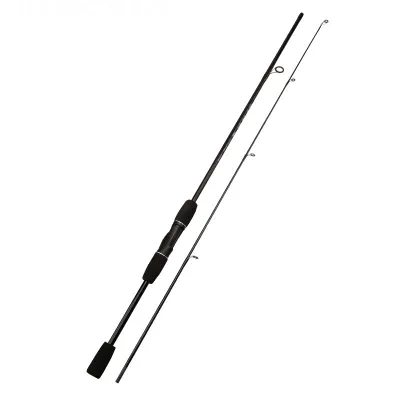
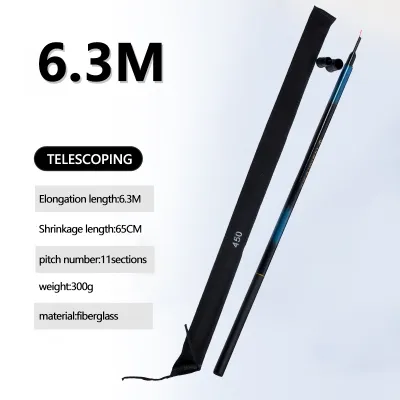
Prices are valid at publication and may change. Please refer to the product page for the latest price.
Baitcasting setups require you to use your thumb to manually control the speed of the spinning spool during a cast. If your timing is off by a fraction of a second, the spool spins faster than the line can exit, resulting in a tangled mess known as a backlash. Clearing these tangles can take up valuable fishing time and easily ruin a beginner’s day. Spinning rods, by contrast, allow the line to uncoil naturally with virtually zero risk of backlashes, making them incredibly forgiving even in windy conditions.
Furthermore, spinning setups are highly versatile. They excel at casting lightweight lures, live bait, and basic float rigs. Whether you are targeting freshwater species in a local pond or casting from a coastal pier, a spinning rod provides the adaptability you need to explore different styles of fishing before committing to specialized gear.
Diagnose Your Fishing Environment and Target Species
Before purchasing any equipment, you must analyze where you plan to fish and what you hope to catch. Fishing gear is highly situational, and matching your rod to your environment prevents premature gear failure and physical strain.

First, consider your physical surroundings. If you plan to fish from a crowded pier, a narrow local boat like a bangka, or a riverbank thick with overhanging trees, a long rod will be difficult to maneuver. Conversely, if you are casting from an open sandy beach, you will need a longer rod to push your bait past the breaking waves. For most beginners in the Philippines, a mix of shore, pier, and light boat fishing is common, making a moderate length the most practical compromise.
Second, evaluate the water chemistry. Tropical climates and coastal environments introduce high levels of humidity and salt, which accelerate corrosion. If your first trip involves brackish estuaries or coastal saltwater, you must look for a rod built with corrosion-resistant components. Standard metal guides will rust rapidly if exposed to salt spray, so verifying that the guide frames and reel seats are made from treated aluminum, stainless steel, or composite materials is essential.
Finally, estimate the size of your target species. Beginners often start by targeting species like tilapia, milkfish, or local catfish in freshwater, or small groupers and snappers near coastal structures. These fish do not require heavy-duty ocean rods. A rod designed for light to medium species ensures you can feel the subtle bites of smaller fish while still possessing enough backbone to control a larger surprise catch.
Decoding Rod Specifications for Beginners
Understanding the technical labels printed on a rod blank allows you to make an informed decision without relying solely on a salesperson’s recommendation. Three primary specifications define how a rod performs: length, power, and action.
Rod length directly influences your casting distance and leverage. Rods generally range from 5 to over 8 feet. A shorter rod (under 6 feet) provides excellent accuracy and leverage when pulling fish out of tight cover, but limits how far you can cast. A longer rod (over 7.5 feet) maximizes casting distance but can feel unwieldy for a beginner. A length of 6.5 to 7 feet strikes the perfect balance, offering sufficient casting distance while remaining easy to control.
Power ratings describe the rod’s resistance to bending under load, ranging from Ultra-Light to Heavy. For your first purchase, a Medium power rating is highly recommended. Ultra-light rods bend easily and are excellent for tiny panfish, but they lack the strength to cast heavier baits or handle a larger fish. Heavy rods are stiff and lack the sensitivity required to feel gentle nibbles. A medium-power rod handles a wide range of bait weights and provides the necessary lifting strength for most common species.
Action refers to where the rod blank bends when pressure is applied. Fast-action rods bend primarily in the top third of the blank, near the tip. This design offers high sensitivity, allowing you to feel vibrations through the line, and facilitates quick hook sets. Moderate-action rods bend down into the middle section, providing a more forgiving cushion that absorbs the shock of a jumping fish, which helps prevent the hook from tearing free. For general bait and lure fishing, a fast or moderate-fast action provides the best overall feedback.
Setting a Realistic Budget for Your First Setup
You do not need to spend a small fortune to get started in fishing. For a beginner, setting a realistic budget of ₱1,500 to ₱3,500 is a practical range that secures durable, reliable equipment without overinvesting in features you do not yet need.
One of the smartest ways to maximize your budget is to purchase a pre-matched rod-and-reel combo. Manufacturers design these packages so that the weight, line capacity, and power of the reel perfectly complement the specifications of the rod. Buying a combo is typically much cheaper than purchasing the rod and reel separately, and it eliminates the risk of buying mismatched components.
If you do choose to buy your gear separately, prioritize your spending on the reel rather than the rod blank. A basic fiberglass or composite rod is incredibly tough and highly forgiving of beginner mistakes, such as accidental drops. A cheap, poorly made reel, however, is prone to gear alignment issues and sticky drag systems that can snap your line when a fish runs. Allocating a slightly larger portion of your budget to a reel with smooth operation and a reliable drag system will yield a much better experience on the water.
At this stage, skip premium features like high-modulus carbon fiber blanks, custom cork grips, or specialized micro-guides. These materials are designed for advanced anglers seeking extreme weight reduction and sensitivity, but they are fragile and significantly increase the cost.
Final Inspection Checklist Before You Buy
Before finalizing your purchase, whether in a physical tackle shop or upon receiving an online delivery, perform a thorough physical inspection to ensure the rod is free of manufacturing defects.
First, check the guide ring alignment. Assemble the rod sections and hold it at eye level, looking down the blank from the reel seat to the tip guide. All the guide rings must align in a perfectly straight line. Any misalignment will create friction during casts, reducing your distance and causing manual line wear.
Second, inspect the ceramic inserts inside the guide rings. Run a cotton swab or your fingernail gently along the inside of each ring. The inserts must be completely smooth. If you feel any chips, cracks, or sharp edges, reject the rod; even a microscopic crack can easily fray and snap your fishing line when fighting a fish.
Third, test the structural integrity of the rod blank. Place the rod tip gently against a flat, non-slip surface and apply light downward pressure to flex the blank. Listen closely for any creaking, popping, or clicking sounds, which can indicate internal delamination or manufacturing flaws. Inspect the surface of the blank for uneven resin pools, deep scratches, or micro-cracks.
Finally, evaluate the grip and reel seat. Mount a reel to the seat and tighten the locking nut. The reel must sit firmly with absolutely no side-to-side wobble. Ensure the grip material—whether EVA foam or cork—is securely bonded to the blank without any loose edges. Lastly, verify the retailer’s return policy or the manufacturer’s warranty terms so you are covered if an undetected defect reveals itself on your first outing.
Frequently Asked Questions (FAQ)
Can I use a standard freshwater rod for occasional saltwater trips?
Yes, but you must take immediate maintenance steps to prevent permanent damage. Freshwater rods lack the specialized corrosion-resistant coatings found on saltwater gear, meaning the guide frames, reel seats, and metal components will rust quickly when exposed to salt and humidity. If you use freshwater gear in saltwater, rinse the entire rod thoroughly with fresh, running water immediately after your trip, dry it completely with a soft cloth, and apply a light protective lubricant to any metal parts.
What is the most versatile rod length for a complete beginner?
A rod length of 6 feet 6 inches to 7 feet (approximately 2.0 to 2.1 meters) is the most versatile option. This length provides a balanced middle ground, offering enough casting distance to reach fish from the shore or a pier while remaining short enough to handle easily in tight spaces, under overhanging trees, or on a small boat.
Should I buy a one-piece or two-piece rod for my first trip?
For most beginners, a two-piece rod is the most practical choice. While a one-piece rod offers slightly better sensitivity and a seamless bend profile, transporting a 7-foot single-piece rod in a car, on a motorcycle, or on public transport can be incredibly challenging. A two-piece rod breaks down easily for convenient transport and storage, and modern ferrule designs ensure that the performance difference is virtually unnoticeable to a beginner.
Community discussion
Share your experience or ask a question. Comments are reviewed before publication.