
Starting your golf journey is an exciting step, but walking into a pro shop or browsing online stores can quickly become overwhelming. The sheer variety of clubs, shafts, and technical jargon often leads new players to believe they need to invest in a massive, expensive set of equipment right away. However, the reality of learning golf is quite different.
To build a consistent swing and truly enjoy the game, a beginner in the Philippines does not need a full 14-club set. Starting with a streamlined, highly forgiving configuration of 7 to 10 clubs is the most practical and cost-effective approach. This simplified setup allows you to focus on mastering your swing mechanics without the confusion of too many club choices, while also keeping your initial budget manageable.
Assessing Your Golf Commitment Before Buying
Before spending tens of thousands of pesos on golf equipment, it is essential to evaluate your commitment level and playing frequency. Many eager beginners purchase premium, advanced sets only to have them gather dust in a closet after a few visits to the driving range. If you are still testing the waters, renting clubs at a local driving range or borrowing from a friend is a highly sensible way to start.
Products mentioned in this guide
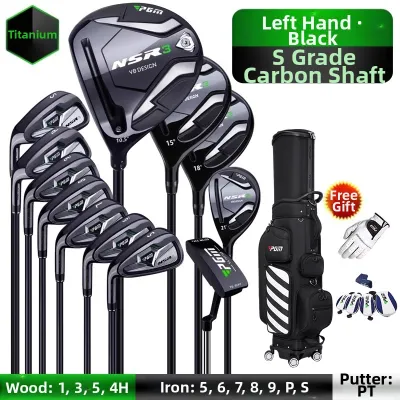
Prices are valid at publication and may change. Please refer to the product page for the latest price.
Once you transition from casual range sessions to practicing or playing at least two to four times a month, owning a personal set becomes highly beneficial. At this stage, a “half-set” or dedicated starter configuration is far more appropriate than a full, high-end bag. A smaller set of clubs is lighter to carry, easier to manage, and significantly cheaper.
Establishing a realistic budget in Philippine Pesos (PHP) is key to avoiding buyer’s remorse. High-quality beginner starter sets typically range from ₱15,000 to ₱35,000. It is important to understand that expensive, tour-level clubs designed for low-handicap players will not correct a fundamental slice or hook. In fact, advanced clubs with smaller sweet spots are highly unforgiving and will likely hinder your progress. Investing your budget into professional coaching or more range balls will yield far better results than buying premium clubs early on.
The Essential Club Configuration for Beginners
Carrying fewer clubs simplifies your decision-making on the course. Instead of debating between three different clubs for a single shot, a streamlined bag forces you to focus on clean contact and basic distance control. A beginner’s bag should consist of versatile, highly forgiving options designed to get the ball airborne easily.

Woods and Hybrids for Forgiveness
While the driver is often the most appealing club in the bag, its long shaft and low loft make it incredibly difficult for a beginner to hit consistently. Off the tee, starting with a 3-wood or 5-wood is often much easier. The higher loft of a fairway wood helps launch the ball into the air, and the shorter shaft provides better control over your swing path.
Additionally, traditional long irons—such as the 3, 4, and 5 irons—should be replaced with hybrids. Hybrids combine the head shape of a wood with the shaft length of an iron. They feature a wider sole that glides smoothly over the grass, making them exceptionally forgiving on off-center hits and much easier to hit out of the rough compared to long irons.
Irons and Wedges for Control
Your core iron setup should focus on mid-to-short irons, specifically a 7-iron, 8-iron, 9-iron, and a Pitching Wedge (PW). Look for “game-improvement” or cavity-back irons. These clubs feature a hollowed-out back design that distributes weight to the perimeter of the club head, creating a larger sweet spot that minimizes distance loss on mishits.
Aside from your standard irons, a Sand Wedge (SW) is an indispensable tool. Typically featuring 54 to 56 degrees of loft, a sand wedge is designed with a wide sole (known as bounce) that prevents the club from digging too deeply into the ground. This design is crucial for escaping greenside bunkers and navigating thick rough around the greens.
Finding the Right Putter
Because putting accounts for nearly half of your strokes during a round, selecting the right putter is critical. For beginners, a mallet-style putter is generally superior to a classic blade design. Mallet putters have larger, heavier heads that offer greater stability during the stroke, along with prominent alignment lines that help you visualize your target path.
When shopping for a putter, prioritize physical comfort, alignment visibility, and personal feel over brand prestige or high price tags. The best putter is simply the one that helps you aim consistently and feel confident on the green.
Matching Shaft and Grip Specs to Your Swing and Climate
Choosing the correct physical specifications for your clubs is essential for developing proper form and preventing fatigue, especially when playing in tropical conditions.
Shaft Flex and Material
Shafts act as the engine of the golf club, and choosing the right material and flexibility depends heavily on your physical strength and swing speed. Beginners with average swing speeds generally benefit from graphite shafts in their woods and hybrids. Graphite is lightweight, which helps generate more clubhead speed and launch the ball higher.
For irons, lightweight steel shafts are a popular choice because they provide excellent feedback and control, though graphite remains a great option if you prefer a softer feel or want to reduce impact stress on your joints. Most beginners should opt for “Regular” (R) flex shafts. Avoid “Stiff” (S) shafts unless you have a naturally high swing speed from playing other high-impact sports, as a shaft that is too stiff will cause your shots to fly low and fade to the right.
Club Length and Lie Angle
Standard off-the-rack clubs are designed to fit players of average height, typically between 5’7″ and 6’1″. If your height falls outside this range, it is important to consult a basic static fitting chart before purchasing. Playing with clubs that are too long or too short forces you to alter your natural posture, which can lead to bad swing habits and physical discomfort.
Grip Selection for Tropical Weather
The climate in the Philippines presents unique challenges for golfers. High humidity, intense tropical heat, and sudden downpours can make standard rubber grips incredibly slippery. When your hands sweat or the grips get wet, you are forced to hold the club tighter, which creates tension in your forearms and ruins your swing tempo.
To maintain control, verify that your clubs are fitted with moisture-wicking, corded, or high-traction all-weather grips. Corded grips incorporate fabric fibers that provide excellent traction even when wet. Synthetic polymer grips designed specifically for wet conditions are also highly effective. Always remember to wipe your grips down with a clean, damp towel after a humid round to remove sweat, dirt, and skin oils, ensuring they remain tacky for your next game.
Smart Purchasing Paths: Box Sets, New, and Secondhand
Acquiring your first set of clubs does not have to break the bank. There are several smart purchasing strategies available to beginner golfers in the Philippines.
Beginner Box Sets
All-in-one beginner box sets are highly popular because they offer extreme convenience. These packages typically include a driver, a fairway wood, a hybrid, a few irons, a wedge, a putter, and a golf bag. They take the guesswork out of assembling a set and are highly cost-effective.
However, there are trade-offs to consider. While box sets are excellent for your first year or two, the materials used may be less durable than premium individual clubs, and the shafts are often highly generic. As your swing speed increases and your technique improves, you may find yourself needing to upgrade these clubs sooner than expected.
Buying Secondhand or Previous-Year Models
Purchasing secondhand clubs or previous-year models is one of the smartest ways to get high-quality equipment on a budget. You can often purchase a used, premium set from a top-tier manufacturer for the same price as a new, entry-level box set. Local golf club pro shops, driving ranges with retail corners, and reputable online marketplaces are excellent places to find used gear in the Philippines.
Inspection Checklist for Used Clubs
When buying secondhand equipment, always perform a thorough physical inspection to ensure the clubs are in good playing condition:
- Club Faces and Grooves: Check the hitting surface of the irons and wedges. The grooves should be clean, distinct, and free of excessive wear or deep gouges that could affect ball control.
- Shaft Integrity: Inspect graphite shafts closely for hairline cracks, vertical splinters, or deep scratches. For steel shafts, roll the club on a flat surface to verify that the shaft is perfectly straight and free of rust.
- Grip Condition: Examine the grips to see if they are cracked, slick, or shiny. While worn grips can be easily replaced, factor the cost of regripping (which can range from ₱300 to ₱800 per club) into your overall purchase budget.
- Authenticity Check: Be cautious of counterfeit clubs when buying online. Compare serial numbers, font styles, and paint details with official manufacturer photos to ensure you are buying genuine equipment.
Frequently Asked Questions (FAQ)
How many golf clubs does a beginner actually need?
While the official rules of golf allow a player to carry up to 14 clubs in their bag, a beginner only needs 7 to 10 clubs to play effectively. A highly practical starter setup includes a 5-wood or 4-hybrid, a 7-iron, 8-iron, 9-iron, Pitching Wedge, Sand Wedge, and a putter. This streamlined selection simplifies your decision-making on the course, lightens your bag, and helps you focus on developing a consistent swing tempo.
Should I get custom-fitted clubs as a beginner?
For absolute beginners, a professional custom fitting is generally unnecessary and can be an premature expense. Because your swing mechanics, posture, and release timing will change rapidly during your first few months of practice, a club fitted to your initial swing may not suit you once your form stabilizes. It is best to start with standard, forgiving off-the-rack clubs and consider a custom fitting once your swing becomes consistent and repeatable.
Do I need a golf bag and other accessories right away?
To start playing, you will need a lightweight stand bag or carry bag to transport your clubs comfortably. For accessories, keep it simple: a durable golf glove for your lead hand is essential to prevent blisters and maintain a secure grip in humid weather. You will also need wooden tees, a pitch-mark repair tool, and a dozen low-compression, inexpensive golf balls. Premium accessories like rangefinders, GPS watches, and specialized golf shoes can easily wait until you are playing full rounds regularly.
Community discussion
Share your experience or ask a question. Comments are reviewed before publication.