
Starting golf can feel overwhelming when walking into a pro shop filled with hundreds of specialized clubs, high-tech gadgets, and complex training aids. The common assumption is that you need a complete, professional-grade setup to even begin learning. However, over-investing in equipment early on can actually hinder your progress and lead to unnecessary expenses. For a beginner, the right approach to acquiring golf training equipment is to focus on a minimal, highly functional set of tools that allow you to develop a consistent swing without distraction.
Assessing Your Starting Point: Do You Need a Full Setup Right Away?
Before spending thousands of pesos on a brand-new set of clubs, evaluate your current commitment level and physical readiness. If you only plan to visit the driving range once or twice a month with friends, your equipment needs are vastly different from someone committed to weekly professional lessons and regular 18-hole rounds. A simple self-assessment based on your planned playing frequency can save you a significant amount of money and frustration during your first few months.
For your first three to five sessions, renting or borrowing clubs is almost always the smartest decision. Most driving ranges and golf courses in the Philippines offer affordable club rentals, allowing you to get a feel for the swing mechanics without any upfront financial commitment. This trial period gives your hands, wrists, and core muscles time to adjust to the unique physical demands of the golf swing, reducing the risk of strain before you commit to the sport.
Products mentioned in this guide
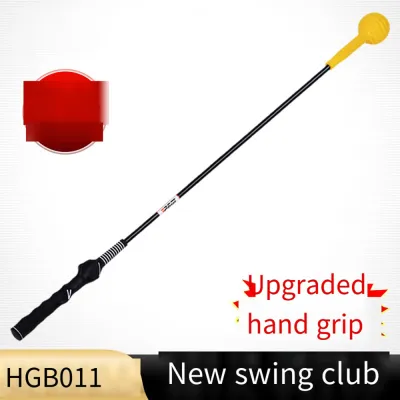
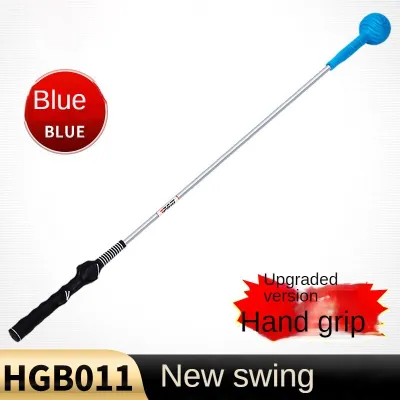
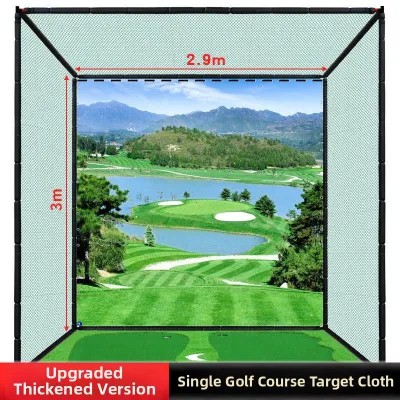


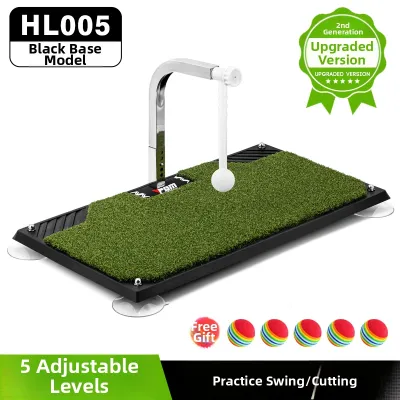
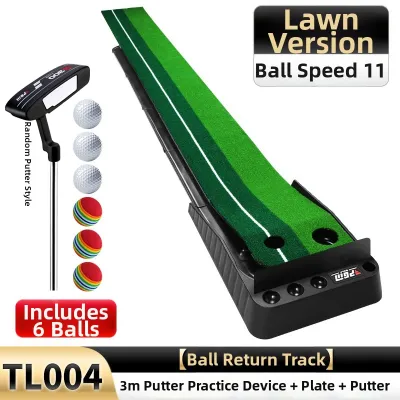
Prices are valid at publication and may change. Please refer to the product page for the latest price.
A common mistake among beginners is purchasing a premium, stiff-shafted driver or a complex set of low-loft irons before understanding their natural swing speed and tendencies. Your swing will undergo dramatic changes during your first few months of practice as you build muscle memory and coordination. Buying expensive gear too early often results in owning clubs that do not match your developing swing profile, forcing you to either adapt your technique to the wrong equipment or replace the clubs entirely within a year.
The Non-Negotiable Essentials: What You Must Have to Start
Once you decide to transition from casual range visits to regular practice, you will need to assemble a “minimal viable golf bag.” This concept focuses on acquiring only the absolute essentials required to practice effectively and play casual rounds safely. By stripping away non-essential gear, you can focus entirely on learning the fundamentals of contact, alignment, and tempo.

When selecting your initial gear, prioritize forgiveness, durability, and basic functionality over professional-grade specifications or brand prestige. Beginners benefit most from clubs designed with larger sweet spots and perimeter weighting, which help keep off-center hits airborne and reasonably straight. Your goal at this stage is to build confidence through consistent, clean contact with the ball.
Clubs: Why a Half-Set or Starter Set is Enough
A standard golf ruleset allows a player to carry up to 14 clubs, but a beginner will find this variety confusing and physically exhausting. Carrying a full bag leads to decision paralysis on the course, as you struggle to choose between adjacent irons when your distance control is still highly variable. A streamlined half-set of 6 to 8 clubs simplifies your choices, allowing you to focus on executing the shot rather than overthinking the club selection.
An ideal beginner starter configuration consists of a driver or a high-lofted fairway wood (such as a 3-wood or 5-wood), a versatile hybrid (like a 4-hybrid), a few mid-to-short irons (specifically a 7-iron and a 9-iron), a sand wedge for short shots and bunker play, and a standard mallet or blade putter. This selection covers all the necessary distance gaps you will encounter on a standard course while keeping your bag lightweight and easy to manage.
If you are evaluating second-hand clubs or entry-level package sets, pay close attention to the shaft flex and grip condition. Most beginners perform best with “regular” (R) or “senior” (A) flex shafts, which provide more whip and help launch the ball higher. Avoid “stiff” (S) shafts unless a professional coach recommends them. Additionally, inspect the rubber grips; if they feel slick, hard, or show visible cracks, they will slip in your hands and must be replaced to prevent you from over-gripping the club.
Golf Balls, Gloves, and Proper Footwear
Consumable and wearable gear directly impacts your comfort, grip security, and safety on the course. Because beginners lose a significant number of balls to water hazards, deep rough, and out-of-bounds areas, buying expensive, multi-layer tour balls is an unnecessary drain on your budget. Instead, opt for durable, two-piece ionomer-covered balls or high-quality recycled “lake balls.” These budget-friendly options perform exceptionally well for developing swings and carry no emotional sting when lost in a hazard.
A proper golf glove is essential for preventing painful blisters and maintaining a secure grip without squeezing the club handle too tightly. In the hot, highly humid climate of the Philippines, sweat can quickly ruin premium cabretta leather gloves, causing them to stiffen, crack, or slip. Look for synthetic or hybrid gloves that feature breathable mesh panels along the knuckles and fingers. These materials dry rapidly, maintain their grip when damp, and can be washed and reused multiple times.
Footwear is another critical component of swing stability and personal safety on the course. While it is tempting to play in casual sneakers, golf-specific shoes are designed to handle the lateral forces generated during a full swing. Walking on wet morning grass or navigating sloping terrain after a sudden tropical downpour requires reliable traction to prevent slipping. Look for water-resistant spikeless golf shoes, which offer excellent grip on the grass while remaining comfortable enough to wear in the clubhouse or driving range.
Diagnosing the Need for Training Aids: When to Add Them
The market is flooded with golf training equipment promising instant swing fixes, from laser guides to complex wrist braces. However, buying training aids without a clear diagnosis of your swing flaws is a recipe for wasted money and physical frustration. The golden rule of golf training aids is to purchase an item only to correct a specific, documented flaw in your technique, rather than buying tools to prevent problems you do not actually have.
To help you evaluate whether a training aid is worth your investment, consider this diagnostic framework before making a purchase:
- Alignment: Are you consistently aiming left or right of your target without realizing it? If yes, alignment sticks are highly beneficial.
- Putting: Is your stroke inconsistent, or do you struggle to roll the ball on your intended line? If yes, a basic putting gate or a compact putting mat can help.
- Tempo and Release: Are you losing power by releasing the club too early (casting) or swinging with an erratic rhythm? If yes, a weighted tempo trainer may be useful, but only under professional guidance.
- Impact: Are you unsure where the ball is making contact on the clubface? If yes, impact tape or dry shampoo spray on the clubface is a cheap and effective diagnostic tool.
Alignment sticks are perhaps the most versatile and cost-effective golf training equipment a beginner can own. A simple pair of fiberglass rods placed on the ground helps verify that your feet, hips, and shoulders are perfectly parallel to your target line, preventing the bad alignment habits that cause chronic slices and hooks. You do not need to buy expensive branded versions; basic driveway markers from a hardware store serve the exact same purpose for a fraction of the price.
Indoor putting mats can be a valuable tool, but only if you have a dedicated, flat floor space where the mat can remain permanently flat and unrolled. If you have to roll up the mat and store it in a closet after every use, the hassle will quickly discourage you from practicing. If space is limited, saving your budget to practice on the real, contoured putting greens at your local golf course is a far more effective way to develop touch and distance control.
Weighted swing trainers and mechanical corrective devices should be approached with extreme caution. While these tools can help build golf-specific muscle strength and improve tempo, using them incorrectly can easily ingrain bad mechanical habits or cause acute joint strain in your wrists and shoulders. Before purchasing any specialized swing-corrective aid, consult with a certified teaching professional to ensure the device matches your physical capabilities and addresses your actual swing characteristics.
Optional Upgrades: What Can Wait Until Your Swing Develops
As you progress, you will naturally feel tempted to upgrade your gear to match the seasoned players at your local club. However, several popular items are completely unnecessary for beginners and offer very little performance benefit until your swing speed and ball-striking consistency stabilize.
Rangefinders and GPS watches are excellent tools for advanced players who need precise yardages to carry hazards or pin-seek. For a beginner, however, knowing that the flag is exactly 143 yards away is of little practical use when your 7-iron distance varies anywhere from 110 to 140 yards. At this stage, focusing on basic course management—such as aiming for the middle of the green and keeping the ball in play—is far more important than high-tech distance measurements. Simple, free mobile GPS apps can easily provide basic front, middle, and back green distances while you build consistency.
Premium, heavy staff bags designed for professional tour caddies are highly impractical for beginners. These bags are bulky, difficult to fit into car trunks, and heavy to carry. Instead, invest in a lightweight stand bag with dual shoulder straps or a durable pushcart. A lightweight bag makes walking the course much more enjoyable, helps build your cardiovascular stamina, and prevents unnecessary back fatigue during a long day under the tropical sun.
Custom club fitting is an incredibly valuable service, but it is best delayed until your swing has developed a consistent tempo and release pattern. During your first year of playing, your posture, swing plane, and clubhead speed will change as you receive instruction and practice. A set of clubs fitted to your beginner swing may become completely unsuitable once you develop a faster, more efficient release. Stick to standard, forgiving off-the-rack clubs until your handicap begins to drop and your swing mechanics stabilize.
High-end, branded golf apparel is another area where you can easily save money. While golf courses do enforce dress codes—typically requiring collared polo shirts and tailored slacks or shorts—you do not need to buy expensive designer golf brands. Focus instead on finding comfortable, lightweight, and moisture-wicking athletic wear that allows a full range of motion. Sun protection is also vital, so prioritize shirts with built-in UPF protection and wear a wide-brimmed hat to shield yourself from intense heat.
Sourcing Your Starter Kit: Smart Shopping in the Philippines
Finding reliable, budget-friendly golf training equipment in the Philippines requires a balance between online convenience and physical inspection. Whenever possible, visit physical pro shops or dedicated golf retail outlets in major cities to handle the clubs in person. Holding a club allows you to assess its weight, feel the grip size, and ensure the shaft flex feels comfortable before making a financial commitment.
The second-hand market is an excellent source for high-quality starter gear at a fraction of retail prices. Online marketplaces, local golf forums, and social media buy-and-sell groups frequently list gently used starter sets from reputable brands. When buying used clubs, always inspect the clubface for deep scratches, dents, or worn-down grooves that can affect ball flight. Check the graphite shafts for any hairline cracks or deep gouges, and inspect steel shafts for rust spots or subtle bends along the length of the club.
When purchasing golf training equipment through online e-commerce platforms, exercise extreme caution to avoid counterfeit merchandise, which is highly prevalent in the golf industry. Counterfeit drivers and irons often look identical to the real items but are made from cheap, brittle alloys that can shatter upon impact, posing a serious safety risk. Always verify the seller’s authenticity, read customer reviews carefully, check for official brand authorization badges, and ensure there is a clear return policy in case the product does not match the description.
Frequently Asked Questions (FAQ)
Can I just use regular running shoes instead of golf shoes?
While running shoes are perfectly acceptable for casual practice sessions at a driving range, they are not recommended for playing on an actual golf course. Running shoes are designed for forward motion and lack the lateral stability and specialized tread patterns needed to support your feet during a high-speed golf swing. On wet grass or uneven terrain, running shoes are highly prone to slipping, which can ruin your shot, disrupt your balance, and potentially cause painful ankle or knee twists.
How many clubs do I really need in my bag as a beginner?
As a beginner, you only need 7 to 9 clubs in your bag to play a complete round of golf. A streamlined set typically includes a driver or 3-wood, a hybrid, a 7-iron, an 8-iron, a 9-iron, a pitching wedge, a sand wedge, and a putter. Keeping your bag light reduces physical fatigue, speeds up your pace of play, and prevents decision paralysis, forcing you to focus on mastering a few versatile clubs rather than constantly switching between fourteen options.
Are indoor putting mats worth the investment for beginners?
Indoor putting mats are worth the investment only if you have a dedicated, flat floor space where you can leave the mat permanently set up and commit to a consistent, daily 10-minute practice routine. If you have to roll the mat up and store it away after every session, you will likely stop using it within a few weeks. If space or budget is limited, you are much better off practicing your putting on the free, real-grass practice greens available at your local golf course.
Community discussion
Share your experience or ask a question. Comments are reviewed before publication.