
Selecting the appropriate water sports safety gear depends entirely on matching your equipment to your specific activity, swimming proficiency, and the aquatic environment. Whether you are navigating the coastal currents of the Philippines, paddling through calm rivers, or wakeboarding at a local cable park, safety gear is your secondary line of defense.
It is crucial to remember that equipment cannot replace formal training, personal swimming ability, and sound judgment. Before heading into the water, you must evaluate your physical limits, check local weather forecasts, and understand when water conditions dictate that you should stay on shore.
Quick Diagnostic: Assessing Your Safety Gear Needs
To determine if your current safety gear is sufficient or if you need to upgrade to specialized Hikaya equipment, you must evaluate three core variables: your activity, the environment, and your personal skill level. Generic life jackets often fail to provide the mobility needed for active sports, while specialized vests might lack the buoyancy required for open-ocean survival.
Products mentioned in this guide
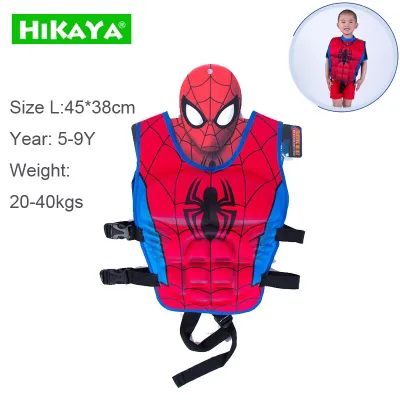
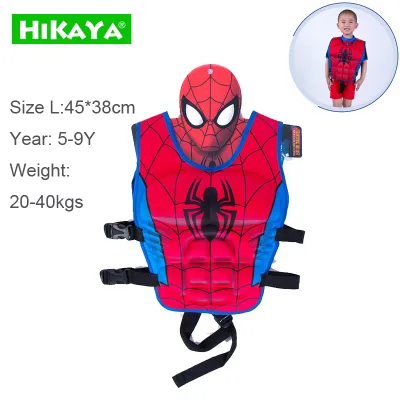
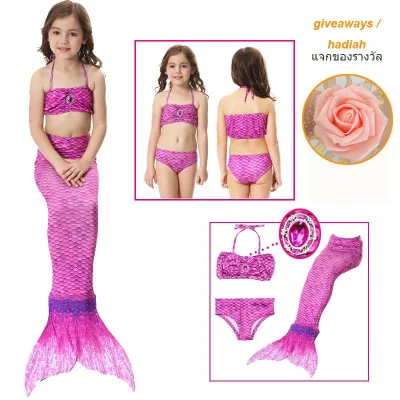
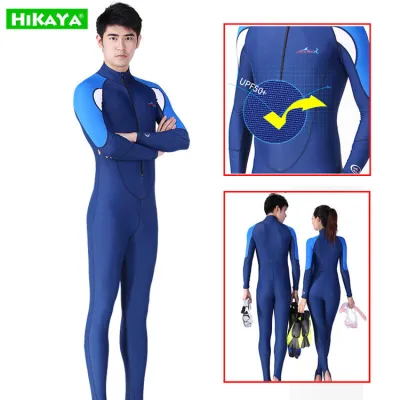
Prices are valid at publication and may change. Please refer to the product page for the latest price.
Use this quick self-assessment to identify potential gaps in your current setup:
- Do you participate in multiple water sports? Different activities require distinct gear designs; a vest built for high-speed impact is not designed to keep an unconscious swimmer face-up in open water.
- Are you venturing into open coastal waters or areas with strong tidal currents? Calm lakes require different safety margins than unpredictable ocean environments.
- Does your current gear restrict your movement or cause chafing? Restrictive gear can lead to rapid fatigue, which is a major safety hazard in the water.
- Is your existing equipment showing signs of wear, fading, or stiffness? Degraded materials fail under stress, compromising your safety when you need it most.
If you answered yes to any of these questions, your current generic setup may be putting you at risk. Transitioning to sport-specific gear is a necessary step to ensure you stay safe and comfortable during your sessions.
Matching Hikaya Gear to Your Specific Water Sport
Selecting the right safety gear requires analyzing the physical demands and risks of your chosen sport. Before purchasing or using any equipment, always verify the intended use, weight capacity, and safety certifications printed on the product labels. If the label instructions conflict with your intended use, or if the gear’s ratings are unclear, stop and consult the manufacturer or a qualified professional before entering the water.

Paddle Sports (Kayaking, Stand-Up Paddleboarding)
Paddle sports demand a high degree of upper-body mobility, reliable flotation, and continuous sun protection. When selecting a Hikaya Personal Flotation Device (PFD) for paddling, check the product label to verify its buoyancy rating and ensure it matches your body weight. Look for designs featuring wide armhole clearance to prevent painful skin chafing during repetitive paddling motions.
A proper paddling PFD should sit flat against your torso without riding up when you sit in a kayak or stand on a paddleboard. Additionally, consider how the PFD integrates with your seat back; some designs feature high-back flotation panels specifically engineered to clear kayak seats, preventing the vest from being pushed upward.
Snorkeling and Surface Swimming
Snorkeling and surface swimming in tropical waters require a focus on surface visibility, thermal balance, and protection from marine life. While flotation is still important, especially for beginners, physical protection from environmental hazards is often the primary concern.
Wearing a high-quality rash guard or a lightweight wetsuit is essential for protecting your skin against jellyfish stings, sharp coral scrapes, and intense tropical sun exposure. Before buying, check the manufacturer’s UPF rating to verify the level of ultraviolet protection, and inspect the material stretch specifications to ensure a snug, comfortable fit that does not restrict your breathing or swimming stroke.
High-Impact and Tow Sports (Wakeboarding, Water Skiing)
High-impact water sports involve high speeds, frequent falls, and the risk of colliding with obstacles or your own equipment. For these activities, standard flotation devices are insufficient because they lack the structural reinforcement needed to absorb heavy impacts.
You must understand the critical difference between a standard PFD and an impact vest. While a standard PFD is designed primarily to keep you afloat and keep your head above water, an impact vest is engineered to absorb shock and protect your ribs and torso during high-speed falls.
However, impact vests typically offer less buoyancy than certified life jackets, meaning they are only suitable for proficient swimmers who can easily support themselves in the water. Always verify the garment’s specific impact-protection claims, heavy-duty zipper strength, and reinforced buckle systems on the official product specifications before use.
Factoring in Your Skill Level and Environment
Your experience level and the specific conditions of the environment should directly dictate your gear choices. Philippine waters present unique challenges, including extreme tropical heat, high humidity, intense UV exposure, and highly corrosive saltwater.
- Beginners: If you are new to water sports or are still developing your swimming confidence, prioritize maximum flotation, high-visibility colors, and highly adjustable fits. Choose gear that offers forgiving, multi-strap adjustment systems to accommodate different clothing layers and physical fatigue. High buoyancy ensures you remain stable and calm if you fall into deep water.
- Intermediate to Advanced: As you gain experience and confidence, you may transition toward performance-fit gear that prioritizes a greater range of motion. This gear features lower-profile designs and reduced bulk, allowing you to execute complex movements more easily. However, you should only make this shift if you possess the verified swimming skills and self-rescue capabilities to manage the reduced flotation of low-profile vests.
- Environmental Adaptation: The combination of intense tropical sun and saltwater can rapidly degrade safety equipment. When choosing gear, look for materials that are specifically treated to resist UV degradation and saltwater corrosion. Always check the manufacturer's care labels for specific rinsing and maintenance requirements to ensure the gear retains its structural integrity over time.
Inspecting Your Current Gear: When to Repair, Replace, or Upgrade
Regular maintenance and thorough inspections are vital to ensure your safety gear remains reliable. Over time, exposure to saltwater, heat, and sunlight will degrade even the highest-quality materials.
Before attempting to clean, treat, or store your equipment, check the applied product’s label and the treated item’s manufacturer instructions. If instructions conflict, the item is unidentified, or the care steps are not covered, stop and consult the manufacturer or a qualified professional to avoid damaging the gear’s safety features.
To perform a comprehensive safety inspection of your PFD or impact vest, follow these steps:
- Inspect the flotation foam: Firmly squeeze the foam panels throughout the vest. If the foam feels thin, brittle, hard, or crumbles under pressure, it has degraded and will no longer provide adequate buoyancy.
- Check the hardware and closures: Test every buckle, zipper, and slide adjuster. Look for cracks in plastic hardware, corrosion on metal zippers, and frayed or torn webbing straps. All closures must snap securely and slide smoothly without binding.
- Examine the fabric and seams: Inspect the outer shell for severe fading, which indicates UV damage. Pull gently on the seams to check for unraveling threads or weakened stitching that could split open under tension.
- Evaluate neoprene and elastic components: Stretch the neoprene panels to check for dry rot, stiffness, or a loss of elasticity. Neoprene that does not return to its original shape or feels stiff will restrict your breathing and movement.
If your inspection reveals any torn fabric, broken buckles, degraded foam, or frayed straps, you must stop using the gear immediately. Critical safety equipment must be replaced rather than patched, sewn, or repaired at home, as DIY repairs can compromise the vest’s certified performance. If you suspect a manufacturing defect, consult Hikaya’s official warranty guidelines or customer service department for professional guidance.
Frequently Asked Questions (FAQ)
Can I use a standard life jacket for wakeboarding?
No, using a standard life jacket for wakeboarding is not recommended. Standard PFDs are designed primarily for flotation and keeping an unconscious person’s head above water, but they lack the impact protection and secure fit required for high-speed water sports. During a high-speed fall, a standard life jacket can easily ride up, injure your neck, or even tear apart under the force of the water. You should strictly follow the intended use labels on your garments and wear a dedicated impact vest designed to absorb shock and protect your torso during high-speed impacts.
How do I ensure a proper fit for a PFD or impact vest?
To ensure a secure and safe fit, follow these systematic steps:
- Loosen all straps: Put the vest on and fasten all zippers and buckles.
- Tighten from the bottom up: Adjust the straps starting at your waist and work your way up to your shoulders.
- Check the snugness: The vest should fit snugly against your body, allowing you to breathe fully and comfortably without feeling restricted.
- Perform the shoulder test: Have someone pull up firmly on the shoulder straps of the vest. If the vest rides up past your chin or ears, it is too loose or too large.
Always consult the brand’s specific sizing chart and adjustment instructions, as fit profiles can vary significantly between different models.
Does the color of my safety gear matter in open water?
Yes, the color of your safety gear is a critical safety factor in open water. High-visibility colors such as neon yellow, bright orange, and vibrant red make you easily visible to boat operators, jet skiers, and rescue personnel from a distance. Darker colors like black, navy blue, or dark green blend into the water, making you virtually invisible, especially in choppy coastal waters or low-light conditions. For any activity involving boat traffic, open ocean environments, or coastal currents, you should prioritize high-visibility colors to ensure you can be quickly spotted in an emergency.
Community discussion
Share your experience or ask a question. Comments are reviewed before publication.