
A high-density rubber yoga mat is a premium fitness surface engineered with tightly packed natural or synthetic rubber molecules, offering unparalleled stability, joint support, and longevity compared to lighter foam alternatives. Density matters because it directly dictates how well the mat cushions your joints without collapsing, how firmly it grips the floor under pressure, and how long it resists tearing and flaking over years of rigorous practice. For practitioners navigating dynamic styles of yoga, investing in the right material density is often the defining factor between a safe, grounded practice and a frustrating, slippery session.
Choosing a yoga mat involves balancing portability with performance. While lightweight mats are convenient for daily commuting, they often lack the structural integrity required for advanced poses and joint protection. By understanding the science of rubber density, you can make an informed decision that aligns with your physical needs, your preferred style of yoga, and the environment in which you practice.
What Is High Density Rubber in Yoga Mats?
High-density rubber in the context of yoga mats refers to elastomeric materials—either harvested naturally from rubber trees (Hevea brasiliensis) or synthesized chemically—that feature a high mass-to-volume ratio. Unlike standard foam mats that are injected with high volumes of air to create a soft, puffy texture, high-density rubber undergoes a vulcanization or compression process that minimizes air pockets. This results in a solid, heavy-duty material designed specifically to withstand high shear forces and compression.
Products mentioned in this guide
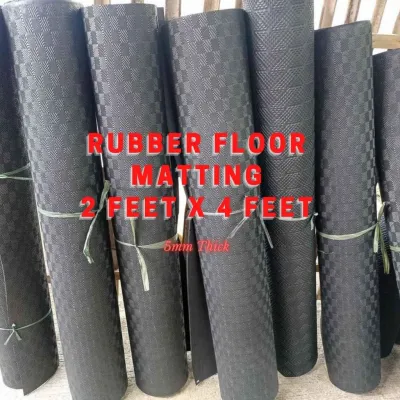
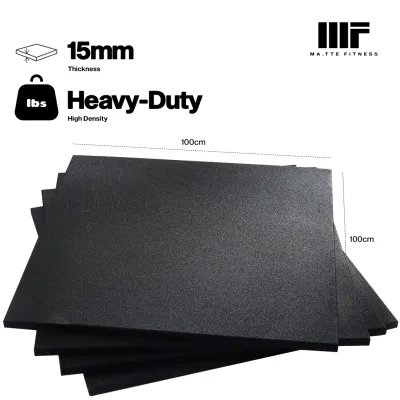
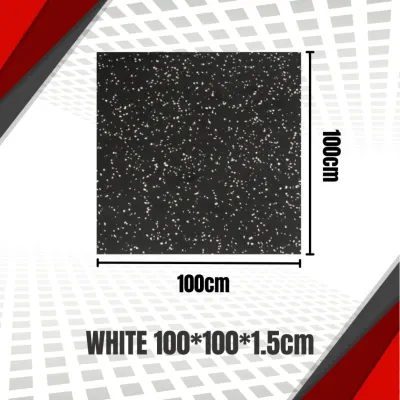
Prices are valid at publication and may change. Please refer to the product page for the latest price.
In physics, density is defined as mass per unit volume. When applied to yoga gear, high density means that more raw rubber material is packed into every square centimeter of your mat. This structural characteristic translates directly into weight and firmness. A standard 4mm foam mat might feel featherlight because it consists mostly of trapped air, whereas a 4mm high-density rubber mat feels substantial, heavy, and structurally solid.
For yoga practitioners, this density is a critical performance factor. It establishes a firm, predictable foundation that does not shift, bunch, or slide during transitions. While a low-density mat might stretch or warp when you push back into Downward-Facing Dog, a high-density rubber mat remains completely stationary, absorbing the lateral forces of your practice and transferring that energy back into stable traction.
Understanding Rubber Density and Measurement
To evaluate yoga mats objectively, it helps to understand how manufacturers measure and classify material density. In industrial material science, rubber density is typically quantified in kilograms per cubic meter (kg/m³) or grams per cubic centimeter (g/cm³). In commercial specifications, however, manufacturers often communicate density indirectly through the overall weight of the mat relative to its thickness, or by using a durometer scale to measure surface hardness.

When examining rubber mats, you will encounter two primary structural types: open-cell and closed-cell rubber.
- Open-Cell Rubber: This structure contains interconnected microscopic pores. It acts like a sponge, drawing moisture and sweat away from the surface. Because of these tiny pathways, open-cell rubber naturally has a slightly lower density than its closed-cell counterpart, but it offers exceptional wet grip. However, because it absorbs moisture, it requires diligent cleaning to prevent bacteria buildup.
- Closed-Cell Rubber: In this structure, the internal gas pockets are completely sealed and isolated from one another. This prevents water, sweat, and dirt from penetrating the mat's interior. Closed-cell rubber is denser, heavier, and highly hygienic, though it requires a textured surface finish to maintain traction when wet.
To verify density claims rather than relying on promotional buzzwords, always check the product specifications for the exact weight. A standard-sized (183cm x 61cm) high-density rubber mat with a thickness of 4mm to 5mm should weigh between 2.2 and 3.2 kilograms. If a product is marketed as “high-density rubber” but weighs less than 1.5 kilograms at a 5mm thickness, it likely contains a high percentage of lightweight foaming agents or cheaper thermoplastic fillers, which compromise its long-term performance.
How Density Impacts Grip, Cushioning, and Durability
The physical density of a rubber mat is the single most influential factor governing how it behaves under your hands and feet. Rather than relying on superficial chemical coatings, high-density construction alters the physical mechanics of traction, compression, and structural wear.
Grip and Stability
A high-density rubber mat provides a exceptionally stable base that prevents the mat from shifting or bunching on the studio floor. When performing standing balances or wide-stance poses like Warrior II, your feet exert significant lateral force. Low-density mats tend to stretch under this tension, causing micro-instability in your ankles and knees. The dense molecular structure of a high-quality rubber mat resists this lateral stretching, ensuring your alignment remains precise.
In humid environments or high-intensity practices like hot yoga, moisture management is essential for safety. High-density open-cell rubber mats excel here by absorbing sweat directly into the top layer, keeping the contact point dry and slip-free. Even if the mat is a closed-cell design, the weight of the high-density rubber keeps the entire sheet suctioned firmly to the floor, preventing the dangerous sliding that can occur with lightweight plastic mats.
However, density alone does not guarantee a perfect grip. If a high-density mat has a completely smooth, non-textured closed-cell finish, sweat can pool on the surface and cause slipping. When selecting a closed-cell rubber mat, verify that the surface features a textured pattern, a polyurethane (PU) coat, or a fabric-like finish designed to channel moisture away from your hands.
Cushioning and Joint Support
There is a common misconception that a thicker yoga mat always provides better cushioning. In reality, material density is far more important than thickness for protecting your joints. A thick but low-density foam mat (such as a 10mm NBR mat) will easily compress to the floor under the localized weight of a knee, elbow, or wrist. This is known as “bottoming out,” and it leaves your joints pressing directly against the hard subfloor.
Conversely, a thinner 4mm high-density rubber mat offers firm, resilient resistance. Because the rubber molecules are tightly packed, they distribute your body weight evenly across a wider surface area. When you sink into Anjaneyasana (Low Lunge) or hold a plank, the mat compresses only slightly, maintaining a supportive barrier between your joints and the floor.
This firm support does involve a trade-off. High-density mats do not offer a plush, cloud-like feel. If you prefer a soft, sinking sensation during restorative practices, a dense rubber mat may feel uncomfortably hard at first. However, for active and alignment-focused practices, this firmness is highly beneficial, as it prevents your wrists from sinking into deep extension and reduces the risk of joint strain.
Durability and Lifespan
High-density rubber is exceptionally resilient against physical wear. During dynamic transitions, such as jumping back to Chaturanga, your feet grind against the mat’s surface. Low-density materials often respond to this friction by flaking, tearing, or developing permanent gouges. High-density rubber resists these abrasive forces, maintaining a smooth, intact surface over years of daily use.
Furthermore, high-density rubber possesses excellent structural memory. When you roll up a cheap foam mat tightly, it often retains that curled shape when unrolled, leaving the edges sticking up as tripping hazards. A high-density rubber mat, owing to its weight and elastomeric memory, rolls out completely flat instantly. It also resists the permanent compression divots that often ruin low-density mats where your knees and hands rest repeatedly.
While all natural materials eventually degrade, high-density construction slows this process. Because there is more physical substance and fewer open air voids within the material, the rubber is less vulnerable to rapid oxidation and structural breakdown from friction and sweat.
High Density Rubber vs. Other Yoga Mat Materials
To help you decide if high-density rubber is the right choice, it is useful to compare it against other common yoga mat materials using a structured framework of weight, grip, eco-friendliness, and cushioning.
| Material | Average Weight (4mm-5mm) | Grip Performance | Eco-Friendliness | Cushioning Type | Lifespan |
|---|---|---|---|---|---|
| High-Density Rubber | Heavy (2.2 – 3.5 kg) | Excellent (Dry & Wet) | High (Biodegradable) | Firm, supportive | Long (5+ years) |
| PVC (Polyvinyl Chloride) | Medium (1.5 – 2.0 kg) | Moderate (Slippery when wet) | Low (Synthetic plastic) | Springy, protective | Extremely long |
| TPE (Thermoplastic Elastomer) | Light (0.8 – 1.2 kg) | Moderate | Moderate (Recyclable) | Soft, compressible | Short to Medium |
| Cork (with Rubber Base) | Heavy (2.0 – 3.0 kg) | Excellent (Improves with wetness) | High (Sustainable) | Firm, grounded | Medium to Long |
Polyvinyl Chloride (PVC)
PVC is a traditional synthetic plastic material used in many entry-level and professional mats. While high-end PVC mats are incredibly durable and offer decent cushioning, they lack the natural tactile grip of rubber. PVC is completely closed-cell and does not absorb moisture, meaning it becomes highly slippery when wet with sweat. Additionally, PVC is a petroleum-based plastic that is highly resistant to degradation, posing environmental disposal challenges compared to biodegradable natural rubber.
Thermoplastic Elastomer (TPE)
TPE is a lightweight, synthetic alternative that blends plastic and rubber properties. TPE mats are highly portable, making them popular for commuters. However, TPE is significantly less dense than rubber. It compresses easily, wears out faster under high-use conditions, and can slide on polished studio floors. If you practice daily or require firm joint support, TPE may fail to provide the long-term durability you need.
Cork and Polyurethane (PU) Hybrids
Many modern premium mats feature a hybrid construction, bonding a high-density natural rubber base to a top layer of cork or polyurethane (PU). This design combines the best properties of both materials. The high-density rubber base provides the heavy, non-slip foundation that anchors the mat to the floor, while the cork or PU top layer delivers specialized surface traction. Cork naturally becomes grippier when wet, making it excellent for hot yoga, while PU offers a smooth, high-traction dry grip.
Is a High Density Rubber Mat Right for Your Practice?
High-density rubber mats are specialized tools, and while they offer exceptional performance, they are not universally perfect for every practitioner or setting. Deciding whether to invest in one depends heavily on your practice style, physical requirements, and lifestyle.
Ideal Use Cases
- Dynamic and Hot Yoga: If you practice Vinyasa, Ashtanga, Power Yoga, or Bikram, the superior grip and heavy grounding of high-density rubber are invaluable.
- Joint Protection Needs: Practitioners who experience discomfort in their knees, wrists, or ankles will benefit from the firm, non-collapsing support that prevents bottoming out.
- Tropical and Humid Climates: In warm, humid regions like the Philippines, sweat management is a constant challenge. High-density rubber mats—especially those with open-cell structures or PU top layers—maintain their traction even when exposed to high humidity and intense perspiration.
- Long-Term Investment: If you want a mat that will withstand years of daily practice without flaking or losing its shape, high-density rubber is one of the most durable choices available.
Less Ideal Scenarios
- Frequent Travelers and Commuters: Because high-density rubber mats are heavy (often weighing over 2.5 kg), they are not ideal if you regularly walk long distances, commute on public transport, or travel by air with your gear.
- Preference for Soft Cushioning: If your practice consists primarily of Yin Yoga, Restorative Yoga, or general stretching where you prefer a soft, pillowy surface, the firm rigidity of high-density rubber may feel too unforgiving.
- Latex Sensitivity: Because natural rubber contains organic latex proteins, it is not suitable for individuals with moderate to severe latex allergies.
How to Care for Your High Density Rubber Yoga Mat
Always consult your specific mat manufacturer’s care instructions before applying any cleaning solutions, as surface finishes and rubber blends vary. Proper maintenance is essential to preserve the dense molecular structure and natural grip of your rubber mat.
Safe Cleaning Routines
To clean a high-density rubber mat, use a mild, non-oil-based cleaning solution. A simple mixture of warm water and a few drops of mild dish soap applied with a soft cloth is highly effective. If you have an open-cell mat, avoid soaking it completely in water, as the porous structure will trap moisture inside, leading to mold or a waterlogged mat that takes days to dry.
Proper Drying and Storage
Always air dry your mat completely in a shaded, well-ventilated area before rolling it up. Never expose natural rubber to direct sunlight. Ultraviolet (UV) rays rapidly degrade natural rubber, causing it to oxidize, dry out, become brittle, and crack. When storing your mat, roll it with the top surface facing outwards. This protects the corners from curling upward during your next practice.
Specific Things to Avoid
- Essential Oils: Avoid using cleaning sprays that contain high concentrations of essential oils (such as tea tree, lavender, or eucalyptus). Oils clog the microscopic pores of open-cell rubber, permanently destroying its slip-resistant properties.
- Harsh Chemicals: Never use bleach, alcohol, or abrasive household cleaners, which strip away the natural protective compounds of the rubber.
- Machine Washing: Do not place a high-density rubber mat in a washing machine or tumble dryer. The mechanical agitation and high heat will warp, tear, and permanently ruin the material's structure.
Frequently Asked Questions (FAQ)
Are high density rubber yoga mats safe for people with latex allergies?
Natural rubber is harvested directly from the sap of rubber trees and naturally contains latex proteins. Although the manufacturing and vulcanization processes wash out a significant portion of these proteins, trace amounts always remain in the finished product. If you have a known latex allergy, using a natural rubber mat can trigger contact dermatitis or respiratory irritation. If you have a latex allergy, carefully check the manufacturer’s product label to verify if the mat uses synthetic rubber (such as NBR) or opt for entirely latex-free alternative materials like TPE, high-density PVC, or pure cork with a synthetic backing.
Why is my high density rubber mat so heavy?
The substantial weight of your mat is a direct physical consequence of its material density. Because high-density rubber contains a high mass of raw elastomeric material packed tightly into its volume with minimal air pockets, it naturally weighs much more than lightweight foam. While a standard TPE or low-density foam travel mat might weigh under 1 kilogram, a high-density rubber mat typically weighs between 2.2 and 3.5 kilograms. This weight is a deliberate design feature; it ensures the mat stays perfectly flat, resists stretching under tension, and remains firmly anchored to the floor during dynamic movements.
Community discussion
Share your experience or ask a question. Comments are reviewed before publication.