
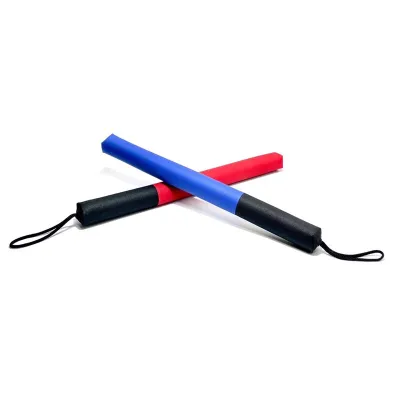
A padded stick is a specialized training tool featuring a shock-absorbing foam exterior wrapped around a rigid or semi-rigid core, designed to simulate blunt weapons safely during combat sports practice. In Mixed Martial Arts (MMA) and Brazilian Jiu-Jitsu (BJJ), coaches and practitioners use this tool to bridge the gap between unarmed sparring and realistic self-defense scenarios. By introducing a simulated weapon, training partners can practice managing distance, sharpening defensive reflexes, and executing takedowns under pressure without the high risk of severe injury associated with solid wooden or metal implements.
Integrating this equipment into your training routine allows you to develop situational awareness and tactical adaptability. Rather than replacing standard grappling or striking sessions, the padded stick acts as an auxiliary conditioning tool that highlights the unique challenges of defending against an armed opponent. Understanding how to select, handle, and train with this gear ensures you can elevate your defensive skills while maintaining a highly secure and productive gym environment.
What Is a Padded Stick and Why Use It in Martial Arts?
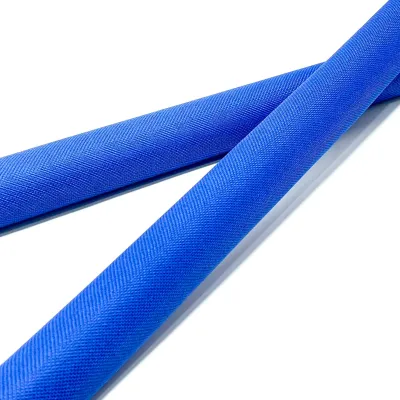
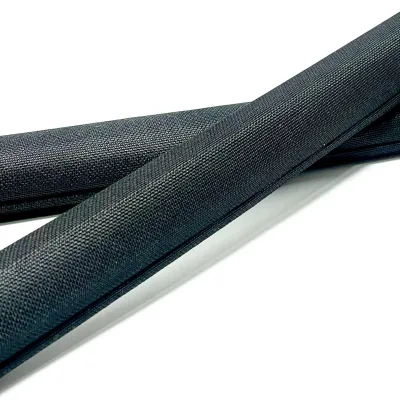
A padded stick consists of a lightweight, durable inner core—typically made of high-impact PVC, fiberglass, or plastic—surrounded by a thick layer of high-density foam. This foam layer is encased in a heavy-duty vinyl, nylon, or synthetic leather sleeve to protect the material from tearing. Unlike traditional rattan or hardwood sticks used in weapon-centric arts like Arnis, Kali, or Esgrima, padded sticks are engineered specifically to absorb shock upon contact, significantly reducing the force transmitted to a training partner’s body.
Products mentioned in this guide
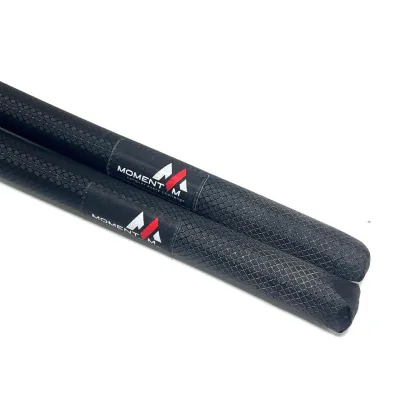
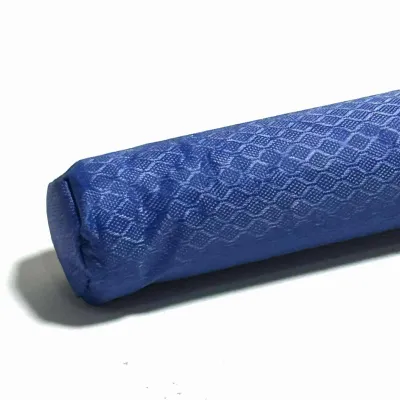
Prices are valid at publication and may change. Please refer to the product page for the latest price.
While traditional wooden weapons are indispensable for learning weapon-on-weapon flow drills, they present a high risk of injury when integrated into dynamic, full-contact grappling or MMA sparring. A single miscalculated strike with a solid rattan stick can result in fractured fingers, deep bone bruising, or severe concussions. The padded stick solves this problem by allowing practitioners to execute realistic, high-energy strikes with minimal fear of causing debilitating trauma, making it an excellent bridge for mixed-discipline training.
Using a padded stick in mixed martial arts and grappling sessions offers several distinct advantages. First, it introduces safe weapon simulation, allowing you to experience the pressure of facing an armed adversary in a controlled setting. Second, it drastically alters distance management; a stick extends an opponent’s reach by several feet, forcing you to adjust your footwork and learn to navigate an entirely different “danger zone.” Finally, it improves reaction times and reflex building, helping BJJ and MMA practitioners understand how to maintain control, secure dominant positions, and neutralize a threat when an opponent is holding a blunt object.
How to Choose the Right Padded Stick for Beginners
Selecting the right padded stick requires careful consideration of its physical specifications to ensure it matches your training goals and physical attributes. Beginners should start by looking at the length and weight of the stick, which usually ranges from 20 to 28 inches. It is highly recommended to check the manufacturer specifications to match the stick’s dimensions to your height, arm span, and the specific scenarios you plan to simulate. A shorter stick is ideal for representing compact weapons like clubs, while a longer stick better replicates larger tools.

The balance between core stiffness and foam density is another critical factor to evaluate. A core that is too flexible will bend excessively upon impact, failing to provide realistic feedback. Conversely, a core that is completely rigid with thin padding can still transmit dangerous levels of force. Look for a stick with a semi-rigid core that maintains its structure during rapid swings but offers a slight degree of flex, paired with dense, high-grade foam that effectively dampens heavy impacts.
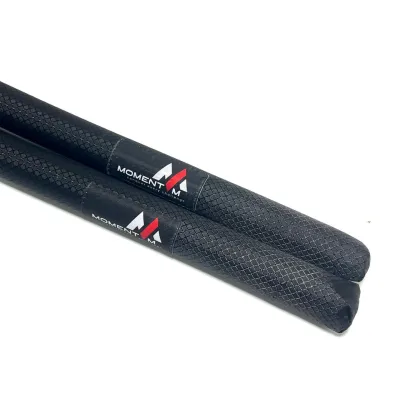
Grip texture and sweat resistance are particularly important for maintaining control during intense training sessions. In warm and humid environments, such as during tropical training sessions in the Philippines, sweat can quickly accumulate on your hands and gear, leading to a slippery surface. A stick with a textured rubber grip, grooved handle, or high-friction synthetic wrap will prevent the weapon from slipping out of your hand mid-swing.
Before making a final purchase, always verify the product labels for the manufacturer’s intended use, age recommendations, and specific care instructions. Choosing a product specifically certified for martial arts sparring ensures the internal core will not snap under repeated stress, protecting both you and your training partners from exposed, sharp edges.
Essential Safety Rules and Training Preparation
Even though a padded stick is designed to minimize injury, it is not a toy and can still cause physical discomfort, joint strain, or bruising if used carelessly. Before initiating any dynamic weapon-simulation drills, both partners must wear appropriate protective gear. At a minimum, this includes a well-fitting mouthguard, high-quality headgear (preferably with a face cage or clear shield to protect the eyes and nose), and grappling or MMA gloves to shield the knuckles and wrists from stray impacts.
Establishing a safe training environment is the next critical step. You must clear the training area of all obstacles, including loose gear, water bottles, and bystanders, ensuring there is ample swinging clearance in every direction. It is best to conduct these drills on standard martial arts mats, such as tatami or high-density puzzle mats, to provide stable traction and cushion any accidental falls or takedowns that occur during the transitions.
Clear communication protocols must be established between training partners before the first swing is made. Agree on a specific “stop” signal or safe word that either partner can use to immediately halt the drill if someone is hurt, if gear shifts out of place, or if the intensity becomes too high. Finally, a targeted warm-up routine is mandatory to prepare your body for the unique physical demands of weapon defense. Focus heavily on dynamic joint mobility exercises for the neck, shoulders, wrists, and hips to prevent strains during sudden defensive slips or explosive level changes.
Step-by-Step Padded Stick Drills for MMA and BJJ
Integrating weapon defense into your MMA or BJJ practice should always follow a progressive structure. Start with slow, isolated movements to build mechanical familiarity before gradually introducing speed, resistance, and unpredictable attacks.
Drill 1: Basic Distance Management and Timing
To begin this drill, Partner A acts as the attacker, holding the padded stick and moving forward while executing slow, rhythmic overhead and diagonal swings. Partner B, the defender, assumes a balanced fighting stance and focuses entirely on footwork. The objective for Partner B is to stay exactly one inch outside the maximum reach of the swinging stick, constantly adjusting their distance by stepping backward, pivoting laterally, and stepping forward immediately as the swing passes.
The expected outcome of this exercise is a highly refined sense of distance and a deep understanding of the “danger zone” that exists just beyond normal punching range. Practitioners learn to overcome the natural urge to panic or turn away from a swinging object, instead keeping their eyes on the weapon to identify safe pockets of time and space.
For safety, always start this drill at a highly controlled, slow pace (approximately 30% of full speed). This allows the defender to focus on clean footwork and spatial awareness without the anxiety of getting hit, establishing solid muscle memory before any speed is added.
Drill 2: Striking Defense and Takedown Entries (MMA Focus)
In this drill, Partner A initiates a wide, predictable horizontal swing with the padded stick, simulating a wild, aggressive strike. Partner B must time the incoming attack, ducking underneath the swinging arm or parrying the weapon hand while simultaneously stepping off the center line. As soon as the stick clears their head, Partner B explosively closes the distance, crashing the line to secure a tight body lock or a double-leg takedown entry.
This drill is designed to develop the crucial reflex of closing the distance safely when facing an armed opponent. In a realistic encounter, staying at mid-range against a weapon is highly dangerous; the defender must learn to bypass the weapon’s striking arc and secure physical control of the attacker’s body and weapon arm.
Always stop the drill immediately if the practitioner’s head or neck is in the direct path of the stick during the entry phase. The entry must be executed with precise head positioning—keeping the head pressed tightly against the partner’s chest or hip—to prevent accidental impact from a follow-up strike or a rebounding stick.
Drill 3: Ground Retention and Escapes (BJJ Focus)
This drill transitions the weapon scenario to the ground, where Partner B starts on the bottom in a defensive guard or half-guard position. Partner A sits on top, holding the padded stick and delivering light, highly controlled, repetitive taps toward Partner B’s torso and head. Partner B’s primary objective is to immediately secure the weapon-wielding arm using a two-on-one grip or a tight overhook, control Partner A’s posture, and execute a sweep or a hip escape to transition to a dominant position or stand up.
The expected outcome is an enhanced awareness of limb control and a heightened sense of urgency on the ground. Standard Brazilian Jiu-Jitsu often allows practitioners to play a relaxed, passive guard, but the introduction of a simulated weapon forces you to prioritize immediate arm isolation and rapid positional advancement.
The partner holding the stick must yield immediately and drop the implement the moment the bottom practitioner successfully locks in a submission, such as an armbar, kimura, or triangle choke. This safety boundary prevents unnecessary joint hyperextension and ensures that both partners can train dynamically without risking injury during submission transitions.
Common Mistakes to Avoid During Stick Training
One of the most frequent errors beginners make is over-swinging and failing to control the momentum of the padded stick. It is vital to practice pulling your strikes, which means stopping or significantly reducing the force of the swing just before or upon making light contact with your partner. Training with a padded stick is about developing timing, angles, and defensive positioning, not testing the physical limits of your partner’s pain tolerance.
Another common mistake is completely ignoring the non-weapon hand during defensive entries and close-quarters grappling. Many practitioners focus so intently on the stick itself that they let their free hand hang uselessly by their side, leaving their chin exposed and missing opportunities to frame or trap. Your free hand must always remain high in an active guard, ready to frame against the opponent’s face, block secondary strikes, or assist in securing a dominant grip on the weapon arm.
Finally, do not fall into the trap of treating the padded stick like a harmless toy. Because the exterior is soft foam, it can be easy to develop sloppy defensive habits or engage in unrealistic, high-risk maneuvers that would be disastrous against a solid object. Always maintain a serious, disciplined training mindset, treating the padded stick with the same respect and caution you would accord to a real, unpadded weapon to ensure your technical development remains practical and highly functional.
How to Clean and Maintain Your Padded Stick
To extend the lifespan of your training gear and ensure a hygienic training environment, establishing a regular cleaning routine is essential. After every training session, wipe down the entire synthetic exterior of the stick using a clean microfiber cloth dampened with a mild, equipment-safe disinfectant or a gentle soap-and-water solution. First, check the applied cleaning product’s label and follow the padded stick manufacturer’s care instructions to ensure compatibility. If instructions conflict, or if the material of your stick is unidentified, stop and consult the manufacturer to prevent chemical degradation of the outer casing.
Once cleaned, allow the stick to air dry completely in a shaded, well-ventilated indoor area before placing it back inside your gym bag or storage locker. Avoid exposing the stick to direct sunlight, extreme heat, or leaving it inside a closed vehicle trunk, especially in hot and humid climates. Prolonged exposure to high temperatures and UV rays can rapidly degrade the internal adhesive bonds, warp the plastic or fiberglass core, and cause the protective foam to become brittle and crumble.
Lastly, perform a quick visual and physical inspection of your stick before every training session. Check the seams for any signs of fraying, look for exposed sections of the inner core, and feel the foam to ensure there are no permanently compressed areas that no longer provide adequate shock absorption. If you detect any structural compromises, do not attempt to patch them with tape; instead, replace the stick immediately to guarantee the safety of your training partners during dynamic drills.
Frequently Asked Questions (FAQ)
Can I use a foam pool noodle or a regular wooden stick instead?
While a foam pool noodle can be a cheap and highly accessible tool for absolute beginners to practice basic head movement, ducking, and footwork, it is not a suitable long-term substitute for a proper padded stick. Pool noodles lack the necessary weight, balance, structural rigidity, and realistic feedback required for advanced martial arts training. Because they bend completely upon contact and offer no resistance, relying on them too heavily can lead to poor defensive habits, inaccurate distance management, and an unrealistic sense of security.
On the other hand, using unpadded wooden or rattan sticks for dynamic MMA or BJJ integration drills is highly dangerous and should be strictly avoided. Unpadded wooden implements carry an extremely high risk of causing bone fractures, severe concussions, lacerations, and joint damage when swung during active sparring or grappling entries. Solid wooden and rattan sticks are excellent tools, but they should be reserved exclusively for traditional, highly structured weapon arts under direct professional supervision, rather than dynamic mixed-scenario sparring.
Community discussion
Share your experience or ask a question. Comments are reviewed before publication.