
In the Philippine sport fishing community, tabukol is widely prized as one of the most effective live baits for targeting aggressive, predatory game fish. This baitfish—typically a juvenile member of the jack or scad family—possesses an energetic swimming action, a highly reflective silver body, and exceptional stamina in the water. These biological traits make it an irresistible target for top-tier predators like Giant Trevally, Spanish mackerel, and yellowfin tuna. To utilize this bait successfully, anglers must understand how to source it, keep it alive in tropical conditions, and rig it correctly for different depths.
Using live bait is a time-tested strategy that often outperforms artificial lures, especially in heavily fished coastal waters. A live, struggling baitfish sends out natural distress signals that no plastic or wood replica can perfectly replicate. For anglers aiming to land trophy-sized catches in the diverse marine habitats of the Philippines, mastering the use of tabukol is a fundamental skill that elevates their overall catch rate.
What Exactly Is Tabukol? Identifying the Baitfish
In many coastal regions of the Philippines, the term tabukol refers to small, fast-swimming pelagic baitfish. Most commonly, these are juvenile jacks belonging to the family Carangidae, locally known as talakitok when mature, or small scads and silversides. Anglers recognize them by their highly compressed, streamlined bodies, deeply forked tails, and brilliant, mirror-like silver scales. These physical adaptations are built for continuous, rapid movement in open water, which translates to incredible stamina when suspended on a hook.
Products mentioned in this guide
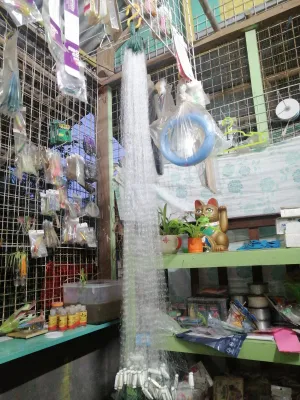
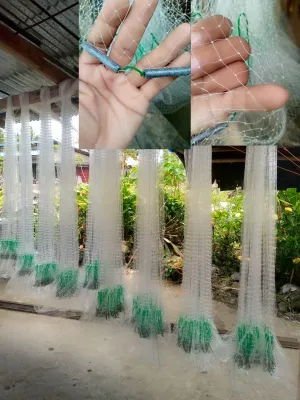




Prices are valid at publication and may change. Please refer to the product page for the latest price.
In the marine ecosystem of the Philippine archipelago, these juvenile pelagics occupy a critical mid-level niche in the food web. They school in massive numbers around coastal reefs, estuaries, and deep-water drop-offs, feeding on zooplankton. Because they are incredibly abundant, they serve as the primary forage fish for almost every major marine predator. Consequently, predatory fish are evolutionarily hardwired to recognize the shape, color, and movement of a tabukol as an easy, high-protein meal.
Understanding this biological identity helps anglers locate the baitfish. Since they school near structures to seek shelter from larger predators, you can often find them near pier pilings, reef edges, and floating fish aggregating devices, locally known as payaos. Recognizing their distinct silver flash in the water is the first step toward securing a highly productive day of game fishing.
Why Predatory Game Fish Cannot Resist Tabukol
When a tabukol is hooked and released into the water, its immediate reaction is to swim frantically to rejoin its school or find cover. This erratic, high-frequency darting motion creates intense low-frequency vibrations in the water column. Predatory fish detect these vibrations from great distances using their lateral line system. The rhythmic distress signals emitted by a struggling tabukol act as an acoustic beacon, immediately triggering the predatory strike response of nearby game fish.

Visually, the reflective silver scales of the tabukol flash brilliantly under the tropical sun, mimicking the natural glint of injured prey. This visual flash is highly effective in both clear offshore waters and murky coastal estuaries. Additionally, as the bait struggles, it releases natural oils and minor scent traces into the water. For keen-scented predators like snappers, groupers, and tuna, this scent trail leads directly to the hook, even in low-visibility conditions or during deep-water presentations.
One of the golden rules of angling is to match the hatch, which means using bait that perfectly mimics what the local predators are actively hunting. Because tabukol are native and highly abundant in Philippine seas, game fish do not hesitate when they see one. Unlike artificial lures, which may require complex retrieval techniques to look convincing, a live tabukol behaves exactly like a natural prey item. This lack of suspicion is why live tabukol often outfishes artificial lures, especially when targeting highly pressured or older, more cautious game fish.
Sourcing and Keeping Your Tabukol Alive and Active
Before heading out to coastal reefs or deep-water drop-offs to source or fish with tabukol, prioritize safety. Offshore fishing in the Philippines exposes anglers to unpredictable tropical weather, strong currents, and sudden squalls. Always check the Philippine Atmospheric, Geophysical and Astronomical Services Administration (PAGASA) marine weather advisories before leaving port. Ensure every passenger wears a properly fitted personal flotation device (PFD), and never venture into open water if your boat’s bilge pumps, communication gear, or navigation lights are compromised. Equipment can never replace sound maritime judgment and proper safety training.
To secure high-quality tabukol, anglers typically have two options: purchasing them fresh from local fish ports, known as pantalans, or catching them directly using a sabiki rig or a fine-mesh cast net near coastal structures. Sabiki rigs, which typically cost between ₱50 and ₱150, are highly effective for catching multiple baitfish simultaneously. When selecting baitfish, prioritize those with crystal-clear eyes, fully intact scales, and vibrant silver coloration. Avoid any fish showing signs of red bruising, red spots near the tail, or sluggish swimming behavior, as a weak baitfish will die quickly on the hook.
Maintaining the vitality of your bait in the intense tropical heat of the Philippines requires careful livewell management. The water temperature inside your bait tank can rise rapidly, reducing dissolved oxygen levels and causing lethal shock to the fish. To prevent this, use a high-output aerator to continuously oxygenate the water. If possible, utilize a continuous-flow livewell system that pumps fresh seawater directly into the tank. Keep the bait tank shaded from direct sunlight, and avoid overcrowding; a good rule of thumb is to keep no more than ten to twelve small baitfish per 20 liters of water.
Proper handling is essential to preserve the bait’s protective slime coat. This mucus layer shields the fish from bacterial infections and osmotic shock. Always wet your hands before touching the bait, or use a soft, knotless nylon dip net to transfer them. Never squeeze the fish or let them thrash against hard, dry surfaces. Minimizing physical stress during the baiting process ensures the tabukol remains highly active and attractive once it hits the water.
Proven Rigging Methods for Different Fishing Techniques
Selecting the correct rigging method is critical to maximize the natural action of your tabukol while ensuring a secure hookset. The rigging style you choose should match your specific fishing technique, the depth of the water, and the target species. Using high-quality, chemically sharpened live bait hooks is highly recommended to minimize the entry wound and keep the bait swimming vigorously for as long as possible.
Nose and Lip Hooking for Trolling and Drifting
When your primary strategy involves slow trolling from a boat or drifting along deep reef edges, nose or lip rigging is the most effective approach. To perform this rig, carefully pass a sharp live bait hook through the upper lip and out through the nostril, or directly sideways through both nostrils. This placement allows the tabukol to face forward naturally as the boat moves, minimizing water resistance and keeping the bait upright.
This rigging method ensures the bait can still open its mouth to breathe, significantly extending its lifespan while being towed. It is highly effective for targeting surface-feeding pelagics such as Spanish mackerel, locally called tanguigue, mahi-mahi, and barracuda. When rigging, always handle sharp hooks with extreme care, ensuring you do not puncture the bait’s eyes or sensitive gill arches, as any damage to these areas will result in immediate mortality.
Back and Shoulder Hooking for Bottom Fishing
For bottom fishing, targeting deep-dwelling species like groupers, locally called lapu-lapu, and snappers, known as maya-maya, back or shoulder rigging is the preferred technique. Insert the hook lightly through the muscle tissue just ahead of or directly beneath the dorsal fin. Be exceptionally careful to position the hook high enough in the shoulder to completely avoid the fish’s spine. Puncturing the spinal column will paralyze the bait, rendering it motionless and ineffective.
This rigging style forces the tabukol to struggle constantly against the weight of your sinker, trying to swim upward and away from the seabed. This continuous, downward-facing struggle sends intense vibrations directly into the rocky crevices where large predators hide. Because groupers and snappers typically strike from ambush positions below, a struggling, back-hooked bait hovering just above the structure presents an irresistible, easy target.
Best Conditions and Limitations for Using Tabukol
Live tabukol yields the highest success rates during periods of active water movement, such as incoming or outgoing tides. Moving water forces baitfish schools to concentrate around structure, which in turn activates the feeding frenzy of larger predatory game fish. The transition periods of dawn and dusk are particularly productive, as low-light conditions allow predators to hunt with a visual advantage while making your fishing line and hooks less visible.
Environmental variables like water clarity and current speed heavily influence how you should present your bait. In crystal-clear offshore waters, predators rely heavily on sight, making a pristine, undamaged tabukol essential. In murky, silt-heavy coastal waters, the low-frequency vibrations of a struggling live bait become the primary tracking mechanism for predators. If the current is exceptionally strong, you may need to add inline sinkers or transition to nose-rigging to keep the bait from spinning uncontrollably and tangling your leader.
Despite its effectiveness, using live tabukol comes with distinct challenges. Keeping these delicate pelagic fish alive during long, hot days on a small boat can be incredibly difficult without high-end livewell equipment. Additionally, finding live tabukol can be highly seasonal or weather-dependent. When live bait is unavailable or dies during transport, anglers should adapt by rigging the dead bait to mimic movement—such as using a trolling sinker or a specialized bait rig—or switching to heavy-duty artificial jigs and soft plastics that replicate the silvery profile of a juvenile scad.
Frequently Asked Questions (FAQ)
Can I use dead tabukol if I cannot keep them alive?
Yes, dead tabukol can still be highly effective, though they require a different approach than live bait. While pelagic predators like Giant Trevally prefer active, moving prey, bottom-dwelling species like snappers and groupers will readily take a fresh dead bait. To maximize success with dead tabukol, ensure the bait remains cold and fresh on ice; soft, spoiled bait will easily tear off the hook and repel fish. You can rig a dead tabukol with a running sinker to bounce it slowly along the sandy bottom, or cut it into chunks to release a strong scent trail that draws fish out from deep reef structures.
Community discussion
Share your experience or ask a question. Comments are reviewed before publication.