
For most men starting their kettlebell journey, the ideal starting weight ranges from 12 kg (26 lbs) to 16 kg (35 lbs). This range balances safety with enough resistance to learn the unique ballistic movements of kettlebell training. The exact choice depends on your current fitness level, training history, and the specific exercises you plan to perform.
Unlike dumbbells or barbells, where the weight rests directly in your palm, a kettlebell’s center of mass is offset, hanging several inches below the handle. This design means a kettlebell feels significantly heavier and more dynamic during movement, demanding exceptional grip strength, core stability, and coordination.
In the tropical climate of the Philippines, where high humidity can quickly turn a workout into a sweat-drenched challenge, grip security and weight selection become even more critical. A bell that is too heavy will easily slip from your hands or compromise your form, leading to lower back strain. Conversely, a bell that is too light won’t provide enough physical feedback to teach your body how to hinge and drive with your hips. Aligning your starting weight with your physical baseline allows you to build a sustainable, injury-free strength routine right in your home gym or local fitness space.
Products mentioned in this guide
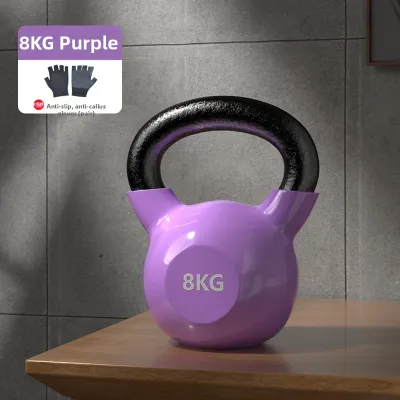
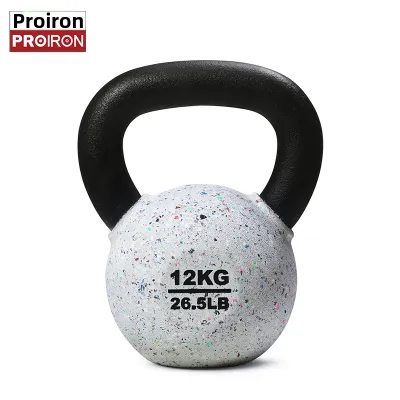
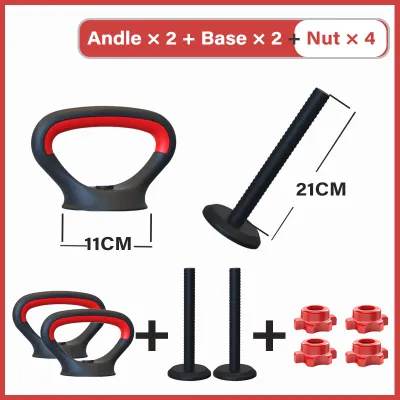
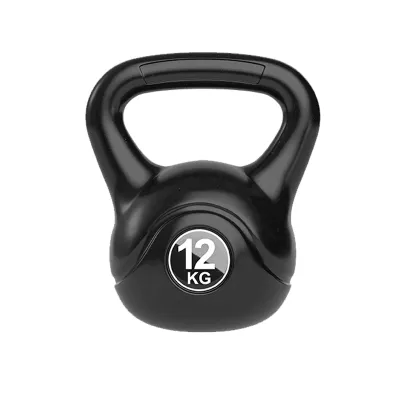
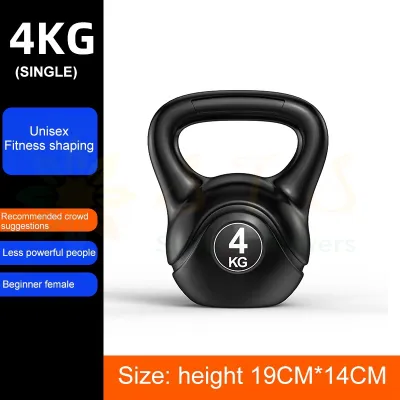
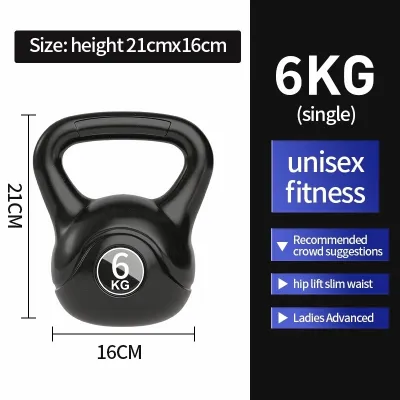
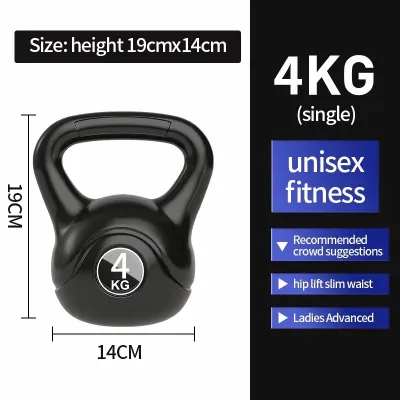

Prices are valid at publication and may change. Please refer to the product page for the latest price.
Assess Your Current Fitness and Strength Level
To find your ideal starting point, you must honestly evaluate your current physical capabilities rather than relying on what you can bench press or deadlift. Kettlebell training is fundamentally different from traditional gym machines or barbell lifts because it relies heavily on multi-joint coordination and ballistic power. We categorize men into three primary fitness tiers to help streamline this decision:
- Beginner: Little to no experience with structured resistance training, or returning from an extended hiatus of several years.
- Intermediate: Consistent gym experience (at least six months to a year) with dumbbells, barbells, or bodyweight exercises, showing familiarity with basic movement patterns.
- Advanced: A strong powerlifting, Olympic lifting, or competitive athletic background, with high proficiency in heavy compound movements.
Before purchasing your first bell from a local sports retailer or online marketplace, perform a quick self-diagnostic check of your mobility and stability. Can you perform a deep bodyweight squat while keeping your heels flat on the floor and your spine neutral? Can you hold a strict forearm plank for 60 seconds without your lower back sagging? If you struggle with these baseline mobility and stability tests, your body is not yet ready to stabilize a heavy, moving iron ball overhead or between your legs.
It is a common mistake to assume that bench pressing 100 kg means you can easily swing a 24 kg kettlebell. Traditional lifts are linear, whereas kettlebell movements are often rotational or ballistic. The offset weight of the kettlebell constantly pulls you out of alignment, forcing your rotator cuffs, deep core stabilizers, and grip muscles to work twice as hard to maintain balance.
Recommended Starting Kettlebell Weights for Men
For Beginners (Little to No Strength Training)
If you are completely new to resistance training, your primary objective is to build neuromuscular pathways and learn how to move safely. For this tier, a starting weight of 8 kg to 12 kg (18 lbs to 26 lbs) is highly recommended. This range is heavy enough to provide physical feedback so you can feel the weight, but light enough that you can easily correct your posture if your form slips.

At this stage, you should focus entirely on foundational, slow-tempo movements. The goblet squat, the suitcase deadlift, and the basic two-handed swing should be your primary focus. These exercises teach your hips how to hinge and your core how to brace, which are the essential building blocks for all advanced kettlebell work.
If you have a history of lower back discomfort, shoulder stiffness, or joint pain, always err on the lighter side of this spectrum. Starting with an 8 kg bell allows you to safely test your joints’ tolerance to resistance without risking a flare-up.
For Intermediate Lifters (Regular Gym Experience)
Men who already lift weights regularly but are new to kettlebells should generally start with a 12 kg to 16 kg (26 lbs to 35 lbs) bell. A 12 kg bell is excellent for learning unilateral overhead movements, while a 16 kg bell serves as the gold standard starting weight for two-handed swings and squats.
Your existing muscle mass will help you handle the weight, but you must adapt to the displaced center of gravity. This displacement requires intense grip activation and continuous core stabilization. You will quickly realize that keeping a 16 kg kettlebell stable overhead requires far more effort than pressing a 16 kg dumbbell.
Even if you can comfortably deadlift a heavy barbell, do not immediately jump to a heavy kettlebell for ballistic movements. The sheer velocity of a kettlebell swing multiplies the force acting on your spine and hips at the bottom of the movement. Start with the recommended intermediate range to master the timing of the hip hinge before moving up.
For Advanced Athletes (Strong Strength Base)
If you are an experienced strength athlete, powerlifter, or competitive sportsperson, your starting range for lower-body and ballistic exercises can safely sit between 16 kg and 24 kg (35 lbs to 53 lbs). Your body already understands how to generate power from the hips and maintain a rigid, braced spine under load.
However, even the strongest athletes must exercise caution. For highly technical, overhead, or unilateral movements like the Turkish get-up, windmill, or strict overhead press, you should temporarily drop down to a 12 kg to 16 kg bell. These movements demand specialized shoulder mobility and rotary stability that traditional barbell training rarely addresses.
Using sub-maximal loads allows your nervous system to groove the specific motor patterns required for clean transitions and snatches. Rushing into heavy reps with a 24 kg bell before your wrists and shoulders are conditioned to the rotational impact of the kettlebell will inevitably lead to painful bruising, joint strain, or worse.
Adjusting Weight by Exercise Type
It is a common misconception that you can complete an entire kettlebell workout program using only one weight. Because different exercises target wildly different muscle groups, a single bell will eventually become either too light for your lower body or too heavy for your upper body. Understanding how to categorize these movements is key to structuring your workouts.
- Lower-Body and Ballistic Exercises: Movements like the two-handed swing, clean, goblet squat, and deadlift utilize the massive muscle groups of your posterior chain—your glutes, hamstrings, and spinal erectors. Because these muscles are built for high power output, they require a heavier weight to be properly stimulated. For these movements, most intermediate men will quickly progress to a 16 kg or 20 kg bell.
- Upper-Body and Grind Exercises: Movements like the strict overhead press, Turkish get-up, windmill, and bent press rely on the smaller stabilizing muscles of the shoulder girdle and rotator cuff. These are "grind" movements, performed slowly and with high control. Because these smaller muscle groups have a lower load capacity, they require a significantly lighter bell—often 4 kg to 8 kg lighter than your swing weight.
If your budget and workout space allow, investing in a minimal two-bell setup is highly beneficial. For an intermediate lifter, a combination of a 12 kg bell (for presses and get-ups) and a 16 kg bell (for swings and squats) provides an incredibly versatile training system. Prices for quality cast iron kettlebells in the Philippines typically range from ₱1,500 to ₱4,500 depending on the weight, making a two-bell setup a highly cost-effective home gym solution. If you are limited to a single kettlebell, you can modify your training variables instead. Increase the complexity of the movement, perform single-leg variations, or slow down the eccentric (lowering) phase of the lift to make a lighter bell feel much more challenging.
Signs You Need to Upgrade to a Heavier Kettlebell
Progressive overload is just as important in kettlebell training as it is in traditional weightlifting. To continue building strength, endurance, and muscle, you must recognize when your current bell is no longer challenging your body.
Look for clear physical indicators during your sessions. If you can complete high-repetition sets (such as 20 to 25 perfect swings or 10 overhead presses per side) without your heart rate elevating significantly or your muscles feeling fatigued, it is time to move up. Another telltale sign during the kettlebell swing is if the bell feels “floaty” or weightless at the apex without you actively driving through your glutes; this indicates that your hip extension power has outgrown the resistance.
True progression requires “owning” the weight. This means you can control the kettlebell smoothly through every single inch of the movement, including the eccentric lowering phase, without letting gravity pull you out of position. If you can pause mid-squat or lower an overhead press with absolute control and zero shaking, you have earned the right to upgrade.
When you are ready to transition, the standard weight jump increment for men is 4 kg (approximately 9 lbs). Jumping from 12 kg to 16 kg, or 16 kg to 20 kg, is the safest way to progress. Avoid larger jumps, as a 4 kg increase represents a massive percentage jump in resistance that can easily compromise your technique if you are not prepared.
Safety and Form Checks Before Increasing Weight
Before you reach for a heavier iron bell, you must ensure your movement patterns are flawless. In sports and fitness, equipment cannot replace sound physical mechanics and sober self-assessment. If your technique breaks down even slightly under your current load, increasing the weight will only amplify those structural flaws and increase your risk of injury.
Pay close attention to critical red flags during your training sessions. If you notice your lower back rounding at the bottom of a swing, your wrists getting bruised or slammed during cleans, or a pinching sensation in your shoulder during overhead presses, stop immediately. These are clear indicators that either your form is failing or the weight is too heavy for your stabilizing muscles to handle.
Always prioritize the “form over weight” rule: if your technique degrades on the very first repetition of a set, the weight is simply too heavy for your current level. To ensure you are moving safely, consider using your smartphone to record your sets from multiple angles. Reviewing your footage allows you to check for a neutral spine, proper hip hinge timing, and vertical forearm alignment. If you are unsure, booking a single diagnostic session with a certified kettlebell instructor can save you months of frustration and prevent costly injuries.
Frequently Asked Questions (FAQ)
Is a 16 kg kettlebell too heavy for a beginner man?
For a naturally strong beginner or someone with some manual labor experience, a 16 kg kettlebell can be an excellent starting weight for lower-body movements like deadlifts and basic goblet squats. However, for learning the dynamic mechanics of the swing, or for performing overhead presses, a 16 kg bell is generally too heavy for an untrained beginner. Starting with a 16 kg bell for upper-body work risks straining the shoulder joints or lower back; it is far safer to learn the movements with a 12 kg bell first.
Can I use the same kettlebell weight for swings and presses?
While you can use a single bell for both exercises initially, you will quickly find that your legs and hips are capable of generating vastly more power than your shoulders and arms. Your posterior chain is designed to handle heavy loads, meaning your swing weight will naturally outpace your strict overhead press weight. To continue progressing safely, most men will eventually need to use a heavier kettlebell for swings and a lighter one for overhead grinds.
How do I know if my kettlebell form is correct before adding weight?
The most reliable way to validate your form is through video analysis or professional feedback. Record yourself from the side during swings to verify that your hips are driving the movement rather than your lower back or arms, and ensure your spine remains perfectly neutral throughout. You can also consult highly regarded, official instructional videos from certified federations. If you want absolute certainty before purchasing a heavier, more expensive bell, investing in a single coaching session with a certified instructor is the best way to audit your technique.
Community discussion
Share your experience or ask a question. Comments are reviewed before publication.