
When shopping for home fitness equipment in the Philippines, finding a machine that survives daily use is essential. The tropical climate, high humidity, and heavy seasonal rains mean indoor cardio is often the most reliable option for consistent training. If you plan on using your machine daily, or if multiple family members will share it, a standard entry-level model may quickly show signs of wear. A heavy duty treadmill is defined by its structural integrity, motor capacity, and premium materials designed to handle high weight loads and intense, frequent running without overheating or breaking down.
Unlike standard models that prioritize compact storage and low initial cost, these robust machines are engineered for longevity, joint protection, and absolute stability. Understanding the key specifications that differentiate true heavy-duty equipment from marketing claims ensures you make a smart investment for your long-term fitness goals.
Defining "Heavy Duty" in Treadmills
In the fitness equipment industry, “heavy duty” represents a specific class of construction designed to withstand frequent, high-impact use. While standard home treadmills are often lightweight, highly foldable, and built for occasional walking, heavy-duty models are closer in design to commercial gym equipment. They are engineered to handle sustained daily operation, heavier user weights, and faster running speeds without shaking, slipping, or overheating.
Products mentioned in this guide
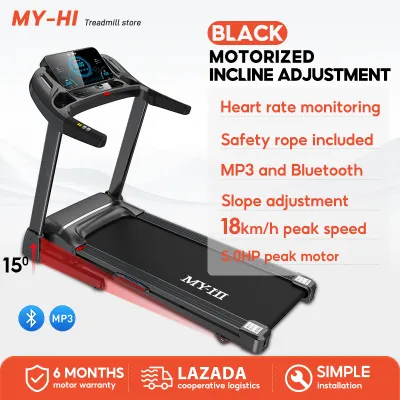
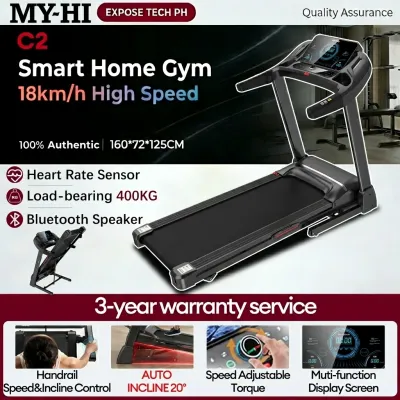
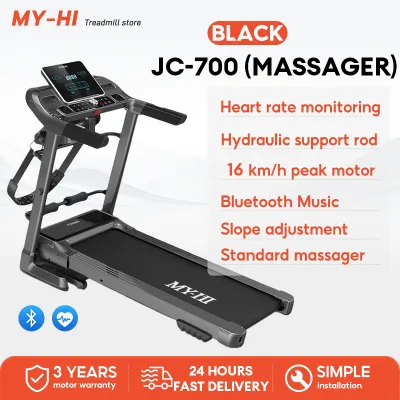
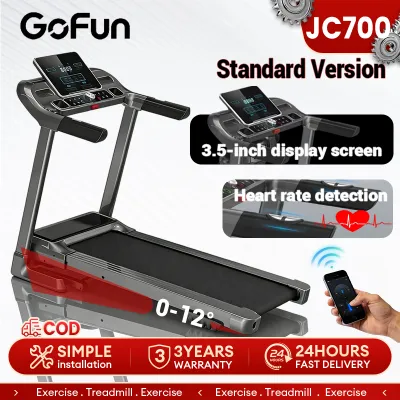
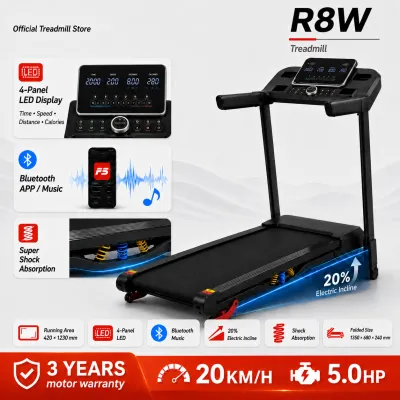
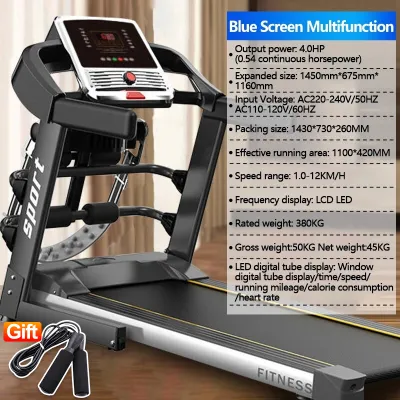
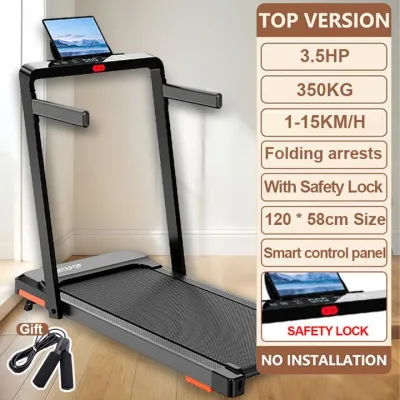
Prices are valid at publication and may change. Please refer to the product page for the latest price.
This level of performance is achieved through a combination of robust structural and mechanical specifications. Instead of relying on thin metal tubes and plastic joints, a heavy-duty model uses thick steel frames, powerful industrial-grade motors, and multi-layered running decks. These machines prioritize durability and user safety over lightweight portability. While they require a larger initial budget—often ranging from ₱50,000 to well over ₱120,000 in local fitness equipment stores—their extended lifespan and superior joint cushioning provide better value over time by reducing the need for frequent repairs.
Motor Power: Continuous vs. Peak Horsepower
The motor is the heart of any treadmill, and understanding its power rating is crucial to identifying a truly durable machine. When comparing specifications, you will encounter two main terms: Continuous Horsepower (CHP) and Peak Horsepower (PHP). Distinguishing between these two metrics is vital to avoiding common retail pitfalls.

Continuous Horsepower represents the motor’s ability to maintain a specific power output continuously over long periods without losing speed or overheating. In contrast, Peak Horsepower indicates the maximum power the motor can generate for a brief moment under extreme load, which is not sustainable for a standard workout. For a heavy duty treadmill, CHP is the only metric that matters. Look for a machine with a minimum of 3.0 to 4.0 CHP if you plan on running regularly or have multiple users in your household.
Your body weight and fitness activities directly dictate your motor requirements:
- Walking and Light Jogging: A motor with 2.5 to 3.0 CHP is generally sufficient for lighter use.
- Regular Running and Sprinting: A motor with 3.0 to 3.5 CHP provides the necessary power to keep the belt moving smoothly at higher speeds.
- Heavy Use or Heavier Users: If the primary user weighs over 100 kg, or if the machine will run for several hours a day, aim for 3.5 to 4.0 CHP.
Be cautious of over-specifying your motor if your primary activity is low-speed walking. An excessively large motor running at very low speeds can sometimes run less efficiently. Additionally, always verify the manufacturer’s motor warranty terms. A warranty of five to ten years—or even a lifetime warranty on the motor—is a strong indicator of the manufacturer’s confidence in the machine’s heavy-duty capabilities.
Weight Capacity and Frame Construction
A treadmill’s physical stability depends heavily on its frame construction and overall machine weight. A heavy machine might be more challenging to set up initially, but that weight is exactly what prevents the console from shaking and the belt from slipping when you run at high speeds.
Heavy-duty models are constructed using heavy-gauge welded steel rather than bolted aluminum or lightweight alloys. Welded steel frames offer superior structural rigidity, minimizing frame flex and reducing the vibrations transmitted to your joints and floor. When evaluating stability, compare the machine’s net weight to its maximum user weight capacity. A high-quality heavy-duty machine often weighs 100 kg or more, allowing it to remain completely anchored during intense sprints.
When checking the stated weight capacity, always apply a safety margin. If the heaviest user in your household weighs 110 kg, do not buy a treadmill with a maximum capacity of exactly 110 kg. Operating a machine at its absolute limit strains the motor, wears out the belt quickly, and causes the deck to flex excessively. Instead, choose a treadmill with a weight capacity that is at least 20 to 30 kg higher than your heaviest user. Always cross-reference the official user manual or detailed specification sheet to verify these limits, as promotional retail listings can sometimes display exaggerated weight ratings.
Furthermore, in the humid tropical environment of the Philippines, look for frames treated with rust-resistant powder coating. High humidity and sweat can quickly corrode unprotected steel, compromising the structural integrity of the frame over time.
Running Surface: Deck Thickness and Belt Quality
The running deck and belt experience the most direct wear and tear during your workouts. A heavy-duty running surface must absorb thousands of high-impact footstrikes while maintaining a smooth, consistent glide.
First, examine the belt construction. Standard treadmills often use thin, single-ply belts that stretch easily, fray at the edges, and build up static heat. Heavy-duty models feature multi-ply belts (typically 2-ply, 3-ply, or orthopaedic belts) with a thick, woven cotton or polyester backing. These thicker belts resist stretching, run quieter, and handle heat buildup much better, which is crucial in non-airconditioned home gyms during hot summer months.
Second, verify the deck thickness and material. Look for a deck made of high-density fiberboard (HDF) or specialized composite materials with a thickness of at least 1 inch (2.5 cm). Thinner decks are prone to cracking or warping under heavy loads. Many premium heavy-duty machines also feature reversible decks. Once the top side of the deck eventually wears down after years of use, a technician can flip it over, effectively doubling the lifespan of the running surface.
Finally, consider the dimensions of the running area. For tall users or those with a long running stride, a deck measuring at least 50 cm wide and 150 cm long is recommended to ensure you do not accidentally step onto the side rails or motor hood.
Specs That Do Not Define Heavy-Duty Performance
When shopping, it is easy to get distracted by high-tech features and modern aesthetics. However, many of these additions have no bearing on the actual durability or mechanical performance of the machine.
Large HD touchscreens, built-in Bluetooth speakers, USB charging ports, and integrated workout apps are excellent for entertainment, but they do not make a treadmill “heavy duty.” A machine with a massive 22-inch screen can still have a weak 1.5 CHP motor and a flimsy plastic frame. If a manufacturer allocates a significant portion of the production budget to digital consoles, they may compromise on the core mechanical components to keep the price competitive.
If your goal is long-term durability, prioritize your budget toward the motor, frame construction, and deck quality. A simple, basic console paired with a commercial-grade motor and steel frame will outlast a high-tech model with subpar internal components every time. You can always mount a tablet or phone to a basic console for entertainment, but you cannot easily upgrade a weak motor or a fragile frame.
Frequently Asked Questions (FAQ)
Does a heavier treadmill mean it is harder to move?
Yes, heavy-duty treadmills are significantly heavier and more difficult to lift than budget models due to their solid steel frames and large motors. However, most quality models include integrated transport wheels to help you roll the machine across flat surfaces. If you need to fold and store the treadmill in a shared living space after use, look for models equipped with hydraulic folding assist mechanisms. These systems use gas shocks to help lift and lower the heavy deck safely, reducing physical strain.
What maintenance is required to keep a heavy duty treadmill running smoothly?
To protect your investment, regular maintenance is essential. First, check your manufacturer’s instructions to determine the exact lubrication schedule and approved lubricant type, which is typically 100% liquid silicone. Applying lubricant under the belt reduces friction, lowering the operating temperature of the motor and preventing premature wear. Second, periodically check the belt tension and alignment; heavy use can cause the belt to stretch or shift off-center. Finally, keep the area around the treadmill clean. Vacuum the surrounding floor and occasionally remove the motor cover (after unplugging the machine) to dust the internal components, as pet hair and dust can clog the motor fan and cause overheating.
Community discussion
Share your experience or ask a question. Comments are reviewed before publication.