
Quick Answer: What Makes a Treadmill Heavy Duty?
When searching for a reliable home workout solution, finding a true treadmill heavy duty model means looking far beyond the promotional stickers on the console. A heavy-duty treadmill is defined by its engineering—specifically, its ability to withstand frequent, high-impact workouts by multiple users or heavier individuals without overheating, flexing, or wearing out prematurely.
Many manufacturers label their machines as heavy-duty simply because they look bulky or weigh more than budget models. However, true durability is determined by verifiable specifications rather than marketing claims. To find a machine that will last under intense daily use, you must evaluate four core components: continuous motor power, dynamic weight capacity, frame construction, and deck thickness.
Motor Power: Why Continuous Horsepower Matters
The motor is the heart of any treadmill, and its capability determines how long the machine can run before overheating. When comparing specifications, you will encounter two primary measurements: Continuous Duty Horsepower (CHP) and Peak Horsepower.
Products mentioned in this guide
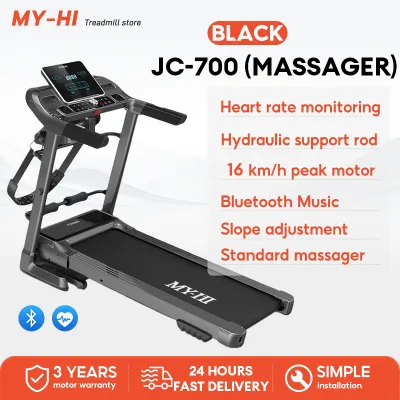
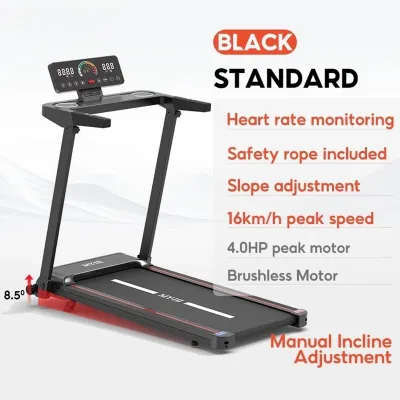
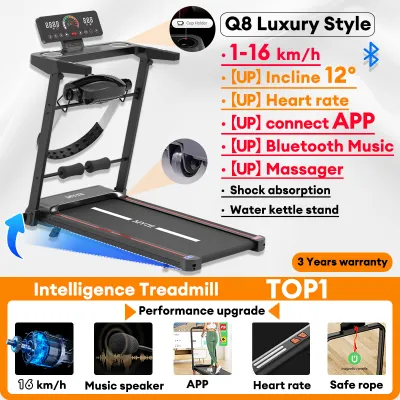
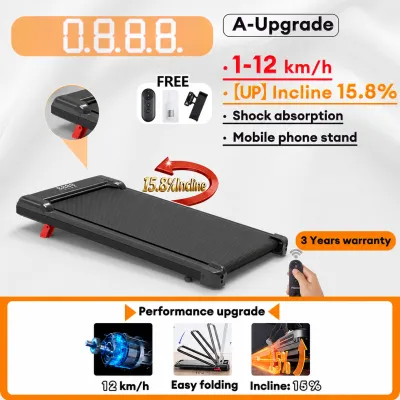
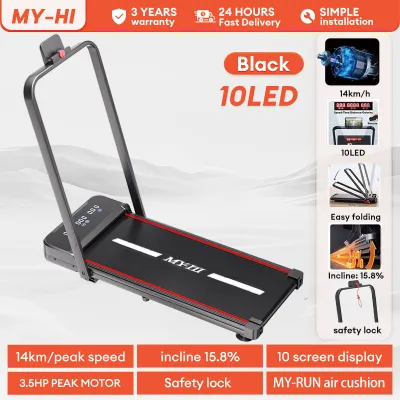
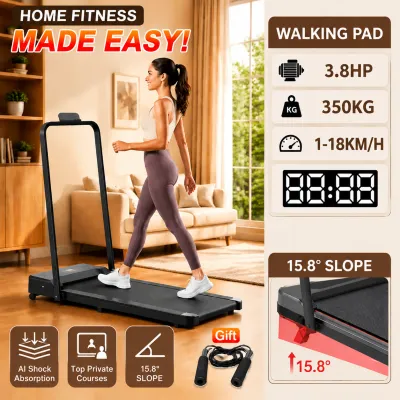
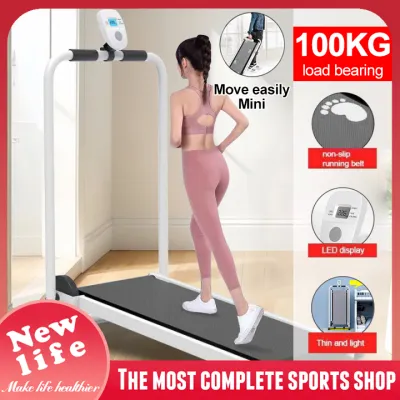
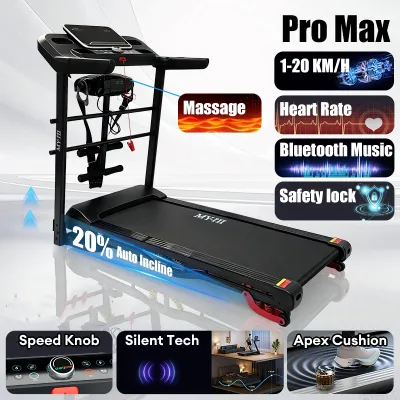
Prices are valid at publication and may change. Please refer to the product page for the latest price.

Peak Horsepower represents the maximum power a motor can produce for a brief moment, such as during startup. This is often used as a marketing hook because the number is high, but it does not reflect actual performance during a workout.
For continuous, reliable operation, you must look for the Continuous Duty Horsepower (CHP) rating. CHP measures the sustained power a motor can deliver over a prolonged period without losing speed or overheating.
To choose the right motor size, match the CHP rating to your primary fitness activity and household size. If you plan to use the machine primarily for walking, a motor with 2.5 to 3.0 CHP is generally sufficient.
If your routine includes daily jogging or moderate running, look for a motor with at least 3.0 to 3.5 CHP. For dedicated runners, high-speed training, or households where multiple people use the machine back-to-back, a minimum of 4.0 CHP is recommended to prevent the motor from straining under rapid foot strikes.
In tropical climates like the Philippines, where high ambient temperatures and humidity can accelerate motor wear, internal cooling mechanisms are crucial. Look for motors equipped with internal fans or heavy-duty heat sinks that help dissipate heat during long sessions.
A manufacturer’s confidence in their motor is typically reflected in the warranty terms. High-quality, heavy-duty motors often come with a lifetime warranty, or at least a 10-year coverage period, which serves as a strong indicator of component durability.
Frame and Weight Capacity: Supporting Dynamic Impact
Understanding Weight Capacity Limits
Every treadmill comes with a maximum user weight rating, but this number can be misleading if you do not account for the physics of exercise. A static weight limit measures what the machine can support when someone is standing still, which does not reflect the actual forces of a workout.
When you run, your feet strike the deck with a force that can equal two to three times your actual body weight. This dynamic impact places immense stress on the frame, motor, and deck with every stride.
To ensure the machine can handle these dynamic forces safely, it is wise to apply a safety buffer to the manufacturer’s rating. Add approximately 20 to 30 kilograms to your actual body weight, and use that adjusted figure as your minimum target when evaluating a treadmill’s maximum weight capacity.
Choosing a machine with this buffer prevents premature motor strain, reduces frame flexing, and ensures the belt maintains a smooth, consistent speed during your stride.
Frame Materials and Structural Design
The structural integrity of a heavy-duty treadmill relies heavily on the quality of its frame materials and overall construction. Premium models utilize heavy-gauge alloy steel or high-grade aluminum to form a rigid, unyielding foundation.
Look for frames that feature fully welded joints rather than those held together entirely by bolts, as bolts can loosen over time under the constant vibration of running. Reinforced uprights and thick steel crossbars are also essential for preventing lateral wobble when running at high speeds.
You can often verify the quality of a frame by checking its physical weight and warranty. Heavy-duty frames are naturally heavy, often exceeding 100 kilograms, and reputable brands almost always offer a lifetime warranty on the frame structure, indicating it is built to survive years of pounding.
Deck and Belt: Durability and Joint Protection
The running deck and belt are the direct contact points for every workout, making their construction critical to both machine longevity and your physical safety. A standard treadmill deck may flex excessively or even crack under heavy loads, whereas a heavy-duty deck is engineered to remain rigid and flat.
Look for a deck thickness of at least 25 millimeters (1 inch) made from multi-ply, medium-density fiberboard (MDF) or phenolic-coated wood. Phenolic coatings act as a built-in lubricant, reducing friction between the belt and the deck, which in turn lowers the operating temperature and extends the life of both the belt and the motor.
Belt dimensions are equally important, especially for taller or heavier runners who have a wider natural stride. A heavy-duty running belt should measure at least 50 centimeters (20 inches) wide and 150 centimeters (60 inches) long to provide ample room for safe, unconstrained movement.
In addition to size, check the thickness of the belt itself; heavy-duty models typically feature 2-ply or 4-ply belts, which are thicker, less prone to stretching, and provide better sound insulation than thin, single-ply budget belts.
A robust deck must work in tandem with an effective cushioning system to protect your joints from repetitive stress. Look for adjustable elastomeric shock absorbers beneath the deck that can absorb impact forces without making the running surface feel mushy or unstable.
Proper cushioning reduces the risk of knee and ankle strain, allowing you to train longer and more comfortably, which is particularly vital if you are recovering from an injury or carrying extra body weight.
How to Match Specs to Your Workout Needs
Selecting the right heavy-duty treadmill requires balancing your household’s specific fitness goals with the technical limits of the machine. Overbuying can lead to unnecessary expenses, while underbuying can result in frequent breakdowns and costly repairs.
For casual walking or light jogging by a single user under 90 kilograms, a treadmill with a 3.0 CHP motor and a 135-kilogram weight capacity will provide excellent durability. This setup ensures the machine operates well within its mechanical limits without being pushed to its capacity.
If your household includes dedicated runners or multiple daily users, prioritize a machine with at least a 3.5 to 4.0 CHP motor, a welded steel frame, and a minimum weight capacity of 160 kilograms. These specifications ensure the motor can handle consecutive workouts without overheating.
Keep in mind that true heavy-duty treadmills have a substantial physical footprint and are often non-folding or feature heavy, hydraulic-assisted folding mechanisms. Measure your workout space carefully, ensuring you have at least two meters of clear space behind the machine and one meter on either side for safety.
Given the weight and complexity of these machines, after-sales support is a crucial consideration for buyers in the Philippines. Heavy fitness equipment requires professional assembly, periodic belt tensioning, and specialized lubrication to withstand local humidity and dust.
Before purchasing, verify that the distributor offers direct delivery, professional installation, and a reliable local warranty service that covers both parts and on-site technician labor. Having access to local spare parts and trained technicians ensures your investment remains operational for years to come.
Frequently Asked Questions (FAQ)
Is a heavier treadmill always better?
While heavy-duty treadmills are physically heavier due to robust steel frames and larger motors, shipping weight alone is not a guarantee of performance. Focus on structural design, welded joints, and verified weight capacity rather than sheer mass. A heavy machine that uses low-quality internal components will still fail prematurely, so always prioritize motor specifications and frame construction details over total shipping weight.
Do heavy duty treadmills require special floor mats?
Yes, placing a high-density equipment mat beneath a heavy-duty treadmill is highly recommended. These mats protect your flooring from high point-loads and scratches, prevent the machine from slipping during intense workouts, and significantly reduce vibration transfer. This is especially important in multi-story homes or apartments, where structural vibrations can create disruptive noise for neighbors or other rooms.

Community discussion
Share your experience or ask a question. Comments are reviewed before publication.