
Starting your martial arts journey does not require a massive upfront investment in high-end gear. As a complete beginner stepping onto the mats for Mixed Martial Arts (MMA) or Brazilian Jiu-Jitsu (BJJ), your immediate needs are remarkably simple. On day one, you only need basic athletic wear, a water bottle, and essential hygiene items.
Investing in specialized martial arts training equipment should only happen after you have confirmed your long-term commitment and understand your specific gym’s requirements. Most training centers allow newcomers to borrow basic communal gear, such as boxing gloves or shin guards, during their trial periods. This trial window gives you the perfect opportunity to assess your interest before spending your hard-earned money.
By delaying major purchases, you protect your budget and gain a clearer understanding of what gear fits your training style. This guide will help you distinguish between what you absolutely need for your first week and what can wait.
Products mentioned in this guide
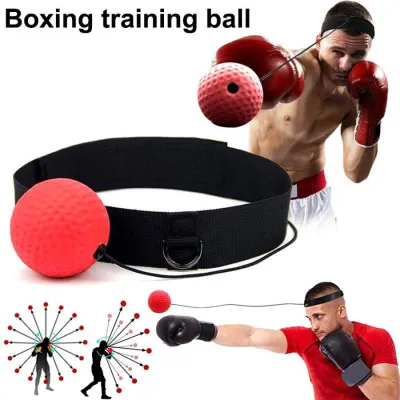
Prices are valid at publication and may change. Please refer to the product page for the latest price.
Assess Your Needs: Signs You Are Ready to Invest
Before browsing online marketplaces for premium gear, take a step back and evaluate your training status. The most reliable signal that you are ready to invest in personal equipment is completing your first full week or two of trial classes. If you find yourself eager to return to the mats after experiencing the physical demands of grappling and striking, you have passed the first major decision boundary.
Your weekly training frequency is another critical metric to consider. If you only plan to train once a week, a single set of basic apparel and minimal protective gear will suffice. However, if you commit to three or more sessions weekly, you will quickly realize that laundry turnaround times and gear maintenance dictate your purchasing schedule.
Take full advantage of the “borrow and observe” approach during your first few sessions. Observe what senior students and instructors wear during training. Notice which brands endure the daily wear and tear of sparring, and ask your peers about their experiences with specific gear. This observational period prevents you from buying low-quality items that fail after a few washes.
Always consult your head coach before purchasing any specialized or high-cost items. Many gyms have strict rules regarding gear colors, branding, or specific safety certifications for sparring equipment. A quick conversation with your instructor can save you from buying a premium BJJ gi or striking gloves that do not comply with gym policies.
The Absolute Essentials: Basic Martial Arts Training Equipment
Apparel and Hygiene Basics
When selecting your training apparel for no-gi BJJ or MMA, safety and functionality must come first. Your clothing should consist of form-fitting rash guards and compression shorts or spats. Standard athletic shorts are acceptable, but they must be strictly free of zippers, buttons, metal eyelets, or deep pockets. These design elements pose a severe safety risk, as fingers and toes can easily get caught in loose pockets during intense grappling exchanges, leading to painful fractures or sprains.

Hygiene on the mats is a non-negotiable aspect of martial arts culture that directly impacts your health and that of your training partners. A pair of dedicated slip-on sandals or flip-flops is mandatory for walking anywhere off the training mats, especially into restrooms. Stepping onto dirty floors barefoot and then returning to the canvas introduces harmful bacteria and fungi to the training area, which can lead to highly contagious skin infections.
Additionally, always pack a clean, dedicated gym towel and antibacterial soap. In warm climates, showering immediately after class is the single most effective way to prevent skin issues like ringworm or staph. Once home, ensure your wet gear is washed immediately; leaving damp apparel in a closed gym bag creates an ideal breeding ground for stubborn mold and lingering odors.
Basic Protective Gear for Initial Sparring
As you transition from basic drills to light contact, certain protective items become completely non-negotiable. A standard boil-and-bite mouthguard is the most critical piece of safety gear you will buy. Even during light drilling, accidental head collisions or stray elbows can occur, and a properly fitted mouthguard absorbs impact, protecting your teeth, lips, and jaw from severe injury.
For male practitioners, a high-quality groin guard is another immediate essential. Unintentional low kicks or knee strikes are common occurrences when beginners are learning to manage distance. Investing in a comfortable, secure athletic cup ensures you can drill striking and grappling techniques with confidence and peace of mind.
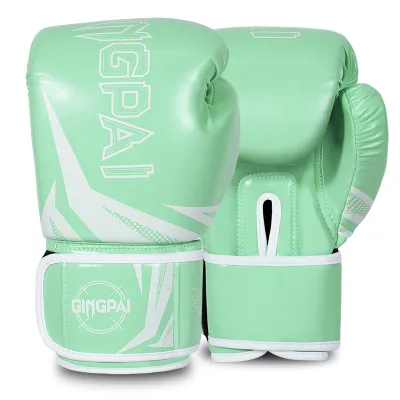
While many gyms provide communal boxing gloves for trial students, buying your own pair is highly recommended once you commit. A pair of 16oz boxing gloves is the industry standard for safe sparring and pad work, as the extra padding protects both your hands and your partner’s face. Before purchasing, verify your gym’s specific weight and material requirements, as some facilities mandate specific glove sizes or synthetic leather types for safety reasons.
Optional Upgrades: When to Invest in Specialized Gear
Gi vs. No-Gi Specifics
Deciding whether to buy a traditional BJJ uniform, known as a Gi, depends entirely on the classes you choose to attend. If your gym focus is strictly no-gi BJJ or MMA, you will never need to purchase a Gi. However, if you decide to pursue traditional BJJ, you will eventually need at least one reliable uniform to participate in structured classes.
When buying your first Gi, look for a pearl weave fabric. Pearl weave is widely regarded as the ideal beginner standard because it balances durability with a manageable weight, ensuring it can withstand heavy pulling without feeling excessively heavy. Be sure to check your gym’s uniform policy before ordering; some traditional academies strictly require white, blue, or black Gis, and some may even mandate that you only wear uniforms featuring the official gym patch.
Advanced Protection and Training Tools
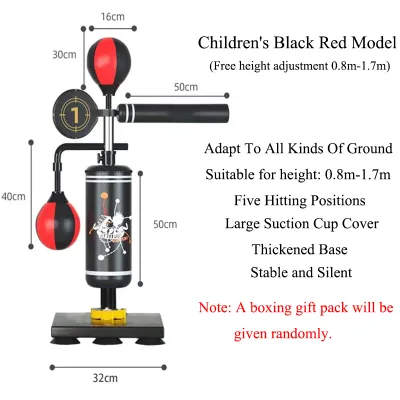
There is a vast array of advanced martial arts training equipment that you should actively avoid buying during your first few months. Items such as custom-molded dental mouthguards, premium leather shin guards, protective headgear, and home heavy bags are unnecessary expenses for a novice. These tools are designed for high-intensity training environments that you will not encounter as a beginner.
You should only consider upgrading to these advanced items when your training intensity increases significantly. For instance, premium leather shin guards become necessary only when you transition to consistent, hard sparring sessions where cheaper foam guards fail to protect your shins. Similarly, custom mouthguards and headgear are investments best reserved for when you decide to prepare for amateur competitions or advanced sparring classes.
Smart Buying and Care Tips for Training in the Philippines
Training in a tropical climate presents unique challenges for maintaining your martial arts training equipment. The high humidity levels mean that thick fabrics and leather gear take significantly longer to dry, making them highly susceptible to bacterial growth and unpleasant odors. To combat this, look for lightweight, quick-dry synthetic fabrics for your rash guards and spats, and plan to own at least two sets of basic apparel if you train multiple times a week.
Proper gear care is essential for extending the lifespan of your investments. Never leave your sweaty gear sitting inside a zipped gym bag overnight; instead, hang your gloves, shin guards, and apparel in a well-ventilated area with indirect sunlight immediately after returning home. Strictly follow the manufacturer’s washing instructions, avoiding fabric softeners on rash guards as they can clog the breathable fibers and trap sweat odors permanently.
When budgeting in Philippine Pesos, prioritize your funds toward high-wear, hygiene-critical items rather than expensive branded outerwear. An entry-level, durable rash guard typically costs between ₱500 and ₱1,500, while a reliable boil-and-bite mouthguard can be found for under ₱1,000. Allocate your budget to these personal protective items first, and save premium purchases like ₱5,000 designer Gis or imported leather gloves for when you have established a consistent, long-term training routine.
Frequently Asked Questions (FAQ)
Can I use running shoes for MMA or BJJ training?
No, running shoes are strictly prohibited on the training mats. Both MMA and BJJ are practiced barefoot to ensure optimal grip, balance, and natural movement on the canvas. Wearing shoes on the mats can cause painful mat burns, damage the vinyl surface, and pose a serious injury risk to your training partners during grappling exchanges. Keep your running shoes in your gym bag and only wear clean slip-on sandals when stepping off the mat.
Do I need headgear as a complete beginner?
No, headgear is generally not required or recommended for complete beginners. During your initial months of training, your focus will be on learning fundamental movements, controlled drilling, and light positional sparring. These activities do not involve the high-impact strikes or intense wrestling scrambles that warrant head protection. You should only consider headgear later in your journey if your coach explicitly recommends it for advanced sparring.
Community discussion
Share your experience or ask a question. Comments are reviewed before publication.