
Starting a home Pilates practice is highly accessible because the entry barrier is remarkably low. To begin, you do not need a room filled with expensive, heavy machinery like reformers or towers. The only absolute essential you need to start practicing Pilates at home is a high-quality, supportive mat. While accessories like resistance bands, grip socks, and fitness gloves can enhance your workouts later, they are entirely optional during your first few weeks. Focusing on mastering bodyweight control and core engagement on a stable surface is the most effective way to build a safe, consistent practice.
Assess Your Current Practice and Space
Before purchasing any pilates equipment, evaluate your current fitness level and the physical space available in your home. Pilates is highly versatile, but different styles require different setups. If you are a complete beginner following free online mat Pilates videos, your physical requirements will be minimal. However, if you are transitioning from a professional studio and plan to follow intermediate reformer-style workouts adapted for the floor, your equipment needs will naturally differ. Start by identifying the specific style of instruction you intend to follow so you do not buy unnecessary accessories.
Next, take a realistic look at your workout environment. A proper Pilates session requires more than just enough floor space to lay down a mat. You must be able to extend your arms and legs fully in every direction without colliding with furniture, walls, or low-hanging fixtures. To test your space, lie down on the floor and perform a full snow-angel motion with your arms and legs, then sit up and reach forward and backward. If you constantly have to adjust your position to avoid hitting a table or doorway, you need to clear the area before starting.
Products mentioned in this guide
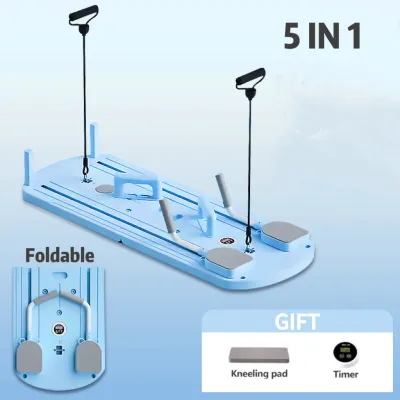
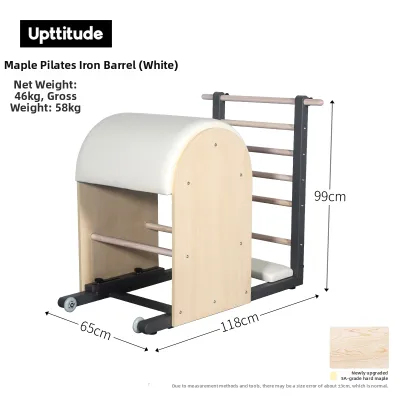
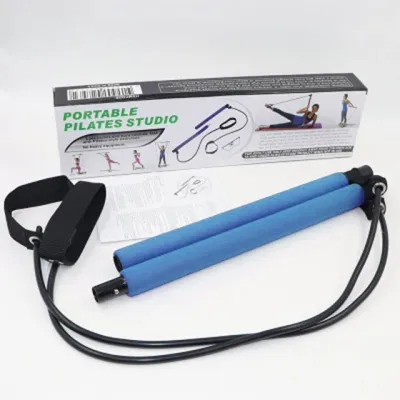
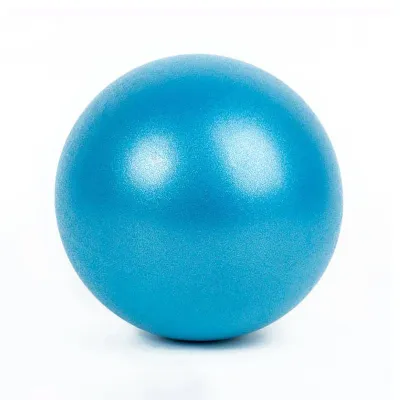

Prices are valid at publication and may change. Please refer to the product page for the latest price.
For beginners, a ‘wait and see’ approach is highly recommended. The foundational movements of Pilates—such as the Hundred, the Roll-Up, and Single-Leg Circles—rely entirely on your ability to control your own body weight against gravity. Buying specialized props before you have mastered these basics can actually hinder your progress. Props can distract you from learning how to properly engage your deep core muscles, particularly the transversus abdominis. Spend at least two to four weeks practicing bare-bones mat exercises before deciding which accessories are worth your financial investment.
The Non-Negotiable Essential: A Proper Yoga Mat
While many people assume any soft surface will do, practicing Pilates on standard thin carpets, living room rugs, or a soft bed is highly discouraged. Pilates involves a significant amount of rolling, spinal articulation, and weight-bearing on your joints. A typical carpet or decorative rug does not provide enough dense cushioning to protect your spine, tailbone, and knees from pressing painfully against the hard floor underneath. Conversely, a sleeping mattress is far too soft and unstable; it absorbs the force you need to generate stability, throwing off your alignment and placing dangerous strain on your wrists and lower back during planks.

When selecting a mat specifically for Pilates, you must look for different specifications than you would for a standard yoga mat. Yoga mats are typically thin—around 3mm to 4mm—to help practitioners maintain balance during standing poses. Pilates mats, however, need to be significantly thicker—ideally between 6mm and 15mm—and made of a high-density material. This thickness provides the necessary shock absorption for your spine during rolling exercises. When you press your fingers into the mat, it should feel firm and resilient rather than squishy; a mat that bottoms out easily under your body weight will not protect your joints.
Living in a tropical climate like the Philippines introduces specific challenges for fitness gear. High humidity and warm temperatures mean you will likely sweat during your workouts, even when practicing indoors. For this reason, you should avoid cheap, open-cell foam mats. Open-cell materials act like a sponge, absorbing sweat, body oils, and moisture from the air. Over time, this leads to persistent odors, bacterial growth, and rapid material breakdown. Instead, look for closed-cell materials such as high-quality Thermal Plastic Elastomer (TPE) or dense, eco-friendly natural rubber. These materials resist moisture absorption, keeping the mat hygienic and providing a more reliable grip when your hands get sweaty.
Proper maintenance is key to extending the lifespan of your mat in humid conditions. After every session, wipe down both sides of the mat with a damp microfiber cloth and a mild, alcohol-free cleaning solution. Avoid using harsh chemical detergents, which can strip away the non-slip texture of the surface. Once cleaned, always allow the mat to air-dry completely in a well-ventilated, shaded indoor area before rolling it up. Never leave your mat to dry in direct tropical sunlight, as intense UV rays can cause TPE and natural rubber to dry out, crack, and lose their elasticity within a few weeks.
Evaluating Optional Accessories: Bands and Gloves
Once you have established a consistent routine on your mat, you might begin to consider adding accessories to your setup. It is important to understand that in Pilates, accessories are not just tools to make workouts harder; they are used to provide progressive overload or offer sensory feedback. Progressive overload involves gradually increasing the resistance your muscles must overcome, which stimulates strength gains. Sensory feedback helps you feel which muscles are working, allowing you to correct your posture and alignment in real-time. Let us evaluate two of the most common accessories beginners consider: resistance bands and fitness gloves.
Resistance Bands: Adding Tension Progressively
Resistance bands are highly effective because they closely simulate the spring-based tension used on traditional studio reformer machines. Unlike free weights, which rely on gravity and provide constant resistance, elastic bands provide progressive resistance—meaning the tension increases as the band is stretched. This mimics the natural strength curve of human muscles, offering maximum resistance at the peak of contraction where your muscles are strongest.
You will know it is time to invest in resistance bands when bodyweight exercises no longer feel challenging, or when you struggle to activate specific muscle groups. For example, if you perform glute bridges but struggle to feel your glutes engaging, placing a loop band around your thighs can provide the outward lateral tension needed to wake up those muscles. Conversely, a long, flat resistance band can act as a supportive tool; wrapping it around your feet during a Roll-Up can help pull you up smoothly if your abdominal strength is not quite ready to lift your torso unaided.
When shopping for bands, look for flat, long latex or fabric-blend bands rather than round tubes with bulky plastic handles. Flat bands are much easier to wrap around your feet or hands comfortably without creating painful pressure points. If you live in a warm, humid environment, be aware that pure latex bands can become sticky or brittle over time if exposed to sweat and heat. Fabric-resistance loop bands are an excellent, durable alternative for lower-body work, as they resist rolling up your legs and are highly resistant to snapping.
Fitness Gloves: Grip Support vs. Traditional Barefoot Practice
Many beginners wonder if they should purchase fitness gloves to protect their hands and improve their grip during floor exercises. Traditionally, Pilates is practiced barefoot and barehanded. This barefoot approach is intentional: it maximizes sensory feedback from the floor, allows for full articulation of the joints in your hands and feet, and helps build natural strength in the smaller stabilizing muscles of your ankles, arches, and wrists.
However, there are specific scenarios where fitness gloves can be beneficial. If you suffer from excessive sweating and find your hands constantly slipping during planks, push-ups, or mountain climbers, a pair of lightweight, breathable gloves with silicone palm grips can prevent injury. They can also be useful if you prefer to take your mat outdoors to a local park or balcony, where the surface under your mat might be rough or uneven, or if you want to protect your hands from developing calluses during high-repetition, weight-bearing movements.
Ultimately, fitness gloves are entirely optional for standard home mat Pilates. If slipping on your mat is your primary concern, your first step should be upgrading to a high-density mat with a textured, non-slip surface, or investing in a pair of specialized Pilates grip socks. Grip socks feature silicone traction patterns on the soles, allowing your feet to grip the mat securely while still permitting your toes to move freely, which is much more critical for overall balance and alignment than wearing gloves.
Signs It Is Time to Expand Your Home Studio
As your home practice matures, you will eventually reach a point where your initial setup feels limiting. Recognizing the signs of a fitness plateau can help you make smart, targeted purchases rather than buying unnecessary gadget bundles. A clear sign that you have outgrown a basic mat-only routine is when you can complete your entire workout with perfect form and barely feel your core muscles working the next day. When exercises like the double-leg stretch or side planks no longer challenge your stability, it is time to introduce props that disrupt your balance and force your deep stabilizing muscles to work harder.
Another critical indicator is joint discomfort or physical limitations that prevent you from executing movements correctly. If you experience tight hip flexors or a stiff lower back that makes sitting upright during the Spine Stretch difficult, you do not need to push through the pain. This is a sign that you need supportive props, such as a firm foam block or a folded yoga blanket, to elevate your hips and relieve tension. Similarly, if your knees hurt during kneeling exercises, adding a small foam knee pad can provide the targeted cushioning you need to focus on your form rather than joint pain.
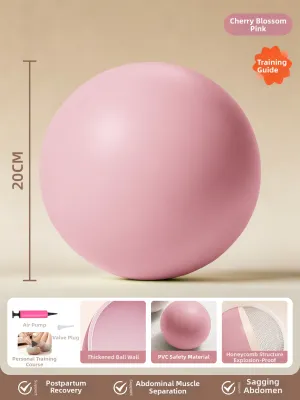
You should also consider expanding your gear when you decide to transition from beginner to intermediate online classes that explicitly require specific props. The most common intermediate Pilates props include the magic circle (a flexible resistance ring), sliding discs, and small stability balls. A magic circle is fantastic for adding isometric resistance to your inner thighs and chest, while sliding discs are excellent for low-impact, fluid core and leg exercises.
When budgeting for these additions, avoid the temptation to buy pre-packaged ‘ultimate Pilates sets’ that contain five or six different items. These sets often contain low-quality props that you may never use. Instead, adopt a systematic approach: identify the specific muscle group or movement pattern you want to target next, and buy one high-quality prop to address it. For instance, if you want to focus on inner-thigh strength and pelvic floor activation, invest in a single, durable Pilates ring. If you want to challenge your balance and spinal mobility, a foam roller or a small stability ball is a far better, more versatile choice.
Frequently Asked Questions (FAQ)
Can I use a thick sleeping mattress instead of a yoga mat for Pilates?
No, using a sleeping mattress for Pilates is highly discouraged because it presents significant safety and stability risks. A mattress is designed to absorb and distribute your body weight to help you sleep, which means it lacks the firm, supportive surface required for balance and core control. When you attempt to perform weight-bearing exercises like planks or side-lying leg lifts on a mattress, your hands and joints sink into the soft surface. This uneven sinking forces your wrists into an extreme, unnatural angle, leading to severe joint strain. Furthermore, the lack of a stable foundation makes it nearly impossible to keep your pelvis neutral, which can cause you to overcompensate with your lower back and increase your risk of injury.
Do I need special shoes for home Pilates?
You do not need special shoes for home Pilates; in fact, practicing barefoot is the gold standard. Working barefoot allows you to fully engage the muscles in your feet and ankles, which are crucial for maintaining balance and proper alignment throughout your entire body. However, if you dislike being barefoot, have cold tile floors, or find yourself slipping on your mat, the best alternative is a pair of specialized Pilates grip socks. These socks are designed with non-slip silicone patterns on the soles to provide traction while keeping your feet warm and hygienic. Avoid wearing standard athletic running shoes during Pilates, as their thick, rigid soles restrict foot movement and prevent you from articulating your ankles and toes properly.
Community discussion
Share your experience or ask a question. Comments are reviewed before publication.