
Finding the right ball for basketball for kids is one of the most important decisions a parent can make to support a young athlete’s development. While it is tempting to buy a standard adult-sized basketball so a child can “grow into it,” using equipment that is too large or heavy can severely hinder their progress. A child’s physical strength, hand size, and coordination are still developing, meaning they require a ball tailored to their current physical capabilities.
Using the correct ball size allows children to build proper shooting mechanics, maintain control while dribbling, and enjoy the game without unnecessary physical strain. This guide provides a comprehensive breakdown of standard youth basketball sizes by age and hand size, helping you choose the perfect fit for your child’s training and play.
The Standard Basketball Size Chart by Age
To help you make an informed decision, youth basketball sizes are standardized globally. These standards ensure that young players use equipment that matches their average physical development at various stages of childhood and adolescence.
Products mentioned in this guide
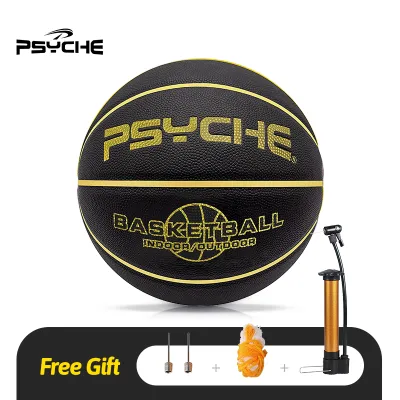
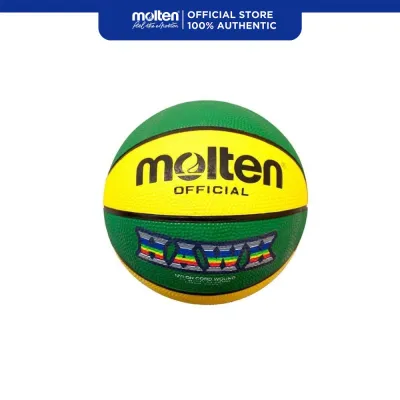
Prices are valid at publication and may change. Please refer to the product page for the latest price.
| Basketball Size | Recommended Age Group | Standard Circumference | Average Weight | Recommended User |
|---|---|---|---|---|
| Size 3 (Mini) | Ages 4 to 8 | 22 inches (approx. 56 cm) | 10 oz (approx. 283 g) | Young boys and girls starting out |
| Size 5 (Youth) | Ages 9 to 11 | 27.5 inches (approx. 70 cm) | 17 oz (approx. 482 g) | Standard youth leagues, boys & girls |
| Size 6 (Intermediate) | Ages 12 to 14 (Boys), Ages 12+ (Girls) | 28.5 inches (approx. 72.4 cm) | 20 oz (approx. 567 g) | Middle school boys, high school/adult women |
| Size 7 (Official) | Ages 15 and up (Boys) | 29.5 inches (approx. 75 cm) | 22 oz (approx. 624 g) | High school, college, and professional men |
While this chart serves as an excellent baseline, individual physical development must always take precedence over age brackets. Children grow at vastly different rates, meaning a tall ten-year-old with larger hands might comfortably handle a Size 6, whereas a smaller child of the same age will struggle with anything larger than a Size 5. Always evaluate your child’s unique physical traits alongside these general guidelines.
Why the Correct Size Matters for Skill Development
Using an incorrectly sized basketball can lead to long-term biomechanical issues that are difficult to correct later in life. When a child attempts to shoot a ball that is too heavy or large, they cannot use proper shooting mechanics. Instead of a smooth, one-handed release with a guide hand, they are forced to “shove” or push the ball with both hands from their chest or shoulder. This habit ruins their wrist flick, compromises their elbow alignment, and prevents them from developing a consistent arc.

Ball handling and dribbling control are also heavily dependent on ball size. Smaller hands cannot properly grip or maneuver an oversized ball, leading to sloppy dribbling habits. When the ball’s surface area is too wide for their fingers to control, children tend to slap at the ball with their palms rather than pushing it with their fingertips. This reduces their reaction time and makes it nearly impossible to learn advanced ball-handling skills like crossovers or change-of-direction dribbles.
There is also a significant psychological aspect to consider. Pushing a heavy ball leads to rapid muscle fatigue, shoulder strain, and frustration. When children struggle to make a basket or control the ball during play, they often lose interest in the sport entirely. Success in the early stages of learning builds the confidence required to keep practicing, making proper equipment selection a key factor in keeping them engaged with the game.
How to Test the Right Fit Beyond Age
Because every child develops at a unique pace, relying solely on age brackets can sometimes result in a poor fit. Parents can perform two simple, observable physical tests at home or at a local sporting goods store to verify if a ball fits their child’s current physical development.
The Hand Span and Grip Test
To perform this test, instruct your child to spread their fingers as wide as possible over the top of the basketball. The ideal fit allows their fingers to rest comfortably across the ball’s seams without forcing them to overextend or strain their hand muscles.
When holding the ball, the child should be able to maintain secure control with one hand during a mock dribble motion without the ball slipping away instantly. If the child’s hand barely covers a small fraction of the ball, or if they cannot grip or control it without pressing their entire palm flat against the surface, the ball is too large. Proper control requires finger pad contact on the leather or rubber seams to generate spin and control trajectory.
If you observe that your child’s fingers cannot reach the adjacent seams, or if they must use their chest to hold the ball steady, you should opt for one size smaller. This ensures they can practice dribbling and passing with proper hand placement.
The Shooting Form Check
For this test, have your child take a few practice shots from a close, comfortable distance of about three to five feet from the hoop. Observe their body alignment and shooting motion closely as they release the ball.
Green Flags (Proper Fit):
- A natural wrist snap at the end of the shot (the "cookie jar" follow-through).
- The shooting elbow tucked in close to the body, forming a clean "L" shape before release.
- A smooth, one-handed release where the non-dominant hand acts strictly as a guide.
Red Flags (Ball is Too Large/Heavy):
- Pushing the ball from the chest or shoulder using both hands simultaneously.
- Using the off-hand to actively push or guide the ball forward, resulting in a two-handed shot.
- Dropping or flaring the shooting elbow outward to compensate for a lack of arm and shoulder strength.
If you notice any of these red flags, the ball is likely too heavy for their current strength level. Continuing to shoot with this ball will reinforce poor muscle memory that can take years to unlearn.
Navigating Transition Ages and Growth Spurts
Children often fall between two standard sizes during transition ages, such as 8 to 9 years old or 11 to 12 years old. When faced with this dilemma, always prioritize shooting form over dribbling. If moving up to a larger ball ruins their shooting mechanics, it is highly recommended to stick with the smaller size for another season. Dribbling skills can still develop effectively with a slightly smaller ball, but bad shooting habits are incredibly difficult to correct.
To ease the transition and build strength, you can adjust the hoop height down (if using an adjustable hoop) and encourage shooting from shorter distances. This accommodates the current ball size and the child’s physical strength, ensuring they can still experience success and maintain proper form while their muscles adapt to the new weight.
Keep an eye out for clear physical and skill-based signals that indicate it is time to permanently move up to the next size. If your child can easily palm or wrap their hands completely around their current ball, or if the ball looks noticeably small in their hands, they are ready for an upgrade. Another clear signal is when their local school program or youth league rules require a larger size for the upcoming competitive season.
Material and Grip Considerations for Youth Basketballs
When choosing a ball for basketball for kids, the material and design must match their playing environment and physical capabilities. Basketballs are generally made from either rubber or composite leather, each offering distinct advantages depending on where your child plays.
For outdoor concrete courts, which are highly common in local neighborhoods and barangays in the Philippines, durable rubber balls are highly recommended. Rubber resists abrasive concrete surfaces, handles outdoor dust, and is generally more affordable, with prices ranging from approximately ₱400 to ₱1,200. Composite leather balls, which offer a softer feel and better grip for indoor wooden courts, are more expensive (typically ranging from ₱1,500 to ₱4,000+) but can wear down quickly if used on rough outdoor surfaces.
Regardless of the material, look for balls featuring deep channel designs and heavily pebbled textures. These features help smaller hands find the seams quickly and easily, improving their confidence in ball handling, passing, and shooting alignment. A pronounced texture is especially helpful for maintaining grip when hands become sweaty during intense play.
Proper inflation is also critical, particularly in hot and humid tropical climates. High temperatures can cause the air inside the ball to expand, leading to overinflation. An overinflated ball feels larger, harder, and significantly more difficult for a child to grip. Always check the ball’s pressure regularly; a slight give under firm thumb pressure is ideal for youth play, ensuring they can grip and control the ball comfortably.
Frequently Asked Questions (FAQ)
Can my child use a smaller basketball for practice to improve handling?
Yes, using a smaller ball (such as a Size 3 for an older child) or even a tennis ball for specific dribbling drills can improve hand speed, coordination, and fingertip control. However, your child must still spend the majority of their practice time—especially shooting practice—with their age-appropriate standard size. This ensures they maintain proper shooting mechanics, distance control, and muscle memory for competitive play.
Does the basketball size change for official youth leagues?
Yes, league rules can vary significantly based on the organizing body. Always check the specific rulebook of your child’s local school program, community youth league, or athletic association. Some organizations may transition players to a Size 6 or Size 7 a year earlier or later than standard commercial guidelines to align with regional tournament rules or specific school athletic standards.
Community discussion
Share your experience or ask a question. Comments are reviewed before publication.