
Finding the right bike size for your son depends primarily on his current height and inseam measurement, rather than his age alone. While age brackets offer a general starting point, children grow at vastly different rates, meaning two boys of the same age may require completely different wheel or frame sizes. Choosing a bike that matches his physical proportions ensures he can ride comfortably, maintain balance, and stop safely.
Why Height and Inseam Matter More Than Age
Relying solely on age guidelines when purchasing a bicycle often leads to a poor fit. Children of the exact same age can vary significantly in height, torso length, and leg span. A bike selected purely by age may end up being too large and difficult to control, or too small and physically uncomfortable.
Inseam length is the most critical measurement because it directly determines standover height. Standover height is the clearance between the top tube of the frame and the rider’s crotch when standing flat-footed over the bike. Proper clearance is essential for your son to dismount quickly and safely without colliding with the frame.
Products mentioned in this guide
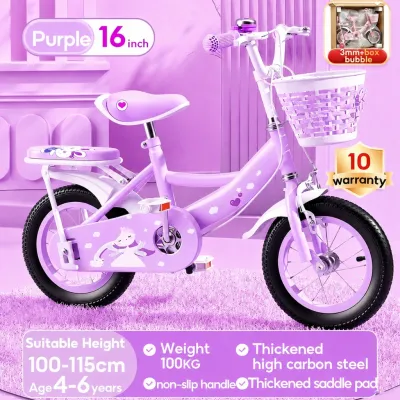

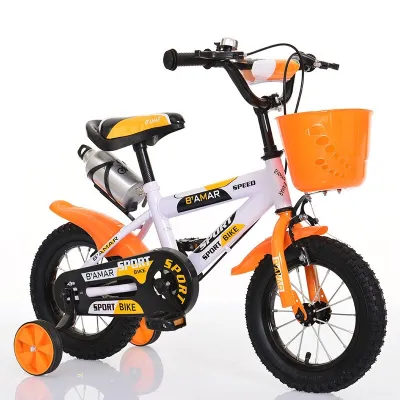
Prices are valid at publication and may change. Please refer to the product page for the latest price.
For younger children, manufacturers categorize bikes by wheel diameter rather than frame size. Common sizes include 12-inch, 16-inch, and 20-inch wheels. As boys grow into youth and adult models, the focus shifts to frame geometry and seat tube measurements, making precise physical dimensions even more important.
How to Accurately Measure Your Son for a Bike
To get a reliable measurement at home, have your son stand straight against a flat wall with his shoes off. Ensure his heels are touching the wall and his shoulders are relaxed. Place a flat ruler or book on top of his head, mark the wall lightly with a pencil, and measure the distance from the floor to the mark to find his total height.

To measure his inseam, have him stand against the wall with his feet slightly apart. Place a hardcover book between his legs, sliding it up until it firmly mimics the pressure of a bicycle saddle. Measure the distance from the top edge of the book straight down to the floor.
Record both measurements in both inches and centimeters. Because different manufacturers use different units of measurement, having both numbers on hand makes it much easier to cross-reference sizing charts when shopping at local bike shops or online marketplaces.
How to Match Measurements to Wheel and Frame Sizes
Once you have your son’s measurements, compare them directly to the manufacturer’s specific sizing chart. Avoid relying on generic charts, as frame designs and bottom bracket heights vary between brands. Look for the recommended height and inseam ranges for each specific model.
The typical progression begins with balance bikes, which usually feature 10-inch or 12-inch wheels and have no pedals. These are excellent for developing coordination. From there, kids transition to pedal bikes with 14-inch or 16-inch wheels, eventually moving up to 20-inch and 24-inch youth models as their motor skills mature.
Before finalizing a purchase, verify the bike’s minimum seat height and standover height. The minimum seat height should be equal to or slightly lower than your son’s inseam. This ensures he can comfortably touch the ground with his feet when starting or stopping.
The Test Ride: Signs the Bike Fits Correctly
A physical test ride is the best way to verify safety and handling before your son rides on public paths or neighborhood streets. Have him stand flat-footed over the top tube of the frame. There should be at least one to two inches of clear space between his crotch and the metal tube to prevent injury during sudden stops.
Next, check his reach and handlebar position while he is seated on the saddle. His arms should have a relaxed, slight bend at the elbows when gripping the handlebars. If his shoulders are hunched or his arms are completely locked straight, the handlebars are too far away, which limits steering control.
Observe his pedaling mechanics as he rides. At the lowest point of the pedal stroke, his leg should be nearly straight but still retain a slight, comfortable bend at the knee. If his knees rise high enough to hit the handlebars or chest when turning, the frame is too small and will restrict his movement.
When to Adjust the Current Bike or Size Up
As your son grows, you can make minor adjustments to the seat post and handlebar height to extend the life of the bike. However, you must never raise these components past the manufacturer’s minimum insertion marks engraved on the metal tubes. Exceeding these safety limits can cause the parts to bend or break during a ride.
In humid tropical environments, regularly inspect these adjustable parts for rust or binding. Applying a light layer of bicycle grease to the seat post can prevent it from seizing inside the frame, ensuring smooth adjustments as your son grows.
You will know it is time to size up when his knees consistently crowd the handlebars, his back appears excessively arched, or his knees rise above his hips while pedaling. Conversely, if he cannot touch the ground with his toes while seated, struggles to reach the brake levers, or wobbles due to the heavy weight of a larger frame, the bike is still too big and should be stored until he grows into it.
Frequently Asked Questions (FAQ)
Should I buy a slightly larger bike for my son to grow into?
Buying an oversized bike is a common safety hazard. If your son cannot easily touch the ground or comfortably reach the hand brakes, he will struggle to maintain balance and stop safely. This lack of control increases the risk of falls and collisions.
An oversized bike is also heavier and more difficult to steer, which can quickly frustrate a young rider. This frustration can damage his confidence and make him reluctant to practice. For absolute beginners, a perfectly fitted bike is essential for building foundational skills.
A slight size-up is only acceptable for older, highly experienced youth riders who already possess strong balance and braking coordination. Even then, they must still be able to safely clear the top tube and comfortably operate all controls without stretching.
Do training wheels change the size requirements?
Training wheels do not alter the physical distance between the saddle, pedals, and handlebars. A bike that is too large will still cause poor riding posture, muscle strain, and control difficulties, even if the training wheels keep the bicycle upright.
Relying on training wheels can also delay the development of natural balance. Transitioning to a properly sized balance bike, or temporarily removing the pedals from a small pedal bike, is often a more effective way to help your son master steering and coordination.
Community discussion
Share your experience or ask a question. Comments are reviewed before publication.