
Selecting the right boxing gear for your child is a crucial step in ensuring their safety, comfort, and long-term enjoyment of the sport. Whether your son is training in a local gym in the Philippines or practicing drills at home, using incorrect equipment can lead to joint strain, poor technique, or unnecessary injuries. Finding the right boxing gloves for kids boy requires balancing safety, wrist support, and hand protection.
To choose the correct boxing gloves for your son, you must match his body weight and age to the glove’s weight in ounces (oz), while ensuring the physical hand compartment fits securely. For most young boys, this ranges from 4 oz for toddlers to 10 oz or 12 oz for teenagers. However, equipment alone cannot replace professional training or coach judgment. Before your son begins any high-impact drills, ensure he has proper supervision and has been taught correct punching form.
Understanding Boxing Glove Sizing: Ounces vs. Physical Fit
One of the most common points of confusion for parents buying boxing gear is the difference between glove weight and physical fit. Unlike regular shoes or clothing, boxing gloves are primarily categorized by weight, measured in ounces (oz). This ounce rating represents the weight of the internal padding inside the glove, which directly dictates the level of impact protection and resistance provided for both the wearer’s knuckles and their training partner.
Products mentioned in this guide
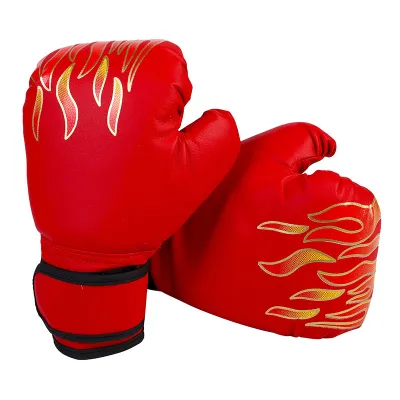
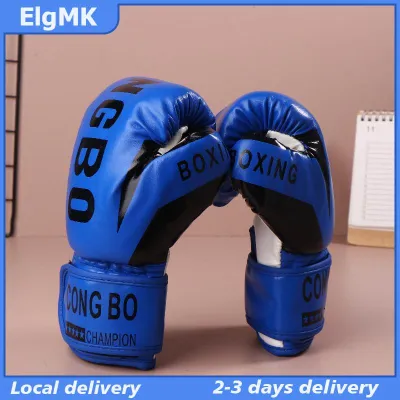

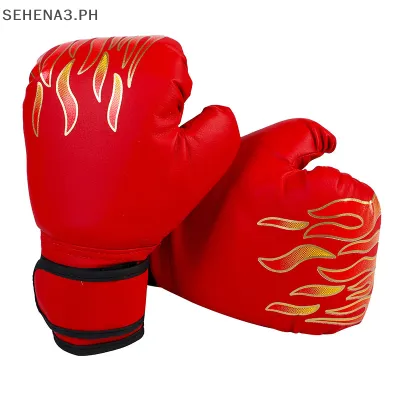
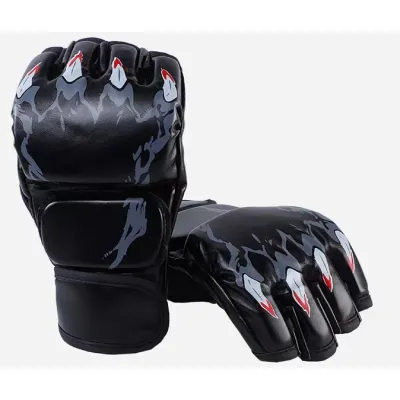
Prices are valid at publication and may change. Please refer to the product page for the latest price.
The physical fit, on the other hand, refers to the size of the inner hand compartment where your son’s hand actually rests. This compartment is usually categorized by standard apparel sizes, such as Youth Extra Small (XS), Small (S), Medium (M), or Large (L). A heavier glove does not always mean a larger hand compartment, and a lighter glove does not automatically mean a tiny fit.
Making the correct choice requires matching both the appropriate padding weight for your child’s body mass and the correct physical shell size for their hand circumference. If the padding is too light for their body weight, their knuckles will lack adequate protection. Conversely, if the hand compartment is too large, their hand will slide around inside, drastically increasing the risk of wrist sprains.
Boxing Glove Weight Chart by Age and Body Weight
To help you narrow down the options, use this general guideline matrix mapping your son’s age and weight ranges to standard youth glove weights. These ranges serve as a baseline starting point for recreational training.

| Age Range | Body Weight (lbs) | Body Weight (kg) | Recommended Glove Weight (oz) |
|---|---|---|---|
| 3 to 5 years | Under 40 lbs | Under 18 kg | 4 oz |
| 6 to 8 years | 40 to 60 lbs | 18 to 27 kg | 6 oz |
| 9 to 12 years | 60 to 90 lbs | 27 to 41 kg | 8 oz |
| 13+ years | 90+ lbs and up | 41+ kg and up | 10 oz to 12 oz |
These measurements are standard industry baselines, but you should always cross-reference them with the specific manufacturer’s size chart. Padding density, thumb positioning, and internal dimensions can vary significantly between brands.
Avoid the temptation to buy larger, heavier gloves for your son “to grow into.” While this strategy works for school uniforms, oversized or excessively heavy gloves can strain a child’s developing shoulder, elbow, and wrist joints. Heavy gloves will also cause rapid fatigue, leading to dropped hands, poor defensive habits, and compromised punching technique. In the warm, humid climate of the Philippines, heavy, bulky gloves also trap excessive heat, making training sessions unnecessarily uncomfortable.
How to Measure Hand Circumference for the Right Fit
To ensure the physical hand compartment of the glove is secure, you need to measure your son’s hand circumference. This measurement is the most reliable way to map his physical hand size to a manufacturer’s youth sizing scale.
To measure his hand accurately, follow these steps:
- Have your son hold his dominant hand flat with his fingers spread naturally.
- Wrap a flexible tape measure around the widest part of his hand, just below the knuckles, excluding the thumb.
- If you do not have a flexible tape measure, wrap a piece of string around his knuckles, mark the meeting point, and measure the string flat against a standard ruler.
Once you have this measurement in inches or centimeters, compare it to the brand’s size chart to find the corresponding size, such as Youth Small or Youth Medium. If his measurement falls directly between two sizes, it is generally best to size up. This extra space ensures comfort and accommodates the added thickness of hand wraps, while preventing the hand from being cramped. However, avoid going so large that his hand can slide or rotate inside the glove when he makes a fist.
Adjusting Glove Weight Based on Training Activities
How your son plans to train will also influence the final ounce selection. Different boxing activities require varying levels of protection and mobility.
Bag Work and Pad Work
For hitting focus mitts, speed bags, or light double-end bags, lighter gloves within your child’s recommended weight range are generally preferred. Lighter padding allows young boxers to focus on speed, proper knuckle alignment, and technique refinement. It also reduces arm fatigue during high-repetition drills, helping them build endurance without compromising their guard.
Heavy Bag Training
If your son is older, heavier, and training on a dense heavy bag, he will need more protection. Impacting a heavy, stationary target puts significant stress on the knuckles and wrists. For this type of training, opt for the higher end of his recommended ounce range (for example, choosing an 8 oz glove instead of a 6 oz glove) to ensure there is enough high-density foam to absorb the shock of repeated hard impacts.
Sparring Safety Boundary
Under no circumstances should children or teenagers engage in contact sparring without direct supervision from a qualified boxing coach. Sparring requires a completely different safety protocol. If controlled, light sparring is introduced for older teens, they must transition to coach-mandated sparring gloves—typically 14 oz or 16 oz. These heavier gloves contain thick, soft padding designed to protect both the wearer and their training partner. Sparring also requires mandatory protective gear, including a fitted mouthguard and a high-quality boxing headgear.
Essential Fit and Safety Features for Kids' Gloves
When comparing different brands of youth boxing gloves, look closely at the construction and safety features. Several design elements are critical for protecting a child’s developing hands and making the gear easy to use.
- Closure System: For children, hook-and-loop (Velcro) wrist straps are highly recommended over traditional lace-up designs. Velcro straps allow kids to put on and take off their gloves independently during training sessions. They also provide a quick, adjustable way to tighten the glove around the wrist.
- Wrist Support: Look for gloves with a wide, stiff cuff. The cuff should wrap securely around the wrist joint to keep it aligned with the forearm upon impact. Proper wrist support prevents hypurextension and stabilizes the joint when hitting targets.
- Thumb Attachment: Ensure the glove features an attached or locked thumb design. This means the thumb of the glove is stitched securely to the main body of the fist. This design prevents the thumb from bending backward during a missed punch and protects training partners from accidental eye pokes.
- Ventilation: Because training in the Philippines often takes place in high humidity, look for gloves featuring mesh palms or ventilation pinholes. Proper airflow helps sweat evaporate quickly, keeping hands dry, improving grip stability, and preventing the buildup of odor-causing bacteria inside the lining.
Frequently Asked Questions (FAQ)
Can my son use adult boxing gloves if he is tall for his age?
Glove weight must be matched to your son’s actual body weight and muscular development, not his height. While a taller, older child might have longer fingers that require an adult-sized physical compartment (such as an adult Small or Medium), they should still use a lighter padding weight, like 10 oz, if their body mass does not require the heavy padding of a standard 12 oz or 14 oz adult glove. Using padding that is too heavy for their muscle mass can cause shoulder fatigue and joint strain.
How tight should kids' boxing gloves feel when wrapped?
A properly fitting boxing glove should feel snug but comfortable. When your son makes a fist, his hand should not slide or shift inside the compartment, and his fingertips should not be painfully jammed against the top of the glove. There should be enough room to allow comfortable blood circulation and full finger extension when his hand is open, with just enough space to accommodate a layer of hand wraps.
Does my son need hand wraps inside his boxing gloves?
Yes, hand wraps or quick-wrap inner gloves are highly recommended for any child performing regular bag work or pad work. Hand wraps secure the many small bones and tendons in the hand, reducing the risk of fractures and providing extra wrist stability. Always consult your son’s boxing coach to determine the appropriate wrap length and the safest wrapping technique for youth classes.
Community discussion
Share your experience or ask a question. Comments are reviewed before publication.