
A standard condominium unit in the Philippines—whether a cozy 22-square-meter studio in Bonifacio Global City or a 36-square-meter one-bedroom in Ortigas—typically has limited floor space. To maintain a comfortable living environment without blocking essential walkways, the ideal maximum footprint for an active jogging machine is 160 centimeters in length and 70 centimeters in width. This size fits comfortably in a corner of a living room or bedroom while still offering a functional running belt for light to moderate exercise.
However, simply checking if the machine’s static dimensions fit your room is not enough. A safe setup requires accounting for both the storage footprint and the active usage footprint, which includes mandatory safety clearances around the deck. Furthermore, physical constraints extend beyond your room’s walls. The dimensions of your condominium’s main entryway, bedroom doors, and the service elevator are just as critical as the floor space itself; if the boxed machine cannot clear these entry points, it cannot be delivered to your unit.
How to Measure Your Condo Space for a Jogging Machine
Before purchasing a fitness machine, a systematic measurement of your condo unit and its access paths is necessary to avoid delivery-day disasters and safety hazards.
Products mentioned in this guide
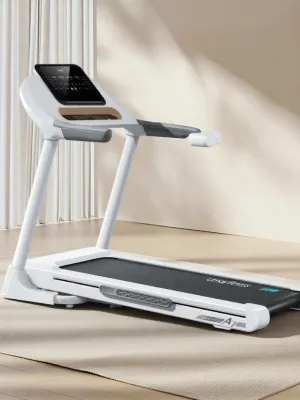
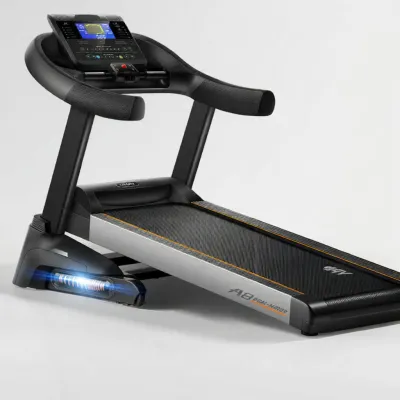
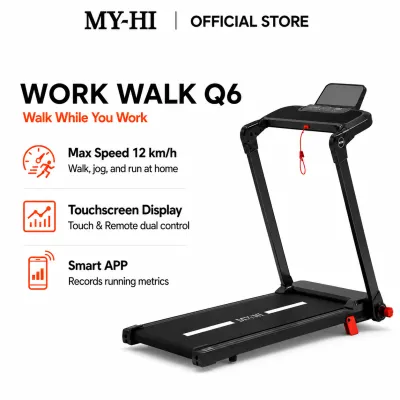
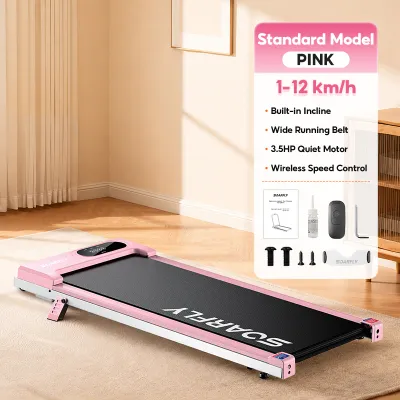
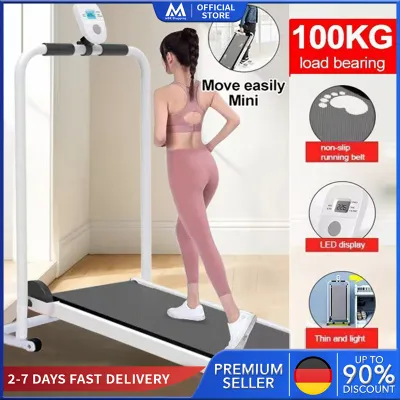
![[COD] Foldable Manual Home Treadmill with Adjustable Slope LED Display Anti-Slip Running Belt Free Twist Disc & Resistance Rope Space Saving Walking Machine for Home Fitness Exercise](https://img.lazcdn.com/g/p/1446617c7dcf63717d1a1640b68a647e.jpg_400x400q80.jpg_.webp)
Prices are valid at publication and may change. Please refer to the product page for the latest price.
Delivery and Entry Path Constraints
The journey of your fitness equipment begins at the loading dock. You must measure the width and height of your condo’s service elevator doors, as well as the interior cab dimensions. Many residential elevators in the Philippines have narrow doors measuring only 80 to 90 centimeters wide, which can easily trap large, fully boxed fitness equipment. Next, measure your unit’s main door, any tight hallway turns, and the bedroom doorway where the machine will reside. Standard interior bedroom doors are often only 75 to 80 centimeters wide, meaning some commercial-grade, non-folding machines simply will not pass through.
Usage Footprint vs. Storage Footprint
Many modern fitness machines feature space-saving designs, but you must distinguish between active and folded dimensions. A folding jogging machine might advertise a compact storage footprint of just 90 centimeters in length when folded vertically. However, once unfolded for a workout, the deck extends to its full active length of 165 centimeters. You must plan your room layout around the active footprint, ensuring you do not block access to your balcony, closets, or bathroom when the machine is in use.
User Clearance and Safety Zones
Operating a motorized running belt in a confined space requires strict adherence to safety clearances. The most critical measurement is the rear safety zone: you must maintain at least 1.5 to 2 meters of completely unobstructed space behind the treadmill. If you trip or lose your footing while running, a clear rear zone ensures you are safely ejected onto the floor rather than pinned against a concrete wall or thrown through a glass sliding door. Additionally, maintain at least 0.5 meters of clearance on both sides of the machine to allow for safe mounting, dismounting, and emergency stepping-off.
Ceiling Height and Incline Considerations
Do not forget to look upward when measuring your space. Typical residential condo units feature ceiling heights ranging from 2.4 to 2.7 meters. To calculate your required vertical clearance, add the machine’s deck height (usually 15 to 25 centimeters off the floor) to your own height, and add an extra 15 centimeters for head bounce and potential incline usage. If you are 180 centimeters tall and use a machine with a 20-centimeter deck, your head will sit at 200 centimeters. On a low 2.4-meter ceiling, this leaves only 40 centimeters of clearance, which can feel incredibly claustrophobic and risks contact with light fixtures, smoke detectors, or fire sprinklers.
Space Footprints of Condo-Friendly Jogging Machines
Choosing the right style of fitness equipment depends heavily on your specific condo layout, your running habits, and your physical size.

Compact and Folding Treadmills
These are the most popular options for urban fitness enthusiasts. A typical condo-friendly folding jogging machine has an active footprint of approximately 150 to 170 centimeters in length and 70 to 80 centimeters in width. The primary benefit is the folding deck, which uses a hydraulic or manual lift system to lock the running surface upright when not in use, reducing the floor footprint by nearly half. However, the heavy motor housing and steel base frame remain flat on the floor, meaning the machine still requires a permanent storage footprint of about 80 to 100 centimeters in length.
Under-Desk Treadmills and Walking Pads
For micro-studios under 25 square meters, under-desk walking pads offer the ultimate space-saving solution. These ultra-slim units typically measure 120 to 140 centimeters in length, 50 to 60 centimeters in width, and just 10 to 15 centimeters in height. Because they lack permanent upright consoles or handrails, they can be easily rolled under a bed or sofa, or stood vertically against a wall. The major trade-off is performance: these pads are designed primarily for walking or light jogging, with maximum speeds usually capped between 6 and 8 kilometers per hour, making them unsuitable for intense running or sprint intervals.
Manual and Curved Treadmills
Manual treadmills rely entirely on the user’s leg power to move the belt. While they provide an exceptional athletic workout, they are generally impractical for standard condo units. They feature heavy, non-folding steel frames, wide curved decks that require a taller step-up height, and overall footprints that often exceed 180 centimeters in length and 85 centimeters in width. Their substantial weight (often over 100 kilograms) also makes them nearly impossible to move without professional assistance, anchoring them permanently to one spot in your home.
Quick Comparison of Machine Types
- Folding Treadmill: Active footprint of 160 x 75 cm; folded footprint of 90 x 75 cm. Best for regular jogging and running; requires dedicated floor space.
- Walking Pad: Active footprint of 130 x 55 cm; stores completely flat (under 15 cm high). Best for walking and light jogging; ideal for small studios.
- Manual Curved Treadmill: Active footprint of 180 x 85 cm; non-folding. Best for high-performance training; requires large, dedicated fitness rooms.
Hidden Space Constraints and Safety Clearances
Beyond basic physical dimensions, setting up a motorized workout machine in a multi-story residential building introduces several structural and environmental challenges.
Vibration and Noise Mitigation
In high-rise concrete buildings, the impact of your feet striking the treadmill deck creates structural vibrations that travel directly through the floor slab. This low-frequency noise can easily disturb downstairs neighbors, leading to complaints to the Property Management Office (PMO). To prevent this, you must place a specialized, high-density rubber equipment mat under the machine. These mats absorb impact energy and dampen noise, but they typically extend about 10 centimeters beyond the machine’s footprint on all sides, slightly increasing the total floor space you must allocate.
Floor Load Capacity and Structural Limits
While modern residential towers in the Philippines are engineered to support heavy loads, it is important to verify your building’s weight limits if you plan to purchase a heavy-duty machine. Standard folding treadmills weigh between 50 and 80 kilograms, which is perfectly safe for residential floors. However, commercial-grade machines can weigh well over 120 kilograms. When combined with the weight of a running user and the dynamic force of impact, this creates a high concentration of localized pressure that can damage delicate flooring materials like laminate, vinyl planks, or ceramic tiles without proper protective matting.
Ventilation and Heat Dissipation
Motorized fitness equipment generates substantial heat, particularly during long runs in the warm, humid climate of the Philippines. The motor compartment, located at the front of the deck, requires constant airflow to prevent overheating. You must maintain at least 15 to 20 centimeters of open clearance between the front motor cover and any walls, heavy curtains, or furniture. Restricting this airflow can cause the motor to overheat, triggering automatic thermal shutdowns, shortening the lifespan of the electronics, or creating a potential fire hazard.
Power Outlet Accessibility and Electrical Safety
A motorized jogging machine draws a significant amount of electrical current and should always be plugged directly into a grounded wall outlet. Avoid using standard household extension cords or multi-plug adapters, as these can overheat and pose an electrical hazard. Position your machine so that the power cord can reach the outlet without stretching across primary walkways, where it would create a serious tripping hazard or risk being pinched and damaged by the folding mechanism of the treadmill itself.
Common Sizing and Placement Mistakes to Avoid
Avoiding these common pitfalls will save you from expensive return shipping fees, property damage, and potential workout injuries.
Miscalculating Under-Bed Clearances
Many condo owners purchase ultra-slim walking pads assuming they will easily slide under their existing bed or sofa. However, they often forget to measure the actual clearance beneath the furniture frame, which is frequently obstructed by center support legs or low-hanging wooden slats. Always measure the lowest point of your furniture’s underside to ensure it exceeds the maximum height of the machine’s motor housing.
Overlooking the Packaged Box Dimensions
A classic mistake is measuring your doorways based on the assembled dimensions of the machine, forgetting that the item arrives in a massive, heavily padded cardboard box. Retailers often cannot unbox the machine in the lobby due to security policies, meaning the box must fit through your entryways. Always request the packaged shipping dimensions from the seller before finalizing your purchase.
Sacrificing the Rear Safety Zone
In tight studio apartments, it is tempting to push the rear of the treadmill directly against a wall, a wardrobe, or a glass balcony door to save space. This is an incredibly dangerous configuration. If you lose your balance or faint while the belt is moving, you will be trapped between the spinning belt and the wall, leading to severe friction burns or impact injuries. Never compromise on the 1.5-meter rear safety clearance.
Choosing an Under-Sized Running Belt
While buying a micro-sized machine saves valuable floor space, a running belt that is too narrow or too short can ruin your workout experience and increase your risk of injury. If the belt is under 40 centimeters wide, you will constantly worry about stepping off the side rails. If you are taller or have a long stride, look for a belt length of at least 120 centimeters to ensure you can jog naturally without hitting the front motor cover or slipping off the back.
Community discussion
Share your experience or ask a question. Comments are reviewed before publication.