
To choose the right push bike (often called a balance bike) size for your child, prioritize their physical inseam measurement and overall height over their age. Most toddlers starting out between 18 months and 4 years old will fit a 10-inch or 12-inch push bike, while older or taller children from 4 to 6 years old usually require a 14-inch or 16-inch model. Ensuring your child can stand flat-footed over the frame with a slight bend in their knees is the ultimate test of a safe, comfortable, and confidence-building fit.
Why Proper Push Bike Sizing Matters for Early Riders
A push bike relies entirely on the child’s feet for propulsion, steering, and braking. Unlike traditional bicycles with training wheels, there are no pedals or chains to complicate the ride. When a bike fits correctly, it acts as a natural extension of your child’s body, helping them master balance, coordination, and spatial awareness rapidly.
An oversized bike poses significant safety risks and can quickly derail a child’s enthusiasm. If the frame is too tall or heavy, your child will struggle to reach the ground, leading to frequent tips, scrapes, and a loss of confidence. Conversely, a bike that is too small forces their knees into the handlebars, restricting steering and causing poor riding posture that strains their lower back.
Products mentioned in this guide
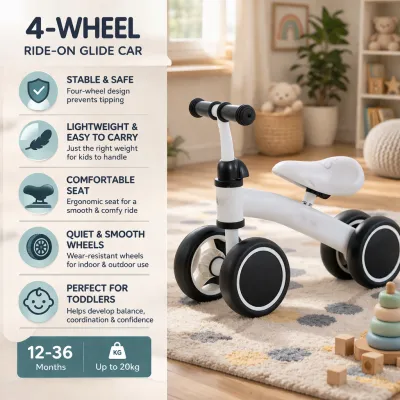
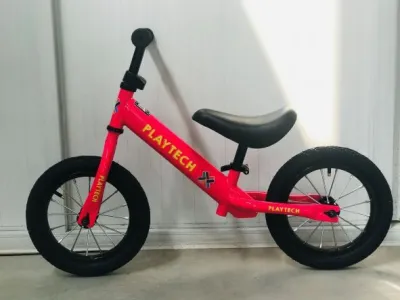
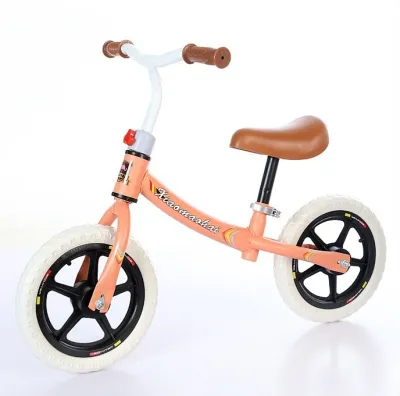
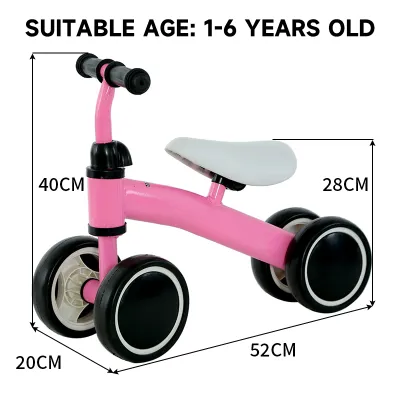
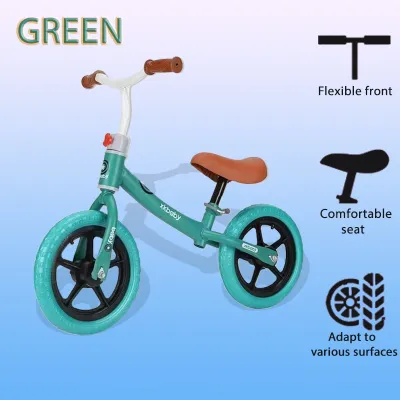
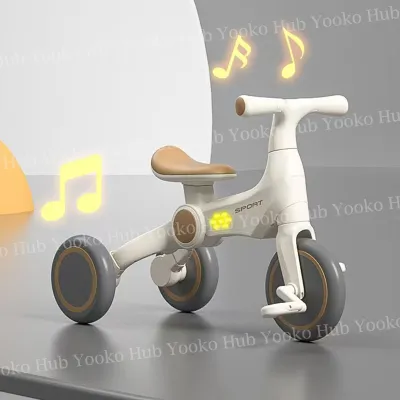
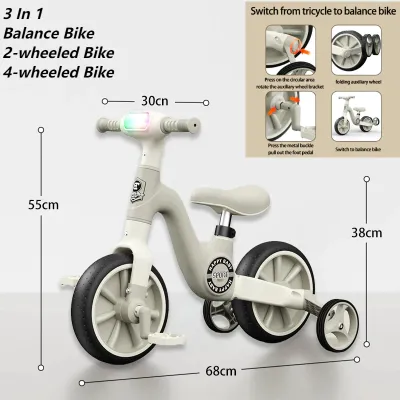
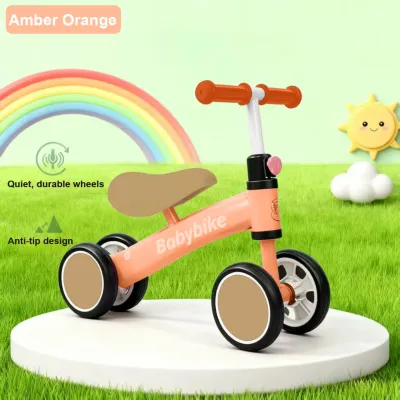
Prices are valid at publication and may change. Please refer to the product page for the latest price.
While age brackets are helpful starting points, they are highly unreliable on their own. Children grow at vastly different rates, and two three-year-olds can have a height difference of several centimeters. Physical measurements—specifically inseam and total height—are the only accurate diagnostic tools to ensure a safe match.
How to Measure Your Child for the Perfect Fit
Taking accurate measurements at home takes only a few minutes and prevents the hassle of returning an ill-fitting bike. You will need a tape measure, a flat wall, a pencil, and a hardcover book to replicate the bike’s saddle.

Measuring Inseam (Leg Length)
The inseam is the most critical measurement because it dictates the minimum seat height your child needs. To measure this accurately, have your child stand with their back straight against a flat wall, wearing the closed-toe shoes they will typically use while riding outside. Closed-toe shoes are essential for protecting small feet from hot concrete pavements and rough gravel in local parks.
Place a hardcover book between their legs, sliding it gently upward until it rests against their crotch, simulating the seat of a bike. Ensure the book is level against the wall, then use a pencil to mark where the top edge of the book meets the wall.
Measure the distance from that pencil mark straight down to the floor. This number is your child’s riding inseam. The push bike you choose must have a minimum seat height that is equal to or slightly lower than this measurement (ideally 1 to 2 cm lower) so they can plant their feet flat on the ground.
Checking Overall Height and Weight
While the inseam determines seat height, your child’s overall height helps identify the correct frame geometry and handlebar reach. If the handlebars are too far forward or too low relative to their height, your child will have to lean excessively, putting too much weight on their wrists and making steering difficult.
Additionally, always check the physical weight of the bike against your child’s size. A heavy steel-framed bike can be incredibly fatiguing for a small toddler to push up a driveway or steer through a park, especially in hot, humid tropical weather. As a general safety rule, try to select a bike that weighs no more than 30% of your child’s total body weight. Always check the manufacturer’s specifications for both the bike’s weight and its maximum rider weight limit to ensure structural safety.
Push Bike Wheel Sizes and General Fit Guidelines
Push bike sizes are categorized by wheel diameter rather than frame size. Understanding how these wheel sizes translate to real-world fit will help you narrow down your options quickly.
10-Inch and 12-Inch Models for Toddlers
The 10-inch and 12-inch wheel sizes represent the most common entry points for early riders. 10-inch models are highly specialized, ultra-compact bikes designed for very young toddlers, typically between 18 months and 2.5 years of age, with inseams starting around 25 to 30 cm. These bikes are exceptionally low to the ground, allowing tiny legs to find immediate stability.
The 12-inch push bike is the undisputed industry standard, generally fitting children from 2 to 4 years old with inseams ranging from 30 to 45 cm. Because of their popularity, these models offer the widest variety of frame materials, including lightweight aluminum, durable steel, and high-tech composite polymers.
However, frame designs vary significantly across brands. A 12-inch bike from one manufacturer might have a minimum seat height of 28 cm, while another might start at 34 cm. Always cross-reference your child’s measured inseam with the specific model’s geometry chart rather than purchasing based on wheel size alone.
14-Inch and Larger Models for Older Children
If your child is starting their balance journey a bit later—typically between ages 4 and 6—or if they are exceptionally tall for their age, look toward 14-inch or 16-inch models. These larger wheels require a minimum inseam of at least 40 cm and are built with more robust frames to support taller, heavier riders.
Larger wheels offer distinct performance advantages on outdoor terrain. They roll much more smoothly over pavement cracks, grass, gravel, and uneven surfaces found in local plazas or subdivision streets. The larger diameter also provides greater rotational inertia, helping older children maintain their balance longer while gliding at higher speeds.
The primary trade-off with larger wheels is increased bike weight and a higher center of gravity. A heavier bike requires more physical strength and coordination to steer, stop, and lift. If your child is hesitant or petite, a lighter 12-inch bike with a highly adjustable seat post might offer a safer, more confidence-boosting experience than a heavy 14-inch model.
Essential Fit Checkpoints Before You Buy
Before making a final purchase, whether you are testing a model in a local sports store or evaluating detailed specifications online, run through these physical fit checkpoints to ensure maximum safety.
- Seat Height and Foot Placement: With the saddle adjusted to its lowest position, your child must be able to sit squarely on the seat with both feet planted completely flat on the ground. There should be a slight bend of 15 to 30 degrees in their knees. This bend is crucial; it gives them the leverage needed to push off, run, and, most importantly, bring themselves to a safe stop. If they can only touch the ground with their tiptoes, the bike is too large and unsafe.
- Handlebar Reach and Posture: Observe your child's back and arms while they grip the handlebars. Their posture should be slightly leaned forward but relaxed, with a comfortable, slight bend in their elbows. If their arms are fully locked or they are stretching excessively to reach the grips, the frame is too long, which can cause shoulder fatigue and erratic steering. If their knees hit the handlebars when turning, the bike is too small.
- Bike Weight vs. Child Strength: Safety extends beyond riding; your child must be able to handle the bike when they are not moving. Have your child practice lifting the bike off the ground from a lying position. Falls are a natural part of learning, and your child should have the physical capability to right their own bike without constant adult assistance. If the bike is too heavy for them to lift, it will likely lead to frustration and fatigue.
- Growth Room: Always verify the maximum seat post extension. A good push bike should offer at least 5 to 10 cm of height adjustment. This ensures the bike can accommodate your child's growth spurts over one to two active riding seasons, making it a much more cost-effective investment.
Signs Your Child Is Ready to Transition to a Pedal Bike
Push bikes are designed to be transitional tools. Recognizing when your child has mastered the balance bike phase will help you time their upgrade to a pedal bike perfectly.
- Observable Skill Signals: The clearest sign of readiness is the "glide." If your child can run, lift both feet completely off the ground, and glide smoothly for several meters while maintaining perfect balance, they have mastered the hardest part of riding. Other key signals include the ability to steer confidently around obstacles, navigate gentle downhills safely, and use their feet or a handbrake to stop smoothly on command.
- Physical Signals: You will know they have physically outgrown their push bike when their inseam exceeds the maximum seat height, causing their knees to bend excessively even when the saddle is fully raised. If they constantly look cramped or express boredom with how fast they can glide, they are ready for the mechanical advantage of pedals.
When transitioning, look for a lightweight first-pedal bike (usually 14-inch or 16-inch wheels) and skip the training wheels entirely. Because your child has already mastered balance and steering on their push bike, they will typically learn to pedal within just a few sessions.
Frequently Asked Questions (FAQ)
Is it better to buy a larger push bike so my child can grow into it?
No, buying an oversized push bike is a common mistake that can severely hinder your child’s learning progress and safety. If the bike is too large, they will not be able to touch the ground flat-footed, leading to a loss of control, frequent falls, and a fear of riding. It is highly recommended to purchase a bike that fits their current measurements perfectly. A well-fitted bike builds immediate confidence, allowing them to master balance quickly so they can transition to a larger pedal bike sooner.
How heavy should a push bike be for a toddler?
As a general rule, a toddler’s push bike should weigh no more than 30% of their body weight, with lighter frames being highly preferable. For a typical 2-year-old weighing around 12 kg, the bike should ideally weigh less than 3.6 kg. Lightweight materials such as high-grade aluminum or reinforced polymer composites make the bike significantly easier for small children to steer, balance, and lift after a spill. Always check the manufacturer’s product specifications for the exact weight before purchasing.
Community discussion
Share your experience or ask a question. Comments are reviewed before publication.