
Choosing the correct soccer ball size for your child is one of the most important decisions you can make to support their early athletic journey. Using a ball that matches their physical development ensures they can practice passing, dribbling, and shooting with proper form while minimizing the risk of strain. Generally, youth soccer leagues and manufacturers categorize balls into three primary sizes based on age: Size 3 for children aged 8 and under, Size 4 for youth aged 8 to 12, and Size 5 for players aged 12 and older. While these age brackets serve as an industry standard, minor variations in weight and dimensions can occur between different brands, making it essential to verify the manufacturer’s specific guidelines before making a purchase.
Standard Soccer Ball Sizes by Age Group
Understanding the standard sizing system helps you navigate the options available at local sports stores or online marketplaces in the Philippines. The progression from a smaller, lighter ball to a standard adult match ball is designed to align with a child’s growing skeletal structure and muscle strength.
Size 3 soccer balls are the smallest standard match balls used in organized youth leagues. They are specifically designed for toddlers and young children, typically those aged 8 and under. With a smaller circumference and a lighter weight, a Size 3 ball allows young players to make comfortable contact without putting excessive force on their feet and ankles. This size is excellent for introducing basic concepts like kicking, stopping the ball, and running on the field.
Products mentioned in this guide
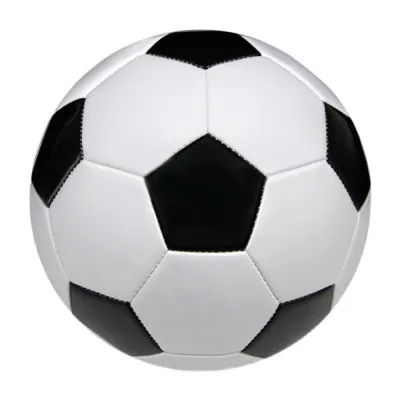
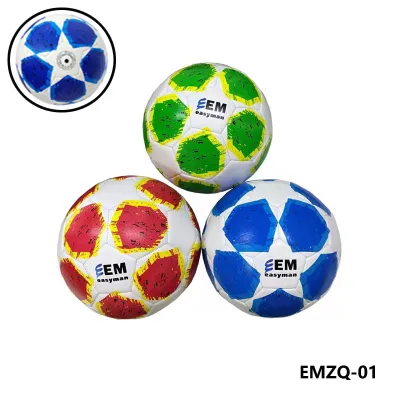
![[SALE] Size 4 & 5 Ball Football Soccer Game Ball Outdoor Football World Cup Football Soccer Ball](https://img.lazcdn.com/g/p/32643ec9e1f3b539f05e352495f6555b.jpg_400x400q80.jpg_.webp)
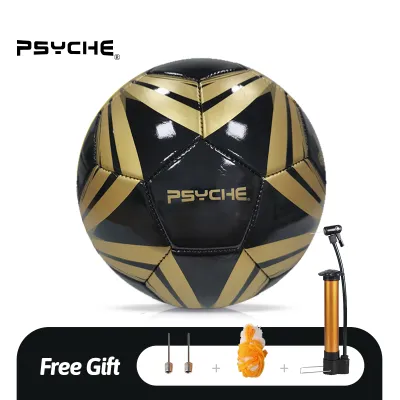
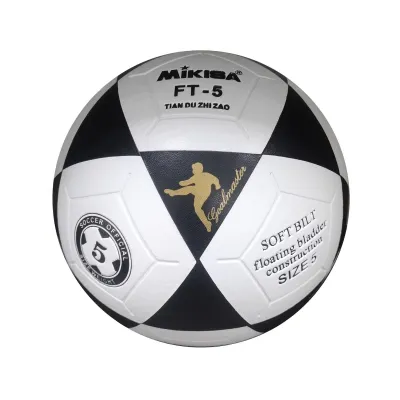
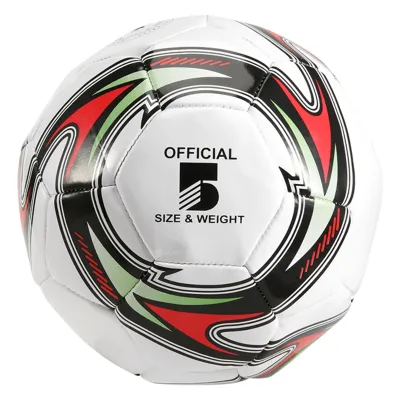
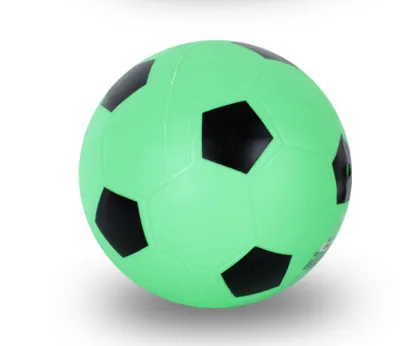
Prices are valid at publication and may change. Please refer to the product page for the latest price.
Size 4 soccer balls serve as the transition phase for older kids and pre-teens, generally covering ages 8 to 12. During this stage, players begin to develop more refined technical skills, such as structured passing, controlled dribbling, and tactical positioning. The Size 4 ball is slightly heavier and larger than a Size 3, helping players adapt to increased resistance while still maintaining control over their movements.
Size 5 soccer balls are the official standard for players aged 12 and older, including teens and adults. This is the same size used in professional leagues worldwide. Transitioning to a Size 5 ball requires a mature level of physical strength and coordination, as the added weight demands more power to kick and control.
While these age brackets are widely accepted, youth leagues in your local area or school sports associations may have specific rules that differ slightly. Always check the official guidelines of your child’s league, and inspect the product packaging or manufacturer specifications to ensure the ball complies with their requirements.
Why the Right Size Matters for Skills and Safety
Using an incorrectly sized soccer ball can hinder a young player’s development and increase their risk of physical discomfort. When a child plays with a ball that is too large or too heavy, they must exert unnatural force to move it. This repetitive strain on developing joints, ligaments, and muscles—especially in the ankles, knees, and hips—can lead to early fatigue or overuse injuries.

From a technical standpoint, proper sizing is crucial for mastering the fundamentals of the sport. If a ball is too heavy, a child will struggle to lift it off the ground, leading to poor shooting habits such as scooping or using the wrong part of the foot to compensate. Dribbling also becomes a challenge, as a large ball can easily get caught under a small child’s feet, causing trips and falls.
Conversely, when the ball is proportional to the child’s physical size, they can practice natural movement patterns. They can focus on clean contact, proper body positioning, and accurate weight of pass. This builds muscle memory and confidence, allowing them to enjoy the game and develop a genuine passion for the sport on the pitch.
How to Verify the Fit and Check Manufacturer Specs
Before purchasing a soccer ball, it is important to physically verify its specifications to ensure it meets the standard requirements for your child’s age group. Most reputable manufacturers print the size number directly on the casing of the ball, usually near the inflation valve. If you are shopping online or in a local retail store, this information should also be clearly displayed on the product packaging or description.
To verify the physical dimensions, you can check the inflated circumference and weight. A standard Size 3 ball typically measures between 58.5 and 61 centimeters in circumference. A Size 4 ball generally measures between 63.5 and 66 centimeters, while a standard Size 5 ball measures between 68 and 70 centimeters. If you have a scale and a measuring tape at home, you can easily verify these dimensions after inflating the ball. While basic training balls can often be found starting around ₱400 on local online marketplaces, verifying the specifications ensures you get the right value for your investment.
Proper inflation is another critical factor that affects both the size and performance of the ball. An under-inflated ball will feel heavy and sluggish, while an over-inflated ball can become rock-hard, increasing the risk of injury upon impact. Always use a reliable pressure gauge to check the air pressure. The recommended pressure range, usually measured in pounds per square inch (PSI) or bar, is typically printed next to the inflation valve. Ensure you stay within this specified range to maintain the ball’s intended shape, bounce, and weight.
Adjusting for Skill Levels and Playing Surfaces
While age-based guidelines are the standard starting point, certain training scenarios and playing environments may require you to adjust your choice. For instance, coaches often introduce smaller balls, such as Size 1 or Size 2 “mini” balls, for players of all ages to conduct advanced footwork and coordination drills. These miniature balls require precise contact and quick reflexes, making them excellent tools for sharpening technical skills.
The playing surface also plays a significant role in ball selection. In many communities across the Philippines, children play on concrete barangay courts, indoor wooden floors, or artificial turf rather than natural grass. If your child is playing indoor soccer or futsal, a standard outdoor soccer ball is not suitable.
Futsal balls are specifically designed for hard surfaces. They are typically smaller (often equivalent to a Size 4 in circumference) but are heavier and filled with a low-bounce bladder. This design keeps the ball low to the ground, facilitating rapid passing and close control on hard courts. Because futsal balls have distinct weight and bounce specifications, always verify the manufacturer’s guidelines to ensure you are selecting the correct ball for the specific court surface.
Frequently Asked Questions (FAQ)
Can my child use a Size 5 ball if they are taller than average for their age?
It is generally recommended to stick to the age-appropriate ball size rather than adjusting based on your child’s height. Even if a child is taller or physically larger than their peers, their joint structure, muscle density, and tendon strength are still developing at an age-specific rate. Kicking a heavier Size 5 ball repeatedly can still cause physical strain on a young player’s body. Additionally, youth leagues have strict rules regarding ball sizes for official matches. Introducing a larger ball too early may make it difficult for them to adjust when they play in official games that require a smaller size. Consult your child’s coach or local league coordinator to confirm their specific match requirements.
How often should I check the air pressure in my child's soccer ball?
You should check the air pressure before every practice session or match. Soccer balls naturally lose air over time due to temperature changes, humidity, and regular use. In the tropical climate of the Philippines, high temperatures and humidity can cause air pressure to fluctuate. Using a simple hand pump and a reliable pressure gauge ensures the ball remains within the manufacturer’s recommended PSI range. Playing with a properly inflated ball ensures consistent bounce, accurate flight, and a safer playing experience for your child.
Community discussion
Share your experience or ask a question. Comments are reviewed before publication.