
Replacing your e-bike battery requires careful verification of technical specifications to ensure safe operation and optimal performance. Before purchasing a 12V 20Ah e-bike battery, you must verify its voltage compatibility, physical dimensions, connector types, battery chemistry, and safety certifications. Choosing an incompatible battery can lead to electrical failure, poor fitment, or safety hazards during your daily commute.
Verify Voltage and Capacity Compatibility
The 12V rating represents the nominal voltage of the battery and must match your e-bike’s motor and controller specifications exactly. Connecting a battery with the wrong voltage can permanently damage the controller or fail to power the motor. Many local e-bikes, especially multi-battery e-trikes, use several 12V batteries connected in series to achieve higher system voltages like 36V or 48V.
The 20Ah (Amp-hour) rating indicates the battery’s energy capacity, which directly influences your riding range on a single charge. While a higher Ah rating can extend your travel distance, it often comes with a trade-off in physical size and weight. To confirm compatibility, inspect the label on your original battery, check the sticker on your motor controller, or consult your e-bike’s user manual before making a purchase.
Products mentioned in this guide
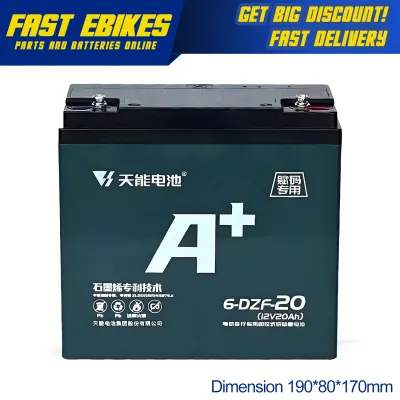
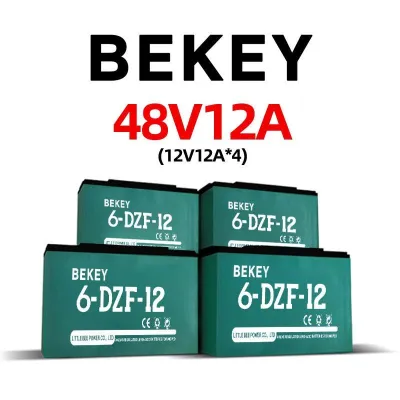
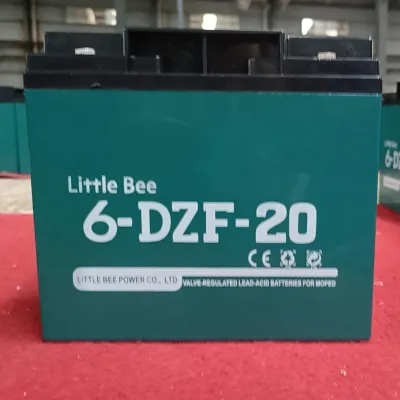
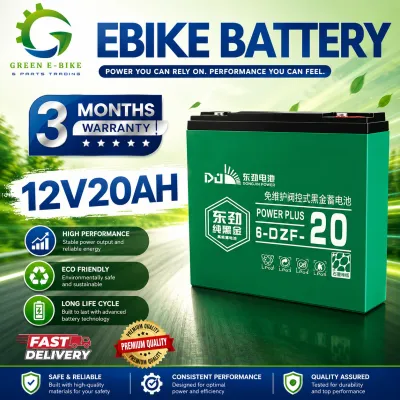
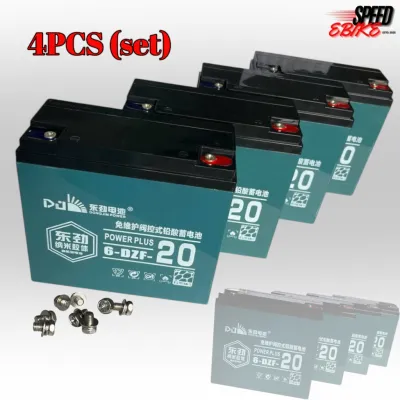
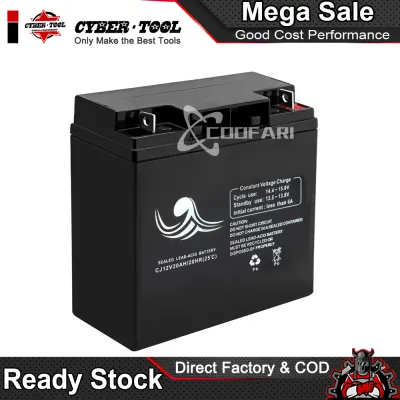
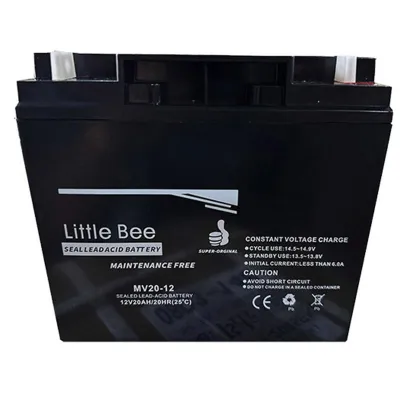
Prices are valid at publication and may change. Please refer to the product page for the latest price.
Measure Physical Dimensions and Mounting Points
Physical fit is a critical factor, as battery compartments on e-bikes and e-trikes have strict space limitations. Use a tape measure to record the exact internal length, width, and height of your existing battery tray or compartment. Even a few millimeters of discrepancy can prevent the battery cover from closing or cause the battery to rattle during rides.

Battery chemistry significantly affects physical dimensions. For example, a traditional lead-acid 12V 20Ah battery is typically much larger and heavier than a modern lithium-ion or lithium iron phosphate (LiFePO4) equivalent of the same rating. Additionally, inspect the mounting hole patterns, strap slots, and terminal positions to ensure the new battery can be secured tightly against vibrations on bumpy roads.
Match Connector Types and Verify Polarity
Ensuring a secure electrical connection requires matching the discharge plug of the new battery to your e-bike’s existing wiring harness. Common connector types used in e-bikes include XT60, Anderson Powerpole, and bullet plugs. If the new battery does not come with the correct pre-installed plug, you may need to source an adapter or splice the wires safely.
Polarity verification is absolutely critical before plugging in any new battery. Always double-check that the positive (red) and negative (black) wires align perfectly with the corresponding terminals on your e-bike’s controller. Reversing the polarity, even for a split second, can instantly destroy your controller and void your warranty. If the wiring layout is unclear or proprietary, consult a qualified local technician or the manufacturer.
Evaluate Battery Chemistry and BMS Requirements
Choosing between lead-acid and lithium chemistries depends on your budget, weight preferences, and expected lifespan. Sealed lead-acid (SLA) batteries are generally more affordable upfront but are heavy and have a shorter cycle life, typically lasting around 300 to 500 charge cycles. Lithium-ion or LiFePO4 options are significantly lighter, handle tropical heat better, and can last over 1,000 to 2,000 cycles, though they carry a higher initial cost.
If you opt for a lithium battery, it must feature a reliable, built-in Battery Management System (BMS). The BMS protects the cells from overcharging, over-discharging, short circuits, and thermal runaway, which is especially important in hot and humid climates. Verify that the continuous discharge current rating of the BMS matches or exceeds the maximum current draw of your e-bike’s controller to prevent premature shutoffs under heavy loads.
Inspect Safety Labels and Warranty Conditions
To ensure long-term reliability and safety, look for clear specification labels and manufacturing dates printed directly on the battery casing. Avoid unbranded or generic batteries that lack visible safety ratings, as they may use substandard cells that degrade quickly or pose fire risks. Reliable products should display standard safety certifications and clear origin information.
Review the seller’s warranty policy carefully before finalizing your purchase. A reputable seller should offer a clear warranty covering manufacturing defects and premature capacity loss. Be cautious of online marketplace listings with vague return policies or unusually short warranty periods, as these often indicate lower-quality components.
Frequently Asked Questions (FAQ)
Can I use a 12V 20Ah battery on a 24V or 36V e-bike?
No, you cannot connect a single 12V battery directly to a 24V or 36V e-bike system, as the lower voltage will not power the motor. However, if your e-bike is designed to use multiple batteries, you can connect two 12V batteries in series to create a 24V system, or three in series for a 36V system. Always ensure all batteries in a series pack are of the same brand, age, chemistry, and capacity.
How do I safely dispose of my old 12V 20Ah battery?
Never throw your old e-bike battery into regular household trash, as lead-acid and lithium batteries contain hazardous materials that can harm the environment. In the Philippines, you should bring your used batteries to designated e-waste collection points, recycling centers, or authorized battery retailers that offer trade-in or recycling programs. Many local automotive battery shops also accept old lead-acid batteries for proper recycling.
Community discussion
Share your experience or ask a question. Comments are reviewed before publication.