
Selecting a ribbon for gymnastics requires looking closely at technical specifications like length, fabric weight, stick material, and connection hardware. In the humid tropical climate of the Philippines, these specifications become even more critical, as moisture in the air can quickly weigh down fabric and make sticks slippery. Checking these details beforehand ensures the equipment matches the gymnast’s physical development and competitive level.
Ribbon Length and Width: Matching the Gymnast's Level
Length is the most critical dimension to verify when choosing a ribbon. Young beginners under nine years old typically use a shorter 4-meter ribbon to prevent tripping and allow manageable control. Intermediate or junior gymnasts usually step up to a 5-meter ribbon, while senior gymnasts competing under official International Gymnastics Federation (FIG) rules must use a 6-meter ribbon.
To verify the length, measure the fabric from one end to the other when laid completely flat on a dry surface. Do not rely solely on the packaging, as some training models may vary slightly from standard competitive lengths.
Products mentioned in this guide
![[Fast Delivery] 4M Dance Ribbons Kids Dance Gymnastics Ribbon Wands](https://img.lazcdn.com/g/p/1656a2022cb52fa01ba0cddf92e4143a.jpg_400x400q80.jpg_.webp)
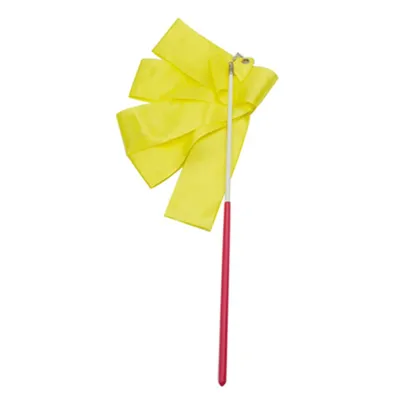
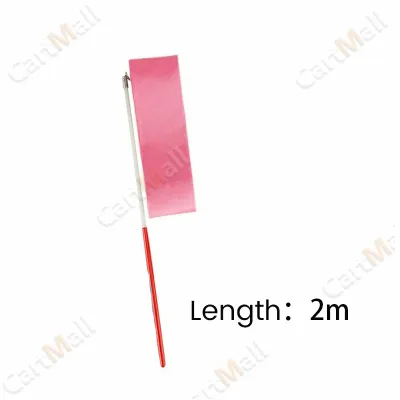
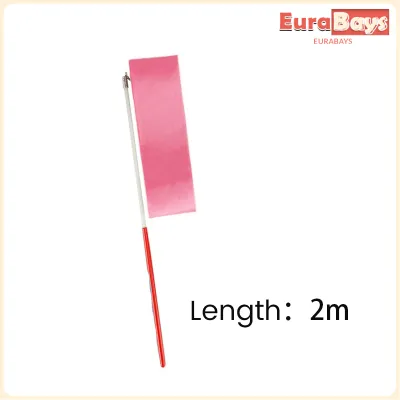
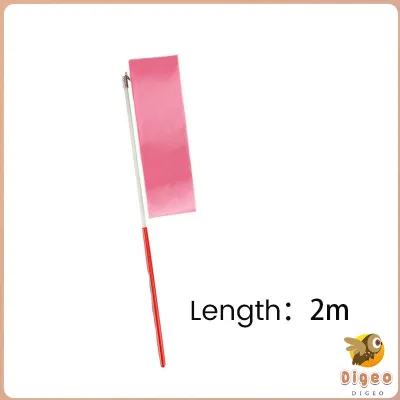
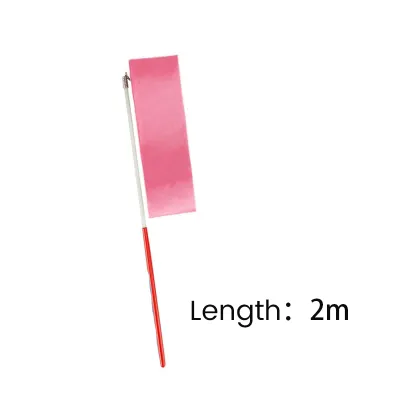
Prices are valid at publication and may change. Please refer to the product page for the latest price.
Width typically ranges from 4 to 6 centimeters. A wider ribbon offers a more dramatic visual effect during spirals and snakes, but it also creates more air resistance, requiring more physical effort to keep aloft. Always check the manufacturer’s label for an official certification stamp if the ribbon is intended for sanctioned meets.
Stick Material and Grip: Control and Durability
The gymnastics stick, or cane, is usually made of fiberglass or carbon fiber. Fiberglass is highly flexible, durable, and cost-effective, making it excellent for training. Carbon fiber is lighter and stiffer, offering precise control and faster response times, though it can be more expensive and brittle under sudden, improper impacts.

Grip material is vital, especially in non-air-conditioned training spaces where sweat can cause slippage. Look for non-slip rubber or synthetic grips that absorb moisture. Some gymnasts prefer wrapping their own grip tape to customize the thickness and texture.
Before purchasing, perform safety checks on the stick ends. Inspect the tip where the ribbon attaches to ensure it is smooth, with no exposed metal burrs or splintered fibers that could cause cuts or snag the fabric.
Fabric Weight and Texture: Flow and Tangle Prevention
Most ribbons are made of high-quality satin, rayon, or specialized polyester blends. The weight of the fabric determines how much energy the gymnast must exert. A heavier fabric requires more force to keep inflated in the air, but it holds its shape better in drafty venues.
In high-humidity environments, fabric can absorb moisture from the air, making it heavy and prone to drooping. Look for ribbons with anti-static and water-resistant finishes to minimize this effect and prevent the fabric from clinging to itself.
To test fabric quality before use, run the ribbon through your fingers. It should feel supple and smooth, not stiff or starched. Check the edges for double-stitching or heat-sealed borders to prevent fraying, which quickly ruins the ribbon’s aerodynamics.
Swivel and Connection Hardware: Smooth Rotation
The connection between the ribbon and the stick relies on a swivel mechanism, usually consisting of a small metal chain, a snap hook, or a string loop. This mechanism must rotate 360 degrees without friction to prevent the ribbon from twisting into knots during rapid movements.
Inspect the swivel by holding the stick and spinning the ribbon; it should spin freely without catching. Avoid hardware with sharp edges or stiff joints, as these can tear the delicate fabric or lock up mid-routine.
Ensure the attachment loop on the stick is compatible with the replacement swivels you plan to use. Some systems use proprietary clips, while others use standard snap hooks that are easier to replace when worn.
Training vs. Competition Standards: What You Actually Need
Training ribbons are generally more forgiving, slightly heavier, and significantly more affordable, often costing around ₱500 to ₱1,500. They are perfect for mastering basic patterns without worrying about strict weight or length tolerances.
Competition ribbons must adhere strictly to FIG specifications, including precise weight minimums (usually 35 grams for senior ribbons) and official certification markings near the attachment end. These high-performance models require a larger investment but offer superior flight characteristics.
If the gymnast is preparing for local school meets or national qualifiers, investing in an FIG-approved model is necessary. For recreational classes or early skill development, a durable training ribbon is the more practical and cost-effective choice.
Frequently Asked Questions (FAQ)
How do I prevent my gymnastics ribbon from tangling during storage?
To keep the fabric smooth and knot-free, never leave the ribbon attached to the stick loose in a sports bag. Unclip the ribbon from the swivel and wind it carefully around a dedicated ribbon roller or a sturdy piece of cardboard. Store the rolled fabric in a dry, airtight plastic container or zip-top bag to protect it from humidity and dust, which can degrade the fibers over time.
Can I replace just the ribbon fabric if the stick is still in good condition?
Yes, replacing only the fabric is a common and cost-effective practice. Ensure the new ribbon’s attachment loop matches your existing stick’s swivel system. To attach it, open the snap hook or thread the connection cord securely through the ribbon’s reinforced eyelet, checking that the knot or clip is tight so it does not detach during high-velocity swings.
Community discussion
Share your experience or ask a question. Comments are reviewed before publication.