
Selecting the right gymnastics equipment set for a beginner or a young enthusiast requires a careful balance of safety, skill-appropriate design, and space management. A complete starter set is not a miniature version of a professional training facility; rather, it is a curated collection of foundational tools engineered to support basic skill development, flexibility, and body conditioning at home. For novices, the primary goal of home practice is to build physical literacy—such as core strength, balance, and coordination—under safe, controlled conditions.
Investing in a dedicated gymnastics equipment set provides a consistent, predictable training surface that minimizes the risks associated with practicing on unsuitable household furniture or hard floors. By focusing on essential floor and balance apparatuses, beginners can safely bridge the gap between their structured gym classes and home-based practice. This guide breaks down the core components of a starter set, outlines critical safety criteria, and provides actionable advice on setting up a secure home training environment.
Core Components of a Beginner Gymnastics Equipment Set
A comprehensive gymnastics equipment set for beginners must prioritize floor work, basic balance, and body conditioning over high-risk aerial equipment. High-risk aerial apparatuses, such as full-sized high bars or parallel bars, introduce significant rotational forces and fall heights that demand active spotting by a certified coach and professional-grade landing pits. A beginner set should instead feature a high-quality folding tumbling mat, a low-profile floor balance beam, and simple conditioning tools like adjustable rings or stretching straps.
Products mentioned in this guide
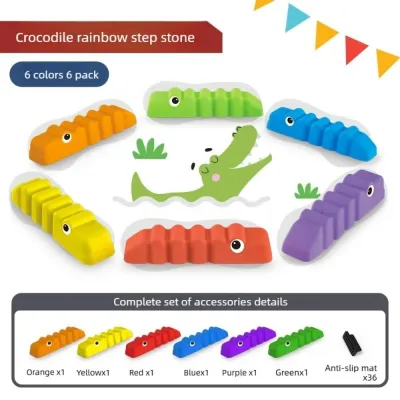

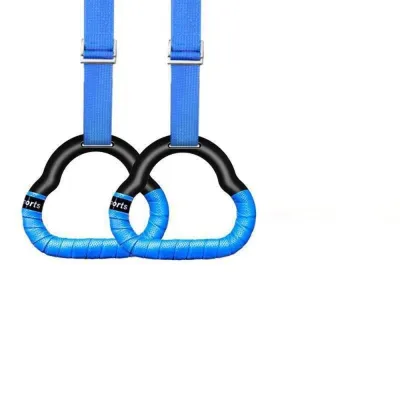

Prices are valid at publication and may change. Please refer to the product page for the latest price.
This combination of gear allows the user to master fundamental movements, such as forward rolls, cartwheels, and basic handstands, which form the bedrock of all advanced gymnastics disciplines. A curated set of foundational gear is far more beneficial for a novice than advanced, specialized apparatuses. It prevents over-ambition, reduces the risk of acute injuries, and builds the baseline physical strength and flexibility that makes future specialized training successful.
Transitioning from casual play to structured practice is a gradual process that requires the right physical boundaries. Having the correct gear at home ensures that early habits are built on stable, predictable surfaces. This structured setup teaches beginners to respect the equipment, understand their body’s limits, and focus on form rather than high-risk tricks.
Selection Criteria for Safe and Suitable Beginner Gear
When evaluating options for a gymnastics equipment set, parents and beginners must look past marketing claims and focus on objective safety standards and material specifications. Choosing the right gear involves assessing several key dimensions to ensure long-term durability and protection.

Material and Cover Durability
The outer cover of your gymnastics equipment must withstand repeated friction, sweat, and environmental exposure. Look for heavy-duty, tear-resistant materials such as 18-ounce vinyl or premium polyurethane (PU) leather. In tropical environments characterized by high humidity, like the Philippines, these non-porous materials are vital because they prevent moisture from seeping into the inner foam core. It is equally important to inspect the underside of the mats; ensure they feature a dedicated non-slip texture or plan to use a separate rubberized underlay if placing the equipment on smooth indoor surfaces.
Cushioning and Impact Absorption
Foam density is a critical safety variable that dictates how the body interacts with the ground. High-density cross-linked polyethylene (XPE) foam provides a firm, stable surface that supports the wrists, ankles, and feet during active tumbling, preventing them from sinking and twisting. In contrast, softer open-cell polyurethane foam is designed for landing or crash protection, absorbing the energy of a fall but offering poor support for active balance. For a beginner tumbling mat, a thickness of 1.5 to 2 inches of firm XPE foam is standard, as it provides the necessary joint protection without compromising stability.
Space and Storage Considerations
Home training spaces are rarely dedicated solely to gymnastics, making portability and storage critical factors. Prioritize equipment that features a folding panel design, a rollable structure, or adjustable dimensions that can be easily collapsed. When measuring your designated practice area, account for both the active footprint of the gear and the necessary safety clearance zones around it. Storing your gear in a dry, well-ventilated indoor space is essential to prevent the degradation of foam and the growth of mildew within folding hinges or strap seams.
Weight and Age Limits
Every piece of gymnastics equipment has physical limitations that must be verified before use. Always check the manufacturer’s product label for the maximum weight capacity, recommended age brackets, and specific intended use cases. Using equipment designed for a young child to support an adult’s conditioning routine can lead to structural failure, foam bottoming-out, or tipping.
Structural Integrity
High-quality construction is visible in the details of the equipment. Examine the seams, zippers, and connection points, looking for reinforced double-stitching with heavy-duty nylon thread. If the set includes adjustable straps or rings, verify that the buckles are made of high-tensile steel or heavy-duty composite materials rather than thin, brittle plastics.
Evaluating Each Essential Equipment Piece
To build a well-rounded gymnastics equipment set, it is important to understand the specific role, selection nuances, and operational limitations of each core item.
Tumbling Mats and Folding Gymnastics Mats
The folding tumbling mat is the cornerstone of any gymnastics equipment set. It is crucial to distinguish these firm, supportive mats from thick, soft crash mats; while a crash mat is excellent for cushioning a fall from a height, its soft surface cannot support the rapid footwork or hand placements required for basic tumbling. Look for a mat with a tri-fold or quad-fold design, which allows for quick setup and space-saving storage. Check that the carrying handles are securely stitched into the vinyl cover rather than just the outer seam, ensuring they can handle the weight of the mat during transport. Keep in mind that home folding mats are designed for low-impact floor work and basic skills; they do not possess the spring-loaded dynamics of a professional gym floor and should never be used to attempt high-velocity or aerial tumbling maneuvers.
Low-Profile and Floor Balance Beams
Balance is a fundamental pillar of gymnastics that can be safely practiced at home using a low-profile floor beam. Beginners should utilize beams that sit directly on the floor or are elevated no more than 2 to 4 inches, featuring a wide, flared base to prevent any lateral tipping. The core of the beam must be firm—typically constructed from high-density foam or a solid wood composite—to simulate the rigid feel of a competitive beam. The outer surface should be wrapped in a high-grip material, such as synthetic suede or textured vinyl, to prevent slipping when practicing footwork. Always establish a clear, unobstructed zone of at least 1.5 meters on all sides of the beam, ensuring that any accidental steps off the beam do not result in contact with walls, furniture, or hard floor surfaces.
Adjustable Gymnastics Rings and Anchors
For upper body strength and core conditioning, adjustable gymnastics rings are an invaluable addition to a starter set. Select rings that are sized appropriately for smaller hands, preferably made of textured wood or high-grip composite materials, paired with heavy-duty straps that feature numbered alignment marks for easy height adjustment. Safety when using rings is entirely dependent on the integrity of the anchor point. You must verify that the ceiling joist, exposed structural beam, or heavy-duty pull-up bar you plan to use is rated to support multiple times the user’s body weight to account for dynamic forces. Never attempt to anchor gymnastics rings to non-structural elements such as standard drywall, suspended ceiling grids, or unverified tree branches, as doing so poses an immediate risk of structural collapse and severe injury.
Flexibility and Conditioning Accessories
Complementing the larger apparatuses, small conditioning accessories are essential for building the physical foundation required for gymnastics. Multi-loop stretching straps allow beginners to safely execute static and dynamic stretches with controlled resistance, while lightweight resistance bands help strengthen the rotator cuffs, ankles, and core muscles. Before every single practice session, perform a visual inspection of these bands and straps, checking for micro-tears, discoloration, or fraying along the edges; discard and replace any compromised items immediately to prevent sudden snapping during use. These conditioning tools do not replace the main apparatus but rather prepare the body’s joints and muscles to handle the unique physical demands of gymnastics movements safely.
Setting Up a Safe Home Practice Environment
Owning the right gymnastics equipment set is only half the equation; establishing a secure, well-planned environment is equally critical to prevent accidents and support productive training sessions.
Clearance and Zoning
Creating a dedicated safety zone is paramount when setting up home gymnastics equipment. Ensure there is adequate overhead clearance, checking specifically for low-hanging light fixtures, ceiling fans, or sloped ceilings that could interfere with upright movements or jumps. Clear the perimeter of all sharp furniture corners, toys, and hard objects, establishing a buffer zone of at least 2 meters around the active training area.
Flooring Base
The surface beneath your equipment must be flat, level, and stable. In many homes in the Philippines, smooth tiled or polished concrete floors are common; placing a vinyl-covered tumbling mat directly on these surfaces can cause the mat to slide during active use. Always verify that the mat has a built-in non-slip backing, or place a dedicated rubberized mesh underlay beneath the equipment to lock it securely in place.
Supervision and Skill Boundaries
Home practice must always be supervised by an adult and restricted to basic, low-risk activities. The home environment is suitable for flexibility training, core conditioning, and the repetition of simple, foundational skills that have already been mastered under the direct guidance of a certified coach. It is not a space for self-teaching, experimenting with new techniques, or attempting complex aerial skills.
The "Stop and Consult" Rule
Establish a strict protocol for when to cease practice immediately. If the user experiences any joint pain, sharp discomfort, or unusual fatigue, stop the session at once. Similarly, if you notice any structural stress on the equipment—such as fraying straps, splitting seams, or compressed foam—or if the beginner attempts a skill that exceeds their current coached capability, halt the practice and consult a certified gymnastics professional or the equipment manufacturer before proceeding.
Frequently Asked Questions (FAQ)
Can a beginner practice gymnastics at home without a coach?
A beginner should only use home gymnastics equipment for conditioning, flexibility work, and reinforcing basic skills that have already been taught and approved by a certified coach. Learning new, complex, or aerial maneuvers at home without professional supervision introduces severe safety risks and can lead to improper technique or serious injury.
How do I maintain and clean my gymnastics mats?
To maintain your mats, wipe down the vinyl or PU covers after every use with a mild soap solution and a soft, damp cloth. Avoid harsh chemical cleaners, bleach, or abrasive scrubbing pads, as these can degrade the protective outer layer and compromise the material’s grip. Allow the mats to air dry completely in a well-ventilated, shaded area before folding and storing them to prevent the growth of mold and mildew, especially in humid climates.
Is it better to buy a pre-packaged set or individual pieces?
Pre-packaged starter sets offer excellent convenience and are often more cost-effective for families beginning their gymnastics journey. However, purchasing individual pieces allows you to customize the dimensions, foam density, and quality of each item to match your specific space and budget constraints. If you are on a limited budget, a practical approach is to invest first in a high-quality, appropriately sized tumbling mat, and then gradually add specialized pieces like balance beams or conditioning rings as the athlete progresses.
Community discussion
Share your experience or ask a question. Comments are reviewed before publication.