
A complete taekwondo gear set for full sparring protection must include a head guard, a chest protector (hogu), forearm guards, shin guards, and a groin guard. For advanced sparring and sanctioned tournaments, this baseline set expands to include a mouthguard, hand gloves, and instep foot protectors. Together, these components shield critical impact zones, absorb high-velocity kicks, and ensure compliance with standard sparring regulations. However, no amount of protective gear can replace proper technique, physical conditioning, and the supervision of a certified coach. Safety in martial arts begins with controlled execution, and understanding when and how to transition to full protective equipment is the first step toward safe, long-term training.
Assess Your Training Stage: When to Make the Taekwondo Gear Set Shift
In the initial stages of your martial arts journey, your training focuses primarily on basic stances, strikes, and forms, known as poomsae. During this phase, physical contact is virtually non-existent, meaning you require little to no protective padding beyond a standard uniform (dobok). The demand for protective equipment changes dramatically when you transition to kyorugi, or sparring. Sparring introduces dynamic, unscripted exchanges where partners execute high-speed kicks aimed at the torso and head.
The typical transition point occurs when students reach intermediate ranks, usually around the yellow or green belt level. At this stage, instructors introduce light-to-medium contact drills to build timing, distance management, and defensive reflexes. Making the taekwondo gear full set shift at this milestone is essential to prevent unnecessary bruising and minor injuries that can stall your progress.
Products mentioned in this guide
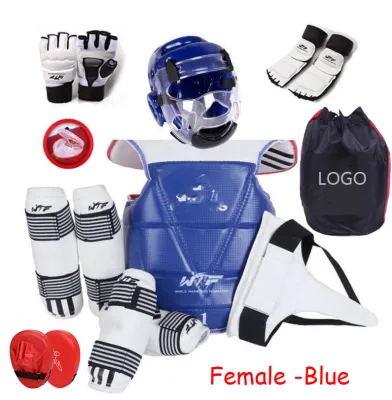
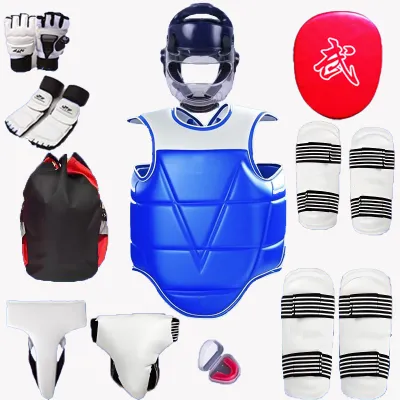
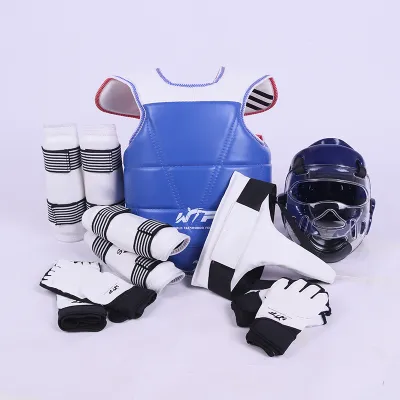
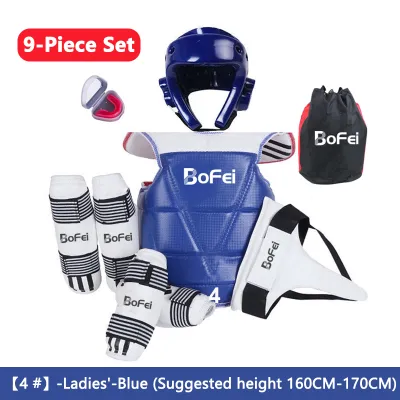

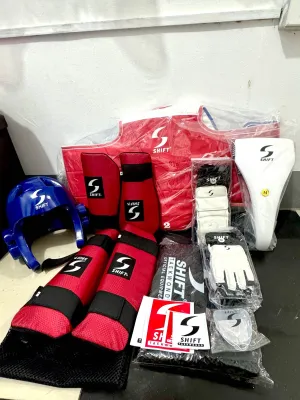
Prices are valid at publication and may change. Please refer to the product page for the latest price.
To determine if you need to purchase your own complete kit immediately, perform a quick self-check of your current training environment:
- Are your classes shifting from static target-pad kicking to active, free-sparring drills with partners?
- Does your training routine now involve controlled kicks directed at the torso or head?
- Has your school's head instructor mandated personal protective equipment for upcoming sessions?
If you answer yes to any of these questions, investing in a dedicated, personal set is highly recommended. Relying on shared dojang loaner gear is often a temporary solution; borrowed items may not fit your body shape correctly, compromising their protective efficiency. Furthermore, in the tropical climate of the Philippines, shared gear frequently suffers from accelerated wear and hygiene issues due to high humidity and sweat accumulation. Having your own gear ensures a reliable, custom fit that supports your movement without restriction.
The Essential Checklist: Core Pieces for Head-to-Toe Protection
A standard sparring set is designed to protect the most vulnerable areas of the body while maintaining the agility required for rapid footwork. In taekwondo, where points are primarily scored through powerful kicks to the body and head, the core protective pieces are divided into torso-and-head coverage and extremity guards. Each piece serves a specific anatomical purpose and must be adjusted correctly to ensure it does not shift during high-intensity exchanges.

Head and Torso Protection (Headgear and Chest Protector)
The headgear and the chest protector, or hogu, form the primary line of defense against high-impact forces. These pieces cover the areas where strikes carry the most momentum, making correct fit and material density paramount.
- Headgear: The head guard is designed to absorb impact shock from head kicks, helping to prevent superficial cuts, contusions, and localized trauma around the skull and ears. It must fit snugly around the forehead and temples without obscuring your peripheral vision or blocking your hearing. In Philippine dojangs, where high humidity can cause sweat to run into your eyes, a head guard with adequate ventilation slots is crucial to keep you cool and maintain clear vision.
- Chest Protector (Hogu): The hogu covers the entire torso, protecting vital organs, the ribs, and the collarbone, while extending around the back to shield the spine. It features a reversible design, typically red (hong) on one side and blue (cheong) on the other, to distinguish competitors. For official, high-level tournaments, electronic chest protectors (PSS) are utilized to register scores automatically. However, for daily dojo training and local club sparring, standard high-density foam hogus are highly durable, cost-effective, and perfectly adequate for absorbing heavy impacts.
Limb and Groin Protection (Shin, Arm, and Groin Guards)
While the head and torso absorb the primary scoring blows, your limbs and groin are constantly exposed to high-velocity impacts during blocks, checks, and accidental low kicks.
- Shin Guards: Positioned over the tibia, shin guards are vital for protecting the shinbone when executing kicks or checking an opponent's incoming strike. Because shin-on-shin contact can cause severe pain and bone bruising, these guards use pre-curved, high-density foam to wrap around the leg securely.
- Arm Guards (Forearm Protectors): Worn on the outer forearm, these guards absorb the force of powerful kicks when you execute upward or outward blocks. Without forearm protection, blocking a heavy roundhouse kick can lead to severe bruising or hairline fractures in the ulna and radius.
- Groin Guard: This is a mandatory safety item for male practitioners and is highly recommended for female practitioners. It features a hard plastic cup encased in padded foam and secured by an elastic waistband. To ensure maximum safety and prevent the guard from shifting during fast, high-kicking movements, it must be worn securely underneath your uniform pants.
Recommended Add-Ons for Advanced Sparring and Competition
As you advance to higher belt levels, participate in inter-school tournaments, or engage in full-contact sparring, basic protective gear may no longer suffice. Advanced rulesets allow for greater impact velocity and a wider variety of techniques, including punching combinations to the chest protector. To match this increased intensity, incorporating specific add-ons to your gear bag is highly recommended.
- Mouthguards: Protecting your teeth and jaw is essential during any contact sport. A mouthguard cushions the teeth against direct impact and helps prevent painful lacerations to the inside of the lips and cheeks. While standard "boil-and-bite" mouthguards are inexpensive and widely available, custom-fitted dental guards offer superior retention, making it much easier to breathe and communicate with your coach during intense rounds.
- Instep Guards (Foot Protectors): The small, delicate bones on the top of the foot (metatarsals) are highly susceptible to injury when striking a dense chest protector or an opponent's elbow. Instep guards are lightweight, padded socks that cover the top of the foot and the ankle, absorbing impact without adding significant weight or slowing down your kicking speed.
- Hand and Forearm Guards: Modern sparring rules allow for active punching to the torso. Lightweight padded gloves protect the knuckles and hands during close-range clinches and offensive punch combinations. Additionally, some advanced practitioners opt for extended forearm sleeves that offer seamless coverage from the wrist to the elbow, eliminating any unprotected gaps between your gloves and standard arm guards.
How to Verify Fit, Comfort, and Safety Standards
Owning a full set of gear is only effective if the equipment fits correctly and meets established safety standards. Poorly fitting gear can slip out of place mid-sparring, exposing you to injury, while low-quality foam may fail to absorb impact.
When purchasing gear, look for the World Taekwondo (WT) approval logo printed on the labels if you plan to compete in sanctioned regional or national tournaments in the Philippines. For casual, non-competitive dojo training, WT certification is not strictly mandatory, but you must verify that the protective foam is high-density. Test this by pressing the foam firmly with your thumb; if it compresses easily to the backing or feels hollow, it will not offer sufficient impact absorption.
Use this simple fit-check guide to evaluate your equipment:
- Headgear: Put the head guard on and shake your head side to side. It should remain firmly in place without sliding over your eyes. The chin strap should be snug enough to keep the helmet secure but must not restrict your jaw movement or press uncomfortably against your throat.
- Hogu: The chest protector should cover your collarbone down to your lower ribs, wrapping fully around your flanks. It must be tied tightly enough to prevent shifting when you twist your torso, but it should never restrict your ability to take deep, diaphragmatic breaths.
- Limb Guards: Fasten the Velcro straps on your shin and forearm guards. Execute a series of high kicks and blocks. If the guards slide down your limbs or rotate out of alignment, they are either too large or the elastic straps have lost their tension.
Signs It Is Time to Replace or Upgrade Your Current Gear
Protective gear does not last indefinitely. Over time, repeated impacts, sweat exposure, and general wear degrade the materials, reducing their protective capabilities. Using compromised gear creates a false sense of security while significantly increasing your risk of injury.
Regularly inspect your equipment for these physical warning signs:
- Compressed or Cracked Foam: If the internal padding of your hogu or headgear feels permanently compressed, soft, or exhibits internal cracking, it can no longer rebound to absorb impact.
- Failing Velcro Straps: Frayed or worn-out Velcro fasteners that pop open during movement cause guards to slip, exposing your shins or forearms during a match.
- Lingering Odors and Material Breakdown: In the humid Philippine climate, sweat-soaked gear that is not dried properly becomes a breeding ground for bacteria. If a persistent, sour odor remains even after cleaning, the synthetic leather and inner linings are undergoing deep bacterial breakdown, which can cause skin irritation or infections.
You do not always need to purchase a brand-new complete set if only one piece is damaged. Inspect each component individually. If your shin guards are in excellent condition but your hogu’s straps are frayed beyond repair, simply replace the chest protector. Prioritizing targeted upgrades allows you to maintain optimal safety without unnecessary expense.
Frequently Asked Questions (FAQ)
Can I use generic martial arts gear instead of taekwondo-specific equipment?
While some basic items like mouthguards and groin cups are interchangeable across various martial arts, you should avoid using generic or non-taekwondo-specific pads for sparring. Taekwondo relies on highly specific, rapid kicking mechanics that require lightweight, streamlined protection. For instance, Muay Thai shin guards are typically thick, heavy, and designed for heavy checking, which will severely slow down your snapping kicks and exhaust your legs. Similarly, boxing headgear often features thick cheek protectors that obscure the lower and peripheral fields of vision, making it difficult to spot incoming head kicks. Using taekwondo-specific gear ensures you maintain the precise balance of mobility and protection required by the sport.
Is a full taekwondo gear set required for belt testing?
The equipment requirements for promotion tests vary depending on your specific school (dojang) and the governing athletic association. For lower-belt promotions that focus primarily on basic movements, physical conditioning, and poomsae (forms), a full sparring set is rarely required. However, once you advance to intermediate and senior ranks—where sparring demonstrations are a mandatory part of the grading curriculum—you will generally be required to wear at least a hogu, headgear, shin guards, forearm guards, and a groin protector. Always consult your head instructor or review your school’s official testing handbook well in advance of your promotion exam to ensure you have the correct, compliant gear ready.
Community discussion
Share your experience or ask a question. Comments are reviewed before publication.