
A complete golf cleaning kit is more than just a simple towel and brush; it is a systematic maintenance system designed to preserve the integrity of your clubs, balls, and gloves. In tropical climates where high humidity, sudden downpours, and muddy fairways are common, keeping your gear clean is essential for maintaining optimal spin, grip, and accuracy. A comprehensive kit must feature specialized tools tailored to different materials, ensuring that abrasive brushes do not scratch delicate clubheads and that harsh chemicals do not ruin premium leather gloves.
When evaluating a golf cleaning kit, you should look for a balance of durability, material safety, and portability. Investing in the right tools helps prevent premature wear on expensive equipment, saving you from costly replacements. By understanding what makes a kit truly complete, you can make an informed purchase that keeps your gear in peak condition round after round.
Essential Components for Golf Club Maintenance
Golf clubs are precision instruments made from a variety of materials, including stainless steel, titanium, carbon fiber, and delicate graphite. Because of this material diversity, a single, one-size-fits-all brush can easily damage your clubs. A high-quality golf cleaning kit must include a dual-sided brush featuring both soft nylon and stiff brass or wire bristles. Soft nylon bristles are designed for cleaning woods, hybrids, and the delicate graphite shafts of your clubs, as they remove loose dirt without scratching the protective clear coat. Conversely, brass or wire bristles are reserved for steel irons and wedges, where stubborn, dried-in mud and turf require a stiffer material to dislodge.
Products mentioned in this guide
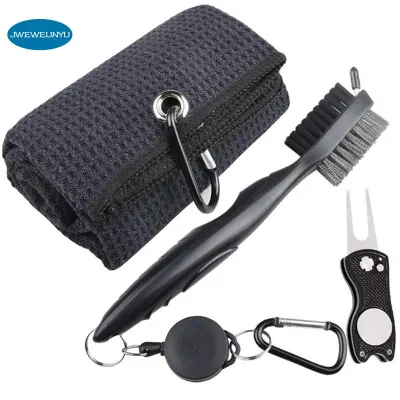
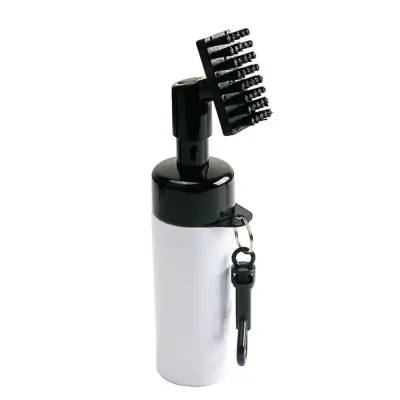
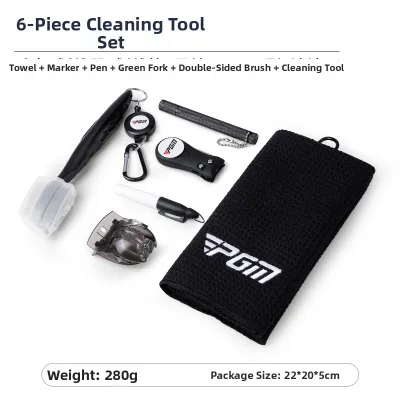
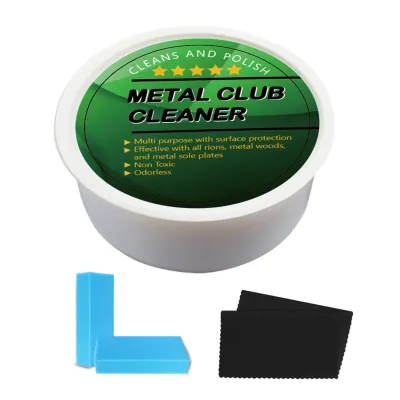
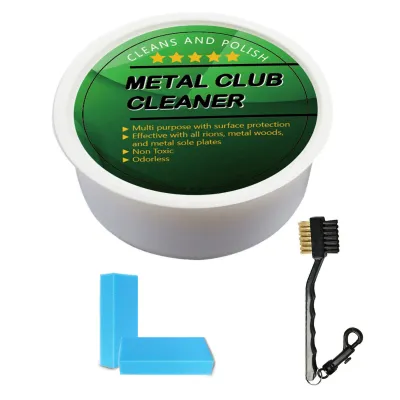
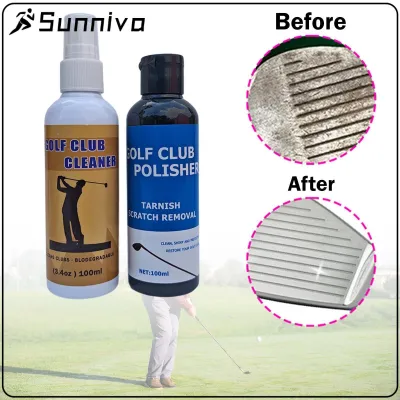
Prices are valid at publication and may change. Please refer to the product page for the latest price.
Groove cleaning is another critical aspect of club maintenance that directly impacts your game. The grooves on your clubface are engineered to channel away water, grass, and debris to ensure clean contact with the ball. When these grooves become packed with dirt, your shots lose spin and control, which can severely affect your accuracy on the green. A complete kit should feature a dedicated groove cleaning tool, often integrated as a retractable metal pick on the brush head. When using these picks, verify that they have protective caps to prevent accidental punctures to your bag or fingers, and ensure the tool is designed to clean the grooves without shaving away the metal or violating equipment rules.
Beyond brushes, a proper kit requires a non-corrosive, club-safe cleaning solution and a highly absorbent microfiber towel. Avoid kits that rely on harsh solvents, which can degrade the epoxy holding the clubhead to the shaft. Instead, look for mild, biodegradable spray solutions that lift dirt naturally. The accompanying towel should feature a waffle-weave pattern, which is highly effective at trapping dirt particles within its deep pockets rather than dragging them across the metal surface. A large, split-wet-and-dry microfiber towel allows you to keep one half damp for cleaning and the other half dry for polishing.
Finally, do not overlook grip maintenance. Over time, golf grips accumulate sweat, skin oils, sunscreen, and dirt, which quickly slickens the surface and compromises your hold. A complete cleaning kit should include a specialized grip cleaning tool or a mild, residue-free soap designed to restore the natural tackiness of rubber, polyurethane, or cord materials. Regularly cleaning your grips prevents them from drying out and cracking, ensuring a secure hold even during hot, humid afternoons on the course.
Necessary Tools for Cleaning Golf Balls
Maintaining a clean golf ball is just as important as keeping your clubs spotless. Even a minor buildup of mud, grass stains, or sand in the dimples of a golf ball can disrupt its aerodynamics, leading to unpredictable flight paths and inconsistent rolls on the green. To address this, a comprehensive golf cleaning kit should feature dedicated tools specifically designed to clean the spherical, dimpled surface of a golf ball without requiring you to walk back to the cart or clubhouse wash stations.

Portable ball washers and specialized ball-cleaning pouches are excellent inclusions to look for. These compact accessories often feature a damp, plush interior lining or integrated internal brushes that allow you to insert the ball, spin it clean, and dry it quickly between holes. If the kit does not include a dedicated pouch, it should at least provide a specialized ball-cleaning brush with contoured bristles that match the curve of a standard ball, allowing you to scrub deep into the dimples where flat brushes cannot reach.
When evaluating the cleaning agents included in a kit, verify that they are safe for all golf ball cover materials. Premium golf balls typically feature soft urethane covers, while distance-oriented balls often use firmer surlyn or ionomer blends. The cleaning solution must be free from harsh chemicals or abrasives that could strip the outer clear coat, discolor the cover, or soften the material. A safe, cover-compliant solution will lift organic stains and grass juices easily without compromising the ball’s structural integrity.
To prevent cross-contamination, a complete kit must provide a dedicated ball towel or a separate section on a multi-use towel. Using the same towel surface to clean both muddy irons and golf balls is a common mistake. Abrasive sand particles and metal shavings left on a club towel can easily scratch the soft cover of a golf ball during a vigorous wipe-down. Having a designated, clean microfiber cloth solely for your golf balls ensures they remain smooth and free from micro-scratches.
Proper Care Items for Golf Gloves
Golf gloves are often the most neglected piece of equipment when it comes to cleaning, yet they are the primary point of contact between your body and the club. Because they are constantly exposed to sweat, friction, and environmental moisture, gloves can quickly become stiff, smelly, and prone to tearing. A complete cleaning kit should address this by including specific care items designed to extend the lifespan of both leather and synthetic gloves.
It is crucial to distinguish between the care requirements of premium cabretta leather and synthetic materials. Cabretta leather is highly sensitive to moisture and heat; soaking it in water or using harsh detergents will strip the natural oils, causing the leather to dry out, shrink, and crack. A proper glove care kit should include a mild, specialized leather cleaner or conditioner that can be gently wiped onto the surface to lift dirt and sweat while preserving the leather’s natural suppleness. For synthetic or hybrid gloves, a gentle, water-based cleaning spray is usually sufficient to refresh the fabric.
To apply these cleaners safely, the kit should feature ultra-soft, non-abrasive wiping cloths. These cloths allow you to gently lift surface dirt, oils, and salt buildup from the palm and fingers without rubbing the material too harshly. Avoid using rough paper towels or stiff brushes on gloves, as these can pill synthetic fabrics and scuff genuine leather.
Proper drying is the final, critical step in glove maintenance. When a wet or sweaty glove dries flat, it often shrinks and hardens into an unusable shape. To prevent this, look for kits that include specialized drying accessories, such as plastic glove shapers or hanging clips. A glove shaper is a hand-shaped frame that you slide inside the glove after a round, keeping the fingers extended and allowing air to circulate evenly. This simple tool prevents stiffness, maintains the glove’s original fit, and significantly extends its usable life, especially in humid tropical climates.
How to Evaluate Kit Completeness and Build Quality
With numerous golf cleaning kits available on online marketplaces, distinguishing a high-quality maintenance system from a cheap bundle of filler items is essential. The first step in evaluating a kit is to inspect the build quality of the individual components. Look for brushes with ergonomic, heavy-duty rubberized handles that provide a secure grip even when wet. The bristles should be securely anchored into the brush head; cheap brushes often shed wire or nylon bristles after only a few uses, which can be frustrating and potentially hazardous if wire fragments get caught in your gear.
Towels are another major indicator of kit quality. Check the specifications for the towel’s weight, measured in grams per square meter (GSM). A high-quality microfiber towel should have a rating of at least 300 to 400 GSM, indicating a dense, plush weave that can absorb significant amounts of water and trap dirt effectively. Additionally, ensure that any spray bottles included in the kit are made from thick, leak-proof plastics with secure screw-on caps to prevent soapy water from spilling inside your golf bag.
Portability and attachment features are vital for on-course convenience. A complete kit should offer robust attachment options, such as heavy-duty aluminum carabiners, retractable zip-line cords, or strong magnetic clips. These features allow you to secure the brush and towel to the outside of your golf bag, keeping them within arm’s reach during your round. A retractable cord is particularly useful, as it allows you to pull the brush down to clean your clubface without having to unclip it from your bag every time.
When comparing kits, be wary of packages that include unnecessary filler items to artificially inflate the perceived value. Items like cheap plastic tees, low-grade plastic pitch mark repairers, or multiple identical brushes often serve as distractions from low-quality core components. Instead, prioritize kits that focus on delivering a few highly durable, well-designed tools. Watch out for red flags such as harsh chemical warning labels on the cleaning solutions, missing protective caps on sharp metal picks, or flimsy plastic clips that are likely to snap under the weight of a damp towel.
Pre-Packaged Kits vs. Building a Custom Setup
Deciding whether to purchase a pre-packaged golf cleaning kit or assemble your own custom setup depends largely on your budget, playing frequency, and specific equipment needs. For beginners, casual players, or those looking for a practical gift, a pre-packaged kit is often the most convenient and cost-effective choice. These kits typically range from ₱500 to ₱1,200 and provide all the essential tools in a single, cohesive package. They save you the time of sourcing individual items and usually come with a compact carrying case that fits neatly into your golf bag.
However, advanced players or those with premium, high-end equipment may find that pre-packaged kits do not fully meet their standards. If you play frequently or have specific preferences—such as a particular stiffness of brass bristles, a larger waffle-weave towel, or a specialized leather conditioner for expensive cabretta gloves—building a custom setup is highly advantageous. While sourcing individual, high-quality components can be more expensive, potentially costing upwards of ₱2,000, it allows you to select professional-grade tools that offer superior durability and performance.
For many golfers, a hybrid approach offers the best of both worlds. You can start by purchasing a reasonably priced, durable pre-packaged kit to secure the essential carrying case, retractable brush, and basic towel. Over time, you can upgrade specific components as they wear out or as your needs evolve. For example, you might replace the basic cleaning spray with a premium, non-toxic grip restorer, or add a specialized glove shaper to your bag. This approach allows you to customize your maintenance routine without spending a fortune upfront.
Frequently Asked Questions (FAQ)
Can I use household dish soap or glass cleaner on my golf clubs and gloves?
Mild, non-abrasive dish soap diluted in warm water is perfectly safe and highly effective for cleaning clubheads and restoring the tackiness of rubber grips. However, you should strictly avoid using harsh household chemicals, solvents, or glass cleaners on your golf equipment. Glass cleaners often contain ammonia, which can strip the protective clear coat from graphite shafts and degrade the epoxy holding the clubhead together. Furthermore, household detergents should never be used on leather golf gloves, as they strip away the natural oils, leaving the leather stiff, brittle, and prone to tearing.
How often should I clean my golf equipment during and after a round?
For optimal performance, you should perform quick maintenance during your round and a thorough deep clean afterward. During play, wipe down your clubface and ball with a damp microfiber towel after every shot to ensure clean contact and consistent spin on your next swing. Once your round is finished, take a few minutes to perform a post-round inspection. Use your brush and groove pick to remove any packed dirt from your wedges, wash your grips if they feel sweaty, and place your glove on a shaper to dry. Ensure all equipment is completely dry before storing it in your bag to prevent rust and mold growth.
Community discussion
Share your experience or ask a question. Comments are reviewed before publication.