
For women runners, finding the right fanny pack is the difference between a smooth, focused daily run and a frustrating, chafing-filled workout. A high-performing running belt must accommodate the unique demands of female anatomy, high-impact movement, and tropical weather conditions. To ensure a distraction-free run, prioritize a bounce-free fit that contours to the hips, secure and accessible storage for essentials like smartphones and keys, and highly breathable, moisture-wicking fabrics that prevent skin irritation. Sizing must remain adjustable or utilize high-quality stretch materials that retain their compression over months of frequent use and washing. By focusing on these core elements, you can carry your daily gear safely without sacrificing your running form or comfort.
Fit and Sizing: Adapting to Female Anatomy and Running Mechanics
The biomechanics of running require gear that moves with your body rather than against it. For women, the waist-to-hip ratio and pelvic structure play a massive role in how a running pack behaves during a stride. Standard straight-cut belts often ride up toward the narrowest part of the waist, causing the pack to bounce, constrict breathing, or rub against the skin. To counter this, look for anatomically contoured designs that flare slightly to rest securely on the hip bones. Placing the pack lower on the hips lowers the center of gravity, which naturally minimizes vertical movement and keeps the load stable over long distances.
When choosing between adjustable buckle straps and continuous stretch tubes, consider your specific comfort preferences and running environment. Adjustable straps with heavy-duty buckles allow you to customize the tension on the fly, making them highly adaptable if you change your clothing layers or lose weight during training. However, the plastic buckles can sometimes press uncomfortably against the spine or hips. Continuous stretch tubes, on the other hand, offer a seamless, hardware-free profile that distributes pressure evenly around the entire torso. The trade-off is that stretch tubes must fit perfectly from the start; if they are too loose, they will bounce, and if they are too tight, they will restrict deep diaphragmatic breathing.
Products mentioned in this guide
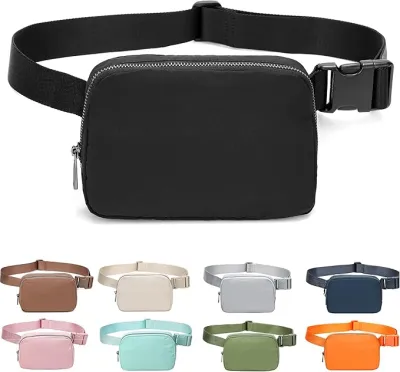
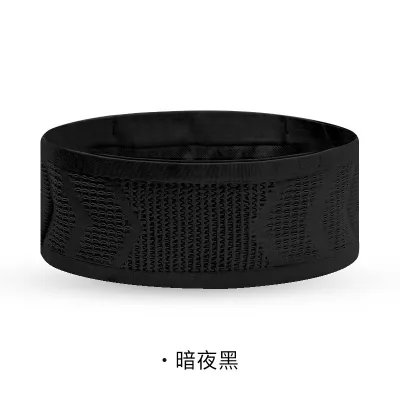
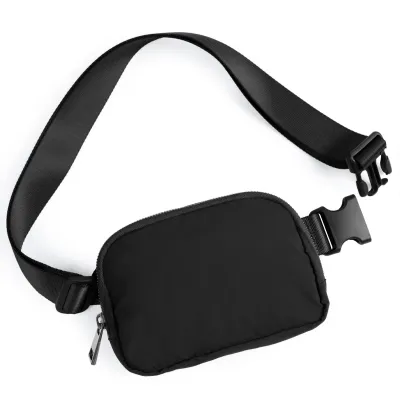
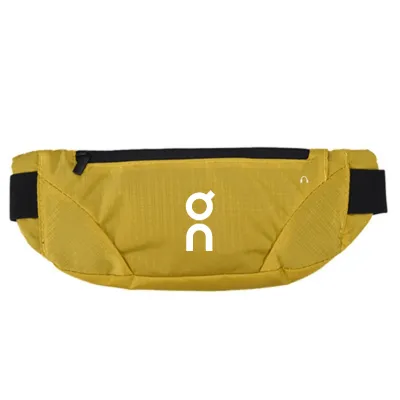
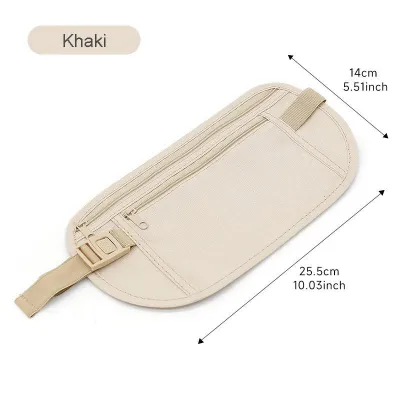
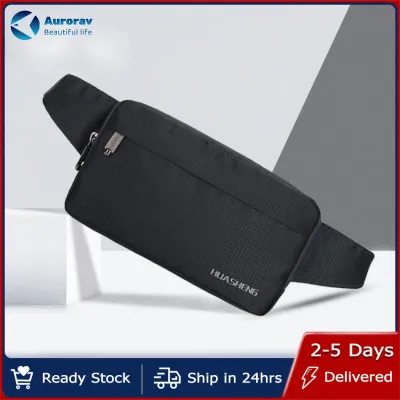
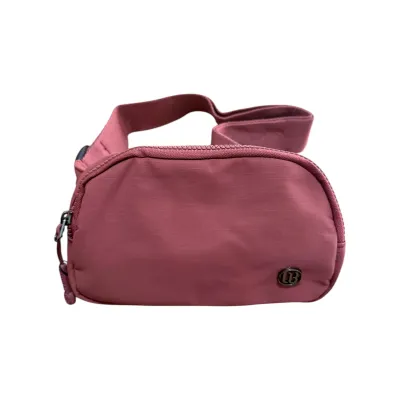
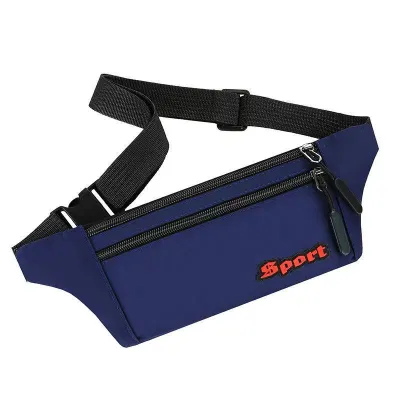
Prices are valid at publication and may change. Please refer to the product page for the latest price.
To find your ideal size, never rely on your standard dress or pant size, as running gear sizing varies significantly between manufacturers. Use a flexible measuring tape to measure both your natural waist (the narrowest part of your torso) and your wider hip area where you intend the belt to sit. Compare these exact measurements against the manufacturer’s specific sizing chart. If your measurements fall between two sizes, consider the carrying load: a tighter fit is generally better for carrying heavier items like smartphones, while a slightly looser fit works well for light keys and energy gels.
Storage and Organization: Matching Capacity to Your Run Profile
The volume and layout of your running fanny pack should directly reflect the gear you carry on your daily routes. A primary consideration is the smartphone compartment. Modern smartphones are increasingly large, and when encased in rugged, shockproof covers, they require substantial pocket space. Before purchasing, verify the physical dimensions of the main pocket rather than relying on generic “fits most phones” claims. The fabric should accommodate your device easily without stretching to its absolute limit, which can strain the zippers and press the hard edges of the phone directly against your body.

Key security is another critical detail that prevents damage to your other belongings. Look for packs that feature a dedicated inner pocket or an integrated key leash. Keeping your keys physically isolated from your smartphone prevents the metal teeth from scratching your screen or puncturing soft energy gel packets during high-impact movement. Additionally, a secure clip ensures that your keys will not accidentally fall out when you reach into the pack to retrieve a phone or tissue mid-run.
Hydration compatibility is a vital consideration for runners facing tropical heat and high humidity. If your daily runs extend past thirty minutes, check whether the fanny pack is designed to hold soft flasks or small water bottles. Some packs feature specialized angled holsters or expandable mesh sleeves that keep water weight close to your center of gravity. If the pack is strictly designed for dry goods, attempting to stuff a rigid water bottle into a standard pocket will cause severe bouncing and may damage the seams.
Effective organization relies on multiple independent storage zones. A single large pocket allows items to shift, jingle, and rub against each other, which can be highly distracting. Look for designs with separate compartments or internal dividers. This layout allows you to isolate sweaty items, such as used sweat wipes or damp cash, from your dry electronics and nutrition. It also ensures that you can access a specific item quickly without risking other valuables falling out in the process.
Materials and Weather Protection: Reading Labels and Specifications
In tropical climates where humidity is high and sudden downpours are common, the material composition of your running pack is paramount. Sweat and environmental moisture can quickly saturate low-quality fabrics, leading to heavy gear, sagging pockets, and severe skin chafing. Look for technical fabrics that prioritize moisture-wicking and breathability. Mesh back panels, particularly those utilizing open-weave or perforated designs, facilitate airflow between the pack and your skin, helping to dissipate heat and dry sweat rapidly.
Understanding the distinction between water-resistant and waterproof materials is crucial for protecting your electronics. Water-resistant fabrics, often treated with a Durable Water Repellent (DWR) coating, can shed light drizzle and resist sweat penetration for a limited time. However, they are not designed to withstand heavy tropical downpours or prolonged exposure to intense perspiration. If you frequently run in wet conditions, look for packs featuring waterproof fabrics, polyurethane (PU) inner coatings, or welded seams. For absolute safety of electronic devices during a monsoon, consider placing your phone in a simple zip-top plastic bag before sliding it into the pack.
Elasticity retention determines the lifespan of a stretch-fit running belt. Materials blended with high percentages of spandex, elastane, or Lycra provide the necessary compression to keep your gear flush against your body. However, constant exposure to body heat, sweat acidity, and UV rays can degrade these elastic fibers over time, causing the belt to sag. To verify durability, check the product specifications for high-density knit constructions, which tend to hold their shape much longer than thin, single-layer elastic bands.
Frequent washing is unavoidable for running gear, making care instructions a key factor in your purchase decision. Sweat contains salts and oils that can clog breathable mesh and break down technical coatings if left unwashed. Review the manufacturer’s care label to ensure the pack can withstand regular cleaning. While hand washing in cold water with a mild detergent is the safest method to preserve elastic fibers, some packs are machine washable on a gentle cycle. Avoid using fabric softeners, bleach, or high-heat dryers, as these will rapidly destroy the elasticity and water-resistant treatments.
Stability and Security: Preventing Bounce and Protecting Valuables
A bouncing fanny pack is more than just an annoyance; it alters your running gait, wastes energy, and causes painful friction burns. Achieving stability relies on smart weight distribution and structural design. Multi-pocket designs that wrap around the entire waist distribute the weight of your phone, keys, and nutrition evenly, preventing the pack from sagging or shifting to one side. When the load is balanced, the pack moves in harmony with your pelvis, reducing the vertical oscillation that causes bounce.
To further minimize movement, many modern running belts incorporate grip panels or silicone backing on the interior surface. These silicone patterns increase friction against your running shorts or shirt, preventing the belt from riding up your torso as you run. When evaluating these features, ensure the silicone is applied in thin, breathable patterns rather than solid sheets, which can trap sweat and cause localized skin irritation in hot weather.
The quality of closures and zippers is a primary security factor. Look for self-locking zippers that stay in place once zipped, preventing the pocket from slowly vibrating open during a sprint. Zippers with fabric garages—small hoods that cover the zipper pull when fully closed—prevent the metal tab from bouncing and making a repetitive ticking sound. For zipperless stretch pockets, ensure the top flap has a deep overlap or a secure hook-and-loop closure to keep items from sliding out when you bend over to stretch.
Safety on the road requires visibility, especially if you prefer running during the cooler hours of early morning or late evening. Check the placement and quality of reflective elements on the fanny pack. Ideally, the pack should feature reflective logos, strips, or piping on both the front and back, ensuring you remain visible to motorists and cyclists from multiple angles. However, remember that reflective gear is a secondary safety measure; it cannot replace active situational awareness, defensive running habits, and choosing well-lit routes when navigating traffic.
Pre-Purchase Checklist: Verifying Claims Online and In-Store
Before committing to a purchase on an ecommerce platform or at a local sporting goods store, use this systematic checklist to verify that the fanny pack meets your specific running needs:
- Cross-Reference Dimensions: Measure your smartphone with its current protective case on. Compare these measurements directly against the internal dimensions of the pack's main pocket, ensuring there is at least a half-inch of clearance for easy insertion and removal.
- Evaluate User Reviews: When shopping online, filter reviews to look for feedback from runners who have used the pack for several months. Specifically search for mentions of "elasticity loss," "zipper failure," "chafing," or "bouncing" to identify potential long-term durability issues.
- Check Return Policies: Ensure the retailer or online marketplace offers a flexible return policy. This allows you to perform a fit test at home—such as wearing the pack loaded with your gear and jogging in place or on a treadmill—before committing to keeping it.
- Assess Value and Warranty: Compare the price in ₱ against the materials used and the warranty offered. A slightly more expensive pack made with durable elastane and robust zippers often provides better long-term value than a cheap alternative that loses its stretch after a few weeks.
Frequently Asked Questions (FAQ)
Can I wear a running fanny pack over or under my clothes?
You can wear a running fanny pack either over or under your clothes, depending on your comfort preferences and the design of the pack. Wearing it over your clothes offers maximum accessibility, allowing you to quickly grab your phone or nutrition mid-run without fumbling with layers. It also prevents direct skin contact, reducing the risk of chafing from seams or zippers. However, if the fabric of your running shirt is slippery, the pack may slide upward more easily. Wearing the pack under your clothes, directly against your skin or over a thin base layer, provides excellent stability and keeps your valuables hidden. If you choose this method, it is essential to use a pack made from highly breathable, moisture-wicking fabrics to prevent sweat buildup and skin irritation. Keep in mind that clothing thickness affects strap tension; a belt adjusted for a thin summer tank top will need to be loosened when worn over thicker rainy-season layers.
How do I clean a sweaty fanny pack without damaging the elastic?
To maintain the compression, shape, and longevity of your running fanny pack, proper cleaning is essential. Always start by checking the manufacturer’s care label for specific temperature and detergent restrictions. As a general rule, hand washing is the safest method for technical running gear. Submerge the pack in cold water mixed with a small amount of mild, sports-specific detergent, gently massaging the fabric to release sweat salts and oils. Rinse thoroughly with cold water to remove all soap residue. Always air dry the pack by hanging it in a well-ventilated indoor space or in the shade, away from direct sunlight, which can degrade elastic fibers. Never use fabric softeners, bleach, or high-heat tumble dryers. Fabric softeners leave a coating that clogs moisture-wicking pores, while high heat melts and breaks down the delicate elastane and spandex fibers, permanently ruining the pack’s stretch and fit.
Community discussion
Share your experience or ask a question. Comments are reviewed before publication.