
To stay comfortable and protected while fishing in the hot, humid climate of the Philippines, a fisherman jumpsuit must prioritize lightweight, moisture-wicking synthetic fabrics, high Ultraviolet Protection Factor (UPF) ratings, and strategic mechanical ventilation. Balancing these elements with the right level of water resistance ensures you stay dry from both sudden tropical downpours and your own perspiration.
Anglers in the Philippines face intense sun exposure, sudden afternoon squalls, and relentless humidity whether wading in coastal flats, casting in freshwater lakes, or deep-sea fishing. Choosing the right gear is not just about comfort; it is about maintaining stamina and focus during long hours on the water. A well-designed fisherman jumpsuit serves as a unified protective layer, but selecting the wrong materials can quickly lead to overheating and fatigue.
Understanding how different fabrics, waterproofing technologies, and ventilation designs perform in tropical conditions is key to making an informed purchase. By focusing on specific performance indicators and construction details, you can find a garment that keeps you cool, dry, and protected throughout your fishing adventures.
Products mentioned in this guide
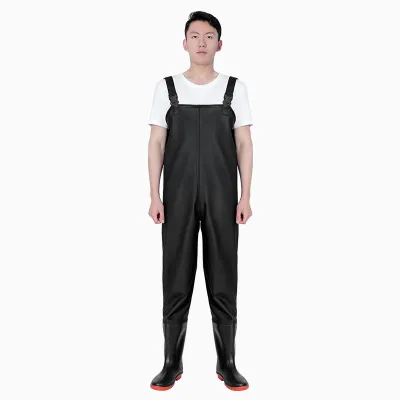
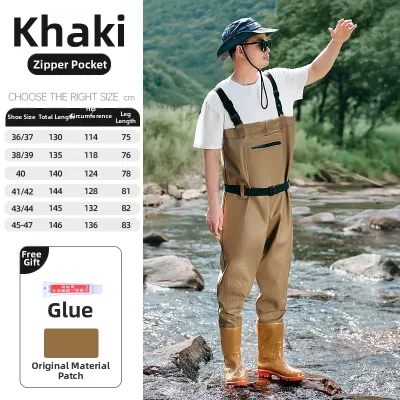

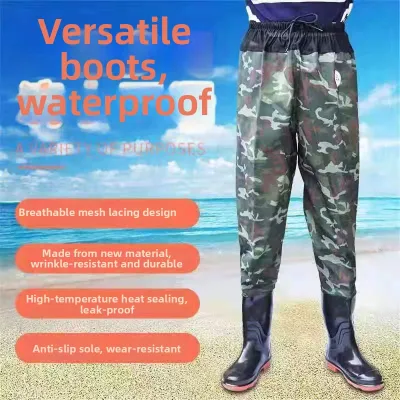
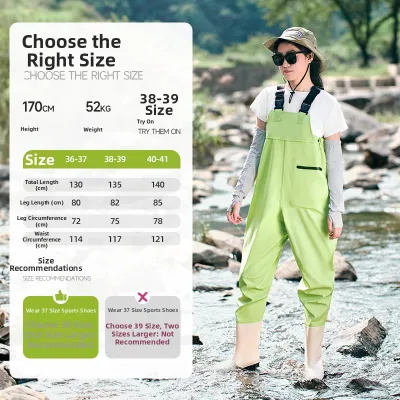
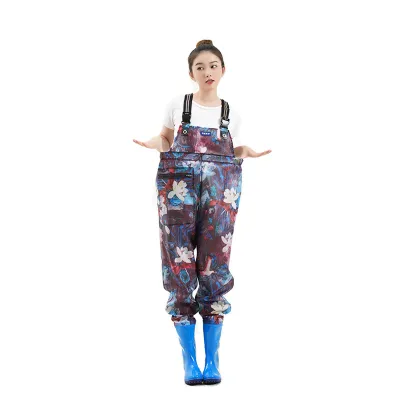
Prices are valid at publication and may change. Please refer to the product page for the latest price.
Fabric Choices for High Heat and Humidity
Synthetic blends like nylon and polyester are highly effective for tropical environments because they do not retain moisture. These materials are engineered to pull sweat away from your skin and spread it across the outer surface of the fabric, where it can evaporate quickly. This moisture-wicking action is crucial in high-humidity settings where natural evaporation is already slowed by the damp air.
In contrast, natural fibers like cotton absorb moisture and hold onto it, causing the fabric to become heavy, clingy, and slow to dry. Wearing damp cotton garments for extended periods in warm weather can lead to skin chafing and general discomfort. For tropical fishing, synthetic fabrics remain the practical choice for keeping your body dry and comfortable.
Sun protection is another critical factor when spending long hours on open water. Rather than relying on fabric color or thickness, which do not reliably indicate sun safety, you should verify the Ultraviolet Protection Factor (UPF) rating on the product tag. A rating of UPF 30 or UPF 50+ indicates that the fabric has been tested to block a significant portion of harmful ultraviolet radiation.
When selecting a jumpsuit, you must also balance the need for lightweight cooling with the requirement for durability. Very thin fabrics offer excellent breathability but can tear easily when they come into contact with sharp fish hooks, dorsal spines, mangrove branches, or rough boat gunwales. To address this, look for synthetic fabrics featuring a ripstop weave, which incorporates stronger reinforcement threads at regular intervals to prevent small punctures from turning into large tears.
Waterproofing vs. Breathability Trade-offs
Finding the right balance between keeping rain out and letting sweat escape is one of the greatest challenges when choosing a fisherman jumpsuit for tropical climates. Fully waterproof constructions, which often feature taped seams and non-porous barriers, are highly effective at blocking heavy downpours. However, they also trap your body heat and perspiration, which can quickly make the inside of the suit feel as wet as the outside.

For inshore wading or fishing in relatively calm conditions, water-resistant garments treated with a Durable Water Repellent (DWR) coating are often more comfortable. These coatings cause water to bead up and roll off the surface of the fabric without completely sealing the weave. This allows for much better air circulation, though a DWR treatment can eventually become saturated during prolonged, heavy tropical rain.
To bridge this gap, some jumpsuits utilize breathable membranes that feature microscopic pores. These pores are small enough to block liquid water droplets from entering but large enough to allow sweat vapor to escape. It is important to note, however, that these membranes rely on a temperature and humidity differential to function; in extremely humid tropical environments, their ability to transport moisture outward can be significantly reduced.
Because chemical membranes have physical limits in high humidity, mechanical venting remains a highly reliable way to manage heat. Look for jumpsuits that combine water-resistant fabrics with physical openings, such as zippered flaps or mesh panels, that you can open to let fresh air circulate directly against your body.
When comparing options, check the manufacturer’s specifications for hydrostatic head ratings, which measure waterproofness in millimeters, and moisture vapor transmission rates (MVTR) for breathability. For tropical fishing, a moderate waterproof rating paired with high breathability or extensive physical venting is generally more practical than a heavy-duty, fully sealed offshore suit designed for cold, stormy seas.
Essential Ventilation and Design Features
The physical design of a fisherman jumpsuit plays a major role in how well it handles tropical heat. Look for garments that feature mesh-lined vents across the back shoulders, under the arms, and along the thighs. These vents allow warm air to escape from the areas where your body generates the most heat, while the mesh lining prevents insects from entering.
Two-way zippers are another valuable feature for active temperature regulation. They allow you to unzip the jumpsuit from the top to increase chest ventilation, or from the bottom to allow air into the lower section of the garment. Adjustable cuffs at the wrists and ankles also give you the flexibility to tighten the seals during a sudden downpour or loosen them to maximize airflow when the sun comes out.
Insects are a common challenge when fishing near mangroves, rivers, or coastal flats in the Philippines. Tight fabric weaves provide a natural physical barrier against biting insects without the need for chemical additives. Some jumpsuits also feature integrated ankle gaiters that seal around your boots to keep crawling pests out, while others may come with factory-applied insect-repellent treatments that you can verify on the product label.
Pocket placement and closure types should also be evaluated carefully. Pockets that are too large or poorly positioned can trap heat against your body and restrict your movement when you bend, squat, or cast. Look for jumpsuits with low-profile, mesh-backed pockets that allow air to pass through, and ensure they feature secure, corrosion-resistant closures like plastic zippers or hook-and-loop fasteners to protect your gear from saltwater exposure.
Fit, Layering, and Maintenance for Tropical Use
A relaxed fit is highly recommended for a tropical fishing jumpsuit. A loose-fitting garment creates a pocket of moving air between your skin and the fabric, which aids in cooling and prevents the material from sticking to your body when you sweat. It also ensures you have a full range of motion for casting, bending to land a fish, or stepping over obstacles.
A relaxed fit also allows you to wear lightweight, moisture-wicking base layers underneath the jumpsuit. Wearing a thin, synthetic base layer can actually improve your comfort by quickly pulling sweat away from your skin before it can pool inside the jumpsuit. Avoid wearing cotton undergarments, as they will trap moisture and negate the performance benefits of your outer layer.
Proper maintenance is essential to preserve the performance and extend the lifespan of your jumpsuit in a harsh tropical climate. Always follow the manufacturer’s care label closely when washing the garment. Harsh household detergents, bleach, and fabric softeners can damage DWR coatings and degrade insect-repellent treatments over time. Instead, use mild soaps or specialized technical fabric cleaners.
The high humidity in the Philippines creates an environment where mold, mildew, and odors can develop rapidly. After every fishing trip, especially in saltwater environments, rinse your jumpsuit thoroughly with fresh water to remove salt crystals, dirt, and sweat. Hang the garment to dry completely in a well-ventilated, shaded area before storing it, and avoid leaving damp gear crumpled inside a bag or a dark closet.
Building Your Tropical Fishing Jumpsuit Checklist
When shopping for a fisherman jumpsuit suitable for tropical conditions, using a structured checklist can help you verify that the garment meets your specific needs. Start by checking the product labels and manufacturer specifications for key performance indicators. Look for synthetic materials like nylon or polyester, a certified UPF rating of 30 or higher, and clear indications of breathability or venting features.
Next, perform a physical inspection of the garment if you are buying in person, or review detailed product photos and specifications online. Check the quality of the seams, test the functionality of all zippers and adjustable cuffs, and ensure the vents are positioned in high-heat areas. If possible, try the jumpsuit on and perform a few basic movements, such as squatting and mimicking a casting motion, to ensure it does not restrict your range of motion.
Finally, cross-reference the jumpsuit’s features with your primary fishing environment and activity level. If you spend most of your time wading in shallow flats, prioritize lightweight fabrics and high sun protection. If you fish from an open boat where you are exposed to wind and spray, look for a higher level of water resistance and secure pocket closures to protect your gear.
Frequently Asked Questions (FAQ)
Can I use a standard winter fishing suit in tropical weather?
Using an insulated or heavily lined winter fishing suit in hot, humid tropical weather carries a high risk of overheating and heat exhaustion. These suits are designed to retain body heat and block cold winds, which prevents your body from cooling itself through sweat evaporation. For tropical climates, prioritize lightweight, uninsulated garments designed specifically for heat dissipation and UV protection.
How do I restore the water-repellent coating on my jumpsuit?
You can check if the DWR coating is failing by spraying water onto the fabric; if the water soaks in and darkens the material instead of forming beads, the treatment needs restoration. Wash the jumpsuit with a specialized technical wash, then apply a spray-on or wash-in DWR restoration product. Always follow the manufacturer’s specific instructions regarding heat activation, as some fabrics require a low-heat dryer cycle to set the coating, while others must air dry.
Community discussion
Share your experience or ask a question. Comments are reviewed before publication.