
Navigating a golf course during a sudden tropical downpour or under the intense midday sun requires reliable gear protection. A golf cart umbrella holder is a simple yet critical accessory that keeps your hands free and your equipment dry. However, choosing the wrong holder can lead to a damaged umbrella, a scratched cart frame, or an accessory that simply does not fit.
To find the right holder, you must look beyond generic marketing claims and focus on technical specifications. Evaluating mount compatibility, shaft diameter limits, material durability, and adjustability mechanisms ensures your umbrella remains secure even on bumpy fairways and during windy afternoons.
Decoding Mount Types and Frame Compatibility Specs
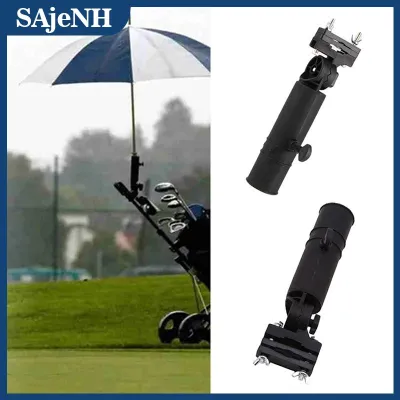
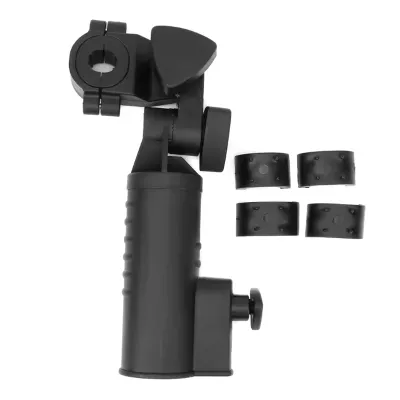
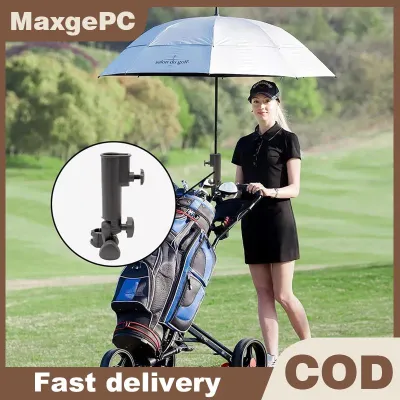
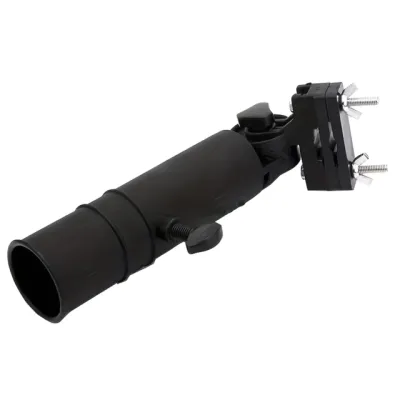
Before purchasing any umbrella holder, you must verify how it attaches to your golf cart. Golf cart frames come in various shapes and sizes, meaning a holder designed for a round bar will not fit securely on a square tubing frame. Most holders on the market fall into three categories: clamp-on mounts, bracket-mounts, and custom-fit inserts.
Products mentioned in this guide
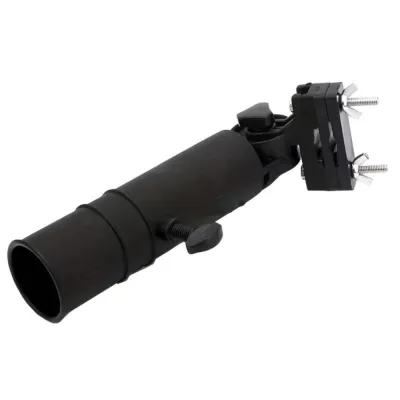
![[LAWY]For Strollers Wheelchairs Bicycle Golf Push Cart Umbrella Holder Height-Adjustable for Beach Chairs](https://img.lazcdn.com/g/p/88025a5b08a5688e9a84004ef6f307a7.jpg_400x400q80.jpg_.webp)
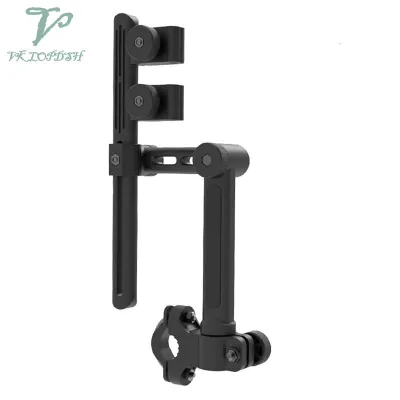
Prices are valid at publication and may change. Please refer to the product page for the latest price.
Clamp-on models are highly versatile and typically use a screw-tightened clamp to grip the frame. If you frequently use rental carts at different local courses, a universal clamp-on holder is often the most practical choice. However, you must measure your cart’s roll bar or frame diameter using a tape measure or caliper. Compare this measurement to the manufacturer’s stated clamping range to ensure a tight, slip-free fit.
Bracket-mounts and custom-fit inserts are designed for specific cart brands or models. These options bolt directly into pre-drilled holes or slide into dedicated accessory docks on the cart’s console. While they offer a cleaner look and exceptional structural stability, they lack the cross-compatibility of universal clamps.
When comparing options, remember that aesthetic finishes, such as color matching or glossy coatings, are secondary to structural fit. A beautifully colored holder is useless if the clamping mechanism cannot handle the weight of a large golf umbrella on uneven terrain. Prioritize robust mounting hardware and a verified fit over visual appeal.
Evaluating Grip Mechanisms and Shaft Diameter Limits
Once you confirm the holder will fit your cart, you must ensure it can securely hold your umbrella. Golf umbrellas generally feature thicker, reinforced shafts compared to standard street umbrellas. If the holder’s internal diameter is too narrow, your golf umbrella simply will not fit; if it is too wide, the umbrella will wobble, rattle, and potentially fly out during a gust of wind.

Always check the product specifications for the minimum and maximum shaft thickness limits. Do not assume that a higher maximum shaft size automatically translates to better performance. If the minimum size limit is too large, a standard golf umbrella shaft will remain loose, requiring you to DIY a shim or spacer to keep it steady.
The grip mechanism inside the holder cylinder is equally important for stability on bumpy paths. Look for holders equipped with adjustable tension screws or heavy-duty rubberized inserts. Tension screws allow you to tighten the holder directly against the shaft, while rubber sleeves provide friction and absorb vibrations, preventing the umbrella from twisting or slipping out of place.
Assessing Material Specs and Weather Resistance Claims
Golf accessories in tropical climates face harsh environmental conditions, including high humidity, salt air, and intense UV exposure. These factors can quickly degrade low-quality materials, leading to brittle plastics or rusted metal joints. To ensure longevity, you must carefully evaluate the material specifications listed on the product packaging.
Look for holders made from UV-stabilized or UV-treated plastics, which resist cracking and fading under prolonged sun exposure. If you prefer metal construction, opt for powder-coated aluminum or stainless steel hardware. These materials offer excellent rust resistance and can withstand the moisture of sudden afternoon downpours without seizing up.
Additionally, inspect the joint reinforcements and hinge mechanisms. The point where the holder connects to the mount experiences significant leverage when the umbrella catches the wind. Reinforced joints, thick-walled tubing, and heavy-duty bolts are clear indicators of a durable build. Always consult the product manual for explicit weight or wind-load limits, as material type alone does not guarantee structural integrity in severe weather.
Understanding Adjustability and Joint Locking Specs
An adjustable umbrella holder allows you to angle your umbrella to block wind-blown rain or low-angle sunlight. While adjustability adds convenience, it also introduces moving parts that can become weak points if the locking mechanisms are poorly designed.
Fixed-position holders feature a rigid, one-piece design. While they offer no flexibility, they are incredibly durable and have no joints that can slip or break. If you only need basic upright shade and want maximum reliability, a fixed holder is an excellent, low-maintenance choice.
If you prefer an adjustable model, compare the joint locking mechanisms carefully. Friction knobs allow for infinite micro-adjustments but require frequent manual tightening and can slip under heavy wind loads. Pin-lock systems, which use a metal pin inserted through pre-aligned holes, offer superior stability and cannot slip, though they limit you to specific pre-set angles. Ensure the range of motion specifications align with your height and the typical sun trajectories on your favorite course.
Frequently Asked Questions (FAQ)
Can I use a universal clamp holder on a modified golf cart frame?
Universal clamp holders are designed for standard round or square tubing, so they may not fit modified or custom golf cart frames. Before purchasing, carefully measure the shape and diameter of your custom roll bar or accessory mount. If the frame profile is highly irregular or exceeds standard clamping ranges, consult your cart modifier or the manufacturer for compatible mounting brackets.
Does a heavier umbrella holder provide better stability in high winds?
No, the physical weight of the holder does not dictate its stability. Wind resistance depends entirely on the security of the mounting clamp, the strength of the internal grip mechanism, and the aerodynamic design of your umbrella. To prevent damage in high winds, ensure your mount is tightly secured to the cart frame and verify that the holder’s locking joints are fully engaged before teeing off.
Community discussion
Share your experience or ask a question. Comments are reviewed before publication.