
Selecting the perfect basketball Most Valuable Player (MVP) medal requires balancing physical prestige with long-term durability. An MVP award represents the pinnacle of individual achievement on the court, meaning the physical medal should carry a weight and finish that matches the significance of the accomplishment. To make the right choice, you must evaluate the base material, the precision of the basketball-specific design elements, the overall dimensions, and the quality of the accompanying neck ribbon.
In tropical climates like the Philippines, where high humidity and heat can accelerate the tarnishing of metal alloys and degrade low-quality fabrics, choosing the right materials becomes even more critical. A well-chosen medal not only shines brightly during the post-game awarding ceremony but also remains a pristine keepsake for years to come. By focusing on observable quality indicators and verifying manufacturer specifications, you can confidently select an award that truly honors your league’s top performer.
Evaluating Material Quality and Durability
The base material of a basketball MVP medal dictates its weight, texture, and resistance to wear. Solid metal options, such as brass or copper, offer the most substantial feel and premium finish, though they typically require a higher budget. Zinc alloy is the industry standard for high-quality sports medals because it allows for highly detailed, three-dimensional designs while maintaining a satisfying weight that feels significant in a player’s hand. Plastic or lightweight acrylic medals are highly affordable and suitable for youth developmental leagues, but they lack the physical gravitas and long-term durability expected for a major MVP award.
Products mentioned in this guide
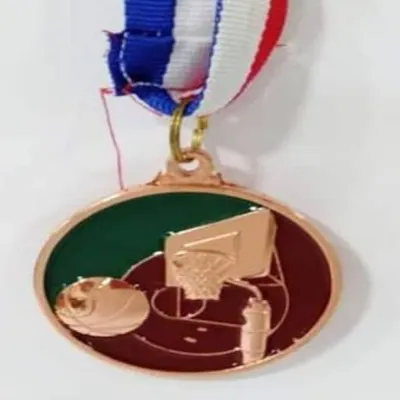
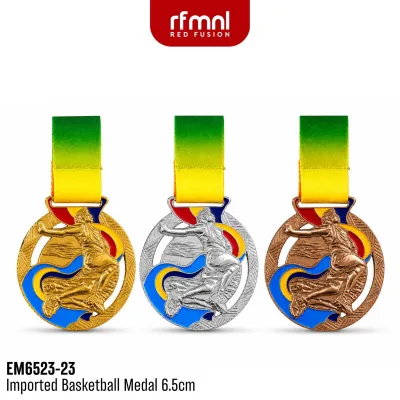
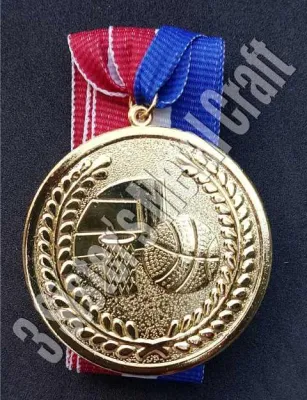
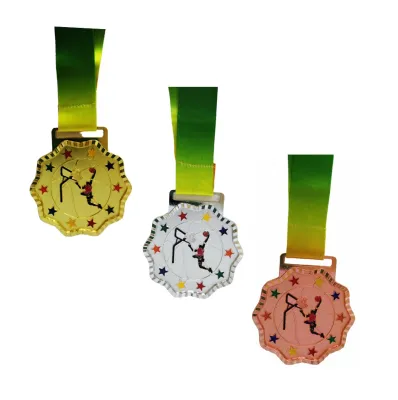
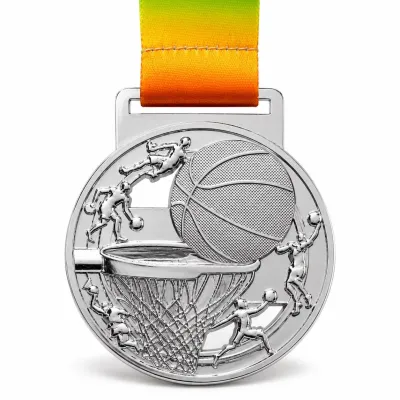
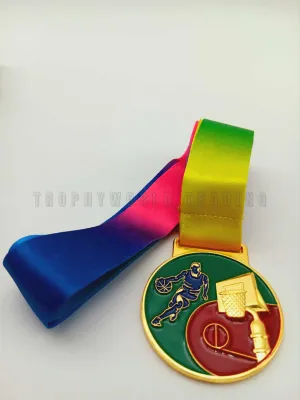
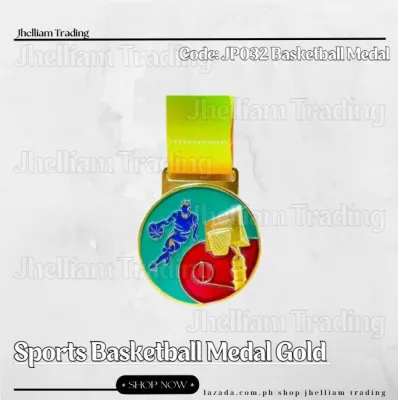
Prices are valid at publication and may change. Please refer to the product page for the latest price.
Surface treatments play a vital role in protecting the medal from environmental damage and enhancing its visual appeal. Look for medals with high-quality plating—such as gold, silver, or bronze finishes—and check if they feature a protective clear coat to prevent oxidation. Enamel filling, whether soft or hard enamel, adds vibrant team colors and a premium, textured contrast to the metallic surfaces. When evaluating options, verify if the manufacturer uses electroplating, which provides a more uniform and durable bond than simple spray-painted finishes.
In humid environments, moisture can quickly cause low-grade metals to rust or tarnish. You should check the manufacturer’s specifications for rust resistance and ask about the specific alloy composition. If you are organizing an outdoor tournament or a community league where awards might be handled frequently with sweaty hands, prioritize medals with a corrosion-resistant lacquer. Inspecting the surface for tiny bubbles, uneven plating, or rough edges will help you filter out poorly manufactured pieces before making a bulk commitment.
Determining the Right Size and Weight
The physical dimensions of an MVP medal directly influence how prestigious it looks on the podium and how comfortable it is for the recipient to wear. Standard sports medals typically range from 50 millimeters to over 75 millimeters in diameter. For a premier recognition like an MVP award, choosing a larger diameter—typically between 65 and 75 millimeters—ensures the medal stands out clearly from standard participation medals given to other players.

Thickness is another critical factor that contributes to the overall weight and premium feel of the award. A thickness of 3 to 5 millimeters gives the medal a robust, professional profile that does not bend or warp under pressure. However, you must balance this thickness with the overall weight to ensure the medal does not feel overly burdensome or strain the neck of the recipient during the post-game celebration.
It is essential to match the scale of the medal to the age group and physical stature of the players. For young children in junior leagues, a massive, heavy zinc alloy medal can be uncomfortable and awkward to wear, making a lighter 50-millimeter medal more appropriate. Conversely, for high school, college, or adult community leagues, a substantial, thick 70-millimeter medal matches the physical presence of the athletes and reflects the competitive intensity of the tournament.
Reviewing Basketball-Specific Design Elements
A great MVP medal must clearly communicate the spirit of the sport through sharp, well-defined design elements. Look for crisp basketball motifs, such as a detailed ball texture, clean court lines, or a dynamic hoop and net graphic. The casting should be sharp and precise; avoid medals where the basketball seams or net patterns look blurred, shallow, or poorly defined, as these are signs of worn-out manufacturing molds.
The typography of the “MVP” text must be bold, legible, and prominently positioned to ensure the achievement is immediately recognizable. High-contrast designs, where the lettering is raised or filled with contrasting enamel, stand out much better in photographs and under stadium lighting. Ensure the layout feels balanced, with the basketball graphics complementing rather than crowding the text.
Personalization options add immense value to an MVP award, transforming a generic medal into a highly personalized memento. Check if the manufacturer offers custom engraving on the back of the medal or allows for a printed insert. If you plan to add the player’s name, the league year, or your team logo, verify the required file formats—such as vector files like SVG or PDF—and ask for a digital proof to confirm that the text alignment and font sizes are correct before production begins.
Checking Ribbon and Attachment Quality
The neck ribbon and its connecting hardware are just as important as the medal itself, as they bear the weight of the award and keep it secure. Inspect the ribbon fabric, prioritizing tightly woven polyester or satin, which offer a smooth texture against the skin and resist fraying. The width of the ribbon should match the scale of the medal; a wider ribbon, typically 30 to 38 millimeters, distributes the weight comfortably and provides a more professional, ceremonial appearance.
Examine the attachment mechanism that connects the ribbon to the medal loop. Look for heavy-duty jump rings, secure snap clips, or sewn-in V-neck attachments that prevent the medal from twisting or slipping off. Avoid thin, easily bent wire rings that can open under the weight of a heavy zinc alloy medal, which could lead to the award dropping and sustaining damage during the presentation.
The color of the ribbon should complement the medal’s metallic finish and align with your league’s branding. Many organizers choose classic red, white, and blue stripes, while others prefer solid colors that match the specific team or tournament jerseys. Ensure the dye quality of the ribbon is high so that colors do not bleed or fade when exposed to sweat or humidity during an outdoor championship game.
Building Your MVP Medal Selection Checklist
To simplify your decision-making process, use a structured checklist to compare different medal options side by side. Start by verifying the material composition and surface treatment to ensure they meet your durability standards. Next, confirm that the diameter and thickness match the age group of your players, and inspect the design proofs for sharp, clear basketball graphics and legible typography. Finally, evaluate the ribbon width, stitching quality, and attachment hardware to guarantee the entire package is secure.
Before committing to a large order for your tournament, it is highly recommended to request physical samples or detailed, unedited product photos from the supplier. This allows you to feel the actual weight of the medal, inspect the finish under natural light, and test the strength of the ribbon attachment. If physical samples are not feasible due to tight timelines, ask the manufacturer for high-resolution video close-ups of previous work.
When dealing with custom designs, establish clear communication with the manufacturer regarding design proofs and production timelines. Confirm the number of allowed revisions for your custom artwork and clarify the exact lead time, including shipping to your location. Planning these steps well in advance of your tournament’s final game ensures you receive a flawless, high-quality MVP medal without the stress of last-minute rush fees or shipping delays.
Frequently Asked Questions (FAQ)
Can I order a single custom MVP medal or is there a minimum quantity?
Yes, you can often order a single MVP medal, but the ordering process depends on the level of customization. For fully custom-molded medals that require a unique shape or 3D design, manufacturers typically enforce minimum order quantities to cover the cost of creating a new steel mold. If you only need one or two MVP medals, a practical approach is to select a high-quality stock basketball medal from a supplier and customize it using laser engraving or a custom-printed dome insert on the back, which usually carries no minimum order requirement.
How should I store and display the MVP medal to maintain its condition?
To preserve the finish of your MVP medal, store it in a cool, dry environment away from direct sunlight and high humidity, which can cause the metal to tarnish and the ribbon colors to fade. Displaying the medal in a glass shadow box, a dedicated medal hanger, or a velvet-lined presentation case protects it from dust, moisture, and natural skin oils from frequent handling. If the medal does get dusty, gently wipe it with a soft, dry microfiber cloth, avoiding harsh chemical cleaners or abrasive polishes that could strip away the protective plating.
Community discussion
Share your experience or ask a question. Comments are reviewed before publication.