
To find the right plantar fasciitis roller, you must evaluate its size, surface texture, and material hardness against your specific foot structure and current sensitivity level. A roller is a targeted tool designed to stretch the plantar fascia, increase local circulation, and relieve tension in the arch.
The plantar fascia acts as a natural shock absorber for your feet, supporting your arch during every step. In the Philippines, where wearing flat sandals, slippers, or walking barefoot on hard ceramic tiles is common, this tissue can easily become strained and inflamed.
Tropical humidity and heat also affect how materials perform and wear over time, making careful selection essential for long-term comfort and hygiene. Rather than buying the most popular or aggressive-looking model, a systematic approach based on your physical needs ensures you select a tool that aids recovery safely.
Products mentioned in this guide
![[COD] WHPHous Ship within 24 hours Plantar Fasciitis Ball Muscle Relaxation Foot Massage Roller Meridian Stimulator Tool Yoga Massage Ball Muscle Relax Care](https://img.lazcdn.com/g/p/1cb6618ddec251fe12f30a46cf0de81f.jpg_400x400q80.jpg_.webp)
Prices are valid at publication and may change. Please refer to the product page for the latest price.
Matching Roller Size and Shape to Your Foot Arch
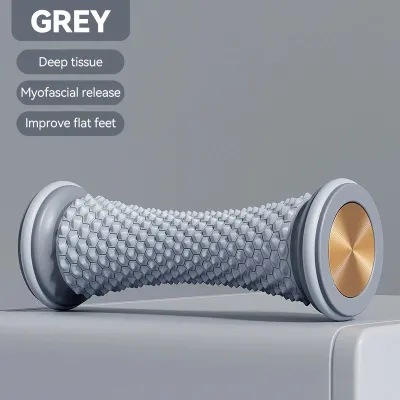
The physical dimensions of a foot roller dictate how much control you have over the pressure and which parts of your foot it can reach. Full-length rollers, which typically span 15 to 30 centimeters, offer a stable base that allows you to roll both feet simultaneously or focus on one foot with a secure, non-slip foundation. These larger models are excellent for home use, especially when placed on a yoga mat or carpet to prevent sliding during your recovery sessions.
Compact or mini rollers, often measuring under 15 centimeters, are designed for portability and highly targeted single-foot pressure. Their smaller footprint makes them easy to slip into a work bag for desk use or pack for travel, allowing you to maintain your routine wherever you go.
If you commute daily via public transport, a lightweight, hollow-core roller is much easier to carry in a backpack than a solid wooden model. Consider your daily carrying method and where you plan to use the tool most frequently before deciding on its physical size.
Diameter is another critical factor; a smaller diameter (around 3 to 5 centimeters) allows for a tighter turning radius, making it easier to dig into the deep curve of a high arch. Conversely, a larger diameter provides a gentler, more gradual curve that is often more comfortable for individuals with flat feet or low arches.
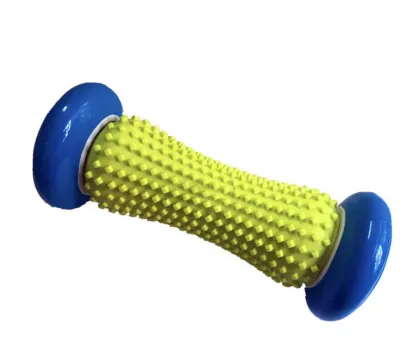
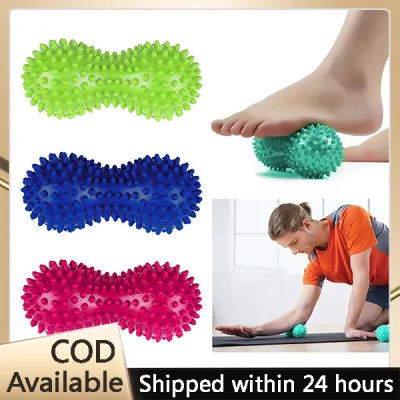
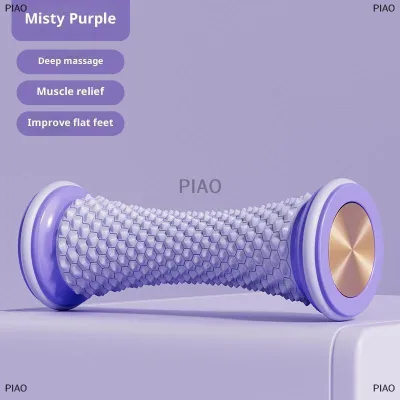
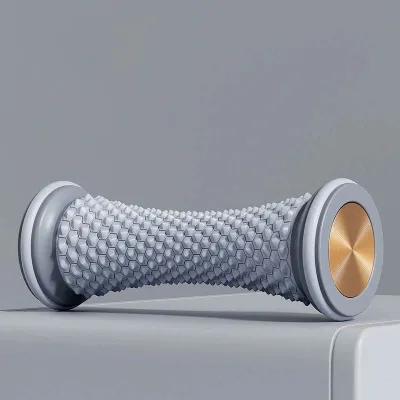
Contoured or ergonomic shapes—such as rollers that curve inward in the middle—mimic the natural transverse arch of the foot, distributing pressure more evenly across the width of the sole. Some rollers feature a “peanut” or double-ball shape, which is particularly effective at cradling the heel and arch while avoiding direct pressure on the sensitive center of the sole.
Before purchasing, measure your foot width and compare it against the product specifications to ensure the roller’s active surface area accommodates your entire foot comfortably. If you plan to use the roller while standing, ensure it has a non-slip base or rubberized end caps to prevent it from shooting out from under your foot on slick tile or wooden floors.
Evaluating Surface Texture for Targeted Fascia Relief
The surface texture of a plantar fasciitis roller determines how deeply the pressure penetrates the soft tissues of your sole. Smooth rollers provide broad, uniform compression across the entire bottom of the foot, making them an excellent choice for general relaxation and warming up the tissues. This gentle approach is highly recommended if your plantar fascia is currently highly inflamed, tender to the touch, or if you are new to myofascial release.

Textured, grooved, or knobby rollers are engineered to mimic the targeted pressure of a massage therapist’s fingers or thumbs. These protrusions can penetrate deeper into the fascia, helping to release localized trigger points and stubborn tension along the inner arch.
However, highly aggressive textures can cause micro-tears or exacerbate inflammation if used too intensely or on acutely sensitive tissue. To assess the aggressiveness of a texture before buying, carefully analyze the product images and manufacturer descriptions on your preferred online marketplace.
Look for close-up photos showing the height and spacing of the knobs; closely spaced, rounded bumps are generally milder than tall, pointed spikes. You can also verify whether the knobs are made of flexible silicone, which yields slightly under pressure, or rigid plastic, which offers no give.
Reading verified buyer feedback can also provide valuable insights into how the texture feels under real-world pressure. If you are unsure of your tolerance, starting with a dual-texture roller or a milder, smoother pattern is a safer way to introduce your feet to rolling. You can also drape a thin towel over a textured roller to temporarily mute the intensity of the knobs as your feet adapt to the pressure.
Choosing the Right Hardness and Material Density
The density of the roller material directly influences how much the tool compresses under your body weight and how intense the massage feels. Softer materials, such as standard ethylene-vinyl acetate (EVA) foam, compress easily under pressure, offering a cushioned, forgiving surface. These softer rollers are ideal for beginners, older adults, or anyone experiencing acute heel pain who needs gentle sensory stimulation without deep mechanical pressure.
Firmer options, including high-density expanded polypropylene (EPP), solid wood, or hard plastic cores wrapped in a thin layer of thermoplastic elastomer (TPE), do not compress under weight. These high-density materials deliver deep, uncompromising pressure directly to the deep layers of the plantar fascia and intrinsic foot muscles.
If you plan to stand on the roller to apply full body weight, you must verify that the core material is rated to support your weight without cracking or collapsing. Look for specific material callouts and density ratings rather than relying on vague marketing terms like “extra firm” or “professional grade.”
Some manufacturers provide a Shore durometer rating, which offers a standardized measure of material hardness that you can compare across different brands. In the warm, humid climate of the Philippines, material choice also plays a significant role in hygiene and long-term durability.
Porous, low-density foams can absorb sweat, dirt, and moisture from your feet, creating an environment prone to odor and bacterial growth. Opt for closed-cell materials like high-density EVA, TPE, or silicone, which resist moisture absorption and are easy to sanitize with simple soap and water.
Ensure the manufacturer’s care instructions align with your ability to clean the roller regularly, especially if you plan to use it barefoot after outdoor activities. Avoid exposing foam rollers to direct, intense tropical sunlight for extended periods, as UV rays can degrade the material and cause it to crack or lose its elasticity over time.
Safety Boundaries, Usage Limits, and When to Stop
While a plantar fasciitis roller is an excellent tool for managing daily foot tension, it is a supportive accessory rather than a standalone medical cure. Understanding the boundary between therapeutic discomfort and harmful pain is critical to preventing further injury to an already vulnerable fascia.
During a rolling session, you should expect to feel a dull, deep ache or a stretching sensation as the roller moves over tight muscle fibers. This discomfort should feel manageable and should subside almost immediately after you remove the pressure from the roller.
If you experience sharp, stabbing, or burning pain, stop rolling immediately; these sensations indicate that you are putting excessive stress on inflamed tissue. Other clear stop conditions include localized bruising, increased morning stiffness the day after rolling, numbness, tingling, or pain that radiates into your toes or ankle.
Correct technique is also essential for safety; rolling should be slow and controlled, moving from the ball of the foot to the heel, rather than rapid, aggressive scrubbing back and forth. Rapid movements can irritate the nerve endings in your sole and trigger protective muscle guarding, which defeats the purpose of the massage.
Never roll directly over the heel bone or any area that is visibly swollen, red, or warm to the touch, as this can worsen localized bursitis or acute inflammation. Instead, focus your rolling on the mid-arch and the calf muscles, which often contribute to plantar fascia tension when tight.
Remember that physical equipment cannot replace professional medical judgment, diagnosis, or structured physical therapy. If your foot pain persists for several weeks, worsens despite regular rolling, or severely limits your daily mobility, consult a podiatrist or physical therapist. A qualified professional can help identify the root cause of your discomfort and design a comprehensive recovery plan tailored to your biomechanics.
Building Your Shortlist: Matching Features to Your Needs
To make an informed purchase, you can synthesize these physical features into a practical, condition-based decision framework. If your feet are highly sensitive, acutely inflamed, or if you are just starting your recovery journey, prioritize a smooth, soft-to-medium density EVA roller in a compact size. For chronic, long-term tightness without acute inflammation, a firm, textured EPP or TPE roller with a contoured shape will provide the deep tissue stimulation you need.
When browsing online marketplaces in the Philippines, verify the seller’s return policies and read customer reviews to check the structural integrity of the roller over time. Ensure the listing clearly states the materials used, and compare prices in ₱ to find a high-quality option that fits your budget.
Look for sellers with high ratings and positive feedback regarding packaging, as rollers can sometimes be deformed if crushed during transit. A reputable seller should offer a clear window for returns or replacements if the material arrives damaged or fails within the first few weeks of use.
Pay close attention to shipping dimensions and estimated delivery times, especially if you are ordering from overseas sellers to local addresses. By matching the roller’s size, texture, and hardness to your current physical condition, you can select a durable tool that safely supports your foot health. Keep your roller in a cool, dry place away from direct sunlight to ensure it remains a reliable part of your daily recovery routine for years to come.
Frequently Asked Questions (FAQ)
Can I use a regular gym foam roller instead of a specific plantar fasciitis roller?
Yes, you can use a standard gym foam roller, but it is generally less effective for targeted foot care due to its large diameter and broad surface area. Large rollers make it difficult to isolate the small, intricate muscles of the foot arch and require significant balance to control while standing or sitting. A specialized plantar fasciitis roller has a much smaller diameter, allowing you to apply precise, concentrated pressure to the arch while maintaining better physical control.
How often and how long should I roll my feet?
For general maintenance, rolling your feet for two to three minutes per foot, once or twice a day, is a common starting point. However, you should always prioritize your body’s feedback and tissue response over rigid, universal timers. If your feet feel bruised or increasingly tender, reduce the frequency or pressure immediately. Always check the manufacturer’s guidelines or consult a physical therapist to establish a safe, personalized routine that matches your recovery goals.
Community discussion
Share your experience or ask a question. Comments are reviewed before publication.