
Finding the right running gear involves balancing utility and physical comfort, especially when selecting a beltbag for women. A high-quality running belt must secure your essentials—such as your phone, keys, cards, and hydration—without shifting, chafing, or bouncing during your stride. In the tropical climate of the Philippines, where high humidity and sudden rain showers are common, your choice of gear must also withstand moisture while protecting your skin from irritation. Choosing the right belt requires looking beyond aesthetics to evaluate specific engineering features, material compositions, and structural designs that match your unique body shape and running habits.
Why Fit and Bounce Control Matter Most for Women
The biomechanics of running place continuous vertical and horizontal forces on any accessory worn around the torso. For women, finding a secure fit involves navigating specific anatomical considerations, particularly the transition from the natural waist to the wider curvature of the hips. A belt that sits comfortably on one runner may constantly ride upward or slip downward on another due to these pelvic structural variations. If a belt does not anchor properly, the resulting movement can cause distracting friction, disrupt your running posture, and lead to painful skin chafing over longer distances.
Understanding where you prefer to wear your belt is the first step in managing bounce. Some runners prefer the belt positioned high on the natural waist, which is the narrowest part of the torso and offers a stable anchor point for lighter loads. Others prefer the belt resting lower on the hips, closer to the body’s center of gravity, which is often more comfortable for carrying heavier items like soft water flasks. Because women’s hip measurements typically exceed waist measurements by a wider margin than men’s, a belt worn on the hips must feature a reliable grip mechanism or a highly adjustable strap to prevent it from migrating upward toward the waist during repetitive leg movements.
Products mentioned in this guide
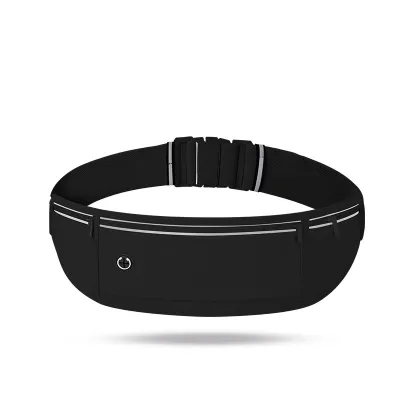
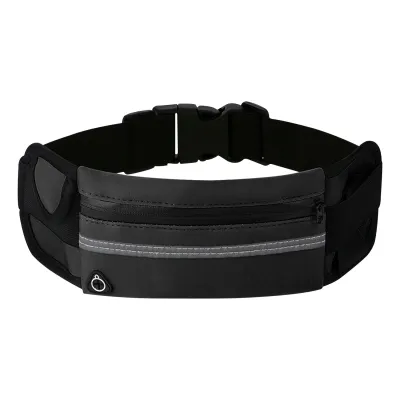
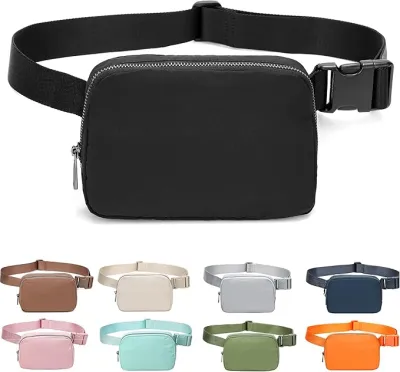
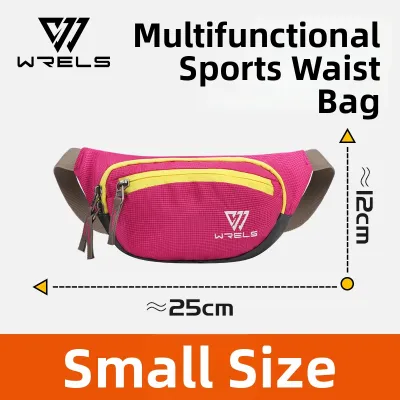
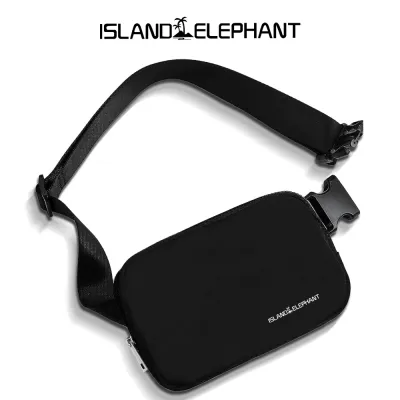
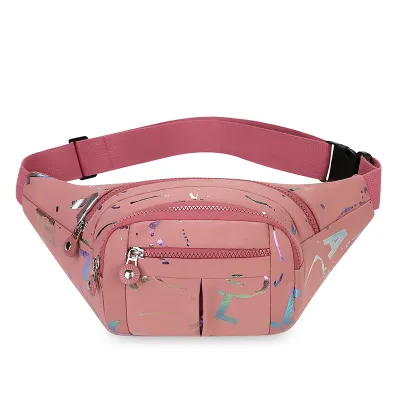
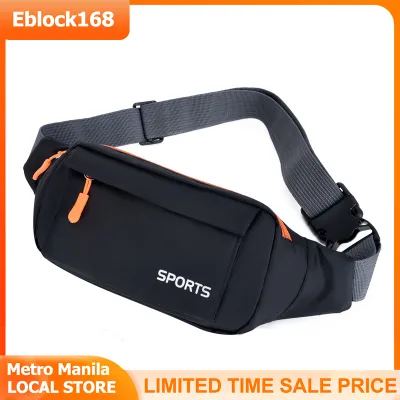
Prices are valid at publication and may change. Please refer to the product page for the latest price.
The elasticity of the belt material plays a critical role in how it handles movement. Fully elastic belts made of high-stretch fabrics conform closely to the body and expand slightly as you breathe, providing a secure, snug feel for lighter loads. However, if the elastic is too soft or carries too much weight, it can stretch excessively with each stride, causing a heavy phone or water bottle to sag and bounce rhythmically. Conversely, non-elastic webbing straps made of heavy-duty nylon or polyester offer excellent structural stability for heavier loads but require precise manual adjustment. Many premium designs combine a semi-elastic main band with non-stretch adjustment straps to balance flexibility and load stability.
Fastening mechanisms also dictate overall comfort and stability during high-impact movement. Low-profile, heavy-duty plastic buckles allow for quick adjustment but must be positioned carefully to prevent them from digging into your lower back or hip bones. Seamless, pull-on tube designs eliminate buckles entirely, relying on a continuous loop of high-compression fabric to hold the belt in place. While these pull-on models offer an exceptionally smooth silhouette and minimize the risk of pressure points, they must fit your specific measurements perfectly, as they lack the on-the-go adjustability of buckled straps.
Evaluating Storage Layout and Capacity
When shopping for a beltbag for women, assessing storage layout is just as important as choosing the overall style. Many manufacturers use vague marketing claims such as “one size fits all phones,” which can lead to disappointment once you attempt to pack your specific device. Instead of relying on generic descriptions, you should measure your smartphone’s diagonal screen size, including the protective case you use while running. Compare these exact dimensions against the manufacturer’s maximum pocket specifications to ensure a hassle-free fit that does not strain the zippers or fabric seams.

The structural layout of the storage area generally falls into two categories: single-tube continuous pockets or multi-zipper compartmentalized designs. Single-tube designs feature a continuous, stretchy pocket around the entire circumference of the belt, accessible through multiple top or bottom slits. This configuration allows you to slide in large items easily and distribute the weight evenly around your waist. However, because there are no physical dividers, smaller items like keys, coins, or lip balm can slide around and scratch your phone screen, or aggregate in one spot and create an uncomfortable, bulky protrusion against your body.
Multi-zipper compartmentalized belts offer dedicated, separate pockets designed to isolate different types of gear. A secure, zippered main pocket keeps your expensive smartphone protected from external elements and separate from other items. Secondary pockets, often secured by hook-and-loop fasteners or smaller zippers, are ideal for housing house keys, car key fobs, energy gels, and identification cards. Keeping keys isolated in their own compartment prevents them from rattling noisily with every step and ensures they will not accidentally fall out when you pull your phone out to check your running application or take a quick photo.
Weight distribution is another critical factor when evaluating storage capacity. Carrying all your gear in a single front-facing pocket can pull the belt forward and down, increasing the likelihood of bouncing and shifting. Compartmentalized belts allow you to balance the load by placing your heaviest item, typically your phone, flat against your lower back or centered on your lower abdomen, while distributing lighter items like keys and energy gels to the sides. This balanced distribution keeps the belt’s center of mass aligned with your body’s natural movement, resulting in a much more stable and comfortable run.
Choosing Sweat-Resistant Materials for Humid Climates
Running in a tropical climate like the Philippines presents unique challenges for gear durability and skin comfort. High temperatures and intense humidity lead to rapid, heavy perspiration, meaning your running belt will regularly be subjected to moisture from both the environment and your own body. To prevent discomfort, look for belts constructed with moisture-wicking fabrics, such as advanced nylon blends, polyester, or Lycra. These materials pull sweat away from your skin and spread it across the fabric surface for faster evaporation, keeping the contact area dry and cool.
The inner lining of the belt—the side that rests directly against your running clothes or bare skin—deserves close inspection. Breathable, textured mesh backings are highly effective because they create a small air gap between the belt’s storage compartment and your body. This gap allows air to circulate, reducing heat buildup and minimizing the risk of heat rashes or localized skin irritation. Additionally, many high-quality belts feature a thin, internal TPU (thermoplastic polyurethane) layer or water-resistant membrane inside the pocket walls to block sweat from seeping through the fabric and damaging your phone or paper currency.
Chafing is a common issue during long runs, especially when salt crystals from dried sweat rub against the skin. To minimize this risk, prioritize belts assembled with flat-lock seams or seamless bonding technology. Traditional raised seams can act like sandpaper under the constant friction of a running stride, leading to painful raw spots around your waistline. Inspect the edges of the belt to ensure they are bound with soft, elastic piping that stretches with the fabric rather than stiff, abrasive thread that can scratch your skin.
Safety and visibility should also influence your material choices, particularly if you prefer running during the cooler hours of the early morning or late evening. Many running routes in residential areas or public parks have variable lighting conditions. Opt for belts that feature integrated reflective strips, reflective logos, or bright, high-visibility color options. These reflective elements catch the headlights of oncoming vehicles and bicycles, significantly improving your visibility and safety on the road.
Matching the Belt Style to Your Running Routine
Not every running belt is suited for every type of workout. A belt that is perfect for a quick track session might prove inadequate for a half-marathon training run, while a heavy-duty hydration belt would be unnecessary bulk for a short treadmill workout. Matching the structural style of the belt to your specific running routine ensures you carry only what you need without sacrificing comfort or performance.
Minimalist Tube Belts for Short, Fast Runs
Minimalist tube belts are constructed from a continuous loop of highly elastic, compression-style fabric that sits flat against the waist or hips. These belts are designed for runners who only need to carry bare essentials, such as a phone, a single key, and an ID card. Because they lack bulky buckles, straps, or rigid zippers, they offer the lowest profile of any belt style and provide exceptional bounce control during high-intensity workouts.
These sleek belts are ideal for 5K runs, track intervals, or indoor treadmill sessions where extra gear is unnecessary. The continuous elastic band distributes the tension evenly around your torso, creating a secure hold that feels almost like a part of your clothing. The primary limitation of this style is its limited storage capacity and the lack of structured compartments. Additionally, because they are a solid loop, you must step into them and pull them up over your legs or slide them down over your head, which can be slightly inconvenient compared to buckled models.
Multi-Pocket Zipper Belts for Long Distances
For endurance training, half-marathons, or long weekend runs, a multi-pocket zipper belt provides the structured organization and capacity required for extended periods on the road. These belts feature a traditional strap-and-buckle design with a dedicated storage pouch divided into multiple zippered compartments. This setup allows you to carry your phone, multiple energy gels, salt tablets, a small tube of sunscreen, and emergency cash securely.
The main advantage of this style is the ease of on-the-go access. High-quality zippers allow you to open and close compartments with one hand while maintaining your running stride, ensuring you can grab an energy gel or check your navigation without stopping. Because these belts carry more weight, they have a slightly bulkier profile and require careful, snug adjustment of the waist strap to prevent the loaded pockets from shifting or bouncing as your pace changes.
Hydration-Compatible Belts for Hot Days
When running under the intense tropical sun, staying hydrated is critical for safety and performance. Hydration-compatible belts are engineered specifically to carry small water bottles or flexible soft flasks, usually ranging from 150ml to 300ml, positioned diagonally or horizontally along the back of the belt. These designs allow you to carry your own clean water or electrolyte drinks on long routes where public water fountains are unavailable.
These belts are excellent for hot weather training, trail running, or long-distance road runs. However, carrying liquid adds significant, dynamic weight that moves with your stride, requiring a very snug, secure fit to prevent the bottles from bouncing uncomfortably against your lower back. When choosing a hydration belt, look for models with reinforced bottle holsters and retention cords to keep the flasks firmly in place, and be prepared to adjust the belt tighter than you would a standard storage belt.
Your Pre-Purchase Sizing and Spec Checklist
To ensure you select a beltbag for women that fits perfectly and performs reliably, it is essential to perform a few quick checks before making your purchase. Sizing is the most critical factor, as an ill-fitting belt will either bounce excessively or pinch your waist uncomfortably.
- Measure Your Waist and Hips: Do not rely on your standard clothing size, as running belt sizing varies significantly between brands. Use a flexible measuring tape to measure both your natural waist (above the belly button) and the widest part of your hips, then compare these measurements directly against the manufacturer's specific size chart.
- Account for Clothing Bulk: Consider the thickness of the running shorts, leggings, or compression wear you typically wear. If you plan to wear the belt over thick waistbands or heavy running gear, you may need to select a slightly larger size or choose a highly adjustable strap model.
- Inspect Zipper Quality: Look for durable, reputable zipper brands such as YKK or specialized water-resistant zippers with rubberized tracks. A stuck or broken zipper can render your running belt useless, so prioritizing robust hardware is a worthwhile investment.
- Verify the Return Policy: Check the retailer's return and exchange policy before buying, especially when purchasing online. Ensure you can return or exchange the belt if you discover fit issues, pressure points, or excessive bouncing during a quick test wear at home.
Frequently Asked Questions (FAQ)
Should I wear a running belt over or under my clothes?
Whether you wear your running belt over or under your clothes depends on your personal comfort, the style of the belt, and your accessibility needs. Wearing the belt over your shirt protects your skin from direct friction and makes it much easier to access your phone, keys, or nutrition on the go. Conversely, wearing a slim, low-profile belt under your shirt can provide a more secure, locked-in fit and keep your valuables completely hidden from view. If you choose to wear it directly against your skin, ensure the belt is made of soft, moisture-wicking materials with flat-lock seams to prevent chafing.
How do I stop my running belt from riding up?
If your running belt is constantly migrating upward toward your natural waist, it is usually a sign of incorrect positioning, improper tension, or an unsuitable size. To prevent this, position the belt lower on your hips, directly over your hip bones, which act as a natural physical barrier to keep the belt from sliding up. Ensure the tension is adjusted evenly across your back so that the belt sits flat without twisting. If the belt continues to ride up, it may be too loose, or the fabric may lack the necessary grip elements, in which case upgrading to a belt with integrated silicone grip strips can help hold it in place.
Can a running belt hold a large smartphone securely?
Yes, most modern running belts are designed to accommodate larger smartphones, but you must verify the specific pocket dimensions before purchasing. Look for belts made with high-stretch fabrics like elastane or Lycra, which expand to hold bulky items snugly against your body to prevent internal movement. Ensure the pocket features a secure zipper closure or a fold-over envelope design to prevent the phone from slipping out during high-impact intervals. For maximum security, choose a belt that holds the phone flat against your lower back, as this position minimizes vertical movement and keeps the phone stable throughout your run.
Community discussion
Share your experience or ask a question. Comments are reviewed before publication.