
To find the perfect waterproof waist bag for running, you must balance reliable moisture protection with physical stability and practical storage capacity. In tropical climates like the Philippines, where sudden afternoon downpours and high humidity are daily realities, a standard cotton or untreated nylon pouch will quickly saturate, leaving your phone, car keys, and nutrition exposed to moisture. A high-quality running belt must act as an impenetrable barrier against both external rain and heavy body sweat, while remaining secure enough against your hips to prevent distracting vertical bounce.
Selecting the right gear requires looking closely at technical material specifications, closure designs, and fit adjustments. Understanding how these features interact with your body movement and running environment will help you choose a bag that protects your valuables without compromising your stride.
Understanding Waterproof Ratings and Materials for Running Gear
When shopping for running gear, it is critical to distinguish between “water-resistant” and “waterproof” labels. Water-resistant waist bags are typically treated with a temporary Durable Water Repellent (DWR) spray. While this coating successfully repels a light, brief drizzle, it will eventually fail during a sustained tropical downpour or when soaked through with heavy perspiration. True waterproof waist bags utilize physical barrier membranes and specialized construction techniques to ensure that no water can penetrate the storage compartment, even under prolonged exposure to wet conditions.
Products mentioned in this guide
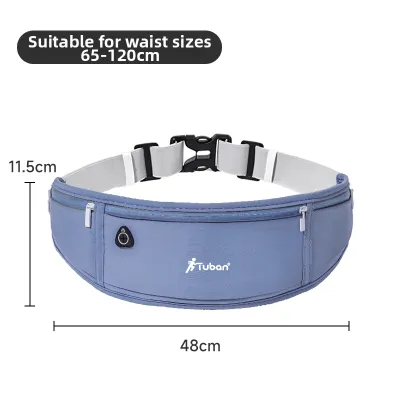
![[Original 24 hours delivery] Waterproof Waist Bags Running Fanny Pack Waist Belt Women Waist Pack Pouch Belt Bag Men Purse Mobile Phone Pocket Case Camping Hiking Sports Bag](https://img.lazcdn.com/g/p/94341337bfc41f13774f7e021906d245.jpg_400x400q80.jpg_.webp)
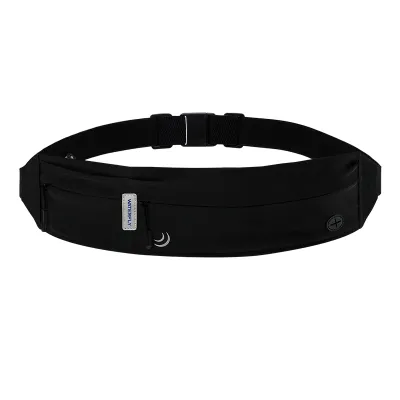
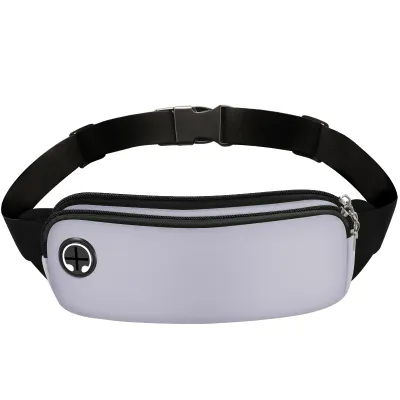
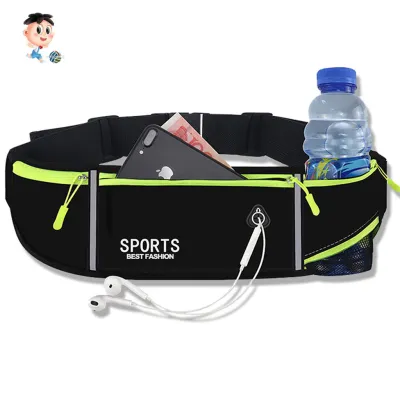
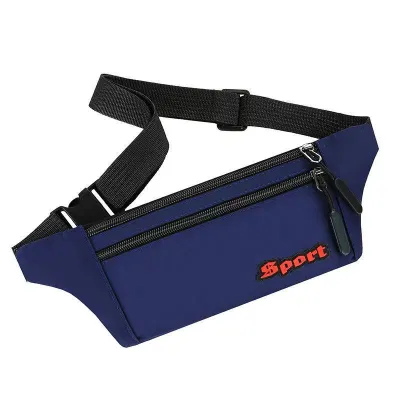
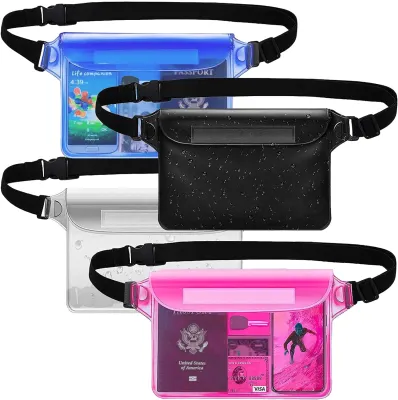
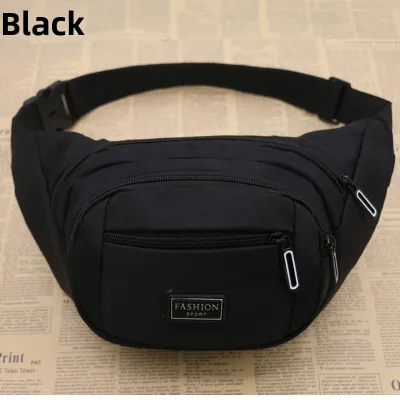
Prices are valid at publication and may change. Please refer to the product page for the latest price.
To verify the level of protection a bag offers, look for its Ingress Protection (IP) rating on the manufacturer’s specification sheet. Most high-performance running bags carry an IPX rating, which measures liquid resistance on a scale from zero to eight. An IPX4 rating indicates resistance to water splashes from any direction, which is generally sufficient for light rain and sweat. For running in heavy monsoonal downpours, look for an IPX6 rating, which certifies protection against high-pressure water streams. It is important to note that very few running waist bags are rated IPX7 or IPX8, which are required for full submersion; these bags are not designed for swimming or triathlons.
The base material of the waist bag determines its durability, weight, and flexibility. Thermoplastic Polyurethane (TPU) coated nylon is the industry standard for premium waterproof running gear because it remains highly flexible in warm weather, resists tears, and provides a completely non-porous surface. Polyvinyl Chloride (PVC) is another common waterproof material, though it tends to be heavier, stiffer, and less breathable against the skin. Lightweight ripstop nylon or polyester fabrics can also be highly effective, provided they are laminated with an internal waterproof membrane rather than just an external coating.
Even the most advanced waterproof fabric will fail if the seams are not properly constructed. Standard sewing needles create thousands of tiny punctures along the seams of a bag, which act as entry points for water under pressure. To prevent this, high-quality waterproof waist bags utilize heat-welded or radio-frequency (RF) welded seams, which physically fuse the fabric edges together without thread. Alternatively, manufacturers may apply a specialized waterproof tape over sewn seams on the interior of the bag. Always inspect the interior seams of a bag before purchasing to ensure the tape is smooth, continuous, and free of lifting edges.
Stability and Fit: How to Prevent Bounce and Chafing
The most common complaint when running with a waist pack is vertical movement, commonly known as bounce. This constant shifting not only distracts your focus but can also cause painful skin chafing, especially when running in hot, humid conditions. To prevent this, look for a belt design that features a wide, semi-elastic strap. A wider strap distributes the weight of the bag across a larger surface area on your hips, preventing the belt from digging into your skin or shifting vertically as you run.

To further enhance stability, many manufacturers print pattern-textured silicone grips on the inner lining of the belt. These silicone elements grip your running shorts or shirt, preventing the bag from sliding upward toward your natural waist. The elasticity of the belt should be firm; it needs to stretch slightly to accommodate your breathing and abdominal expansion, but it must quickly snap back to its original shape to keep the load secure against your lower back or pelvis.
The buckle and adjustment mechanism must be strong enough to withstand the high-impact forces of running without slipping. Heavy-duty, quick-release plastic buckles are highly reliable and allow for rapid fastening, though they can sometimes feel bulky against the spine. Magnetic clasps offer a sleek, low-profile alternative that snaps together effortlessly, but you must verify that the magnet is rated to hold under the weight of a heavy smartphone. High-grade Velcro closures provide infinite adjustability on the go, but they can lose grip over time if they accumulate lint, dirt, or sweat, and they may snag delicate technical running fabrics.
Weight distribution is a key factor in keeping a waist bag stable during high-impact movement. The center of gravity of the packed bag should sit as close to your body as possible. When packing, place your heaviest items, such as your mobile phone or a small soft flask of water, in the central compartment directly against your back or abdomen. Internal dividers or elastic sleeves are highly beneficial here, as they hold these heavy items flat against your body and prevent them from shifting side-to-side as your pelvis rotates during each stride.
To achieve a perfect fit, measure your hips at the widest point rather than relying solely on your standard pants size, as running belts are designed to sit lower on the pelvis than casual belts. When putting the bag on, position it over the iliac crest (the top of your hip bones) and tighten the straps until the bag is snug but not constricting. A properly adjusted belt should allow you to take a deep diaphragmatic breath without feeling restricted, while remaining tight enough that you cannot easily slide two fingers between the strap and your body.
Storage Capacity and Accessibility for Running Essentials
Selecting the right storage capacity depends entirely on the distance of your runs and the specific gear you need to carry. For short, daily road runs, a minimalist pouch with a capacity of 1 liter or less is usually ideal. These sleek, low-profile belts are designed to hold only a smartphone, a house key, and an emergency bank card or cash. If you are training for half-marathons or full marathons, you will need an expandable or multi-pocket waist bag with a capacity of 1.5 to 2.5 liters to accommodate energy gels, salt tablets, a headlamp, and perhaps a lightweight, packable windbreaker.
Internal organization is essential for protecting your gear from physical damage during a run. Look for waist bags that feature separate internal compartments or dedicated soft sleeves. Keeping your metal keys, loose coins, or trail tools in a separate pocket from your smartphone prevents the screen from getting scratched or cracked as the items shift. Some premium bags feature fleece-lined pockets specifically designed to protect delicate screens and camera lenses from dust and abrasion.
External quick-access features can greatly improve your running efficiency, but they must be designed carefully so they do not compromise the bag’s waterproof integrity. Stretch-mesh external pockets are excellent for storing used energy gel wrappers, trash, or damp tissues, keeping these items separate from your clean gear. However, because these external pockets are exposed to the elements, any items placed in them will get wet during a rainstorm. Ensure that the main waterproof compartment remains completely sealed and independent of these secondary external storage zones.
There is often a significant trade-off between a manufacturer’s stated maximum capacity and the actual usable space inside a waterproof bag. Waterproof closures, such as stiff AquaGuard zippers or roll-top systems, require a certain amount of physical clearance to seal properly. For example, a roll-top bag must be folded down at least three times to create a reliable waterproof barrier, which significantly reduces the vertical height of the main compartment. When choosing a bag, opt for a slightly larger capacity than you think you need to ensure you can easily seal the waterproof closure without crushing your delicate electronics.
Recommended Waist Bag Designs Based on Running Distance
Different running scenarios require different structural designs to optimize the balance between waterproof protection and accessibility. Choosing the right design for your typical running distance will ensure your gear remains dry and comfortable throughout your session.
Roll-Top Closure Bags for Long Distances
Roll-top closure bags offer the highest level of waterproof protection available, making them the preferred choice for long-distance trail runners and ultra-marathoners who face unpredictable weather. These bags feature a wide, collar-style opening that you roll down tightly three to four times before securing with a buckle. This design eliminates the need for zippers, which are the most common point of failure for water entry. The primary trade-off is accessibility; it is very difficult to unroll, retrieve an item, and re-roll the bag while maintaining a steady running pace. However, the expandable nature of the collar allows you to adjust the volume of the bag based on how much gear you are carrying.
Welded Zipper Pouches for Daily Road Running
For daily road running in urban environments, a sleek, welded zipper pouch is the most practical choice. These bags feature a traditional zipper opening that has been treated with a water-repellent polyurethane coating, often referred to as an AquaGuard zipper. This design allows for fast, one-handed access to your phone or nutrition while on the move. While highly water-resistant, these zippers can eventually allow minor moisture seepage under extreme, high-pressure water exposure or if the zipper teeth become misaligned. They require regular inspection to ensure the rubberized coating along the zipper track has not cracked or peeled.
Belt-Style Bags with Hydration for Trail Running
Trail running requires carrying hydration along with your electronics, which introduces unique weight-distribution challenges. Hydration-focused waist belts feature dedicated sleeves or holsters designed to hold one or two soft flasks (typically 250ml to 500ml each) alongside a waterproof main compartment. The hydration sleeves are usually made of quick-drying mesh with elastic retention loops to keep the bottles from bouncing out on rough terrain. This design keeps the heavy water weight centered on your hips, while your sensitive electronics remain completely sealed in a separate, waterproof TPU pocket.
Comparison of Waist Bag Designs
| Design Type | Waterproof Reliability | Accessibility on the Move | Capacity Flexibility | Best Suited Running Scenario |
|---|---|---|---|---|
| Roll-Top Closure | Excellent (IPX6/IPX7) | Low (Requires unrolling) | High (Expandable collar) | Heavy rain, trail running, long-distance |
| Welded Zipper Pouch | Moderate to High (IPX4/IPX5) | High (One-handed zip) | Low (Fixed volume) | Daily road running, light rain, urban routes |
| Hydration Belt | Moderate (Main pocket only) | Moderate (Easy bottle access) | Moderate (Varies by bottle size) | Trail running, hot weather long runs |
How to Verify and Maintain Your Waterproof Running Bag
Before trusting your expensive smartphone or car key fob to a new waist bag, you should always perform a non-destructive verification test at home. This simple check ensures that the bag has no manufacturing defects, such as pinholes in the seams or a faulty zipper seal, before you expose it to a real-world downpour.
- The Tissue Test: Place several sheets of dry, colored tissue paper inside the main compartment of the waist bag.
- Seal the Bag: Close the zipper completely or roll down the top according to the manufacturer's instructions.
- Expose to Water: Place the sealed bag under a running showerhead or submerge it in a basin of water for two to three minutes. Do not submerge the bag if it is only rated for splash resistance (IPX4).
- Inspect the Interior: Thoroughly dry the outside of the bag with a towel before opening it. Retrieve the tissue paper and inspect it closely; any dark spots or dampness indicate that water has penetrated the seal, meaning the bag is not fully waterproof.
Proper cleaning is essential to preserve the integrity of the waterproof membranes and seam tapes over time. After a sweaty run, always hand-wash your waist bag in cold water using a mild, liquid soap, such as baby shampoo or a specialized technical fabric wash. Never place a waterproof running bag in a washing machine, as the aggressive agitation, spinning, and heat can easily delaminate the TPU coating and cause the internal seam tape to peel away. Avoid using harsh household detergents, fabric softeners, or bleach, as these chemicals chemically break down the waterproof barriers.
Once washed, hang the bag to air-dry in a well-ventilated, shaded area. Avoid placing the bag in direct sunlight, as ultraviolet (UV) radiation degrades polyurethane coatings, makes plastics brittle, and weakens adhesive seam tapes. Never place the waist bag in a mechanical clothes dryer. To prevent mold and mildew growth—which is especially common in high-humidity climates—always store the bag with all zippers and compartments left slightly open in a cool, dry closet.
Over time, all waterproof materials will eventually begin to degrade. Regularly inspect your bag for signs of wear, such as a peeling or flaking inner laminate, a sticky texture on the inside of the fabric (which indicates chemical hydrolysis of the polyurethane), or seam tape that has begun to lift at the corners. If you notice any of these signs, the bag’s waterproof capabilities are compromised, and it should be replaced to ensure your electronics remain fully protected on your next run.
Frequently Asked Questions (FAQ)
Can I submerge a waterproof running waist bag in water?
Most waterproof running waist bags are designed to protect against rain, splashing water, and heavy sweat, but they are not rated for full submersion. Unless the manufacturer explicitly states an IPX7 or IPX8 rating, submerging the bag in a river crossing or taking it swimming will likely result in water entering through the zipper teeth or the closure folds. If your running route requires swimming or wading through deep water, you should place your electronics inside a dedicated, IPX8-rated dry pouch before storing them inside your running belt.
How do I stop my waterproof waist bag from sliding down during a run?
If your waist bag is sliding down, it is usually because it is positioned incorrectly or the strap is too loose. Ensure the belt is sitting low on your hips, resting on the bony structure of your pelvis rather than your soft waist. Wearing the belt over a textured, matte running shirt rather than slick, high-sheen compression tights will also provide more friction to keep it in place. Finally, remember to re-tighten the belt after your first ten minutes of running; as your body warms up and your clothing settles, the belt may loosen slightly and require a quick adjustment.
Is a waterproof waist bag breathable in humid weather?
Fully waterproof materials like TPU and PVC are inherently non-breathable because they are designed to block all moisture passage. When worn against the body in hot, humid weather, these materials can trap sweat against your skin, leading to heat buildup and potential chafing. To mitigate this, look for waist bags that feature a raised, 3D spacer mesh panel on the back surface that rests against your body. While this mesh backing is not waterproof itself, it creates a physical air gap that allows sweat to evaporate and air to circulate, keeping you much cooler without compromising the waterproof protection of the main gear compartment.
Community discussion
Share your experience or ask a question. Comments are reviewed before publication.