
Finding the ideal running belts bag for women requires looking past aesthetics and focusing on how a pack performs under physical strain. In a tropical climate like the Philippines, where high humidity and sudden afternoon downpours are common, a poorly chosen belt can quickly lead to chafing, bouncing, or ruined electronics. The perfect running belt should feel like an extension of your body, staying securely in place while keeping your essentials dry and accessible. To make an informed choice, you must decode specific engineering details, from strap width and pocket dimensions to fabric technicalities and safety elements.
Strap and Fit Specs: Engineering a Bounce-Free Run
The structural design of a running belt determines whether it stays securely on your hips or bounces distractingly with every stride. When evaluating strap specifications, prioritize width and elasticity. Wide, elasticated bands (typically 1.5 inches or wider) distribute weight more evenly across your pelvic structure than thin, cord-like straps. This wider surface area prevents the belt from cutting into your waist or shifting vertically as you move. High-quality elastic materials stretch dynamically with your breathing and hip movement, maintaining a snug fit without restricting your lung capacity during intense intervals.
Buckle mechanisms also play a critical role in mid-run stability. Quick-release plastic clips are highly convenient for rapid wear, but you must ensure they feature a secure locking design that will not slip under tension. Adjustable sliding buckles allow for micro-adjustments, which are useful when transitioning between different clothing layers. Look for low-profile, flat buckles positioned away from the spine or hip bones to eliminate pressure points and prevent painful chafing during long-distance training.
Products mentioned in this guide
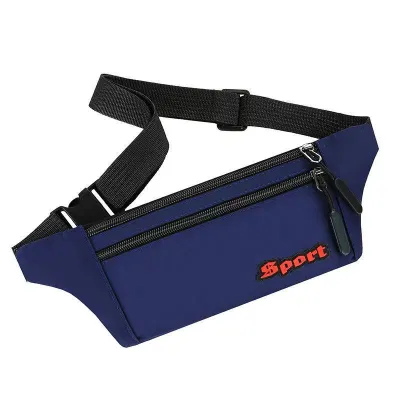
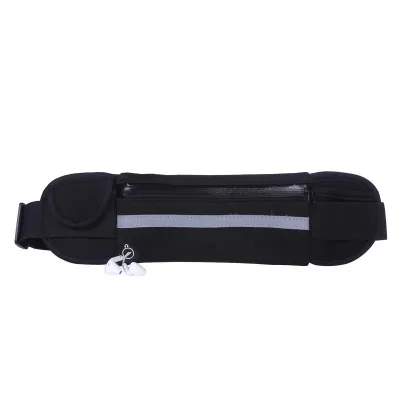
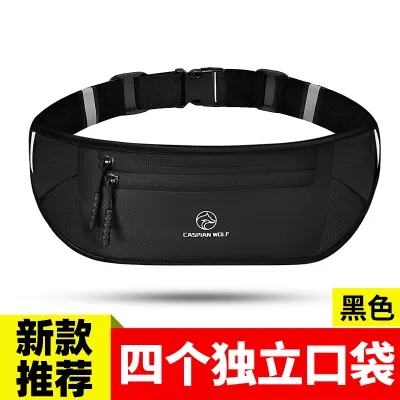
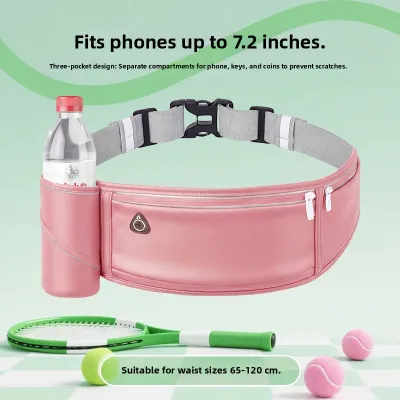
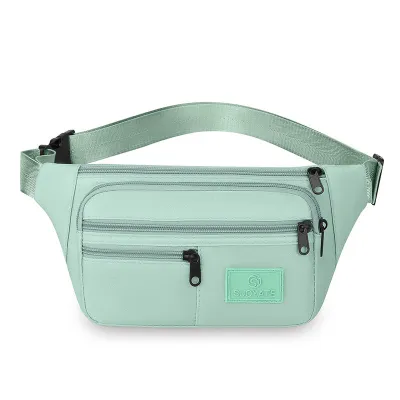
Prices are valid at publication and may change. Please refer to the product page for the latest price.
The overall profile of the belt dictates how flush it sits against your torso. Flat belt designs are engineered to lay completely smooth against your skin or clothing, minimizing aerodynamic drag and friction. In contrast, tube-shaped belts slide over your hips like a sleeve, offering a seamless, 360-degree storage area with no buckles at all. While tube designs excel at distributing weight evenly around your entire waist, they require precise sizing measurements since they lack the adjustable strap systems of traditional buckle-style belts.
Storage Dimensions: Selecting a Belts Bag for Women with the Right Pocket Layout
One of the most common pitfalls when purchasing a belts bag for women is relying on generic manufacturer claims like “fits most smartphones.” With modern phone designs featuring larger screens and thick, shockproof protective cases, you must look at the exact internal pocket dimensions. Measure your phone’s length, width, and depth while it is inside its daily case, and compare these measurements against the bag’s pocket specifications. A pocket that is too tight will strain the zipper and press the hard edges of your phone directly against your body, causing discomfort.

The mechanism used to close these pockets directly impacts both the security of your items and how easily you can access them mid-stride. Water-resistant zippers with rubberized pull tabs offer the highest level of security for heavy electronics, though they can sometimes require two hands to operate smoothly while moving. Fold-over envelope flaps rely on fabric tension to keep items inside; they allow for quick, one-handed access but are less secure for heavy items on high-impact trail runs. Open-top stretch pockets made of high-elastane mesh are excellent for storing soft items like energy gels or tissues, but they should not be trusted with loose keys or credit cards.
Compartmentalization is essential for protecting your gear from mutual damage. A single-pocket minimalist design keeps the belt incredibly light and streamlined, but it forces your phone, keys, and coins into the same space, risking scratches to your screen. Opt for multi-compartment configurations that feature dedicated key clips, internal card slots, and external elastic loops for energy gels. Keeping your keys isolated prevents them from jingling loudly or puncturing other items, while dedicated slots keep your government ID or transit cards secure and silent.
Material and Weather Specs: Managing Sweat and Humidity
Running in tropical environments means dealing with constant moisture, whether from intense personal sweat or sudden tropical downpours. Understanding the distinction between water-resistant and waterproof fabric specifications is vital for protecting your valuables. Water-resistant fabrics, such as light nylon or treated polyester, can repel light drizzle and minor sweat for a limited time, but they will eventually saturate during prolonged exposure. True waterproof materials, often featuring interior TPU linings or laminated membranes, block external moisture entirely. Always check the manufacturer’s specifications to verify the exact level of protection, and consider placing your phone in a simple zip-top plastic bag inside the pocket as an extra safeguard during heavy monsoon downpours.
The portion of the belt that directly contacts your body requires careful material selection to prevent skin irritation. Look for moisture-wicking mesh backings that encourage airflow and draw sweat away from your skin. Seamless interior construction and soft, bound edges are critical features that prevent the fabric from sawing against your waistline, especially when wearing cropped running tops or sports bras.
To maintain the performance and hygiene of your running belt, establish a proper care routine. Sweat contains salt and oils that can degrade elastic fibers and corrode metal zipper sliders over time. After a humid run, hand-wash the belt in cool water using a mild, sport-specific detergent, and allow it to air-dry completely in a shaded, well-ventilated area. Avoid machine drying or direct, intense sunlight, as extreme heat can warp plastic buckles and break down the elastane fibers that give the belt its bounce-free stretch.
Visibility Features: Decoding Reflective Elements
To avoid the intense midday heat, many runners schedule their sessions during the early morning dawn or late evening dusk. During these low-light hours, visibility features on your running gear are non-negotiable safety specifications. Look for belts that integrate high-visibility elements directly into their construction. Small reflective logos offer a minor safety benefit, but reflective piping along the zipper lines or full-coverage reflective fabric panels provide significantly better visibility from multiple angles, catching the headlights of oncoming traffic or cyclists.
The base color of the belt bag also plays a key role in daytime and twilight visibility. While classic black is popular for its ability to hide dirt, high-contrast neon colors like fluorescent yellow, hot pink, or vibrant orange stand out vividly against asphalt and tropical foliage. Choosing a belt that pairs a bright base color with strategically placed reflective strips ensures you remain visible to others regardless of the time of day you choose to train.
Decision Matrix: Which Specs to Prioritize for Your Run Type
Your ideal running belt specifications depend largely on your training distance and environment. For short, fast workouts like a quick 5K or track intervals, prioritize an ultra-lightweight, single-pocket design with high-elasticity straps. At these shorter distances, you only need to carry a phone and a single key, meaning extra storage capacity, heavy zippers, or hydration attachments will only add unnecessary bulk and increase the risk of bouncing.
If you are training for long runs, half-marathons, or full marathons, your priorities must shift toward high-capacity storage and maximum comfort. Look for multi-pocket layouts with dedicated loops for energy gels, highly breathable mesh backings, and adjustable sliding buckles that can accommodate the subtle shifts in your body shape over hours of continuous movement. For these extended distances, accepting a slightly wider or heavier belt profile is a worthwhile trade-off for carrying essential nutrition and hydration.
Be skeptical of marketing features that add weight without offering functional running benefits. Excessive tactical webbing, heavy metal D-rings, and complex modular attachment systems are designed for hiking or casual wear and will bounce excessively under the high-impact forces of running. Keep your selection focused on streamlined, purpose-built running specifications to ensure a comfortable, distraction-free workout.
Frequently Asked Questions (FAQ)
Can I wear a running belt bag over my clothes?
Yes, you can wear a running belt bag over your clothes, but you must adjust the strap tension accordingly. Wearing a belt over thicker fabrics, like a loose-fitting cotton shirt or a light windbreaker, requires loosening the strap slightly to prevent the fabric from bunching up uncomfortably. Conversely, when wearing sleek, high-performance compression gear, tighten the strap to ensure the belt grips the synthetic fabric securely without sliding.
How do I stop my running belt from riding up?
To prevent a running belt from riding up toward your natural waist, position it lower on your hips, resting directly over your pelvic bones. The widest part of your hips naturally acts as a physical barrier that keeps the belt from shifting upward. Ensure the strap is adjusted to a snug, firm tension; if the belt is too loose, the natural upward motion of your thighs as you run will push the pack upward.
Community discussion
Share your experience or ask a question. Comments are reviewed before publication.