
Selecting the right pair of goggles is the single most important decision you can make to ensure a productive, comfortable, and uninterrupted swim session. For adult swimmers, dealing with foggy lenses is not just an annoyance; it disrupts your breathing rhythm, compromises your safety in crowded lanes, and ruins the enjoyment of your workout. To find the best goggles swimming adult anti fog options, you must focus on three primary pillars: chemical anti-fog technology, lens tint matched to your swimming environment, and a leak-proof physical fit.
Fogging occurs when warm, humid air inside the goggle chamber condenses on the cooler lens surface, which is chilled by the surrounding water. High-quality goggles combat this with factory-applied hydrophilic coatings that force condensation to spread into a flat, transparent sheet of water rather than bead up into light-scattering droplets. However, even the most advanced coating will fail if the physical seal of the goggle is compromised, allowing water to leak in and saturate the air chamber. By understanding how anti-fog coatings, lens tints, and gasket designs interact, you can select a pair of goggles that provides crystal-clear vision throughout your entire swim.
Evaluating Anti-Fog Technologies and Lens Coatings
To make an informed purchase, you must understand how different anti-fog technologies function and what to look for on product packaging. Most modern swim goggles feature a factory-applied chemical coating on the inner surface of the lenses. This coating is hydrophilic, meaning it attracts water molecules. Instead of allowing water vapor to form tiny, spherical droplets that create a cloudy barrier, the hydrophilic layer reduces surface tension, causing the moisture to spread out into a microscopic, uniform film of water that remains perfectly transparent.
Products mentioned in this guide
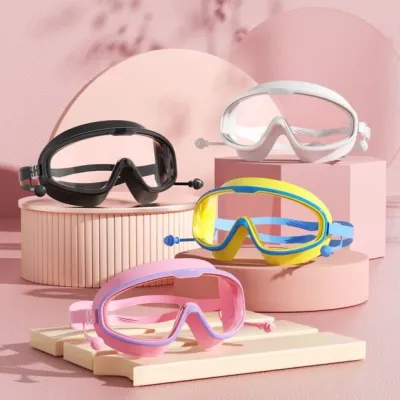
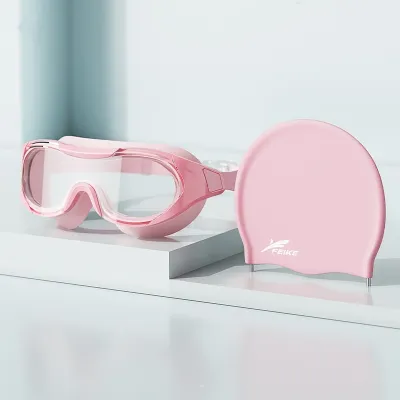
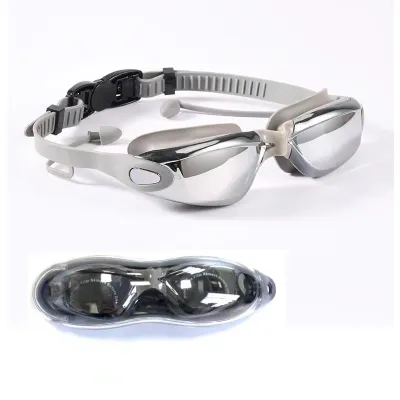
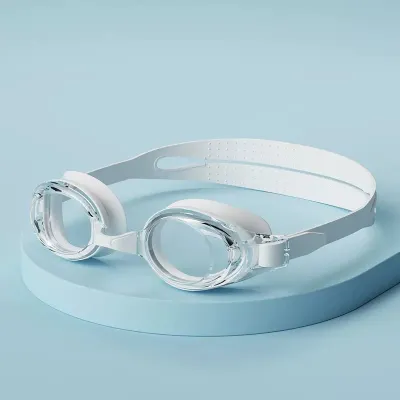
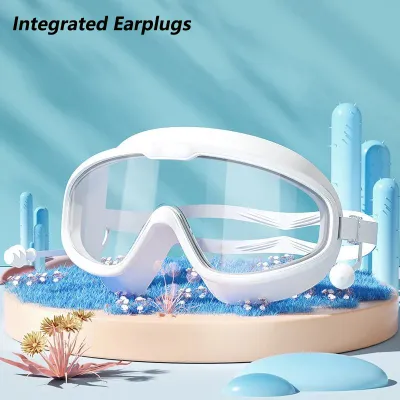
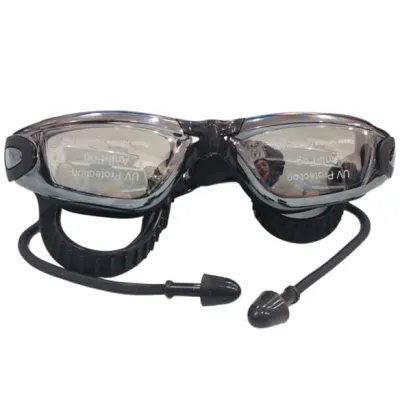
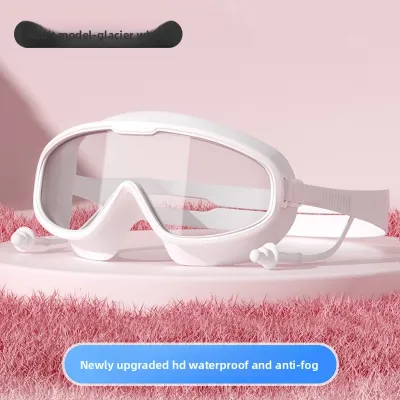
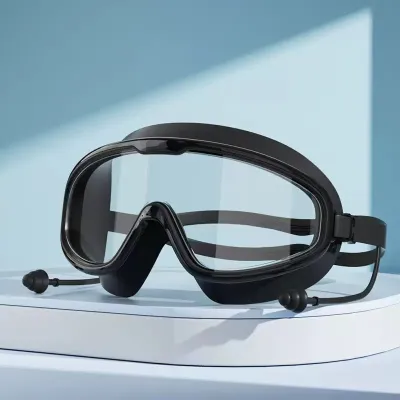
Prices are valid at publication and may change. Please refer to the product page for the latest price.
When evaluating goggles, always check the manufacturer’s specifications for details on their anti-fog application. Premium goggles often undergo a double-coating process or use baked-on treatments that offer superior durability compared to budget alternatives. Some high-end models utilize advanced physical treatments, such as chemically etched inner lenses, which provide a permanent anti-fog structure that cannot wash away. However, the vast majority of goggles on the market rely on chemical coatings, which are inherently consumable and will gradually degrade over time due to exposure to chlorine, salt, sweat, and environmental debris.
Protecting this delicate inner coating is paramount to preserving your goggles’ performance. You must never touch, wipe, or rub the inside of the lenses with your fingers, towels, or microfiber cloths. When the coating is wet, it becomes soft and highly susceptible to physical damage. Even a single gentle wipe can scratch, smear, or completely strip away the microscopic anti-fog layer, leading to permanent fogging and ruining the lenses. Always let the inner lenses dry naturally without any physical contact.
Choosing the Right Lens Tint and UV Protection
Lens tint is not merely an aesthetic choice; it directly affects your visual clarity, eye strain, and safety. Choosing the correct tint depends entirely on where you plan to swim, as different lighting conditions require different optical properties to optimize contrast and reduce glare.

- Clear and Light Blue Lenses: These are the standard choices for indoor pools, evening swims, or low-light environments. Clear lenses provide maximum light transmission without altering colors, allowing you to see lane lines, pace clocks, and other swimmers with absolute clarity. Light blue tints help filter out the yellow glare from harsh overhead fluorescent lights commonly found in indoor sports complexes.
- Smoke, Dark, and Mirrored Lenses: These options are essential for outdoor swimming under bright daylight. Dark tints act like sunglasses, reducing the overall volume of light entering your eyes to prevent squinting and fatigue. Mirrored coatings go a step further by reflecting intense glare off the water's surface, which is highly beneficial during midday training sessions in outdoor pools.
- Amber, Orange, and Polarized Lenses: If you swim in open water or under highly variable light conditions, amber or orange lenses enhance contrast and depth perception, making it much easier to sight buoys and navigate natural water hazards. Polarized lenses are the premium choice for open water, as they specifically filter out horizontally reflected light glare, providing unmatched clarity on sunny days.
For swimmers in tropical regions like the Philippines, verifying UV protection is a critical safety step. The intense tropical sun delivers high levels of ultraviolet radiation, which can cause long-term damage to your eyes, including cataracts and corneal burns. When buying goggles for outdoor use, verify that the product specifications explicitly state UV400 or 100% UVA/UVB protection. This rating ensures that the lenses block all harmful ultraviolet light rays up to 400 nanometers, protecting your eye health during long training sessions in open water or outdoor pools.
Ensuring a Leak-Proof Fit: Gaskets, Frames, and Straps
A perfect anti-fog coating is useless if your goggles leak. When water enters the goggle frame, it immediately floods the air chamber, raising the internal humidity to 100% and overwhelming the anti-fog barrier. Achieving a secure, leak-proof seal depends on three physical components: the gasket material, the strap configuration, and the nose bridge design.
Gasket Materials
The gasket is the soft material that makes direct contact with your face to create a vacuum seal. Most modern adult goggles use high-grade liquid silicone gaskets, which are incredibly soft, hypoallergenic, and highly flexible. Silicone conforms easily to the unique contours of your orbital bone, distributing pressure evenly to prevent uncomfortable pressure points and “goggle rings” around your eyes. Older or budget goggles may use hard foam gaskets, which are durable but offer less flexibility and can degrade quickly under constant exposure to chlorine. Competitive swimmers sometimes choose Swedish-style goggles, which have no gasket at all; the hard plastic lens sits directly in the eye socket to minimize drag, but this design requires a highly precise fit and can be uncomfortable for recreational fitness swimming.
The Suction Test
To verify if a pair of goggles fits your specific facial structure before you buy them, or before you take them to the pool, perform the “suction test” by following these steps:
- Hold the goggle lenses flat against your eye sockets without putting the strap over your head.
- Press the frames gently against your face to expel the air inside the cups.
- Release your hands completely.
- Observe how long the goggles stay in place. If they form a secure vacuum and stick to your face for a few seconds before falling off, the gasket shape is a good match for your facial structure. If they pop off instantly, air is leaking in, meaning water will also leak in when you swim.
Strap Adjustments and Nose Bridges
Your goggle straps should secure the eyewear in place without being pulled excessively tight. Over-tightening straps is a common mistake that actually deforms the silicone gaskets, causing them to buckle and leak, while also causing severe headaches. Look for goggles with split straps or dual straps. A split strap allows you to position one band high on the crown of your head and the other lower down, anchoring the goggles from two distinct angles to prevent slipping during push-offs and turns.
Additionally, pay close attention to the nose bridge. Facial structures vary widely, particularly the width and height of the nasal bridge. High-quality goggles feature either interchangeable nose bridges (typically supplied with three to five different sizes) or a highly flexible, self-adjusting nose bridge. An incorrect nose bridge width will pull the goggles too close together or push them too far apart, breaking the gasket seal at the outer or inner corners of your eyes.
Recommended Goggle Types for Different Adult Swimmers
Not all goggles are designed for the same style of swimming. To get the best performance and lifespan from your gear, you should match the goggle type to your primary swimming activity.
Fitness and Recreational Goggles
If your primary goal is general fitness, lap swimming, or casual recreation, prioritize comfort and a wide field of vision. Fitness goggles feature larger eye cups, thick, plush silicone gaskets, and highly flexible frames that minimize pressure on the delicate skin around your eyes. Because these goggles have a larger internal air volume, they often provide excellent anti-fog performance as it takes longer for the internal air to reach the dew point. The trade-off is that their larger profile creates more hydrodynamic drag in the water, which is rarely a concern for recreational swimmers but may slow down competitive athletes.
Competition and Low-Profile Racing Goggles
For competitive swimmers, triathletes on race day, or high-intensity training, hydrodynamic efficiency is crucial. Racing goggles feature an ultra-low-profile design with small lenses that sit deep within the eye socket to minimize drag during dives, starts, and powerful kick turns. These goggles use minimal silicone gaskets or no gaskets at all to keep the profile as flat as possible. While they provide a highly secure fit that will not slip during explosive movements, they offer less long-term comfort. Furthermore, the small internal air volume means the air inside warms up very quickly from your body heat, increasing the risk of rapid fogging if the seal is even slightly compromised.
Open Water and Triathlon Goggles
Open water swimming presents unique challenges, including choppy waves, navigation buoys, changing light, and potential collisions with other swimmers. Goggles designed for open water and triathlons feature curved lenses that provide an expanded, 180-degree peripheral field of vision, allowing you to sight landmarks and navigate without constantly lifting your head. They are built with highly durable, robust anti-fog coatings and heavily mirrored or polarized lenses to combat intense glare. For safety, these goggles often feature bright, high-visibility frame colors so that lifeguards, boaters, and other swimmers can easily spot you in open water.
Prescription and Optical Goggles
Adults who wear corrective lenses should never wear standard contact lenses while swimming, as trapped pool water or natural water can harbor dangerous bacteria that cause severe corneal infections. Instead, opt for prescription or optical swim goggles. Many manufacturers offer pre-molded diopter lenses (often called “step prescriptions”) in standard spherical strengths ranging from -1.5 to -8.0. While they may not match your exact custom prescription, they are highly effective for maintaining clear vision in the pool. When purchasing optical goggles, always verify if the specific model has a factory-applied anti-fog coating, as some specialty optical lenses require immediate aftermarket treatment.
Care and Maintenance to Preserve Anti-Fog Performance
Even the highest-quality anti-fog coating will degrade rapidly without proper care. By establishing a consistent maintenance routine, you can significantly extend the lifespan of your goggles and maintain crystal-clear vision for months.
- Rinse with Cool, Fresh Water: Immediately after every swim, rinse your goggles thoroughly under cool, clean tap water. This simple step removes chlorine, salt, sand, sweat, and body oils that chemically break down the silicone gaskets and erode the anti-fog coating. Never use hot water, as high temperatures can warp the plastic frame and melt the delicate chemical coatings.
- Air Dry in the Shade: After rinsing, allow your goggles to air dry completely in a well-ventilated, shaded indoor area. Never leave your goggles in direct sunlight, especially in hot, humid tropical climates. Extreme heat and UV exposure will dry out, crack, and warp the silicone straps and gaskets, while also damaging the chemical bonds of the anti-fog layer.
- Never Wipe the Inside Lenses: It bears repeating that you must never touch, wipe, or rub the inside of the lenses with your fingers, towels, or any other material. If you notice dirt or debris inside the lens, gently rinse it away with running water and let it air dry.
- Store in a Hard Protective Case: Once the goggles are completely dry, store them in a dedicated hard protective case rather than tossing them loose into your swim bag. A protective case prevents the soft plastic lenses from scratching against keys, zippers, kickboards, or coarse towels, ensuring your line of sight remains clear and undamaged.
Frequently Asked Questions (FAQ)
Do anti-fog goggles eventually lose their coating?
Yes, all factory-applied anti-fog coatings are temporary consumables that will eventually wear off over time. The lifespan of the coating depends on how frequently you swim, the chemical composition of the water, and how well you care for your gear. Typically, a factory coating can last anywhere from a few weeks to several months of regular use. You will know the coating has degraded when water begins to bead up on the inside of the lens in tiny droplets, causing instant fogging, rather than spreading out into a clear, flat sheet.
Is it safe to use aftermarket anti-fog sprays or wipes?
Yes, aftermarket anti-fog sprays, drops, or wipes are safe and highly effective for restoring clarity once your goggles’ original factory coating has worn off. Before applying any aftermarket product, always check the manufacturer’s label to ensure it is compatible with polycarbonate lenses. Apply the spray or drops according to the product instructions, rinse the goggles gently in clean water if directed, and allow them to dry. Avoid using harsh household detergents, window cleaners, or saliva, as these substances can damage the lens material and cause severe eye irritation, chemical burns, or allergic reactions when they mix with pool water. Use only dedicated, eye-safe swim goggle anti-fog solutions.
Community discussion
Share your experience or ask a question. Comments are reviewed before publication.