
Choosing the right roller skates for a boy involves balancing safety, comfort, and performance. The ideal pair must support his developing ankles, accommodate growing feet, and match the specific surfaces where he plans to skate. By focusing on adjustable sizing, boot construction, and wheel specifications, you can select skates that build confidence and keep him rolling safely.
Every skater begins with different physical abilities, coordination levels, and goals. A young beginner needs a stable platform that prevents his ankles from rolling inward, while an older, more active boy might require responsive wheels designed for speed and maneuverability. Evaluating these features before making a purchase ensures the skates provide lasting value rather than ending up forgotten in a closet.
This guide breaks down the essential technical specifications of roller skates, from wheel durometer to closure systems. Understanding these components allows you to make an informed decision based on your child’s skill level and your local skating environment.
Products mentioned in this guide
![IMUTO[Free protective gear]Roller Skate Shoes for Kids Adjustable Quad Skates Roller Blades Skate Shoes for Girls Boys](https://img.lazcdn.com/g/p/825ea35eea06c587864d651862874cfc.png_400x400q80.png_.webp)
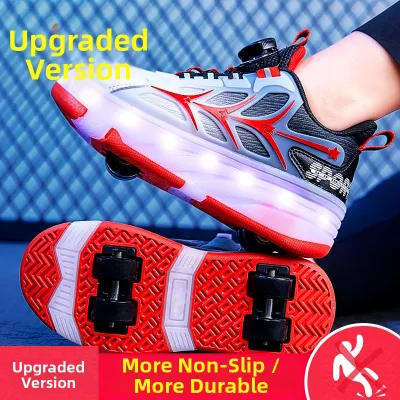
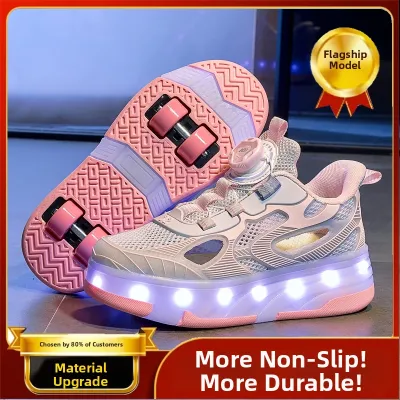
Prices are valid at publication and may change. Please refer to the product page for the latest price.
Boot Fit and Adjustability for Growing Feet
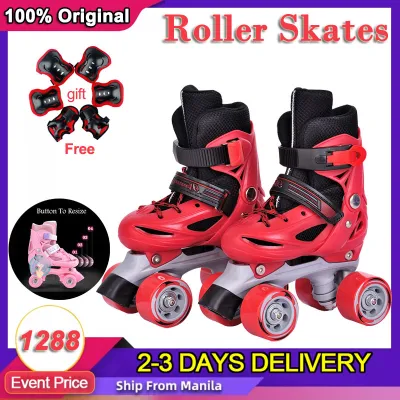
Children’s feet grow rapidly, often changing sizes within a single season. To avoid the expense of buying new skates every few months, look for models featuring adjustable sizing mechanisms. These systems allow the toe box of the boot to slide forward or backward along a secure track, typically expanding across three to four standard shoe sizes.
The Mechanics of Adjustable Sizing
Most adjustable skates utilize a simple push-button mechanism or a secure screw-adjustment system. When the button is depressed, you can pull or push the front of the boot to lock it into the desired size slot. Before purchasing, verify the manufacturer’s size chart and check the maximum size limit to ensure the range covers your child’s current foot size and leaves room for future growth.
Hard Shell vs. Soft Boots
Choosing between a hard shell and a soft boot depends heavily on your child’s skating experience and ankle strength.
- Hard Shell Boots: Constructed from molded plastic, these boots offer maximum lateral ankle support and impact protection. They prevent the ankles from bowing inward (pronation), which is a common issue for beginners. The rigid exterior also shields the foot from scrapes and bumps during falls.
- Soft Boots: Made from breathable fabric and mesh materials, soft boots are lighter and more flexible. They offer superior comfort and ventilation, making them excellent for intermediate skaters who have already developed strong ankle stability and require greater maneuverability.
Closure Systems and Heel Security
A secure, multi-point closure system is critical to prevent foot slippage, which can cause painful blisters or loss of control. High-quality skates feature a three-part system: a top cuff buckle for upper ankle support, a 45-degree middle strap (either Velcro or a ratchet buckle) to lock the heel down into the back of the boot, and traditional laces to customize the tightness across the top of the foot. Avoid skates that rely solely on laces, as they can loosen quickly during active play.
Step-by-Step Fit Verification
To confirm a proper fit, have your child try on the skates while wearing the socks they plan to skate in. Instruct them to stand up and bend their knees slightly into a active skating stance. In this position, their toes should gently brush the front of the toe box without feeling cramped or curled. Ask them to lift their heel; if the heel slides upward inside the boot, the skates are too large or need to be tightened further to prevent ankle strain.
Wheel Hardness, Size, and Bearings for Skill Levels
Wheels are the direct point of contact between the skater and the ground, directly influencing speed, grip, and stability. Understanding the relationship between wheel hardness, size, and bearing quality helps you match the skates to your local terrain.

Understanding Wheel Durometer
Wheel hardness is measured on the “A” durometer scale, ranging from soft to hard. The choice of hardness should match the primary skating environment:
- Softer Wheels (78A to 85A): These wheels provide excellent shock absorption and grip. They are ideal for outdoor surfaces like rough asphalt, concrete public parks, or outdoor basketball courts. The soft polyurethane compound absorbs vibrations from cracks and pebbles, offering a smoother, safer ride.
- Harder Wheels (85A to 90A+): Hard wheels offer less rolling resistance and are designed for smooth indoor roller rinks or polished concrete surfaces. They allow for higher speeds and effortless glides but will feel extremely harsh, bumpy, and slippery on rough outdoor roads.
Wheel Size and Center of Gravity
Wheel diameter, measured in millimeters (mm), affects how easily a skate accelerates and rolls over obstacles. Smaller wheels, typically between 64mm and 70mm, keep the skater closer to the ground. This lower center of gravity improves overall balance and control, making them the standard choice for younger boys and beginners. Larger wheels, from 72mm to 80mm, maintain momentum more efficiently and roll over outdoor debris easily, making them better suited for intermediate or older skaters.
Demystifying ABEC Bearings
Bearings inside the wheels are rated using the ABEC scale (ABEC 1, 3, 5, 7, or 9), which measures manufacturing precision. While higher numbers indicate tighter tolerances, they do not automatically guarantee a better experience for a child. For young skaters, the quality of the bearing seals is far more important than the ABEC rating. Look for bearings with rubber seals (often labeled RS) that keep out dust, moisture, and road grime, ensuring the wheels spin smoothly over time with minimal maintenance.
Inline vs. Quad Skates: Matching Style to Skating Goals
Parents must often choose between inline skates (where wheels are arranged in a single line) and quad skates (which feature a classic two-by-two wheel layout). Both styles have distinct advantages depending on where and how your child plans to skate.
Inline Skates: Speed and Forward Momentum
Inline skates are designed for forward efficiency, speed, and long-distance rolling. Because the narrow wheels create less friction, they roll smoothly over outdoor paths and handle transitions between surfaces well. They are excellent for boys interested in street hockey, fitness skating, or eventually transitioning to ice hockey. However, inline skates require more lateral ankle strength to keep the feet upright, making them slightly more challenging for toddlers or very young beginners initially.
Quad Skates: Balance and Stability
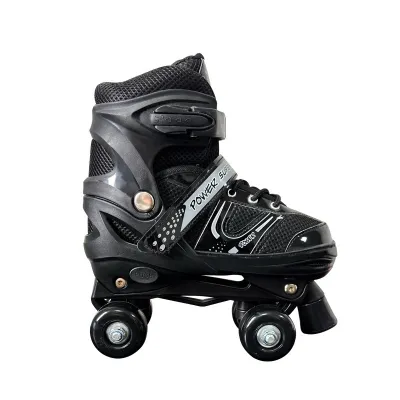
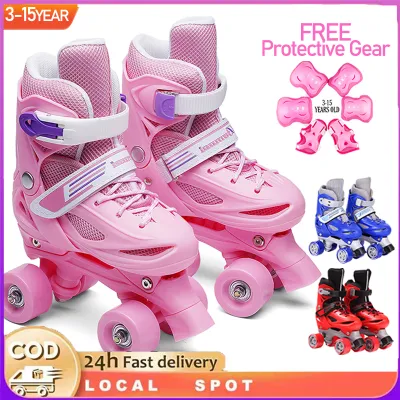
Quad skates provide a wide, rectangular base of support that offers excellent lateral stability when standing still. This makes them highly approachable for younger children who are still developing basic balance. They are the traditional choice for indoor roller rinks, artistic skating, and casual backyard play on flat concrete. While stable side-to-side, quad skaters must learn to keep their knees bent to avoid tipping forward or backward, as the wheel base is shorter front-to-back than an inline frame.
Selecting the Best Style
Rather than assuming one style is universally superior, base your decision on your child’s personal interest and primary skating venue. If the goal is to cruise around the neighborhood concrete paths or join friends at a local park, inline skates are highly practical. If the activity is centered around indoor rink sessions or casual garage play, quad skates offer a classic, stable entry point.
Braking Systems and Non-Negotiable Safety Gear
Safety must always be the top priority when introducing a child to roller skating. Before a boy learns how to go fast, he must master the ability to stop safely and controlled.
Braking Mechanisms
Beginner skates must come equipped with a reliable, functional brake. On inline skates, this is typically a rubber heel brake attached to the rear of one skate. To stop, the skater slides that foot forward and lifts the toe, forcing the rubber pad against the ground. Quad skates utilize a toe stop located at the front of the boot, which can be used to push off or to slow down by dragging the toe behind the body. Always check if the brake pad is replaceable, as rough concrete will wear the rubber down over time.
Essential Safety Gear Checklist
Skating carries an inherent risk of falls, particularly during the learning phase. Protective gear is non-negotiable and should be worn during every single session, regardless of how short. Ensure your child is equipped with:
- Certified Helmet: A skate-specific helmet that sits low on the forehead and covers the back of the head. It should fit snugly without rocking side-to-side.
- Wrist Guards: These are critical for protecting the wrists from fractures, which are the most common skating injury when children instinctively reach out to break a fall.
- Knee and Elbow Pads: Hard-cap plastic pads protect the joints from high-impact falls on concrete and prevent painful scrapes.
Basic Maintenance to Keep Skates Safe and Smooth
Regular maintenance ensures the skates perform safely and last through multiple seasons. Simple routine checks prevent premature wear and keep the wheels spinning freely.
Cleaning for Humid and Dusty Climates
In tropical environments with high humidity and dusty roads, moisture and grit can quickly damage metal components. After every outdoor session, wipe down the boots, frames, and wheels with a clean, dry microfiber cloth. If the skates get wet from a sudden rain shower or damp pavement, dry them thoroughly. Never leave damp skates in a closed bag, as this promotes rust on the bearings and frame bolts, and can lead to mold inside the boot liners.
Wheel Rotation and Hardware Checks
Because skaters naturally push off using the inside edges of their feet, the inner side of the wheels will wear down faster than the outer side. Periodically rotate the wheels—swapping the front wheels with the rear wheels and flipping them so the worn inside edge faces outward—to ensure even wear and extend their lifespan. Additionally, use an Allen key to check that all axle bolts and frame screws are tight before every ride, as continuous vibrations from skating can slowly loosen them.
Safety Boundaries and Replacement
Always consult the manufacturer’s user manual for specific maintenance instructions, tool sizes, and warranty guidelines. If you notice cracked frames, stripped axle threads, or severely rusted bearings that no longer spin, do not attempt temporary DIY repairs. Replace the damaged components immediately with official, manufacturer-approved parts to ensure the structural integrity of the skates is never compromised.
Frequently Asked Questions (FAQ)
At what age can a boy start roller skating?
Most children develop the necessary balance, coordination, and ankle strength to begin roller skating between the ages of 3 and 5. Physical readiness depends on the individual child’s interest and ability to follow basic safety instructions. For toddlers, starting with adjustable quad skates or hard-shell inline skates with high ankle support helps build confidence safely.
How do I know if the roller skates are too tight or too loose?
Skates are too tight if your child experiences immediate pain, numbness, or if their toes are curled up inside the boot. They are too loose if their heel lifts significantly when they bend their knees, or if their feet slide side-to-side, causing the ankles to lean inward. A perfect fit should feel snug and supportive, resembling a firm handshake around the foot.
Can I use indoor roller skates for outdoor skating?
While physically possible, using indoor skates outdoors is not recommended unless you swap the wheels. Indoor skates typically feature hard wheels that lack grip on asphalt, causing excessive vibrations and a high risk of slipping on outdoor debris. If your child wants to skate outdoors, ensure the skates are fitted with softer wheels (78A to 85A) to handle rougher surfaces safely.
Community discussion
Share your experience or ask a question. Comments are reviewed before publication.