
Selecting a reliable 12kg soft kettlebell requires evaluating four critical pillars: the internal filling material, the durability of the outer coating, the ergonomics of the handle design, and the overall weight accuracy. Unlike traditional cast-iron weights, soft-shell alternatives rely on flexible materials and granular fillings to cushion impacts, making them excellent for home workouts. However, poor construction can lead to shifting weights, leaking sand, or broken handles. By focusing on structural integrity and material specifications, you can secure a durable training tool that protects both your floors and your joints.
Understanding the Role of a 12kg Soft Kettlebell
A 12kg load serves as a highly versatile mid-range weight for many fitness enthusiasts. For intermediate lifters, this weight is ideal for ballistic movements like kettlebell swings, clean-and-presses, and snatches, where momentum and control must balance. For beginners transitioning from lighter weights, a 12kg kettlebell provides sufficient resistance for lower-body compound movements, including goblet squats, lunges, and Romanian deadlifts. It is heavy enough to stimulate muscle growth and cardiovascular endurance, yet manageable enough to allow focus on proper form.
The soft-shell design is particularly advantageous for home training environments, especially in shared residential spaces or apartments with tiled or wooden flooring. Traditional cast-iron kettlebells can easily chip tiles, scratch hardwood, or create disruptive noise when set down too quickly. A soft kettlebell dampens these impacts, absorbing shock and reducing noise. This makes it highly suitable for indoor workouts in tropical climates, where open windows or thin walls mean sound travels easily to neighbors.
Products mentioned in this guide
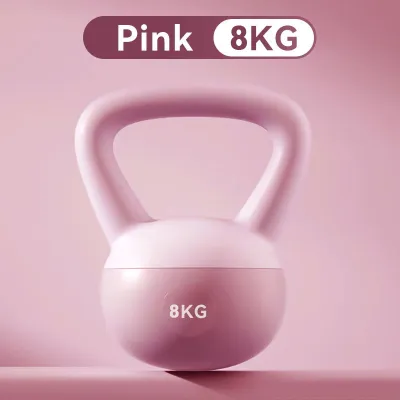
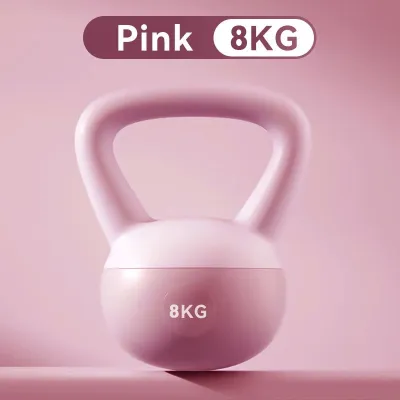
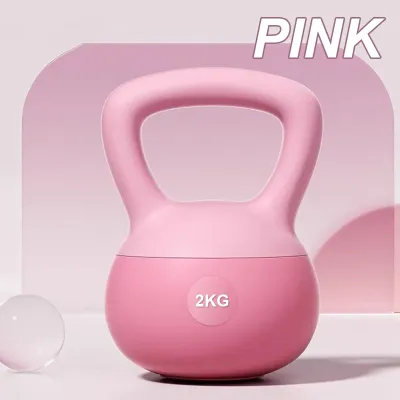
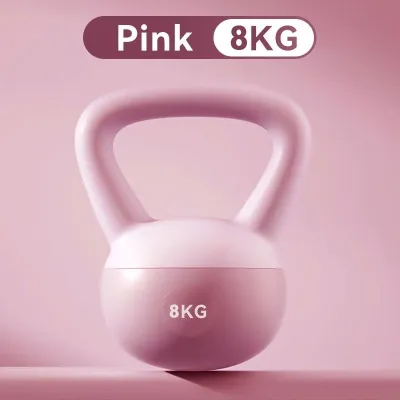
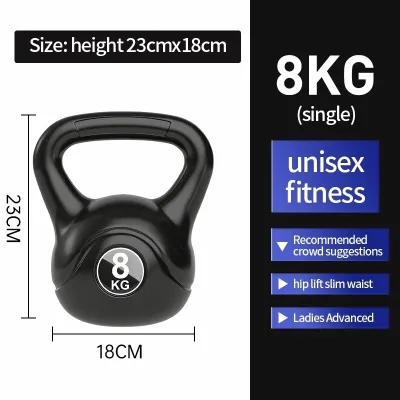
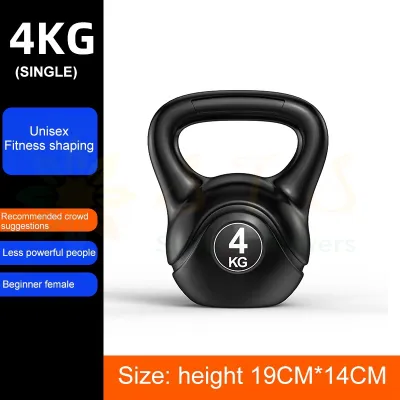
Prices are valid at publication and may change. Please refer to the product page for the latest price.
Knowing when to progress to or from a 12kg weight depends on your specific training goals and physical capacity. If you can perform more than twenty clean, high-quality kettlebell swings without fatigue, or if goblet squats no longer challenge your lower body, it may be time to transition to a heavier weight. Conversely, if you struggle to maintain a neutral spine during a basic swing, or if your wrists collapse during an overhead press, you should temporarily scale down to a lighter weight or focus on bodyweight mechanics first.
Essential Quality Factors to Evaluate
To find a soft kettlebell that withstands daily use, you must look beyond the aesthetic design and analyze its physical construction. A high-quality soft kettlebell is composed of three primary elements: the internal filling, the external protective shell, and the handle assembly. Each component must work in harmony to maintain a stable center of gravity, resist high-impact forces, and provide a secure grip during sweaty, high-repetition training sessions.

Filling Material and Weight Distribution
The internal filling determines both the physical size of the kettlebell and how the weight behaves during dynamic movements. Manufacturers typically use sand, iron sand, steel shot, or iron filings to achieve the target 12kg mass. Sand is the least dense option, meaning a sand-filled kettlebell will have a much larger physical footprint, which can make certain exercises like cleans or snatches awkward as the bulky body collides with your forearms. Iron sand and steel shot offer higher density, allowing the kettlebell to remain compact while maintaining the exact 12kg weight.
Weight distribution is another critical factor to verify before purchasing. In poorly constructed soft kettlebells, loose sand can shift dramatically from side to side during a swing, abruptly altering the center of gravity and putting unexpected strain on your wrists and shoulders. To prevent this, look for products that specify a stabilized or compartmentalized interior. High-quality models often feature a dedicated, heavy-duty inner bladder that keeps the filling tightly packed and centered, ensuring the weight behaves predictably throughout your entire range of motion.
Before finalizing your choice, check the manufacturer’s specifications for details on the inner bladder construction. A double-sealed or reinforced inner chamber is essential for preventing fine dust or sand from slowly seeping through the outer seams over time. If a product description fails to mention how the internal filling is contained, it is wise to ask the seller directly or look for alternative options that explicitly guarantee a leak-proof inner bladder design.
Outer Coating and Impact Resistance
The outer shell of a soft kettlebell acts as the primary barrier against wear, tear, and environmental moisture. Common materials include polyvinyl chloride (PVC), vinyl, and neoprene. In warm, humid environments, sweat resistance and ease of cleaning are paramount. Neoprene provides a comfortable, slightly textured feel but can absorb sweat and moisture over time, potentially leading to odor or material degradation if not dried thoroughly. PVC and heavy-duty vinyl are non-porous, making them exceptionally easy to wipe clean after a humid workout session, though they can become slippery if coated in sweat.
A thick, shock-absorbing outer layer is vital for protecting your home flooring from accidental drops or rough placements. Look for shells reinforced with high-density foam padding beneath the outer skin, which helps distribute impact forces more evenly. This cushioning not only saves your tiles or wooden floors from structural damage but also reduces the risk of the kettlebell bouncing unpredictably if dropped, which could otherwise cause injury to your feet or ankles.
When inspecting product photos or physical items, pay close attention to the seams and stitching. The seams are the most common failure points on soft kettlebells, especially under the high pressure of dynamic swings. Look for double-stitched or heat-welded seams, and avoid designs with thin, single-thread stitching that looks strained even when stationary. Any sign of loose threads, uneven stitching, or exposed inner lining is a clear indicator of poor manufacturing that will likely lead to structural failure and filling leakage after a few weeks of use.
Handle Design and Grip Ergonomics
The handle is your only point of contact with the kettlebell, making its design crucial for both safety and comfort. A proper 12kg soft kettlebell should feature a handle wide enough to accommodate a comfortable two-handed grip for exercises like basic swings or goblet squats, while still allowing a secure one-handed grip for snatches and presses. Measure or check the specified handle clearance—the distance between the underside of the handle and the main body—to ensure your knuckles do not rub against the rough fabric of the shell during movement.
Grip texture plays a major role in preventing accidents, particularly when your hands get sweaty. Some soft kettlebells feature solid plastic or steel handles integrated into the soft body, while others use fabric or webbing handles. Solid, textured handles offer the most stable grip and mimic the feel of a traditional kettlebell, but they must be completely smooth and free of sharp molding seams that can blister your hands. If you choose a fabric or neoprene-wrapped handle, verify that the material provides sufficient friction without being so abrasive that it tears your skin during high-repetition sets.
Additionally, evaluate the transition zone where the handle meets the main body of the kettlebell. In a well-designed soft kettlebell, this transition is smooth and structurally reinforced to prevent the handle from wobbling or twisting independently of the weight. A loose or overly flexible handle connection makes it difficult to control the kettlebell’s trajectory during complex movements like cleans, increasing the risk of the weight flopping over and striking your wrist or forearm with painful force.
Building Your Shortlist and Verifying Seller Claims
Navigating online marketplaces to find a reliable 12kg soft kettlebell requires a systematic approach to filter out low-quality listings. Start by creating a comparison checklist based on the product descriptions provided by sellers. Look for explicit details regarding the exact materials used for both the filling and the outer shell, rather than generic terms like “soft fabric” or “heavy filling.” Reliable manufacturers will openly state if they use iron sand, double-stitched PVC, or reinforced inner bladders, and they will often specify a weight tolerance (e.g., within 1% to 2% of the target 12kg).
User reviews are an invaluable resource for uncovering real-world performance issues that product descriptions gloss over. When browsing reviews on ecommerce platforms, filter for feedback that mentions long-term durability, specifically looking for terms like “leaking,” “split seams,” “loose handle,” or “smell.” Pay attention to reviews written after several weeks or months of use, as initial impressions can be deceptively positive. If multiple users report that the seams split or the sand began leaking after only a few workouts, remove that product from your shortlist immediately.
It is also essential to verify the seller’s reputation and return policies before making a purchase. Look for established fitness equipment sellers with high positive feedback ratings and a history of responsive customer service. Ensure the seller offers a clear return or replacement policy in case the kettlebell arrives damaged, leaks during transit, or weighs significantly less or more than the advertised 12kg. A reputable seller will stand behind their product with a structural warranty, giving you peace of mind that your investment is protected against manufacturing defects.
Safety Checks and Maintenance for Soft Kettlebells
To ensure your 12kg soft kettlebell remains safe to use over its lifespan, establish a routine of regular inspections and proper maintenance. Before every workout, perform a quick visual and physical check of the equipment. Inspect the entire surface of the outer shell for any signs of wear, such as thinning material, fraying threads, or small punctures. Firmly pull on the handle to verify that the connection points are secure and show no signs of tearing or loosening from the main body.
Proper cleaning is vital for preserving the outer material, especially in warm, humid climates where sweat can quickly accumulate and degrade synthetic fabrics or plastics. After each training session, wipe down the handle and outer shell with a damp cloth and a mild, non-abrasive soap solution to remove sweat, oils, and dirt. Avoid using harsh chemical cleaners or submerging the kettlebell in water, as moisture can seep through the seams and damage the internal filling. Allow the kettlebell to air dry completely in a well-ventilated, shaded area before storing it away.
Knowing when to retire your soft kettlebell is critical for preventing accidents and injuries. Define clear stop-use conditions and stop training immediately if you observe any of the following: visible filling material leaking from the seams, severe structural deformation where the weight becomes heavily lopsided, or any tearing at the handle attachment points. Continuing to use a compromised soft kettlebell can result in a sudden structural failure mid-swing, potentially causing the heavy filling to spill out or the handle to detach completely, leading to property damage or serious physical injury.
Frequently Asked Questions (FAQ)
Can I use a soft kettlebell for high-impact drops like traditional iron kettlebells?
Soft kettlebells are designed to cushion minor impacts and protect floors during controlled placements, but they are not built to withstand high-impact drops from overhead or shoulder height. Dropping a soft kettlebell repeatedly from significant heights can cause the internal bladder to rupture or force the outer seams to split under the sudden, intense pressure. Always check the manufacturer’s guidelines regarding drop tolerance, and perform your workouts on a padded fitness mat or rubberized flooring to further minimize impact stress on the seams.
How do I know if the 12kg weight is accurate if I don't have a scale?
If you do not have a dedicated fitness scale, you can estimate the accuracy of your 12kg soft kettlebell by comparing its physical size and heft against known standard weights, such as a pair of verified 6kg dumbbells. Alternatively, you can use a standard household bathroom scale, a luggage scale, or a postal scale for a basic verification check. Simply weigh yourself first, then weigh yourself again while holding the kettlebell, and calculate the difference to ensure the product falls within an acceptable weight tolerance of the advertised 12kg.
Community discussion
Share your experience or ask a question. Comments are reviewed before publication.