
Flying a kite along the scenic coastlines or open fields of the Philippines is a classic family tradition, but the introduction of modern 3D kites has elevated this outdoor pastime into a truly spectacular experience. Unlike traditional flat kites that rely on a single flat surface to catch the wind, 3D kites utilize multi-dimensional geometries, hollow cells, or inflatable chambers to mimic real-world objects like ships, birds, and geometric structures. When shopping for a 3D kite for family outings, the key is to look for a model that balances visual appeal with structural durability, appropriate sizing for the flyer’s age, and simplicity of assembly.
To make an informed purchase, families must evaluate how the kite’s size translates to wind pull, ensure the materials can withstand the high humidity and intense sun of a tropical climate, and choose a frame style that is easy to transport and assemble. Additionally, matching the kite to your typical flying locations—such as breezy sandy beaches or open suburban parks—and establishing clear safety boundaries for children will guarantee a smooth, frustration-free experience. By focusing on these core considerations, you can select a 3D kite that provides hours of safe, engaging outdoor entertainment for the entire family.
The Appeal of 3D Kites for Family Bonding
Traditional kites have their charm, but 3D kites offer an entirely different level of visual excitement and aerodynamic performance that immediately captivates flyers of all ages. By definition, a 3D kite features depth and volume, utilizing cellular structures, soft parafoil air pockets, or rigid geometric frames to stand out in three dimensions. When these kites take flight, they do not merely float against the sky; they occupy physical space, turning into floating works of art, realistic flying animals, or intricate box structures that seem to defy gravity. This dramatic visual presence makes them an instant hit during family outings, keeping children thoroughly engaged and excited throughout the day.
Products mentioned in this guide
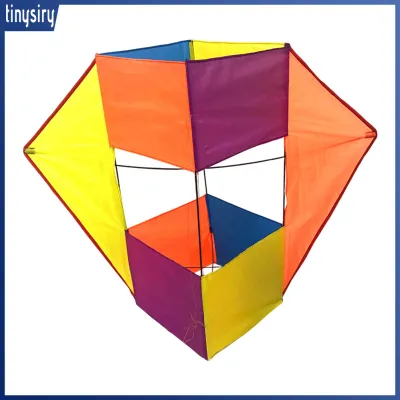
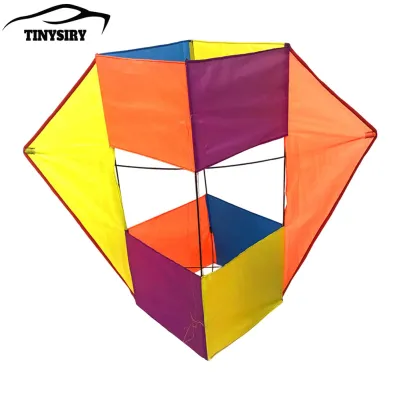
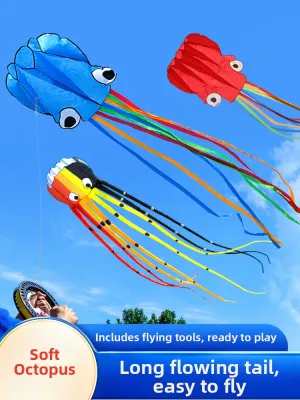
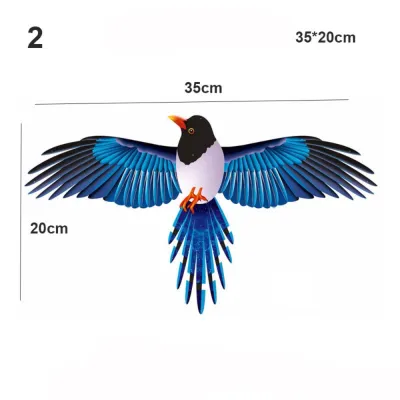
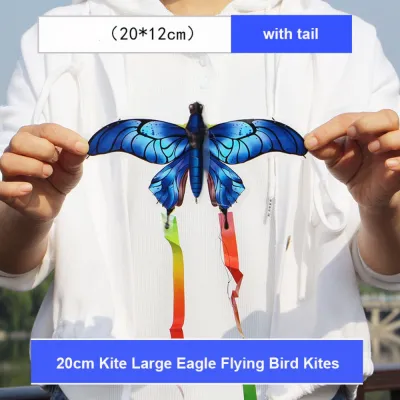
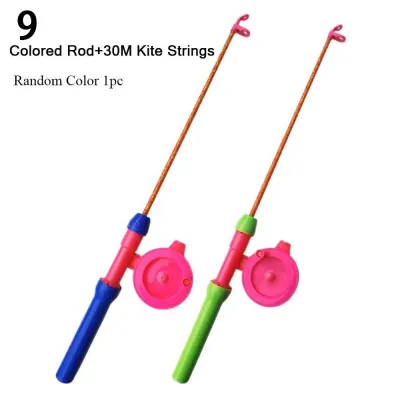
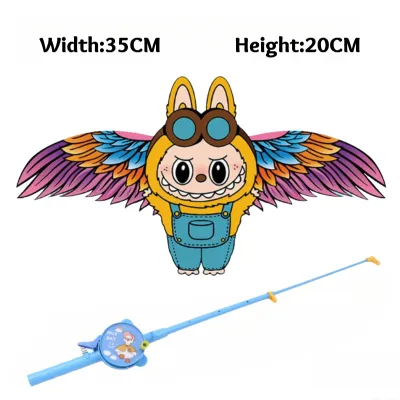
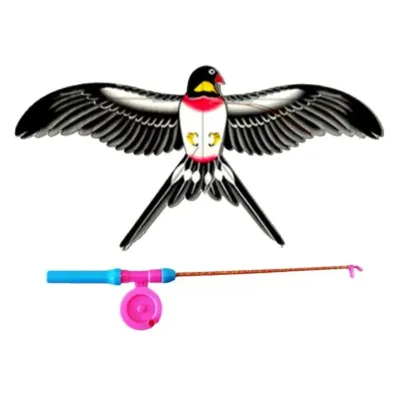
Prices are valid at publication and may change. Please refer to the product page for the latest price.
Beyond their striking appearance, 3D kites are often appreciated for their remarkable stability in the air. Because their designs incorporate open channels, cells, or pockets, they are engineered to let wind flow through their structures rather than just pushing against them. This aerodynamic design helps the kite self-correct and maintain a steady position in consistent breezes, reducing the erratic diving and spinning common in cheaper, flat paper or plastic kites. For families, this means less time spent chasing a crashed kite and more time enjoying a peaceful, successful flight, which is particularly encouraging for younger children who are still learning the basics of wind dynamics.
Moreover, flying a 3D kite is inherently a collaborative, interactive activity that fosters strong family bonding. Due to their size and the unique way they catch the wind, launching one of these multi-dimensional structures often requires teamwork. One family member might hold the reel and manage the line tension, while another walks downwind to support the kite’s body, waiting for the perfect gust to release it into the air. This cooperative process teaches children valuable lessons in communication, patience, and coordination, transforming a simple outdoor game into a shared triumph when the massive structure successfully climbs into the clouds.
Core Features to Check Before Buying a 3D Kite
Size and Wind Requirements
When browsing for a 3D kite, size is one of the most critical factors to consider, as it directly influences how the kite behaves in the air and how much physical effort is required to control it. The surface area of a 3D kite, combined with its multi-layered chambers, means it can capture a massive volume of wind. Consequently, larger models generate a substantial amount of lift and pulling force. While a giant 3D pirate ship or a complex multi-cell box kite looks spectacular in the sky, the tension on the flying line can quickly become too strong for a young child to manage safely, potentially leading to lost gear or painful line pulls.

To ensure a safe and enjoyable experience, it is essential to match the kite’s size to the physical capabilities of the primary flyer. For younger children, smaller to medium-sized 3D kites—such as compact soft parafoils or lightweight single-cell box designs—are highly recommended. These models provide enough visual excitement and stable lift to keep kids entertained, while keeping the line tension low enough that they can easily hold, reel, and control the kite without feeling overwhelmed or being pulled off balance. Adults should always remain nearby to monitor the wind conditions and assist with the reel if a sudden, strong gust sweeps through the flying area.
Before finalizing your purchase, always check the manufacturer’s specified wind range, which is typically printed on the product packaging or detailed in the user manual. This rating indicates the minimum and maximum wind speeds required for the kite to fly safely and stably, often expressed in kilometers per hour (km/h) or miles per hour (mph). Operating a kite outside its designated wind range can result in a frustrating experience; too little wind will prevent the heavy 3D structure from launching, while excessive wind can overpower the flyer or structurally damage the kite. Selecting a model with a broad, moderate wind range ensures greater versatility for various local weather conditions.
Material Durability for Tropical Climates
The tropical climate of the Philippines presents unique challenges for outdoor gear, making material durability a top priority when choosing a 3D kite. High relative humidity, intense solar radiation (UV rays), and salty sea breezes along coastal areas can quickly degrade low-quality fabrics and structural components. Cheap plastic or thin, non-reinforced polyester fabrics can become brittle, fade rapidly, or tear under the stress of strong coastal winds. To protect your investment, look for 3D kites crafted from high-grade ripstop nylon or premium ripstop polyester, which feature a cross-hatched reinforcing pattern designed to stop small punctures or snags from spreading into major tears.
In addition to fabric quality, the construction of the seams and attachment points requires close inspection. Because 3D kites feature multiple panels and chambers that catch the wind from various angles, the stitching is subjected to constant, uneven tension. Opt for models that boast double-stitched seams, reinforced nose cones, and heavy-duty fabric sleeves where the frame rods insert. These structural reinforcements prevent the fabric from fraying or tearing away from the frame during high-stress flights, ensuring the kite maintains its aerodynamic shape over many seasons of use.
The material of the kite’s frame, or spars, also plays a crucial role in its overall durability and performance. Most rigid 3D kites utilize either fiberglass or carbon fiber rods to maintain their shape. Fiberglass is highly flexible, resilient, and cost-effective, making it an excellent all-around choice for family kites, as it can bend significantly during rough landings without snapping. Carbon fiber is lighter and stiffer, providing exceptional performance in lighter winds, though it is generally found in premium, higher-priced models. Whichever frame material you choose, be sure to verify the manufacturer’s care instructions regarding moisture resistance, and avoid leaving the kite exposed to direct, harsh sunlight for extended periods when not in use.
Frame Structure and Ease of Assembly
One of the most important decisions you will make when selecting a 3D kite is choosing between a rigid framed structure and a completely soft, frameless design. Framed 3D kites rely on a network of solid rods to maintain their geometric shapes, which can include intricate box designs, airplanes, or stylized animals. These kites offer a classic look and highly predictable flight characteristics, but they do require a bit of hands-on assembly before they can take flight. If you prefer a framed model, look for user-friendly design features such as color-coded connectors, shock-corded internal rods that snap together easily, and pre-attached bridle lines to minimize setup frustration on the field.
Conversely, soft 3D kites, such as parafoils or sleds, feature no rigid frame components whatsoever. Instead, they utilize the natural pressure of the wind to inflate built-in air pockets or cells, which gives the kite its three-dimensional shape and lift. Soft kites are incredibly popular for family outings because they are virtually indestructible; with no rods to bend or snap, they can survive hard crashes onto sand or grass completely unscathed. Furthermore, because they lack a rigid frame, soft 3D kites can be rolled up or folded into extremely compact, lightweight pouches, making them incredibly easy to pack into a beach bag or travel backpack.
Regardless of the structural style you select, a high-quality 3D kite should always include a dedicated storage bag or carrying case. Because 3D designs often feature complex shapes, multiple fabric panels, and sometimes several loose frame rods or connectors, keeping all the components organized is essential. A durable, weather-resistant storage bag prevents the fabric from snagging on other items in your car trunk and ensures that vital assembly parts do not get lost between trips. Investing in a model with a clear, step-by-step instruction manual stored inside the bag will also save valuable time and prevent assembly errors during your next family adventure.
Choosing the Right Kite for Your Flying Location
The environment where you plan to fly your 3D kite should heavily influence your purchasing decision, as different locations offer distinct wind patterns and spatial challenges. Unlike flat kites, which can often be launched in relatively confined spaces, 3D kites require a wider launch radius and a more generous volume of open airspace. Because of their physical depth and the weight of their structural frames or multiple fabric layers, they need a clean, unobstructed flow of wind to generate stable lift. Turbulent air caused by nearby buildings, trees, or hills can make launching and maintaining flight highly difficult for complex 3D structures.
When scouting a suitable flying location for your family outing, safety must always be the primary concern. Wide-open public parks, spacious sports fields, and expansive sandy beaches are ideal settings for flying 3D kites. Before unpacking your gear, perform a quick sweep of the area to identify potential hazards. It is absolutely vital to stay far away from overhead power lines, tall trees, busy roads, and restricted airspaces such as airports or helipads. Maintaining a safe distance of at least several hundred meters from any obstacle ensures that if the wind suddenly drops or the line snaps, your kite will land safely on open ground rather than tangling in dangerous infrastructure.
If you primarily plan to fly your 3D kite on coastal beaches, you must also consider the impact of sand and salt on the kite’s design. Fine beach sand can easily find its way into the open cells of a box kite or the inflatable pockets of a parafoil, adding unexpected weight and throwing off the kite’s aerodynamic balance. To prevent this, look for designs that feature open-ended chambers or simple, easily shakeable structures that allow sand to drain out naturally. Additionally, coastal winds are often stronger and more consistent than inland breezes, so ensuring your kite is rated for moderate to high winds will help you make the most of your beachside adventures. Quality family-sized 3D kites typically range from entry-level options around ₱500 to ₱1,500, up to premium, highly durable structures that can exceed ₱3,000, depending on size and materials.
Essential Safety and Handling Guidelines for Kids
While flying a 3D kite is a fantastic way to encourage children to spend time outdoors, establishing clear safety guidelines is essential to prevent accidents and ensure a positive experience. The primary safety concern when flying any kite is line management. Never use metallic, wire, or nylon-coated wire lines, as these materials can conduct electricity if the line accidentally comes into contact with an overhead power cable. Standard braided polyester or high-strength nylon lines are the safest options for family use. Teach children to remain highly aware of their surroundings, instructing them never to run backward or cross busy pathways while looking up at the sky, which can lead to painful trips, falls, or collisions.
For larger 3D kites that generate significant lift, protecting young hands from line burns is a crucial precaution. When a kite catches a strong gust of wind, the line can feed out rapidly, and attempting to grab a fast-moving line with bare hands can cause painful friction burns or cuts. To prevent this, recommend that children wear lightweight, snug-fitting protective gloves, such as basic gardening or athletic gloves, when handling the line of medium to large kites. Additionally, choosing a high-quality reel with a smooth, ergonomic grip and an easy-to-use braking mechanism will give children much better control over the line tension, allowing them to fly with confidence.
Finally, successful outdoor activities in a tropical climate require careful attention to personal wellness and environmental conditions. Prolonged exposure to the sun and wind can quickly lead to dehydration, sunburn, or heat exhaustion, especially for active children. Ensure everyone in the family wears broad-spectrum sunscreen, protective hats, and sunglasses, and take regular breaks in the shade to drink plenty of water. It is also important to establish clear “stop conditions” before you begin: immediately reel in and pack away the kite if the wind becomes too strong to manage safely, if a sudden thunderstorm approaches, or if the flying area becomes overcrowded with other beachgoers or park visitors.
Frequently Asked Questions (FAQ)
Do 3D kites need tails to fly stably?
Many modern 3D kites, particularly cellular box designs and soft parafoils, are aerodynamically engineered to be exceptionally stable on their own, often eliminating the need for a tail. The physical depth, open air channels, and multi-dimensional pockets of these kites allow wind to flow through and around the structure, creating natural pockets of lift and stability that keep the kite balanced in steady breezes. However, some highly decorative 3D kites, such as those shaped like ships, birds, or complex geometric sculptures, may benefit from or even require a tail to act as a counterweight and prevent tipping in gusty conditions. It is always best to consult the manufacturer’s specific assembly instructions to determine if a tail is recommended for your particular model.
What is the best wind speed for beginners flying 3D kites?
Rather than relying on a single, unverified wind speed number, beginners should always refer to the recommended wind range printed on the kite’s packaging or instruction manual, which typically spans from light to moderate breezes (usually around 10 to 25 km/h). To assess the wind conditions without specialized equipment, families can observe simple environmental cues: if leaves on nearby trees are rustling gently and flags are extending fully without snapping violently, the wind is generally ideal for a beginner-friendly flight. Avoid attempting to fly a heavy 3D kite in dead calm conditions, as it will simply fail to launch, and steer clear of exceptionally strong or gusty winds, which can make the line difficult to control and risk damaging the kite’s frame.
How do I clean and store a 3D kite after a beach trip?
To prolong the lifespan of your 3D kite after an outing on a sandy beach, follow a few simple, low-risk maintenance steps before packing it away. First, gently shake the kite while it is still fully assembled to remove loose sand and dry debris from the internal cells, pockets, and frame connectors. If the fabric has accumulated salt spray or stubborn dirt, wipe it down gently with a soft cloth dampened with clean, fresh water. Avoid using harsh chemical detergents, bleach, or placing the kite in a washing machine, as these actions can strip away the specialized UV-resistant and water-repellent coatings applied to the fabric. Allow the kite to air-dry completely in a shaded, well-ventilated area before folding it into its storage bag, as packing a damp kite can lead to mold, mildew, and fabric degradation.
Community discussion
Share your experience or ask a question. Comments are reviewed before publication.