
Selecting your first leather gun bag is a significant step for any beginner entering shooting sports. A high-quality leather bag does more than just transport your firearm; it serves as a protective shield against impacts, dust, and environmental moisture while offering a classic, durable aesthetic that matures beautifully over time. To make an informed purchase, you must evaluate several critical factors: the exact dimensions of your firearm, the grade and construction of the leather, the density of the interior padding, the security of the closure systems, and how the bag aligns with local transport regulations.
In tropical climates like the Philippines, where high humidity and sudden downpours are common, choosing the right leather and maintaining it properly becomes even more vital. A poorly chosen bag can trap moisture, leading to mold growth on the leather and rust on your firearm. By understanding what to look for, you can invest in a bag that protects your equipment, ensures safety, and lasts for decades of range visits.
Understand Firearm Dimensions and Bag Sizing
Before browsing designs, you must obtain the precise measurements of your firearm. Use a measuring tape to find the overall length, height, and width. It is a common mistake for beginners to rely on standard barrel lengths or generic model names. You must measure from the tip of the muzzle to the end of the stock or grip to get the true overall length.
Products mentioned in this guide
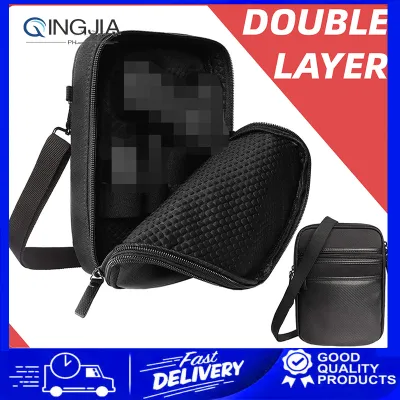
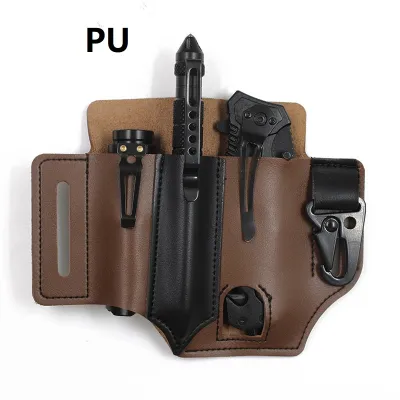
Prices are valid at publication and may change. Please refer to the product page for the latest price.
Furthermore, account for any modifications or accessories. If you use raised iron sights, an optic, a scope, an extended magazine, or a weapon-mounted light, these additions will significantly increase the height and width profile. A bag that fits a stock pistol or rifle perfectly may fail to close once accessories are mounted.
When reviewing product specifications, always check the manufacturer’s listed internal dimensions rather than the external measurements. External dimensions include the thickness of the leather, padding, and outer pockets, which can make the bag appear larger than its actual carrying capacity. Choosing a bag with internal dimensions that are at least one to two inches longer than your firearm ensures a comfortable fit without putting unnecessary tension on the zippers or seams.
Finally, consider the extra gear you need to carry. While some shooters prefer a dedicated range bag, a good gun bag should have enough pocket space to hold essential items like eye protection, hearing protection, spare magazines, and a basic cleaning kit. However, avoid overloading these compartments. Packing too much gear into a soft-sided leather bag can cause the outer walls to press tightly against the firearm, compromising the protective space and increasing the risk of impact damage.
Evaluate Leather Quality and Construction
The durability and longevity of your gun bag depend heavily on the quality of the leather. Leather is generally categorized into three main grades: full-grain, top-grain, and genuine leather. Understanding these differences will help you make a smart investment that withstands regular outdoor use.

Full-grain leather is the highest quality available, featuring the outermost layer of the hide with all its natural grain and strength. It is highly resistant to wear, punctures, and moisture, developing a rich patina over time. Top-grain leather is slightly thinner and has had the top layer sanded to remove imperfections, making it more flexible and uniform while retaining excellent durability. Genuine leather, despite the name, is a lower grade made from the remaining split layers of the hide; it is often heavily processed, less durable, and prone to cracking under heavy use or high humidity.
Beyond the leather itself, inspect the construction quality and stitching. Look for heavy-duty, weather-resistant thread, such as thick nylon or polyester, which will not rot when exposed to sweat or humidity. High-quality bags feature double-stitching along the main seams and reinforced stitching or metal rivets at critical stress points, such as where the handles and shoulder straps attach to the main body.
In tropical environments, the leather’s resistance to moisture and mold is a primary concern. Untreated leather can absorb atmospheric moisture, which can transfer to your firearm and cause corrosion. Check the manufacturer’s specifications to see if the leather has been pre-treated with water-resistant oils or waxes. If not, you must apply a protective conditioning treatment before taking the bag out into humid or damp conditions.
Check Padding, Protection, and Interior Layout
The primary job of any gun bag is to shield your firearm from physical damage during transport. This protection relies almost entirely on the quality, density, and thickness of the internal padding. When evaluating a leather gun bag, feel the padding to determine if it is soft and easily compressed, or firm and resilient.
High-density, closed-cell foam is generally preferred for firearm protection. Unlike open-cell foam, which acts like a sponge and can absorb both moisture and oils, closed-cell foam is water-resistant and maintains its shape under pressure. This density is crucial for absorbing shocks if the bag is dropped or bumped against hard surfaces. Pay close attention to the padding around high-impact zones, such as the muzzle end and the bottom edge of the bag, where the weight of the firearm naturally rests.
An effective interior layout must also feature a reliable retention system to keep the firearm from shifting. Look for internal hook-and-loop straps, padded tie-downs, or dedicated sleeves that secure the firearm in place. If a firearm is allowed to slide freely inside the bag, the constant friction can wear down its finish, and sudden movements can knock delicate optics out of alignment.
Additionally, the interior compartment layout should keep your firearm completely isolated from other gear. Storing ammunition, tools, keys, or cleaning rods in the same compartment as the firearm can lead to scratches and finish damage. Look for bags that feature separate, padded pockets for accessories, or internal dividers that prevent metal-on-metal contact. If you carry cleaning solvents, ensure they are stored in leak-proof outer pockets to prevent chemical spills from damaging the interior lining or the leather exterior.
Compare Closure Systems and Carry Options
How you access and carry your leather gun bag affects both its security and your daily comfort. The closure system must be robust enough to handle the weight of a loaded firearm without failing. Heavy-duty brass, steel, or high-grade polymer zippers are the industry standard for secure closure. Look for self-repairing coil zippers or large-toothed zippers that operate smoothly without catching on the interior lining.
While traditional brass snaps and buckle straps offer a classic, timeless look, they can be slower to open and close compared to zippers. However, buckles are highly reliable and do not suffer from the mechanical failures that can occasionally affect zippers. Many premium leather bags combine both systems, using a heavy-duty zipper for the main compartment and leather straps with brass buckles for secondary security and aesthetic appeal.
Comfortable carrying options are essential, especially if you have to walk long distances from your vehicle to the shooting bays. Evaluate the design of the handles and shoulder straps. Handles should be wrapped in padded leather and securely stitched to the bag’s frame. Shoulder straps should be wide to distribute weight evenly, and they should feature adjustable, padded shoulder pads to prevent the strap from digging into your skin. For larger, heavier setups, some bags offer backpack-style harnesses, which are excellent for hands-free transport.
Security is another critical factor to consider when evaluating closures. Check if the zipper pulls are designed to accept a padlock, or if the bag features dedicated locking loops. Being able to lock your gun bag is not only a practical safety measure to keep unauthorized hands away from your firearm, but it is also frequently required by range facilities and local transport regulations.
Verify Legal Compliance and Range Requirements
Owning a high-quality leather gun bag is only useful if it allows you to transport your firearm legally and safely. In the Philippines, firearm transport is strictly regulated by law. You must ensure that your bag complies with all local legal requirements for transporting firearms in public spaces or inside vehicles.
Generally, local regulations require firearms to be transported in a secure, locked container, completely unloaded, and kept separate from ammunition. A leather gun bag with lockable zipper pulls or padlock loops is highly beneficial for meeting these legal standards. Transporting a firearm in an unlocked or easily accessible bag can lead to severe legal penalties, confiscation, and the revocation of your licenses.
In addition to national laws, you must familiarize yourself with the specific safety rules of the shooting ranges or clubs you plan to visit. Many ranges have strict policies regarding how firearms must be cased and uncased. For instance, some facilities require all firearms to remain completely enclosed in their bags until you are inside the designated shooting bay and facing downrange. Your bag should allow you to uncase the firearm safely, with the muzzle pointing in a safe direction throughout the process.
Always consult your firearm manufacturer’s manual for specific storage and transport recommendations. It is important to note that soft leather bags are generally not recommended for long-term firearm storage, as leather can absorb moisture from the air and hold it against the metal, leading to rust. Use your leather bag strictly for transport, and transfer your firearm to a dedicated, humidity-controlled safe or storage cabinet once you return home.
Frequently Asked Questions (FAQ)
How do I properly condition and maintain a leather gun bag?
To maintain your leather gun bag, start by identifying the specific type of leather used, as different finishes require different care. Regularly wipe down the exterior with a soft, dry microfiber cloth to remove dust, dirt, and sweat. Apply a high-quality leather conditioner every few months to keep the leather supple and prevent cracking, but avoid over-conditioning, which can soften the leather too much and cause the bag to lose its protective structure. In humid climates, store the bag in a well-ventilated, cool area away from direct sunlight, and place silica gel packets inside the compartments to absorb excess moisture and prevent mold growth.
Can I use a leather gun bag for air travel?
No, you generally cannot use a soft-sided leather gun bag as the primary container for transporting a firearm on commercial flights. Aviation security regulations and airline policies typically mandate that all firearms be checked in a crush-proof, hard-sided container that is fully locked with robust padlocks. However, you can still use your leather gun bag to organize accessories, holsters, or unloaded magazines inside your checked luggage, or pack the empty leather bag inside a larger, approved hard-sided case to use once you reach your destination. Always verify the specific firearm transport policies of your airline and departure airport before traveling.
Is a leather gun bag waterproof?
No, natural leather is not inherently waterproof, though it does offer a moderate degree of natural water resistance. While treated leather can repel light drizzle or minor splashes, prolonged exposure to heavy rain can saturate the material, causing it to stretch, warp, or develop mold. If your bag gets wet, wipe it down immediately with a dry towel and let it air dry naturally in a well-ventilated room away from direct heat sources like heaters or intense sunlight. To enhance water resistance, check if the manufacturer permits the application of a specialized water-repellent spray or wax designed specifically for high-grade leather.
Community discussion
Share your experience or ask a question. Comments are reviewed before publication.