
Selecting a high-quality pinwheel spinner for outdoor family play requires balancing vibrant visual appeal with long-term structural resilience. In the tropical climate of the Philippines, outdoor toys face intense sunlight, high humidity, and sudden seasonal downpours. A poorly constructed spinner will quickly fade, warp, or seize up, turning a source of family joy into clutter. To find a model that performs reliably and safely, buyers must evaluate material composition, rotational mechanics, and structural stability.
Whether you are looking for a handheld toy to keep toddlers active in the yard or a large kinetic installation to catch coastal breezes, understanding these key design factors ensures your investment lasts. By focusing on weather-resistant components and child-safe designs, you can select a spinner that provides consistent, engaging entertainment for the entire family.
Quick Guide: Top Factors for Choosing an Outdoor Pinwheel Spinner
When choosing a pinwheel spinner for outdoor family play, material durability, blade mechanics, and pole stability are your primary considerations. The local climate demands materials that can withstand both intense ultraviolet (UV) radiation and high moisture levels without degrading. Cheap, untreated plastics or paper models will fail rapidly under these conditions, making robust synthetics or treated metals the standard for outdoor longevity.
Products mentioned in this guide

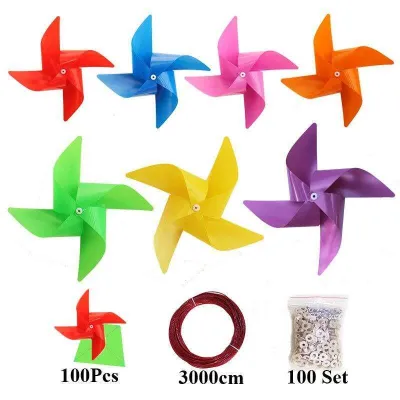
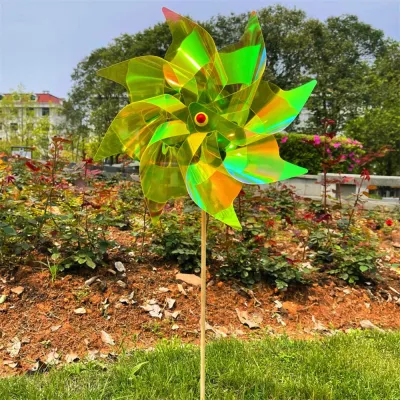
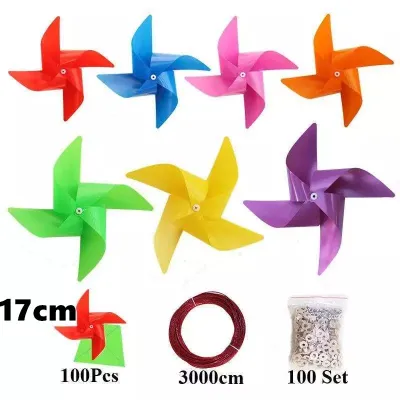
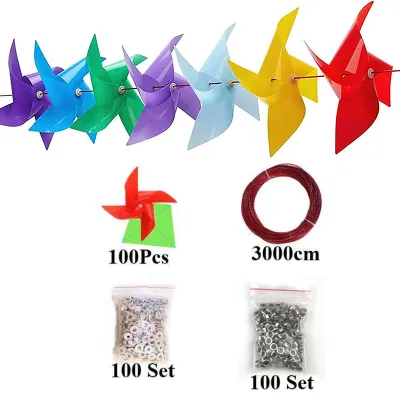
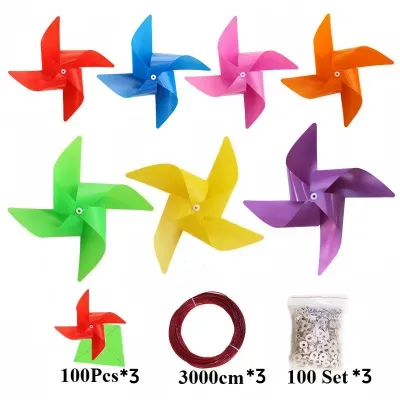
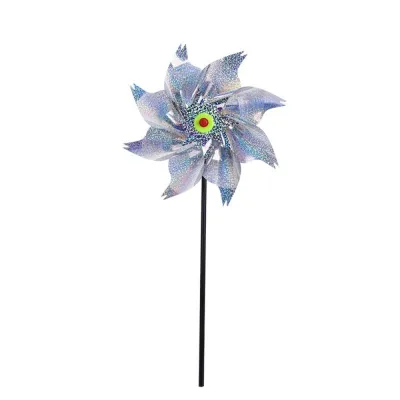
Prices are valid at publication and may change. Please refer to the product page for the latest price.
Safety and performance must be balanced carefully. For family environments, look for child-safe features such as blunt, rounded blade edges, secure central fasteners, and non-toxic finishes. Simultaneously, ensure the spinner incorporates rust-proof hardware, such as brass or stainless steel bearings, which prevent the mechanism from seizing up in humid air. A quick check of these structural elements before purchasing will save you from early replacements and ensure a safer play environment.
Key Features to Evaluate Before You Buy
To make an informed purchase, you must look closely at the individual components that make up a pinwheel spinner. The interaction between the blades, the central hub, and the support structure determines how easily the toy spins and how well it survives the elements.

Material and Weather Resistance
Traditional paper and thin cardboard pinwheels are highly susceptible to moisture and tearing, making them unsuitable for prolonged outdoor play in a tropical environment. Instead, look for spinners constructed from ripstop nylon, polyethylene terephthalate (PET) plastic, or heavy-duty treated polyester fabrics. These materials offer the flexibility required to catch the wind while resisting tears and water damage during sudden afternoon showers.
UV resistance is another critical factor for any toy left outdoors in the Philippines. Prolonged exposure to intense sunlight causes standard plastics to become brittle and crack, while cheap dyes fade rapidly. High-quality spinners are treated with UV inhibitors that preserve the vibrancy of the colors and maintain the structural integrity of the blades over several seasons of use.
Additionally, pay close attention to the metal hardware used in the hub and assembly. High humidity and salt-laden air accelerate rust and corrosion on untreated steel. Opt for spinners that feature stainless steel, brass, or sealed aluminum components. If the spinner uses ball bearings, verify that they are shielded or sealed to prevent moisture and fine dust from entering and locking the mechanism.
Blade Design and Spin Mechanics
The shape and curvature of the blades directly influence how much wind is required to start the rotation. Aerodynamically curved blades with deep pockets are designed to catch light, gentle breezes, making them ideal for low-wind days or sheltered suburban yards. Conversely, flat, stiff, or highly angled blades require stronger, more consistent winds to rotate but are less likely to over-spin or deform when the wind picks up.
At the center of every high-performing pinwheel spinner is a low-friction hub mechanism. Simple models often rely on a plastic sleeve sliding over a metal wire, which can easily jam if dirt or moisture gets inside. High-quality spinners utilize a central bead, a brass bushing, or a dedicated ball-bearing assembly. This low-friction design ensures that the blades spin smoothly and continuously, even in the lightest drafts, reducing wear on the moving parts.
Pole Length, Weight, and Base Stability
The supporting structure of the spinner must match its intended use. Handheld pinwheels require short, lightweight poles made of smooth wood, hollow plastic, or lightweight fiberglass. These poles must be easy for small children to grip and carry while running, without presenting a splinter hazard or being too heavy for extended play.
For stationary garden or yard spinners, a much more robust support system is required. These models feature longer, heavier poles made of thick-walled fiberglass or powder-coated steel. Because these spinners are subjected to continuous wind forces, the pole must resist bending. Look for multi-section poles that screw together securely rather than sliding joints, which can slip or wobble over time.
Stationary spinners also require a reliable anchoring system to stay upright in soft soil or during gusty weather. Standard straight stakes can easily loosen in wet ground. Look for bases equipped with three-pronged ground forks, auger-style screw bases, or wide, weighted stands. These designs distribute the physical load more effectively, preventing the spinner from tipping over and sustaining damage.
Matching the Spinner to Your Outdoor Environment
Different outdoor settings present unique challenges for kinetic toys. Matching your spinner to the specific wind conditions and space constraints of your play area ensures optimal performance and safety.
Coastal and Breezy Locations
If you live near the coast or in an elevated, windy area like Tagaytay, your pinwheel spinner will face strong, sustained winds and corrosive, salty air. In these environments, standard decorative spinners can quickly self-destruct. Look for models specifically engineered for high-wind environments, featuring reinforced hubs and heavy-duty frame struts.
Blade flexibility is crucial in coastal zones. Rigid plastic blades can snap under the pressure of sudden, strong gusts. Instead, choose spinners with flexible ripstop fabric blades supported by resilient fiberglass rods. These materials bend and flex to spill excess wind pressure, preventing the entire structure from breaking. Additionally, ensure all metal parts are rated as marine-grade or fully powder-coated to prevent rapid rusting from salt spray.
Parks, Gardens, and Open Fields
For open, grassy areas such as public parks, spacious backyards, or open fields, visibility and visual impact are often the main goals. In these wide-open spaces, small handheld spinners can get lost visually. Larger, multi-tiered, or brightly colored spinners create a captivating focal point that can be enjoyed from a distance, making them excellent additions to family gatherings and outdoor picnics.
However, large kinetic structures require careful spatial planning. Before installing a giant yard spinner, ensure there is adequate physical clearance around it. The spinning blades must not encroach on walkways, seating areas, or active play zones where children are running. A minimum clearance of two to three feet beyond the maximum blade rotation radius is recommended to prevent accidental contact and tripping hazards.
Recommended Pinwheel Spinner Types for Family Activities
Pinwheel spinners come in several distinct designs, each suited to different age groups, activity levels, and decorative preferences.
Classic Handheld Pinwheels
Classic handheld pinwheels remain the best choice for toddlers and young children who love active, running play. These toys encourage physical movement, as children must run to generate the airflow needed to spin the blades. They are lightweight, highly portable, and easy to pack for trips to the park or the beach.
When buying a handheld model, prioritize safety and physical durability. Look for shatterproof plastic blades that will not produce sharp edges if stepped on. The wand should be made of smooth, splinter-free hardwood or thick, flexible plastic with rounded ends. Ensure the central retaining pin is capped securely so it cannot be pulled off and present a choking hazard.
While highly engaging, handheld pinwheels have clear limitations. They are not designed to be left outdoors permanently and will quickly degrade if exposed to continuous sun and rain. They are also easily crushed if stepped on, so they should be stored safely in a toy bin when not in use.
Giant Garden and Yard Spinners
Giant garden spinners serve as beautiful, semi-permanent outdoor art pieces that capture the imagination of older children and adults alike. These stationary spinners are designed to be anchored into lawn or garden beds, where they rotate slowly and gracefully in response to natural wind currents. They provide a calming visual element and can be used to teach children about wind direction and meteorology.
These large installations require heavy-duty construction to withstand constant outdoor exposure. Look for models made of thick, powder-coated iron or steel with heavy-duty ground stakes. Because of the weight of the large metal or heavy plastic blades, these spinners must utilize dual-bearing systems. A bearing on both the front and rear of the hub ensures the spinner remains balanced and turns smoothly without wobbling.
Multi-Tier and Kinetic Wind Spinners
Multi-tier and kinetic wind spinners feature complex designs with multiple concentric rings, counter-rotating blades, or three-dimensional shapes that move in opposite directions. These intricate movements create mesmerizing optical illusions that can keep children and adults engaged for long periods. They are highly responsive to changing wind directions, often pivoting on a vertical axis to face the wind automatically.
Because of their mechanical complexity, multi-tier spinners require more attention than simpler models. They feature multiple moving joints and bearings that must be kept clean to function correctly. These models are best suited for families who enjoy maintaining their outdoor gear and appreciate the artistic, sculptural qualities of advanced kinetic art.
Safety Checks and Maintenance for Long-Term Use
To ensure your pinwheel spinner remains safe for children and operates smoothly over time, establish a regular routine of safety checks and preventative maintenance.
Child Safety Considerations
Before allowing children to play with any pinwheel spinner, perform a quick physical inspection. Check the edges of the blades for any sharp burrs, cracks, or splinters, especially on plastic or wooden models. Ensure that all small parts, such as spacer beads, retaining caps, and decorative end-pieces, are tightly secured and cannot be easily detached by curious fingers.
For stationary spinners, the ground pole presents specific safety considerations. The bottom stake is often sharply pointed to allow for easy insertion into the soil. Ensure this pointed end is completely buried in the ground and that the pole is stable enough that it cannot be easily pulled up by a child. If the spinner is removed from the lawn for storage, fill the remaining hole immediately to prevent tripping hazards, and store the sharp stake out of reach of children.
Cleaning, Storage, and Weatherproofing
Tropical outdoor environments can quickly coat your spinner in dust, pollen, and salt residue, which can degrade materials and clog the spinning mechanism. Periodically wipe down the blades and pole with a soft, damp cloth and mild soapy water. Avoid using harsh chemical cleaners or abrasive scrubbing pads, which can strip away UV-protective coatings or scratch the decorative finish.
To keep the hub spinning freely, lubricate the bearings or central pin at least once every few months. Use a dry silicone spray lubricant rather than wet, oil-based lubricants like WD-40. Wet oils attract dust, sand, and grit, which quickly form an abrasive paste that can grind down the bearings and lock the mechanism. Spray a small amount of silicone lubricant directly into the bearing assembly, spin the blades manually to distribute it, and wipe away any excess.
Finally, establish clear guidelines for severe weather storage. While high-quality outdoor spinners can handle moderate wind and rain, they are not built to survive typhoons, severe monsoon rains (Habagat), or tropical storms. When a storm warning is issued, dismantle your stationary spinners and bring them indoors. Storing them in a dry, sheltered area during extreme weather and prolonged periods of non-use will significantly extend their lifespan and preserve their vibrant colors.
Frequently Asked Questions (FAQ)
Can pinwheel spinners withstand heavy tropical rain?
While high-quality pinwheel spinners made from UV-stable plastics, treated fabrics, and powder-coated metals can easily handle standard rain showers, they should not be left outside during heavy tropical downpours or prolonged monsoon seasons. Continuous exposure to torrential rain can force moisture past the seals of even shielded bearings, leading to internal rust and eventual seizing. For the best longevity, bring your spinners indoors during severe storms and typhoons.
What is the ideal pole height for a garden pinwheel?
For optimal visibility and wind exposure, a standard garden pinwheel should stand between 3 and 5 feet above the ground once installed. When evaluating pole lengths, remember that the total length of the pole must include an additional 1 to 2 feet of length for the ground stake. This extra length must be driven firmly into the soil to provide the leverage and stability needed to keep the spinner upright in strong winds.
Community discussion
Share your experience or ask a question. Comments are reviewed before publication.