
A push roller is one of the most space-efficient and challenging tools you can add to a home gym. While it looks simple—just a wheel with a handle running through the center—the physics of the rollout movement place immense demand on your core, shoulders, and lower back. Choosing the right one requires looking past basic aesthetics to evaluate stability, material durability, and safety features that match your current physical capabilities.
In a home training environment, especially in tropical climates where humidity and sweat are constant factors, the choice of equipment becomes even more critical. A roller that slips on smooth ceramic tiles or a grip that becomes slick under sweaty palms can lead to sudden collapse and painful injury. Understanding how different design elements affect your workout will help you select a tool that supports your fitness journey safely and effectively.
Wheel Configuration and Stability Trade-offs
The core design of a push roller centers on its wheel configuration, which directly dictates how much lateral stability you will experience during a rollout. Single-wheel designs feature a single, relatively narrow wheel in the center. This setup minimizes lateral support, forcing your deep stabilizing muscles—including the obliques, transverse abdominis, and shoulder stabilizers—to work continuously to keep the roller from tipping sideways. If you already possess a strong core foundation, a single-wheel model offers the highest level of muscle activation.
Products mentioned in this guide
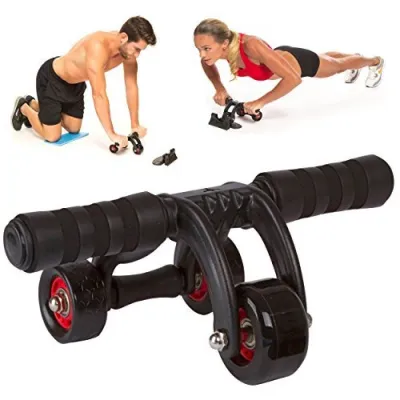
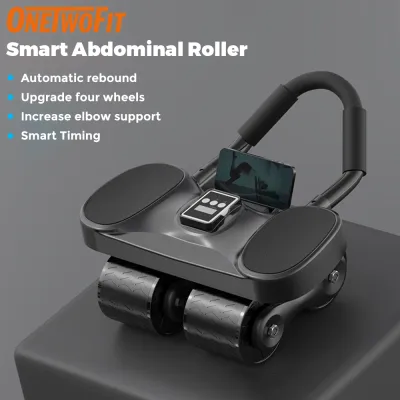
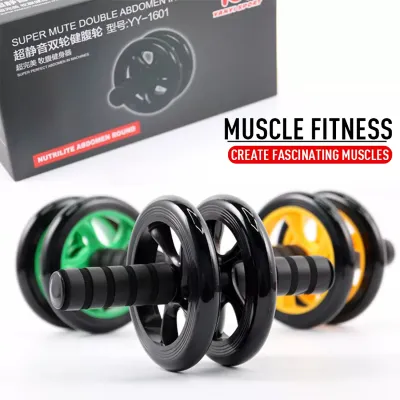
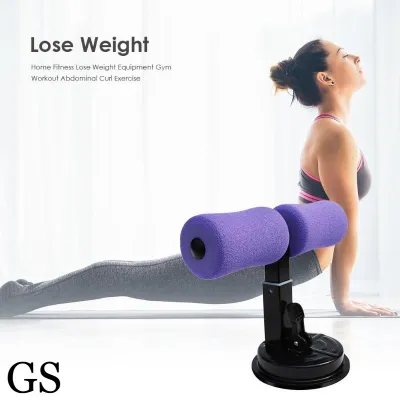
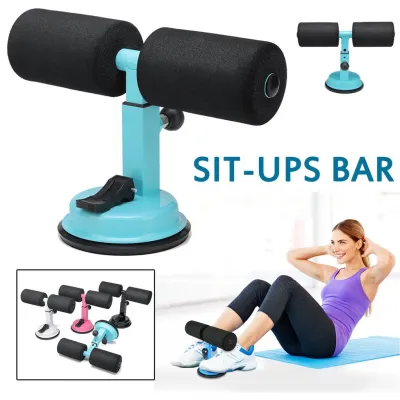
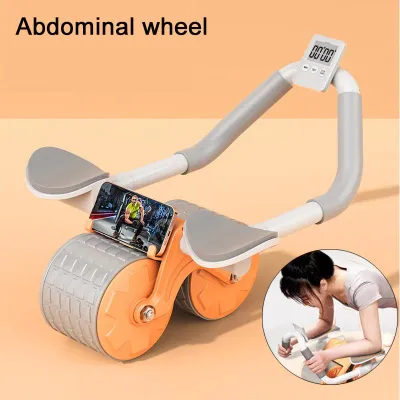
Prices are valid at publication and may change. Please refer to the product page for the latest price.
Conversely, dual-wheel or multi-wheel configurations feature two or more wheels spaced slightly apart or a single ultra-wide wheel. This wider base of support significantly reduces lateral wobble, allowing you to focus entirely on the forward and backward movement without struggling to stay upright. For beginners or those recovering from injury, this added stability is essential for learning proper form and preventing lower back strain.
The width of the wheel and its tread pattern also play a vital role in performance. Wide wheels with flat profiles distribute your weight over a larger surface area, increasing traction and making the movement feel more controlled. Textured tread patterns, similar to those found on mountain bike tires, bite into the floor surface to prevent slipping. Narrower wheels with rounded edges reduce the contact patch with the floor, making the roller highly responsive but significantly harder to control.
As your core strength and balance improve, you can plan a transition path between these configurations. Starting with a wide, stable dual-wheel model allows you to build the necessary hip and shoulder strength. Once you can comfortably perform multiple clean repetitions with a flat back, transitioning to a narrower, single-track model will introduce the controlled instability needed to continue challenging your core.
Build Quality and Material Durability Checks
Because a push roller must support a significant portion of your body weight during a highly extended, vulnerable position, structural integrity is paramount. The first component to inspect is the internal axle. High-quality rollers utilize a solid steel or heavy-duty aluminum shaft that runs continuously through the center of the wheel and into both handles. Avoid models with hollow, thin-walled plastic axles, as these can bend or snap under sudden loading, leading to a dangerous fall.

The bearing system inside the wheel determines how smoothly the roller rotates. Sealed ball bearings are the gold standard, offering fluid, consistent rotation without catching or stuttering. When testing a roller, spin the wheel manually; it should rotate freely without grinding noises or lateral play. If the wheel wobbles side-to-side on its axle, the bearings or internal spacers are poorly fitted, which will translate to an unstable and unpredictable rolling experience on the floor.
Next, evaluate the wheel materials. Solid rubber or high-grade polyurethane wheels are highly recommended for home use. These materials offer excellent shock absorption, roll quietly, and provide natural grip on various floor types without leaving scuff marks. Hard plastic wheels, while cheaper, are noisy, prone to cracking under heavy loads, and have a tendency to slide unexpectedly on smooth surfaces.
Finally, pay close attention to the connection joints where the wheel hub meets the handles. This area experiences intense shear stress during the peak of a rollout. Look for reinforced molded joints or integrated collar designs that prevent the handles from sliding outward or twisting independently of the wheel. Any sign of flexing or separation at these joints during a dry run is a clear indicator that the equipment is unsafe for regular bodyweight training.
Handle Ergonomics and Grip Security
The handles are your only point of contact with the push roller, making their design critical for both comfort and joint safety. Traditional straight bar handles force your wrists into a fixed, pronated position. While functional, this can place excessive strain on the wrists and elbows, especially during deep rollouts where the angle of force changes.
To alleviate this stress, many modern rollers feature contoured, angled, or even rotating grips. Angled handles allow your hands to rest in a more natural, semi-neutral position, which reduces wrist extension and helps keep your shoulders packed and stable. Rotating grips allow the hands to pivot slightly as you roll forward, accommodating the natural biomechanical changes in your arms and shoulders throughout the movement.
Grip surface materials must be chosen with your local training environment in mind. In warm, humid climates, sweat can quickly turn a smooth handle into a major safety hazard. High-density, closed-cell foam grips offer comfortable cushioning and absorb minor moisture, but they can degrade over time if exposed to heavy sweat. Textured rubber or thermoplastic elastomer grips are highly durable, easy to sanitize, and maintain excellent slip resistance even when wet. Avoid bare, smooth plastic handles, as they offer virtually no traction once your hands begin to sweat.
Handle width is another often-overlooked factor. The distance between the grips should closely match your shoulder width. If the handles are too narrow, your shoulders will be forced into internal rotation, increasing the risk of joint impingement at the bottom of the movement. If they are too wide, you will lose mechanical advantage, making it difficult to pull yourself back up safely. Look for a roller that allows your hands to align naturally with your shoulders.
Safety Mechanisms and Home Environment Requirements
For many home fitness enthusiasts, the return phase of a rollout is the most challenging part of the exercise. To prevent overextension and potential injury, some push rollers incorporate built-in safety mechanisms. Internal carbon steel springs or kinetic engine designs store energy as you roll forward, providing a gentle assist that helps pull you back to the starting position. This rebound feature is incredibly helpful for beginners who are still building the concentric strength required to return safely.
Other models feature manual braking systems or physical wheel stops. These mechanisms allow you to set a maximum rollout distance, blocking the wheel from moving further once you reach your safe limit. This prevents you from rolling out too far and collapsing onto your stomach, protecting your lower back from hyperextension.
Your home flooring is a major variable in the safety equation. Smooth ceramic tiles, polished concrete, and glossy hardwood floors offer very little traction. If your roller has hard plastic wheels, it can easily slide sideways or slip forward prematurely. Before purchasing, verify that the wheel material is compatible with your floors. If you have delicate hardwood or laminate, softer rubber wheels are essential to prevent scratching and indentation.
Setting up a safe training space is just as important as the equipment itself. Always clear a path that is at least two meters long and free of furniture, cords, or pets. Because rollouts are typically performed from a kneeling position, protecting your knees is vital. Hard floors can cause significant joint pain and bruising over time. Investing a few hundred ₱ in a thick, non-slip knee pad or a high-density exercise mat is highly recommended to cushion your knees and provide a stable anchor point for your lower body.
Matching the Push Roller to Your Fitness Level
To simplify your buying decision, it is helpful to align the roller’s features with your current physical capabilities. Selecting a tool that is too advanced can lead to poor form and injury, while a tool that is too basic may quickly limit your progress.
If you are a beginner, your primary goal is to build core stability and learn the mechanics of the movement safely. Look for a push roller that features a wide, dual-wheel or multi-wheel base to eliminate lateral wobble. An internal spring-assisted rebound mechanism is highly recommended to help you master the return phase without straining your lower back. Ensure the package includes a thick knee pad to protect your joints on hard home floors.
Intermediate users who have developed basic core strength should look to increase the challenge by introducing controlled instability. At this stage, transition to a roller with a single, medium-width wheel or a dual-wheel setup with a narrower profile. Standard straight or slightly angled handles without spring assistance will force your core to do all the work during both the eccentric and concentric phases of the exercise.
Advanced trainees require a tool that allows for maximum core engagement and complex movement variations, such as diagonal rollouts. For this level, select a single-wheel roller with a narrow, rounded profile that allows for lateral carving. The handles should be minimalist and rigid, providing a direct connection to the wheel without any mechanical assistance. Some advanced models even feature foot straps, allowing you to perform reverse rollouts and pike exercises to target the lower abdominals and hip flexors.
Frequently Asked Questions (FAQ)
Can a push roller be used safely on tiled or slippery floors?
Using a push roller on smooth ceramic tiles or polished concrete poses a significant slip hazard, especially if the wheel is made of hard plastic. To ensure safety, choose a roller with high-traction rubber or polyurethane wheels that grip smooth surfaces effectively. Additionally, always perform your workouts on a non-slip exercise mat. The mat provides a high-friction surface for the roller and prevents your knees from sliding backward, ensuring you maintain complete control throughout the movement.
How do I clean and maintain the wheel bearings after heavy sweating?
Sweat and humidity can quickly degrade your roller’s materials and cause internal bearings to rust. After every workout, wipe down the handles and the wheel surface with a damp cloth and mild soap to remove sweat residue; avoid harsh chemical cleaners that can dry out rubber or foam grips. To maintain smooth rotation, periodically check the manufacturer’s instructions regarding bearing care. If the bearings are exposed, applying a drop of light machine oil or silicone lubricant can prevent rust and ensure a fluid rolling motion.
Community discussion
Share your experience or ask a question. Comments are reviewed before publication.