
Selecting the right kick pad for exercise is essential for building a safe, engaging, and highly effective fitness routine at home or in a local gym. Unlike professional combat sports training where experienced coaches brace for high-impact strikes, personal exercise sessions often involve workout partners or family members who may not have formal training in holding targets. This makes equipment selection a critical factor in preventing joint strain, bruising, and repetitive motion injuries for both the person kicking and the person holding the pads.
When you integrate kick-based workouts into your fitness regimen, you are introducing high-velocity forces that require specialized absorption. A standard focus mitt or a flimsy piece of foam cannot safely handle the kinetic energy of a full-force roundhouse kick or knee strike. By understanding the key specifications of training gear, you can make an informed purchase that protects your joints, enhances your cardiovascular conditioning, and ensures your workout partner remains injury-free.
Evaluating your training space, your current fitness level, and the physical capabilities of your training partner will guide you toward the ideal gear configuration. Whether you are looking to burn calories through high-tempo cardio-kickboxing or develop functional lower-body strength through powerful strikes, the right equipment acts as the foundation of your training. Let us examine the essential specifications you must evaluate before making your decision.
Products mentioned in this guide
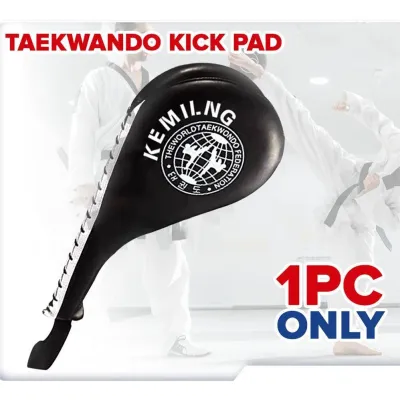
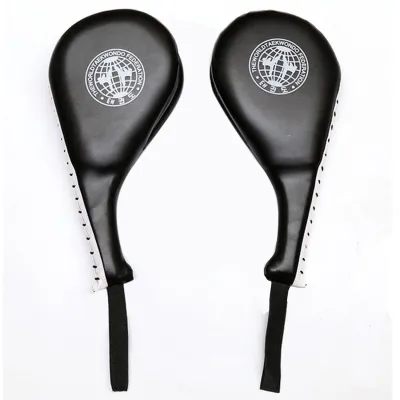
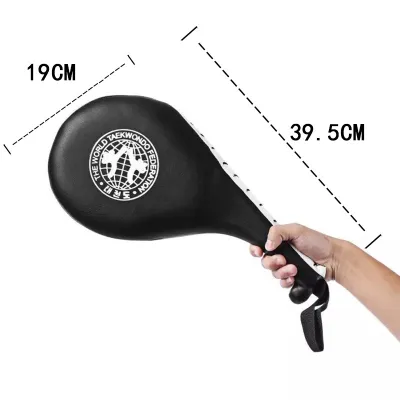
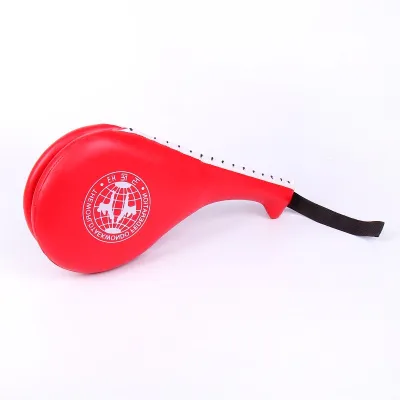
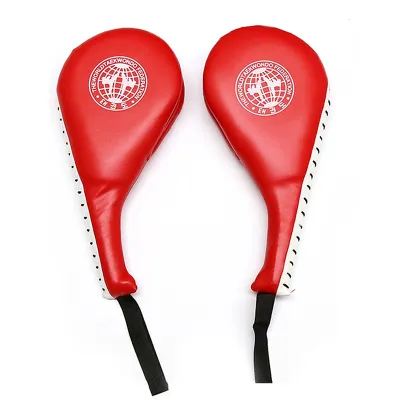
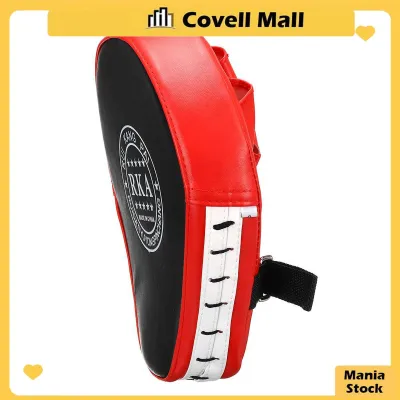
Prices are valid at publication and may change. Please refer to the product page for the latest price.
Quick Guide: Essential Specs for a Kick Pad for Exercise
To streamline your buying decision, it is helpful to understand the core specifications that distinguish high-quality training gear from substandard alternatives. When shopping for a kick pad for exercise, keep this rapid checklist in mind to ensure you select a model that balances protection, usability, and longevity:
- Padding Density: Look for multi-layered, high-density foam structures (such as EVA and gel-infused layers) with a minimum thickness of 3 to 4 inches to disperse heavy impacts.
- Size and Shape: Choose contoured or curved designs for ergonomic strike reception, or opt for larger rectangular shields if you are a beginner prioritizing a wide target area.
- Strap Security: Prioritize wide, adjustable hook-and-loop (Velcro) forearm straps paired with a heavily reinforced, riveted top grab handle.
- Cover Material: Select high-grade synthetic polyurethane (PU) or microfiber leather for superior sweat resistance and easy sanitation, especially in humid environments.
Each of these dimensions plays a vital role in the safety of your workouts. For instance, while a thicker pad offers superior impact absorption, it also adds overall weight to the equipment. If the pad is too heavy, the person holding it will experience rapid shoulder and upper back fatigue, cutting your workout short. Conversely, an overly light pad may be easy to hold but will fail to protect the holder’s forearms from the jarring shock of repetitive kicks. Finding the right balance between these specifications ensures a comfortable, sustainable workout experience for both participants.
Evaluating Padding Density for Maximum Shock Absorption
The internal padding of a kick pad is its most critical safety feature, serving as the primary barrier between the kicker’s shins and the holder’s forearms. High-quality pads utilize a multi-layer foam construction, which is engineered to disperse kinetic energy across a wide surface area. The outer layer typically consists of a very dense, firm closed-cell foam that absorbs the initial, sharp force of the impact. Beneath this outer layer, softer open-cell foam or gel-infused layers cushion the residual energy, preventing the shock from vibrating directly into the holder’s bones and joints.

In contrast, cheap or poorly constructed pads often rely on a single layer of low-density foam. This type of construction suffers from a phenomenon known as “bottoming out,” where the foam compresses completely under the force of a moderate kick. When a pad bottoms out, the impact force is transferred directly through the pad, resulting in painful bruising for the kicker and severe joint jarring for the holder. Over a long, high-repetition exercise session, this lack of protection can lead to chronic wrist pain, elbow strain, and shin splints.
To ensure you are getting adequate protection, always check the manufacturer’s specifications for details on the foam construction. Look for terms such as “multi-layered EVA foam,” “dense foam core,” or “high-density impact protection.” Avoid purchasing pads that simply list “foam padding” without specifying the density or layering technique, as these are often filled with cheap sponge material that degrades rapidly under regular use.
Because exercise-focused kick routines involve high-volume, repetitive striking, your gear must withstand hundreds of impacts per session without losing its shape. High-density foam retains its structural integrity over time, ensuring that the level of protection you experience on day one remains consistent after months of intense training. Investing in superior padding density is a non-negotiable step in safeguarding your joints and maintaining a consistent workout schedule.
Choosing the Right Size and Shape for Your Striking Style
The physical dimensions and profile of a kick pad dictate how easy it is to target, how comfortable it is to hold, and how well it accommodates different types of strikes. Traditional flat, rectangular pads have been the industry standard for decades, offering a solid and predictable surface. However, curved or contoured designs have gained immense popularity for personal fitness because they naturally cradle the kicker’s shin, centering the strike and preventing the leg from sliding off the edge of the pad upon impact.
When evaluating size, you must balance target area with maneuverability. Larger pads, often referred to as kick shields, provide a massive striking surface that is incredibly forgiving for beginners who are still developing their coordination and accuracy. These larger dimensions allow you to throw high-energy kicks without worrying about missing the target and accidentally striking your partner. However, the trade-off is weight and bulk; large shields restrict the holder’s ability to move quickly and transition between different training combinations.
Smaller, more compact pads demand a higher level of precision from the kicker. While they are lighter and allow the holder to move dynamically, they increase the risk of off-center strikes if the kicker’s technique is inconsistent. For cardio-focused workouts where maintaining a high heart rate is the primary goal, a medium-sized pad or a specialized kick shield is generally preferred, as it allows for continuous, fluid movement without frequent pauses to realign the target.
Weight is another crucial factor that is directly tied to the pad’s size and material composition. A pair of heavy-duty professional pads can weigh several kilograms, which quickly becomes exhausting for a casual workout partner to hold at shoulder height. For home exercise, look for pads that utilize lightweight composite foams. These materials provide the shock absorption of heavier traditional pads while reducing the physical strain on the holder’s shoulders, neck, and upper back during extended training sessions.
Strap Systems: Protecting the Holder’s Wrists and Arms
While much of the focus in kick training is on the person performing the exercise, the safety of the pad holder is equally dependent on the equipment’s design. The strap system on the back of the pad is the sole mechanism that secures the target to the holder’s arm. A weak, loose, or poorly designed strap system allows the pad to twist or slip when struck, which can result in sudden wrist hyperextension, elbow sprains, or accidental impacts to the holder’s face and body.
A robust strap system typically features a solid, reinforced top grab handle paired with dual forearm straps. The top handle should be securely riveted or double-stitched into the body of the pad, allowing the holder to maintain a firm, non-slip grip. The forearm straps should utilize high-quality hook-and-loop closures that can be adjusted to fit various arm sizes. Wide straps (ideally two inches or more in width) are highly recommended because they distribute the holding pressure evenly across the forearm, preventing localized pinching and improving overall stability.
For personal exercise, avoid strap systems that use metal or plastic buckles to secure the forearms. While buckles can provide a tight fit, they pose a significant safety hazard to the kicker. During high-tempo workouts, a slightly misdirected kick can cause the kicker’s bare foot or ankle to strike the buckle, leading to painful cuts and bruises. Hook-and-loop Velcro straps eliminate this risk entirely, providing a soft, flush surface that is safe for both partners.
Additionally, look for pads that feature padded interior linings or ergonomic forearm channels along the back. Sweaty, high-intensity workouts create a high-friction environment between the holder’s skin and the straps. Padded arm slots and moisture-wicking linings prevent painful chafing and blisters, allowing the holder to maintain a secure, comfortable grip throughout the entire workout session.
Cover Materials: Balancing Durability and Sweat Resistance
The exterior cover of a kick pad must endure extreme physical abuse, constant friction, and heavy exposure to sweat. When evaluating cover materials, you will primary choose between genuine leather and high-grade synthetic alternatives like polyurethane (PU) or polyvinyl chloride (PVC). Understanding how these materials perform in your specific training environment is key to making a long-lasting investment.
Genuine leather is highly regarded for its unmatched durability, natural flexibility, and premium feel. A well-maintained leather pad can last for years under daily, heavy use. However, leather requires regular conditioning to prevent it from drying out and cracking, and it sits at a premium price point, often ranging from ₱4,000 to ₱7,000 or more per pair. For casual exercise and home workouts, this level of investment and maintenance may not be necessary.
High-quality synthetic PU and microfiber leathers have become the preferred choice for fitness enthusiasts. These modern synthetics offer excellent durability, are highly resistant to tearing, and are significantly more affordable, typically ranging from ₱1,500 to ₱3,500. Most importantly, synthetic materials are completely non-porous, making them highly water-resistant and exceptionally easy to wipe clean after a sweaty workout session.
In humid tropical climates like the Philippines, sweat resistance is a critical factor for hygiene and equipment longevity. Open-air home garages, balconies, and non-airconditioned local gyms create high-humidity environments where sweat does not evaporate quickly. If moisture penetrates the cover of your kick pad, it will saturate the internal foam, leading to the rapid growth of mold, mildew, and foul-smelling bacteria. Furthermore, cheap PVC covers tend to peel, bubble, and flake when exposed to constant moisture and heat, rendering the pad unusable.
When inspecting a pad’s construction, pay close attention to the stitching along the seams and corners. Look for double-stitched nylon threads and reinforced binding tape along the edges. The side panels of high-quality pads often feature metal eyelets or mesh vents; these allow air to escape rapidly when the pad is struck, preventing the internal pressure from blowing out the seams over time.
Recommended Kick Pad Styles for Different Exercise Goals
Not all kick pads are designed for the same style of movement. To get the most out of your workouts, you should match the design style of the pad to your primary fitness goals and the physical capabilities of your training partner.
Thai Pads for Power and Versatility
Traditional Thai pads are compact, heavy-duty rectangular pads designed to be worn on the forearms. They are the gold standard for authentic martial arts training, making them the ideal choice if your exercise goals focus on developing maximum power, precision, and functional strength through heavy roundhouse kicks, knees, and elbow strikes.
Because Thai pads are relatively compact, they require a holder who has basic training in bracing techniques and sufficient upper-body strength to absorb direct impacts. They are best suited for intermediate to advanced fitness enthusiasts who want a versatile target that can easily transition between punches, kicks, and knee strikes in rapid succession.
Shield Pads for Beginners and Cardio
Kick shields are large, lightweight, mattress-like pads equipped with multiple handles on the back and sides. This design allows the holder to grip the shield with both hands, bracing it against their chest, torso, or thighs to absorb incoming strikes.
These shields are highly recommended for beginners, family workouts, and high-tempo cardio-kickboxing routines. The massive surface area virtually eliminates the risk of missed kicks, allowing the kicker to focus entirely on maintaining a high heart rate and burning calories. Because the holder can brace the shield against their body, it requires significantly less arm and shoulder strength to hold, making it highly accessible for casual training partners.
Curved Kick Pads for Ergonomics and Joint Protection
Curved kick pads feature an pre-curved striking surface that is designed to mimic the natural angle of a human shin. This ergonomic design catches kicks perfectly, directing the kinetic energy inward and minimizing the rotational force that is transmitted to the holder’s wrists and elbows.
If your primary workout goal is high-volume, repetitive cardio kicking, curved pads offer the best joint protection available. They are highly recommended for couples or workout partners who want to minimize physical strain and joint fatigue. The curved profile ensures that even off-center kicks are guided safely into the center of the pad, reducing the risk of wrist sprains for the holder and foot injuries for the kicker.
Frequently Asked Questions (FAQ)
Can I use focus mitts instead of kick pads for leg exercises?
No, you should never use focus mitts to absorb leg strikes or kicks. Focus mitts are designed exclusively to handle the lighter, highly localized impact of hand strikes and lack the surface area, thickness, and high-density foam required to disperse the massive kinetic energy of a kick. Attempting to kick a focus mitt can easily result in severe hand, wrist, or finger fractures for the holder, as well as painful shin bruising or joint hyperextension for the kicker. Always use dedicated kick pads or kick shields for any leg-based exercise.
How do I clean and maintain synthetic kick pads after a workout?
To maintain hygiene and extend the lifespan of your synthetic kick pads, wipe them down immediately after every workout using a damp cloth or a mild, non-abrasive disinfectant wipe. Avoid using harsh chemical solvents, bleach, or concentrated alcohol sprays, as these can dry out the synthetic cover, causing it to crack, peel, and degrade prematurely. Once wiped clean, allow the pads to air-dry completely in a well-ventilated, shaded indoor area. Never leave your pads to dry in direct tropical sunlight or near high heat sources, as extreme heat will warp the internal foam layers and weaken the adhesive bonds holding the pad together.
Community discussion
Share your experience or ask a question. Comments are reviewed before publication.