
Setting up your first home basketball court requires balancing your available physical space, the skill level of the players, and the local weather conditions. Buying a basketball ring and ball set for the first time is an exciting step toward active recreation, but a hasty purchase can lead to rapid wear, safety hazards, or a hoop that does not fit your playing area. To make an informed decision, you must evaluate the installation environment, the durability of the materials under tropical conditions, and the specific dimensions of the equipment. By focusing on structural integrity and proper sizing, you can ensure a safe, long-lasting setup that provides a consistent playing experience for years to come.
Assessing Your Space and Installation Requirements
Before browsing product listings, you must carefully measure the physical area where you plan to install the hoop. The type of system you choose—in-ground, portable, or wall-mounted—depends heavily on your available ground surface and how permanently you want to commit to the setup.
In-ground systems offer the highest level of stability and the most realistic rebound response because the support pole is anchored directly into a concrete foundation. This setup is ideal for dedicated driveways or backyard courts where high-intensity play might occur. However, in-ground hoops require a permanent installation process, including digging and pouring concrete, making them unsuitable for rental properties or areas with underground utility lines.
Products mentioned in this guide
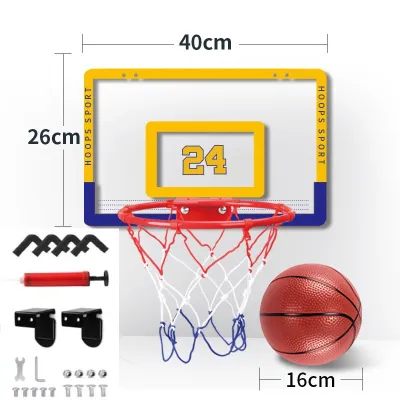
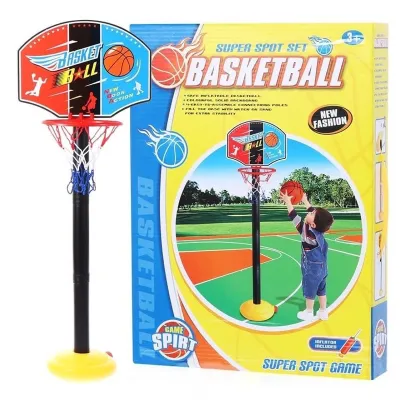
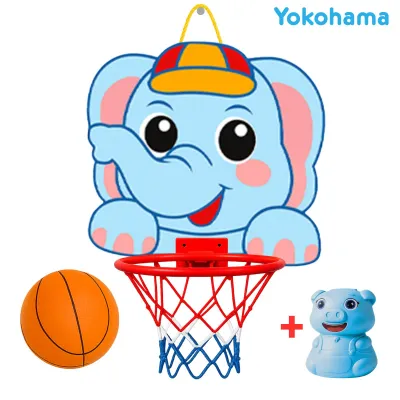
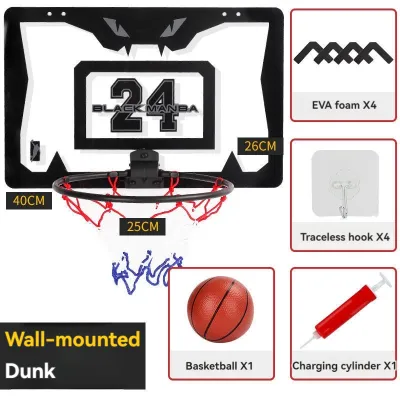
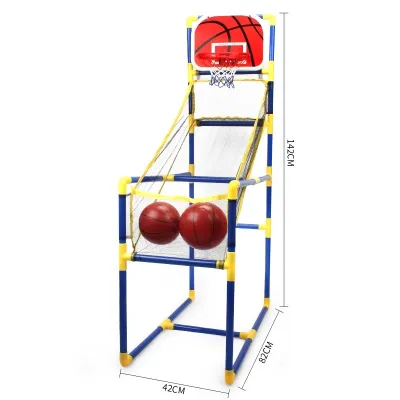
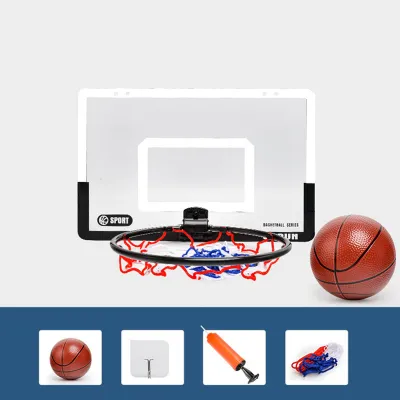
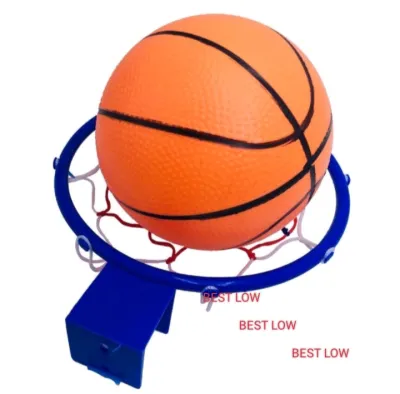
Prices are valid at publication and may change. Please refer to the product page for the latest price.
Portable systems provide excellent flexibility, featuring a large plastic base that you fill with water or sand to keep the unit upright. These systems often include built-in wheels, allowing you to roll the hoop out of the way when not in use or during severe weather. The trade-off is a larger ground footprint, as the bulky base extends behind the backboard, which can limit your active playing area. Portable hoops also tend to shake more during play compared to anchored systems, especially when balls strike the rim or backboard.
Wall-mounted systems are an excellent space-saving alternative if you have a flat, vertical surface available, such as the brick or concrete wall of a garage or house. These systems eliminate the need for a ground pole or base, maximizing your playing court area. However, they require a highly secure mounting surface and professional-grade hardware to handle the constant vibrations of play. You must also ensure that the wall structure can support both the weight of the system and the dynamic forces of rebounds.
Safety clearances are a critical consideration for any installation type to prevent injuries during fast-paced play. You must ensure there is sufficient overhang—the distance between the backboard and the support pole or wall. A generous overhang of at least three to four feet allows players to drive hard to the basket, perform layups, and chase rebounds without colliding with the support structure. Additionally, the playing surface itself should be flat, level, and free of hazards like loose gravel, tree roots, or slippery moss.
Finally, you must verify local property guidelines and homeowner association (HOA) rules before finalizing your purchase. In many residential subdivisions and barangays in the Philippines, there are strict regulations regarding structures placed near sidewalks, shared driveways, or public roads. Some communities prohibit permanent in-ground installations entirely or restrict portable hoops from being left on the street overnight. Checking these guidelines beforehand prevents costly fines or the need to dismantle your new setup.
Evaluating Backboard Materials and Ring Mechanisms
The combination of backboard material and rim design directly affects how the ball bounces off the board and how well the system withstands intense play and harsh weather. Understanding these components helps you select a setup that matches your playing style and environmental conditions.

Backboards are manufactured from several distinct materials, each offering a different balance of durability, rebound performance, and price. Molded plastic or composite backboards are lightweight and affordable, making them common in entry-level youth systems. However, they offer a soft rebound, absorbing the ball’s energy and causing a “dead” bounce that does not mimic a real court experience.
Polycarbonate backboards are incredibly tough and virtually shatterproof, making them an excellent choice for active households with older kids or teenagers. While they are highly impact-resistant, polycarbonate can gradually yellow and become brittle when exposed to intense tropical sunlight over several years. They also offer a moderate rebound response, which is acceptable for casual play but may feel slightly soft to experienced players.
Acrylic backboards provide a significant upgrade in aesthetic appeal and performance, offering a clear, glass-like appearance that resists yellowing under UV exposure. They are stiffer than polycarbonate, resulting in a much truer and more consistent rebound. While acrylic is highly durable, it is more susceptible to scratching and can crack if subjected to severe, direct impacts.
Tempered glass backboards are the gold standard used in professional and collegiate courts. They offer the absolute best rebound response, allowing the ball to bounce off the board with maximum energy and consistency. Tempered glass is also highly scratch-resistant and maintains its clarity indefinitely. However, glass backboards are exceptionally heavy, requiring a robust, heavy-duty support frame, and they carry a risk of shattering if subjected to improper forces, such as players hanging on the rim.
The rim mechanism is another vital component to evaluate, primarily categorized into static and breakaway designs. Standard static rims are bolted directly to the backboard or support frame with no moving parts. While simple and cost-effective, static rims transfer all the impact energy of a shot or dunk directly into the backboard, which can cause plastic to crack or glass to shatter. They are suitable only for shooting practice and casual play where players do not make physical contact with the rim.
Breakaway rims feature enclosed steel springs that allow the rim to flex downward when a specific amount of force is applied, absorbing the energy of a dunk or hard impact before snapping back into place. This mechanism protects the backboard from structural damage and reduces the risk of wrist or hand injuries for the player. If you or your family members plan to practice dunks or aggressive layups, a spring-loaded breakaway rim is an essential safety feature.
Given the high humidity and heavy rainfall typical of tropical climates, you must pay close attention to the weather-resistant properties of the hardware. Look for manufacturer specifications indicating powder-coated steel frames, zinc-plated hardware, and UV-resistant coatings on all plastic components. Unprotected steel will quickly rust when exposed to rain and salty coastal air, compromising the structural integrity of the entire system. Inspecting weld points for complete paint coverage before assembly can help prevent premature corrosion.
Selecting the Right Basketball for Your Setup
A high-quality hoop system is only half of the equation; pairing it with the correct basketball ensures optimal grip, control, and durability. Selecting a ball involves matching the size to the players and choosing a material suited to your specific playing surface.
Basketballs come in three standard sizes, and choosing the right one is crucial for developing proper shooting form and ball-handling skills. Size 7 (29.5 inches in circumference) is the official standard for men and boys aged 15 and older. Size 6 (28.5 inches) is the standard for women and girls aged 9 and older, as well as boys aged 9 to 14. Size 5 (27.5 inches) is designed for youth players aged 8 and under, featuring a lighter weight and smaller circumference that allows young hands to grip and shoot the ball comfortably.
The cover material of the basketball determines how well it performs on different court surfaces and how long it will last. Rubber basketballs are highly durable, affordable, and exceptionally resistant to rough outdoor surfaces like concrete or asphalt. They provide a high-friction grip that remains effective even when dusty, making them the ideal choice for outdoor street play, backyard courts, and schoolyards.
Composite leather (synthetic) basketballs offer a softer, premium feel that closely mimics the texture of genuine leather. They provide excellent grip retention and a consistent bounce, making them highly popular for both indoor and outdoor use. While many composite balls are rated for outdoor play, rough concrete surfaces will wear down the outer cover much faster than rubber, gradually reducing the grip and altering the ball’s texture over time.
Genuine leather basketballs are the premium choice for indoor wooden courts, offering unmatched feel, control, and a natural grip that improves as the ball is broken in. However, genuine leather is highly sensitive to moisture and abrasive surfaces. Using a leather ball on an outdoor concrete court will ruin the material almost immediately, causing it to scuff, absorb dirt, and lose its bounce. If your setup is outdoors, avoid genuine leather entirely.
Before finalizing your purchase, perform a few visual and tactile checks to ensure the ball’s quality. Inspect the seams or channels of the ball; deeper, wider channels provide better finger placement and grip control during shooting and dribbling. Check the inflation valve for integrity by inflating the ball to its recommended pressure (usually printed near the valve) and applying a small drop of water to the valve opening. If bubbles form, the valve is leaking air, and you should request a replacement. Finally, drop the ball from shoulder height onto a hard surface; it should bounce back up to approximately waist height, indicating consistent internal pressure and bladder quality.
Building Your Shortlist Based on Skill Level and Budget
With numerous options available, creating a structured decision framework helps you filter choices based on your household’s skill level and a realistic budget allocation in Philippine Pesos (₱).
For beginners and households with young children, an entry-level setup is the most practical starting point. Focus on portable systems featuring easy-to-use telescoping height adjustment mechanisms, which allow you to lower the rim to 7.5 or 8 feet for younger players and gradually raise it as they grow. Pair this with a basic, durable rubber basketball that can withstand rough handling and outdoor storage. These systems are cost-effective and allow you to gauge your family’s long-term interest in the sport without a significant financial commitment.
For intermediate players, teenagers, or adults focused on consistent shooting practice and competitive play, look for a more robust setup. Prioritize a fixed-height or crank-adjustable system with a steel frame, a polycarbonate or acrylic backboard for realistic rebounds, and a spring-loaded breakaway rim. Pair this setup with a high-quality composite leather basketball to ensure a consistent grip and feel during training sessions. This level of equipment provides a much closer approximation of a regulation court, helping players develop skills that translate directly to organized league play.
When shopping on online marketplaces or at local sports retailers, use a comprehensive checklist to verify the value of your purchase. First, examine the warranty terms carefully; look for manufacturers that offer multi-year warranties on the backboard, rim, and support pole, specifically covering structural defects or rust. Second, check what accessories are included in the package. Some sets come complete with a ball pump, inflation needles, net-mounting clips, or even a protective pole pad, which can save you from making separate purchases.
Third, pay close attention to return policies and shipping fees. Because basketball hoop systems are heavy and bulky, shipping costs can be substantial, and returning a defective or unsatisfactory unit can be highly expensive and logistically challenging. Ensure the retailer offers a clear, reliable return policy with local customer support.
Finally, establish a realistic budget allocation. When purchasing a complete setup, it is wise to allocate approximately 80% to 90% of your total budget to the hoop system itself, as the ring, backboard, and pole are long-term investments that are difficult and expensive to upgrade later. The remaining 10% to 20% can be allocated to a high-quality basketball and essential maintenance accessories. This balanced approach ensures you do not compromise on the safety and durability of the hoop while still securing a reliable ball for daily practice.
Frequently Asked Questions (FAQ)
Can I use an indoor basketball on an outdoor concrete court?
Using a basketball designed strictly for indoor use on an outdoor concrete court is not recommended. Indoor balls are typically made of genuine leather or soft composite materials that degrade rapidly when exposed to abrasive concrete, asphalt, and outdoor dirt. The rough surface will quickly wear down the outer texture, ruining the grip and causing the seams to split. Always check the manufacturer’s intended surface label on the ball packaging before playing to ensure it is rated for outdoor use.
How do I maintain the net and rim during the rainy season?
To prolong the lifespan of your outdoor hoop during the rainy season, perform routine visual inspections for signs of rust on the metal rim and hardware. If you notice small rust spots, gently sand them down and apply a rust-resistant outdoor metal paint to prevent the corrosion from spreading. Standard nylon nets can rot and fray quickly under constant rain and intense sun; consider replacing them with heavy-duty, weather-resistant nylon or zinc-plated steel chain nets. Additionally, apply a small amount of silicone lubricant to the moving parts of breakaway spring rims to keep the mechanism functioning smoothly.
What is the standard height for a basketball ring, and can it be adjusted?
The official regulation height for a standard basketball ring is 10 feet (3.05 meters) from the top of the rim to the playing surface. While adult and competitive play always use this standard height, adjustable hoop systems are highly beneficial for youth training and multi-age households. Many adjustable systems allow you to lower the rim to 7.5 feet, helping younger players develop proper shooting mechanics without straining, and then gradually raise the height as their strength and skill levels improve.
Community discussion
Share your experience or ask a question. Comments are reviewed before publication.