
To find the right bicycle, match your primary riding surface with your daily storage and transport limits. If you ride exclusively on paved roads and prioritize speed, a road bike is ideal; if you face rough, unpaved trails, a mountain bike offers the necessary traction and durability. For mixed urban commuting where storage is tight, a folding bike or a hybrid bike provides the best balance of utility and comfort. Always verify the manufacturer’s specific geometry and sizing charts before purchasing, as frame dimensions vary significantly between brands.
Quick Answer: Matching Your Riding Goals to Bicycle Categories
Choosing the right cycle requires a clear understanding of where and how often you plan to ride. Paved roads, designated bike lanes, and smooth park paths are best suited for road, hybrid, or folding bikes, which minimize rolling resistance and maximize efficiency. If your routes include unpaved trails, gravel paths, or heavily damaged asphalt, a mountain bike or gravel bike will provide the necessary stability and shock absorption.
Your daily logistics also dictate your choice. If you have limited storage space at home or need to bring your bike onto public transit, a folding bike is highly practical. For long-distance fitness rides, a road or gravel bike offers the most efficient power transfer. Always consult the manufacturer’s specific geometry guidelines, as a proper physical fit is essential for comfort and injury prevention.
Products mentioned in this guide

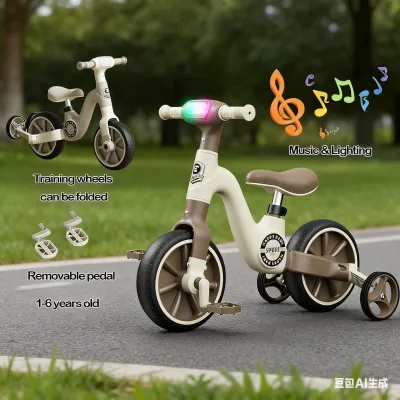
Prices are valid at publication and may change. Please refer to the product page for the latest price.
Step 1: Diagnose Your Primary Riding Environment and Terrain
Your daily route dictates the physical demands placed on your bicycle. Paved city streets, designated bike lanes, and smooth park paths require minimal rolling resistance, making narrow, slick tires highly efficient. Conversely, navigating unpaved provincial roads, loose gravel, or severely cracked asphalt demands wider tires with pronounced tread patterns to maintain grip and stability.

Elevation changes also play a critical role in your selection. If your regular routes involve steep climbs and rapid descents, you will need a wide gear range to ease the physical strain of climbing and reliable brakes to control your speed on the way down. Flat coastal roads, by contrast, allow for simpler, lighter gear setups.
Weather and drainage conditions in tropical environments require careful consideration. Heavy seasonal rains can quickly turn dirt paths into mud and leave paved roads slick with water and debris. Look for frames with generous tire clearance to prevent mud buildup and eyelets that allow you to mount full-coverage fenders to keep road spray off your clothes.
Step 2: Define Your Riding Purpose and Lifestyle Constraints
How you plan to use your bicycle determines the necessary frame features and accessory compatibility. If your primary goal is daily commuting or running errands, you must evaluate the bike’s cargo capacity. Check if the frame includes dedicated mounting points for rear racks, front baskets, or panniers to carry your laptop, groceries, or change of clothes without straining your back.
Storage and transport limitations can immediately rule out certain bicycle types. If you live in a high-rise condominium with strict elevator rules, or if you need to combine cycling with light rail transit, space is at a premium. In these scenarios, a compact frame or a folding mechanism becomes a necessity rather than a luxury, allowing you to store the bicycle safely indoors.
For those focusing on fitness and recreation, the choice hinges on the balance between speed and comfort. If you want to cover long distances quickly and enjoy the physical challenge of high-speed cycling, an aerodynamic posture is beneficial. If you prefer leisurely weekend rides, a more upright riding position reduces strain on your neck, shoulders, and lower back.
Step 3: Evaluate the Core Bicycle Categories
Understanding the design intent and inherent trade-offs of each major bicycle category helps narrow down your options.
- Road and Gravel Bikes: Built for efficiency and speed, road bikes feature lightweight frames, narrow tires, and drop handlebars that allow for an aerodynamic riding position. Gravel bikes modify this design by offering wider tire clearance and more stable geometry, making them highly versatile for mixed surfaces ranging from smooth asphalt to rough dirt roads.
- Mountain Bikes (MTB): Engineered for rugged off-road trails, mountain bikes feature robust frames, wide knobby tires for maximum traction, and suspension systems to absorb impacts. While they offer unmatched durability on rough terrain, their heavier weight and high rolling resistance make them slower and more physically demanding on smooth, paved city streets.
- Hybrid and City Bikes: Combining the flat handlebars of a mountain bike with the lighter frame and faster-rolling wheels of a road bike, hybrid bikes offer an upright, comfortable riding position. They are highly versatile, often coming equipped with mounts for racks and fenders, making them an excellent choice for general fitness, casual riding, and urban commuting.
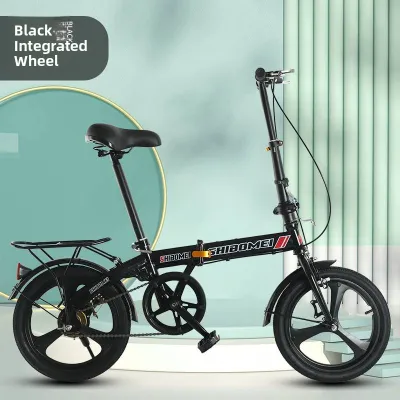
- Folding Bikes: Designed specifically for portability and urban convenience, folding bikes feature smaller wheels and hinges in the frame that allow them to collapse into a compact package. While they are incredibly easy to store in small apartments or car trunks, their smaller wheels roll less efficiently over large potholes and rough surfaces compared to full-sized bicycles.
Step 4: Verify Fit, Sizing, and Component Specifications
Selecting the right category is only half the battle; you must ensure the physical bicycle matches your body dimensions and mechanical needs. Avoid relying on generic height charts that only use your overall height, as leg and torso proportions vary. Instead, consult the manufacturer’s detailed geometry charts and measure your standover height to ensure you can comfortably clear the top tube when stopped.
Examine the frame materials and component specifications to ensure they align with your intended use. Aluminum frames offer a lightweight and stiff ride, while steel frames provide excellent durability and natural vibration dampening at the cost of extra weight. Verify that the gear ratios are low enough for your local hills and check whether the braking system—such as mechanical or hydraulic disc brakes—provides adequate stopping power for your typical cargo loads and weather conditions.
Whenever possible, arrange a comprehensive test ride before finalizing your purchase. Use this opportunity to assess the reach to the handlebars, the comfort of the saddle, and your overall handling confidence. Pay close attention to how the bike responds to steering inputs and whether you can easily reach the brake levers and gear shifters from your natural riding position.
Essential Gear and Accessories for Your Chosen Cycle
A complete cycling setup requires essential safety and utility accessories to protect you and your investment on every ride.
- Mandatory Safety Gear: A properly fitted helmet is non-negotiable for head protection. To remain visible in low-light conditions and heavy rain, equip your bicycle with a bright white front light, a red rear light, and high-visibility reflectors that comply with local road safety guidelines.
- Utility Additions: Protect your bicycle from theft by investing in a sturdy U-lock or heavy-duty chain lock. If you commute in wet weather, install full-coverage fenders to block dirty road spray, and mount a durable rear rack to carry your gear securely. A basic saddle bag containing a multi-tool, tire levers, a spare inner tube, and a compact hand pump ensures you can handle minor roadside repairs.
- Apparel Considerations: Wearing lightweight, moisture-wicking clothing helps manage sweat in hot, humid climates. Opt for bright, high-visibility colors or reflective vests to ensure drivers can easily spot you on busy roads, and consider padded cycling shorts to improve comfort on longer rides.
Frequently Asked Questions (FAQ)
Can I use a mountain bike for daily city commuting?
Yes, you can use a mountain bike for daily city commuting, especially if your route features rough roads and deep potholes. However, the wide, knobby tires will create significant rolling resistance, making your ride slower and more tiring. To optimize an MTB for paved streets, consider swapping the knobby off-road tires for slick or semi-slick commuter tires, which roll much faster while retaining the bike’s durable frame and suspension benefits.
How do I know if a folding bike is sturdy enough for my weight?
To ensure a folding bike is safe and sturdy enough for you, always check the manufacturer’s official specifications for the maximum structural weight limit. This limit typically includes both the rider’s weight and any carried cargo. Pay close attention to the quality of the folding hinges and locking mechanisms, and verify if the manufacturer offers a clear warranty on these critical structural joints.
Should I buy a new or second-hand bicycle for my first cycle?
Buying a new bicycle provides peace of mind through a manufacturer’s warranty, guaranteed component wear, and professional assembly from a local bike shop. A second-hand bicycle can offer excellent cost savings, but it requires careful inspection. If you choose a used cycle, thoroughly check the frame for cracks, inspect the drivetrain for wear, and budget for potential immediate maintenance costs like new tires, brake pads, or cables.
Community discussion
Share your experience or ask a question. Comments are reviewed before publication.